Fitsiomax

Blog

Your blog category

Physiotherapy for Muscle and Joint Pain
Blog

Say Goodbye to Pain,Proven Physiotherapy Techniques for Muscle and Joint Relief

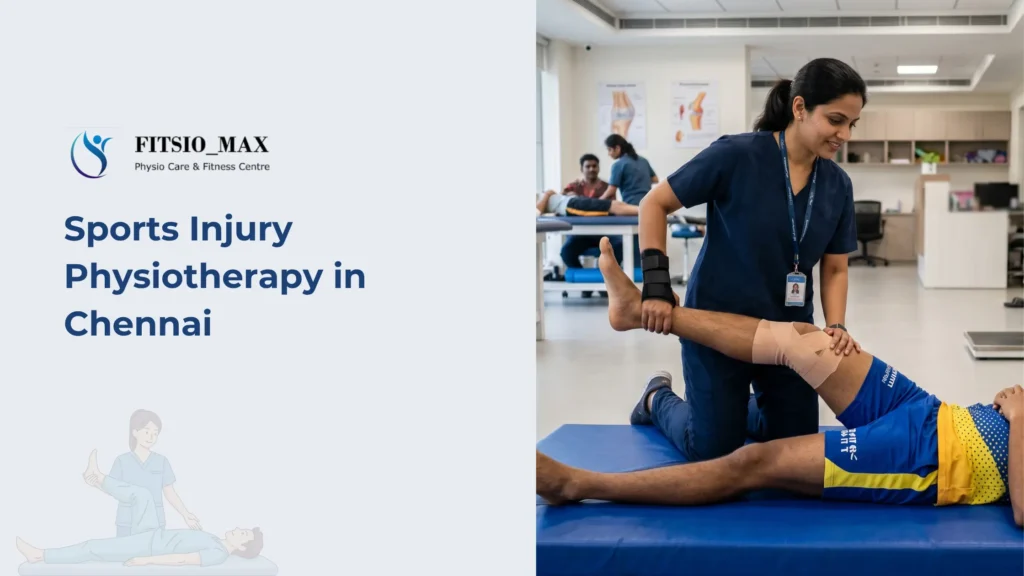
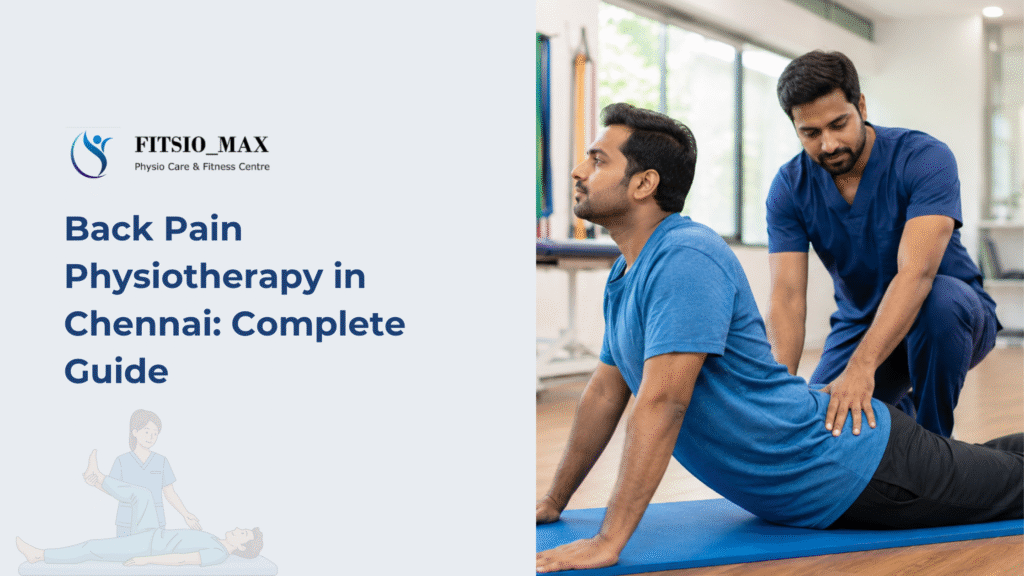
Say Goodbye to Pain,Proven Physiotherapy Techniques for Muscle and Joint Relief Introduction Constant stiffness, soreness, or restricted movement can make even simple tasks difficult. Whether it’s long hours at work, poor posture, or recovery after injury, muscle and joint pain can affect your comfort and confidence. That’s where physiotherapy for muscle and joint pain comes in offering natural, non-invasive, and lasting relief. At Fitsiomax Physiotherapy Clinic in Chennai, our certified experts use personalized programs and advanced techniques to restore mobility and strength. This guide explores the best physiotherapy treatments for pain relief, explains their benefits, and shares simple lifestyle tips to prevent recurrence. Let’s help you move freely again without relying on painkillers. Understanding Muscle and Joint Pain Causes and the Role of Physiotherapy Treatment Muscle and joint pain can result from poor posture, muscle strain, aging, or medical conditions like arthritis. If left untreated, stiffness and pain can worsen, limiting movement and causing chronic discomfort. At Fitsiomax Clinic, our physiotherapists assess your condition to identify the root cause before starting treatment. We create personalized plans that target inflammation, strengthen weak muscles, and restore joint mobility safely. Effective Physiotherapy Treatments for Lasting Muscle and Joint Pain Relief 1. Manual Therapy for Relaxation and Mobility Improvement Hands-on physiotherapy techniques like myofascial release and joint mobilization help reduce stiffness, increase circulation, and restore flexibility. 2. Stretching and Strengthening Exercises to Restore Function Customized joint pain physiotherapy exercises improve mobility, strengthen muscles, and prevent recurring injuries by supporting natural movement. 3. Electrotherapy and Ultrasound for Inflammation and Pain Reduction Modern methods such as TENS, IFT, and ultrasound therapy accelerate recovery and reduce swelling for effective muscle and joint pain relief. 4. Posture Correction Therapy for Everyday Comfort Poor posture can lead to pain in the back, neck, or shoulders. Posture Correction Physiotherapy retrains your muscles and improves body alignment. 5. Spinal Decompression Therapy for Back and Joint Pain Spinal Decompression Therapy is a non-surgical method to relieve spinal pressure, improve flexibility, and reduce nerve-related pain safely. 6. Sports Injury Physiotherapy for Active Individuals Athletes benefit from Sports Injury Physiotherapy that treats joint strains, overuse injuries, and muscle fatigue effectively. Top Benefits of Physiotherapy for Muscle and Joint Pain Management Provides long-lasting, natural pain relief Restores flexibility and full joint mobility Strengthens muscles supporting weak joints Corrects posture and improves balance Prevents recurring injuries and stiffness Enhances physical performance and stability With expert care from Fitsiomax Physiotherapy Clinic in Chennai, you can enjoy pain-free movement and improved quality of life. Simple Self-Care and Lifestyle Tips to Support Physiotherapy Recovery Physiotherapy works best when you adopt healthy habits between sessions. Here’s how to complement your treatment: Maintain proper sitting and standing posture Stretch regularly to ease stiffness Stay hydrated and eat nutrient-rich foods Take short walks or light movements daily Use hot and cold therapy as advised Follow your physiotherapist’s personalized home exercise plan Our Muscle & Joint Pain Relief Program combines therapy and self-care for faster recovery. When You Should Consult a Physiotherapist for Muscle and Joint Pain Relief If your pain lasts for more than two weeks, or limits daily activities like walking or lifting, it’s time to visit a physiotherapist. At Fitsiomax Physiotherapy Clinic, Chennai, we design custom recovery plans that target your specific pain points and lifestyle needs. Conclusion Muscle and joint pain shouldn’t hold you back. With expert-guided physiotherapy techniques, you can reduce pain, improve flexibility, and restore your active lifestyle.At Fitsiomax Clinic, we specialize in advanced physiotherapy treatments for pain relief, posture correction, and recovery from injuries. Frequently Asked Questions 1. What physiotherapy treatments are best for muscle and joint pain? Physiotherapy treatments such as manual therapy, electrotherapy, stretching, and strengthening exercises are effective for relieving muscle and joint pain by improving mobility and reducing inflammation. 2.Is physiotherapy effective for chronic muscle and joint pain? Yes, physiotherapy is effective for chronic muscle and joint pain because it treats the root cause of pain and helps prevent recurrence through guided exercises and posture correction. 3. Where can I get physiotherapy for muscle and joint pain in Chennai? You can get physiotherapy for muscle and joint pain in Chennai at a professional physiotherapy clinic that offers personalized treatment plans based on your pain condition. 4.Is physiotherapy near me helpful for fast pain relief? Yes, choosing physiotherapy near you helps ensure regular treatment sessions and faster pain relief, especially for back, knee, shoulder, and joint pain. 5.How many physiotherapy sessions are required for muscle and joint pain relief? Most patients experience relief within 6 to 12 physiotherapy sessions, depending on the severity of muscle or joint pain and adherence to the treatment plan. 6.When should I consult a physiotherapist for muscle or joint pain? You should consult a physiotherapist if muscle or joint pain lasts more than a few days, limits movement, or interferes with daily activities to prevent long-term issues. 7. Can physiotherapy help avoid surgery for muscle and joint pain? Yes, physiotherapy can often help avoid or delay surgery for muscle and joint pain by strengthening muscles, improving joint stability, and correcting movement patterns under professional guidance. Physiotherapy treatments such as manual therapy, electrotherapy, stretching, and strengthening exercises are effective for relieving muscle and joint pain by improving mobility and reducing inflammation. Yes, physiotherapy is effective for chronic muscle and joint pain because it treats the root cause of pain and helps prevent recurrence through guided exercises and posture correction. You can get physiotherapy for muscle and joint pain in Chennai at a professional physiotherapy clinic that offers personalized treatment plans based on your pain condition. Yes, choosing physiotherapy near you helps ensure regular treatment sessions and faster pain relief, especially for back, knee, shoulder, and joint pain. Most patients experience relief within 6 to 12 physiotherapy sessions, depending on the severity of muscle or joint pain and adherence to the treatment plan. You should consult a physiotherapist if muscle or joint pain lasts more than a few days, limits movement, or interferes with daily activities to prevent long-term

how to relieve body pain naturally
Blog

 Living with Pain Every Day? Here’s What You Need to Know

Living with Pain Every Day? Here’s What You Need to Know Introduction Living with constant discomfort can affect your daily routine, sleep, and overall well-being. Many people depend on quick fixes like painkillers, but they often do not address the root cause. Learning how to relieve body pain naturally can help you manage pain safely and improve your quality of life over time. Simple changes like regular movement, proper posture, and guided exercises can make a noticeable difference. In this article, you will discover practical methods, expert-backed insights, and easy techniques to reduce pain naturally and support long-term recovery without relying heavily on medication. What are the physiotherapy benefits for daily pain relief? Physiotherapy helps reduce pain, improve movement, and support long-term recovery without medication. It focuses on treating the root cause, not just symptoms. What it is: Physiotherapy is a treatment approach that uses movement, exercises, and manual techniques to restore function. Who it is for: People with chronic pain Individuals recovering from injury Those with posture-related discomfort Key benefits: Improves mobility and flexibility Reduces inflammation and stiffness Supports long-term pain control Safety / considerations: Always follow a trained professional’s guidance. Incorrect exercises may worsen pain. In some cases, visiting a physiotherapy clinic in Chennai or consulting the best physiotherapist in Chennai can provide structured care. How does pain management therapy help reduce chronic discomfort? Pain management therapy reduces chronic discomfort by combining physical techniques, lifestyle changes, and guided exercises. What it is: It is a structured approach that addresses both physical and functional causes of pain. Who it is for: People with long-term pain conditions Individuals not responding to basic treatments Key benefits: Reduces dependency on medication Improves daily function Enhances quality of life Safety / considerations: Progress may take time. Professionals usually recommend consistency rather than quick fixes. What are natural pain relief methods for everyday body pain? Natural pain relief methods include exercise, posture correction, heat therapy, and relaxation techniques. These methods support the body’s healing process. What it is: Non-medical ways to manage pain using lifestyle and physical approaches. Who it is for: People looking to avoid medication Mild to moderate pain sufferers Key benefits: Safe for long-term use Minimal side effects Improves overall health Safety / considerations: In most cases, natural methods work best for mild pain. Severe or persistent pain needs medical evaluation. Which physiotherapy exercises at home are safe and effective? Simple stretching and strengthening exercises at home can safely reduce pain when done correctly. What it is: Basic guided movements designed to improve flexibility and strength. Who it is for: Beginners with mild pain People unable to visit clinics regularly Key benefits: Convenient and cost-effective Improves posture and mobility Supports recovery Safety / considerations: Avoid overexertion. If unsure, learn from a professional. Many ask how physiotherapy helps in pain relief, and the answer lies in consistent, correct movement patterns. What is the best muscle pain treatment without medication? The best non-medication muscle pain treatment includes rest, stretching, and physiotherapy-based techniques. Direct Answer (Snippet Optimized): Muscle pain can be treated naturally through rest, gentle stretching, hydration, and targeted physiotherapy exercises. These methods reduce tension, improve blood flow, and support healing without relying on medication. What it is: A combination of recovery techniques that promote muscle repair. Who it is for: Athletes Office workers with stiffness Individuals with overuse injuries Key benefits: Reduces soreness Speeds recovery Prevents future injury Safety / considerations: Persistent muscle pain may indicate deeper issues. Professionals usually recommend assessment if pain lasts more than a few days. How do joint pain relief exercises improve mobility? Joint pain relief exercises improve mobility by strengthening surrounding muscles and reducing stiffness. Direct Answer (Snippet Optimized): Joint exercises help improve flexibility, reduce stiffness, and support joint stability. Regular movement increases lubrication in joints, making daily activities easier and less painful. What it is: Controlled movements designed to support joint health. Who it is for: Older adults People with arthritis Sedentary individuals Key benefits: Enhances flexibility Reduces joint stiffness Improves balance and coordination Safety / considerations: Avoid high-impact exercises if joints are inflamed. Based on general practice, low-impact routines are safer. Conclusion Understanding how to relieve body pain naturally starts with small, consistent steps. Physiotherapy, guided exercises, and natural methods can reduce pain and improve movement over time. In most cases, combining lifestyle changes with proper guidance leads to better results. If pain persists, seeking professional advice ensures safe and effective recovery. Frequently Asked Questions 1. What is the fastest way to relieve body pain naturally? The fastest natural relief usually comes from rest, gentle stretching, and applying heat or cold. In most cases, combining these methods improves blood flow and reduces inflammation. Professionals usually recommend avoiding sudden intense activity while the body is recovering. 2. When should you see a physiotherapist for pain? You should see a physiotherapist if pain lasts more than a few days or affects daily movement. Based on general practice, early intervention helps prevent worsening. Persistent stiffness, reduced mobility, or recurring pain are common signs that need expert evaluation. 3. Is physiotherapy good for long term pain relief? Yes, physiotherapy is effective for long-term pain relief in most cases. It focuses on treating the root cause rather than symptoms. Professionals usually recommend consistent sessions and exercises to maintain results and prevent recurrence. 4. Can exercise make body pain worse? Exercise can worsen pain if done incorrectly or too intensely. In most cases, gentle and guided movements are safe. Professionals usually recommend starting slow and increasing intensity gradually to avoid strain or injury. 5. How to treat body pain without medicine? Body pain can be treated without medicine using exercise, posture correction, and relaxation techniques. Based on general practice, combining these methods improves recovery. Consistency and proper technique are important for long-term results. 6. What are the best exercises for chronic pain relief at home? The best exercises include stretching, low-impact strengthening, and mobility drills. In most cases, simple routines improve flexibility and reduce stiffness. Professionals usually recommend personalized plans

Physiotherapy for womens health
Blog

How Physiotherapy Transforms Women’s Health,A Path to Living Pain-Free

How Physiotherapy Transforms Women’s Health,A Path to Living Pain-Free Introduction Women’s bodies go through incredible changes at every stage of life  from puberty and pregnancy to menopause and beyond. However, these transitions often bring physical pain, hormonal imbalances, and mobility challenges. That’s where Physiotherapy for womens health plays a transformative role. At Fitsiomax Physiotherapy and Fitness Studio in Chennai, we focus on restoring strength, balance, and overall wellness through specialized physiotherapy treatments for women. Whether it’s chronic pain, pelvic health issues, or postnatal recovery, our expert physiotherapists design programs tailored to each woman’s unique needs  empowering you to live pain-free and move with confidence. Understanding the Importance of Physiotherapy for womens health Women face distinct health challenges due to biological, hormonal, and lifestyle factors. From menstrual discomfort and pregnancy strain to postnatal weakness and menopause-related stiffness, pain can often become a constant companion. Physiotherapy for women’s pain relief focuses on improving mobility, muscle strength, and posture while relieving chronic conditions like back pain, neck tension, or pelvic discomfort. Through evidence-based exercises, manual therapy, and education, physiotherapy helps women: Strengthen their core and pelvic floor muscles Improve flexibility and body posture Enhance blood circulation and hormone balance Reduce dependence on medications for pain relief At Fitsiomax, every treatment plan is designed to nurture both the body and mind  helping women restore health and confidence at every life stage. Key Areas Where Physiotherapy for womens health 1. Prenatal and Postnatal Physiotherapy Care Pregnancy and childbirth cause immense physical changes, often leading to back pain, joint stiffness, and pelvic strain. Prenatal physiotherapy exercises prepare the body for childbirth by enhancing flexibility and endurance. After delivery, postnatal physiotherapy exercises help women recover muscle tone, strengthen the core, and prevent long-term complications like diastasis recti (abdominal muscle separation). At Fitsiomax, our specialized women’s physiotherapists in Chennai offer customized programs that support safe movement, comfort, and confidence throughout your motherhood journey. 2. Pelvic Floor Physiotherapy for Women Weak pelvic muscles can lead to urinary leakage, lower back pain, and pelvic instability. Through pelvic floor physiotherapy for women, our experts help restore muscle control and stability. We use targeted exercises and biofeedback techniques to strengthen the pelvic area, improve bladder control, and enhance posture  vital for postpartum recovery, menopause, and active living. 3. Managing Hormonal and Menopause-Related Pain Menopause can bring symptoms like joint stiffness, muscle aches, and fatigue. Physiotherapy for hormonal balance and wellness combines therapeutic movement, stretching, and relaxation methods to regulate hormonal function and reduce discomfort. Our women’s physiotherapy treatment at Fitsiomax focuses on maintaining bone strength, flexibility, and metabolic health  ensuring women stay active and pain-free even during hormonal transitions. 4. Pain Management for Back, Neck, and Joints Prolonged sitting, stress, and lack of movement often cause chronic pain in the back, neck, and joints. Through back and neck pain physiotherapy for women, we target muscle tension, improve posture, and restore spinal alignment. Physiotherapy for joint pain in women also helps reduce inflammation, strengthen ligaments, and prevent early arthritis allowing women to stay mobile and energetic throughout their day.   5. Building Strength and Fitness Through Physiotherapy Beyond pain relief, physiotherapy enhances functional fitness. Our women’s fitness and physiotherapy exercises programs combine flexibility training, balance improvement, and low-impact workouts to build endurance. These sessions help improve metabolism, boost mood, and prevent injuries  supporting a healthier, more active lifestyle for women of all ages.   The Fitsiomax Approach – Compassionate Care for Every Woman At Fitsiomax Physiotherapy Clinic in Chennai, we believe women’s health deserves specialized attention and compassion. Our physiotherapists are highly trained in treating conditions unique to women, from pregnancy-related discomfort to chronic pelvic issues. We provide: Personalized treatment plans for every stage of womanhood. One-on-one therapy sessions for privacy and comfort. Advanced techniques for physiotherapy for postpartum recovery and hormonal wellness. A supportive, safe environment for long-term healing. Our goal is simple  to help women move freely, live pain-free, and rediscover their strength. Conclusion Pain doesn’t have to define a woman’s life. With the right Physiotherapy for womens health, every woman can move with comfort, confidence, and control. Whether it’s pregnancy recovery, hormonal balance, or joint pain, physiotherapy offers lasting results through natural, non-invasive care. At Fitsiomax Physiotherapy and Fitness Studio, we’re committed to helping women live stronger, healthier, and pain-free lives. Book your appointment today and experience the Fitsiomax difference  where expert care meets empowerment. Frequently Asked Questions 1. How does physiotherapy improve women’s overall health? Physiotherapy improves women’s health by addressing pain, posture, muscle imbalances, and movement limitations. It helps women manage daily discomfort, improve strength, and maintain mobility at different life stages, leading to a more active and pain-free life. 2. What women’s health conditions can physiotherapy treat? Physiotherapy helps treat back pain, neck pain, pelvic pain, joint pain, sciatica, post-pregnancy discomfort, posture-related issues, and muscle weakness. Women’s physiotherapy focuses on both pain relief and long-term functional improvement. 3. Can physiotherapy help with pregnancy and postnatal pain? Yes. Physiotherapy plays a key role during and after pregnancy by relieving back pain, pelvic discomfort, and muscle strain. Postnatal physiotherapy supports core recovery, pelvic floor strength, and safe return to daily activities 4. Is physiotherapy effective for hormonal and lifestyle-related pain in women? Yes. Hormonal changes, prolonged sitting, stress, and lifestyle factors can contribute to pain and stiffness. Physiotherapy helps manage these issues through posture correction, movement therapy, and strengthening exercises tailored for women. 5. When should women consider starting physiotherapy? Women should consider physiotherapy when pain persists, movement becomes limited, or daily activities feel uncomfortable. Early physiotherapy intervention helps prevent chronic pain and improves recovery outcomes.   6. Do women need physiotherapy even if pain is mild? Yes. Mild or occasional pain can worsen if ignored. Physiotherapy addresses the root cause early, helping women avoid long-term discomfort and mobility issues.   7. Where can I find women’s health physiotherapy near me? If you are searching for women’s health physiotherapy near me, choose a clinic with experience in treating female-specific conditions. Clinics like Fitsiomax offer personalised physiotherapy programs focused

Physiotherapy exercises for sciatica pain relief
Blog

Effective Physiotherapy Exercises to Alleviate Sciatica Pain,A Comprehensive Guide

Effective Physiotherapy Exercises to Alleviate Sciatica Pain,A Comprehensive Guide Introduction Sciatica is one of the most common causes of lower back and leg pain, affecting people of all ages and lifestyles. It occurs when the sciatic nerve  the longest nerve in the body becomes compressed or irritated, leading to pain that travels from the lower spine down to the legs. The discomfort can vary from a dull ache to sharp, shooting pain, often accompanied by tingling or numbness. The good news is that physiotherapy exercises for sciatica pain relief offer a safe, natural, and effective approach to managing symptoms. Physiotherapy doesn’t just reduce pain; it addresses the root cause by improving posture, strengthening muscles, and increasing flexibility.  This guide explores the most effective exercises for sciatica, proven physiotherapy techniques, and how specialized care at Fitsiomax Physiotherapy & Fitness Studio in Chennai can help you live pain-free again. Understanding Sciatica and Its Causes Sciatica is caused when the sciatic nerve  which runs from the lower back through the buttocks and down each leg  is pinched or irritated. The most common causes include herniated discs, spinal stenosis, degenerative disc disease, or muscle tightness in the lower back and hips. Physiotherapy focuses on relieving this nerve compression through stretches for sciatica pain, strengthening exercises, and posture correction. By addressing muscle imbalances and spinal alignment, physiotherapy ensures long-term recovery rather than short-term relief. Why Physiotherapy Works for Sciatica Pain Relief Physiotherapy is one of the most effective, non-invasive treatments for sciatica. Instead of masking the pain with medication, physiotherapy identifies the source of the problem and corrects it through movement. This approach helps improve mobility, reduce inflammation, and enhance spinal stability. Through effective physiotherapy for sciatica, patients experience reduced nerve compression, better blood flow, and faster tissue healing. A physiotherapist will design a personalized program that includes manual therapy, strengthening, and mobility exercises. At Fitsiomax Physiotherapy Clinic in Chennai, our therapists specialize in sciatica pain management through physiotherapy using advanced tools and evidence-based techniques. Best Physiotherapy Exercises for Sciatica Pain Relief 1. Piriformis Stretch This stretch helps relax the piriformis muscle, which often compresses the sciatic nerve. Lie on your back, cross one leg over the other, and gently pull your knee toward your chest. Hold for 20–30 seconds and repeat on both sides. 2. Knee-to-Chest Stretch Lie on your back with one knee bent and gently pull it toward your chest. Hold for 20 seconds, then switch sides. Repeat 3–4 times daily to promote immediate relief for sciatica pain. 3. Cat-Cow Stretch A yoga-based movement that improves spinal flexibility and blood circulation. Start on your hands and knees, inhale while arching your back (cow), and exhale as you round it (cat). 4. Seated Hamstring Stretch Sit with one leg stretched out and back straight. Lean forward slowly until you feel a mild stretch in your hamstring. Hold for 20–30 seconds. This is one of the most effective stretches for sciatica pain. 5. Core Strengthening Exercises Exercises like bridges, planks, and pelvic tilts help stabilize your spine and reduce nerve pressure.For personalized guidance, visit our Physiotherapy Treatment for Sciatica in Chennai page. Professional Physiotherapy for Sciatica in Chennai At Fitsiomax Physiotherapy & Fitness Studio, Chennai, we specialize in physiotherapy treatment for sciatica in Chennai with customized rehabilitation programs. Each patient receives a step-by-step treatment plan to reduce pain, restore posture, and improve flexibility. Our expert therapists combine manual therapy, electrotherapy, and guided exercises to ensure fast, lasting recovery. Whether you’re struggling with mild discomfort or chronic sciatica, our clinic provides comprehensive care. Lifestyle Tips to Support Recovery For best results, combine physiotherapy with healthy habits. Maintain good posture while sitting or standing, avoid prolonged sitting, and engage in low-impact activities like walking or swimming. Regular sciatica stretches prevent nerve compression and improve flexibility. Also, maintaining a healthy weight reduces stress on the lower back. Consistency is key  performing your exercises for sciatica pain daily ensures long-term recovery. Conclusion Sciatica pain doesn’t have to limit your life. With proper physiotherapy exercises for sciatica pain relief, you can strengthen your spine, restore movement, and live pain-free. Physiotherapy offers natural, lasting recovery without medications. At Fitsiomax Physiotherapy & Fitness Studio, our mission is to help you move freely again. Take the first step  Book Your Appointment Today and say goodbye to sciatic nerve pain naturally. Frequently Asked Questions 1. How do physiotherapy exercises help relieve sciatica pain? Physiotherapy exercises help relieve sciatica pain by reducing nerve compression, improving spinal mobility, and strengthening supporting muscles. Targeted exercises reduce inflammation, ease radiating leg pain, and support long-term nerve recovery. 2. What are the best physiotherapy exercises for sciatica pain relief? The best physiotherapy exercises for sciatica include gentle nerve gliding exercises, lower back mobility movements, hip stretching, and core strengthening. These exercises are selected based on pain severity and nerve involvement. 3. Can physiotherapy exercises worsen sciatica pain? When done incorrectly, exercises may worsen sciatica pain. That’s why physiotherapy exercises should be guided by a trained physiotherapist. Proper technique and gradual progression help reduce pain safely without aggravating the sciatic nerve. 4. How long does it take to recover from sciatica with physiotherapy? Sciatica recovery time varies depending on the cause and severity. Mild cases may improve within a few weeks, while chronic sciatica may require longer physiotherapy programs focusing on posture correction, nerve mobility, and strength. 5. Are physiotherapy exercises effective for chronic sciatica? Yes. Physiotherapy exercises are highly effective for chronic sciatica when combined with posture correction, activity modification, and consistency. Regular guided exercises help reduce flare-ups and improve long-term nerve health. 6. When should I start physiotherapy exercises for sciatica pain? Physiotherapy exercises can usually begin once severe pain reduces. Early guided movement helps prevent stiffness, improves circulation, and supports faster sciatic nerve recovery. 7. Where can I find physiotherapy for sciatica pain near me? If you are searching for physiotherapy for sciatica pain near me, choose a clinic with experience in spine and nerve rehabilitation. Clinics like Fitsiomax provide personalised sciatica physiotherapy programs focused

Physiotherapy for Women During
Blog

 Effective Physiotherapy Techniques for Women,Alleviating Pain During and After Pregnancy

Effective Physiotherapy Techniques for Women,Alleviating Pain During and After Pregnancy Introduction Pregnancy is a beautiful journey filled with excitement and new beginnings but it also brings physical challenges such as back pain, pelvic discomfort, and muscle weakness. Physiotherapy for women during and after pregnancy is a crucial solution that helps manage these body changes while promoting flexibility, posture correction, and muscle strength. With specialized guidance and gentle exercises, expectant and new mothers can ease discomfort, speed up recovery, and enhance overall well-being. At Fitsiomax Physiotherapy and Fitness Studio in Chennai, our certified women’s physiotherapists provide advanced pregnancy pain relief physiotherapy and postnatal rehabilitation programs, ensuring safe, effective, and holistic care throughout every stage of motherhood. Why Physiotherapy Is Essential During Pregnancy During pregnancy, a woman’s body experiences significant hormonal, structural, and postural adjustments. These natural changes often lead to back pain, pelvic discomfort, swelling, and joint stiffness, making everyday movements challenging. Physiotherapy techniques for pregnancy pain help women adapt to these changes by improving body alignment, enhancing muscle strength, and increasing flexibility without overexertion.At Fitsiomax, our therapists carefully evaluate each woman’s unique condition to design a personalized exercise plan that includes: Pelvic tilts and bridges for spinal and core stability. Gentle stretching routines to relieve stiffness in the lower back and hips. Controlled breathing and relaxation techniques for stress reduction and improved blood circulation. These customized safe pregnancy exercises for women promote body awareness, minimize pain, and prepare the body for labor while keeping the baby’s safety the top priority. Physiotherapy After Childbirth – The Postnatal Advantage Once the baby arrives, a woman’s body requires focused care to regain strength and stability. Post-delivery muscles especially those in the abdomen, back, and pelvic region often become weak. Postnatal physiotherapy care plays a vital role in recovery by restoring muscle tone, posture, and confidence. Our postpartum physiotherapy for mothers at Fitsiomax focuses on safe healing, guided recovery, and long-term strength building. Whether it’s a natural delivery or C-section, our therapists ensure every movement and exercise supports healing and prevents future discomfort. Key benefits include: Strengthening weakened pelvic floor muscles to prevent incontinence. Reducing lower back and pelvic joint pain through targeted therapy. Correcting posture misalignments caused by breastfeeding or childcare. Improving endurance, stability, and body balance for daily activities. With consistent guidance, women experience improved mobility, reduced pain, and greater confidence in returning to their daily routines. Common Physiotherapy Techniques for Pregnancy and Postpartum Pain Relief Pelvic Floor Strengthening Exercises  These exercises help maintain control over bladder function, improve core stability, and prevent long-term pelvic issues. Regular training enhances muscle endurance and supports organs during and after childbirth.  Learn more: Pelvic Floor Physiotherapy in Chennai Manual Therapy and Stretching Hands-on therapy targets muscle tension, relieves stiffness, and improves blood flow. Combined with guided stretching, it reduces pregnancy-related back pain and enhances flexibility for smoother movement. Explore: Manual Therapy for Women’s Pain Relief Core Stabilization and Breathing Control Core-focused physiotherapy builds abdominal strength safely while proper breathing techniques improve oxygen flow and posture. This reduces pressure on the spine and speeds up recovery.  Visit: Core Strength Physiotherapy Back Pain During Pregnancy Treatment Specialized pregnancy back pain physiotherapy sessions use posture correction, ergonomic guidance, and tailored movement plans to alleviate strain on the lower back and spine. Physiotherapy for Pregnancy in Chennai – Why Choose Fitsiomax At Fitsiomax Physiotherapy Clinic, we’re committed to empowering women with knowledge and confidence through safe movement. Our clinic combines modern physiotherapy science with compassionate care, creating a supportive space for mothers-to-be and new moms. Our women’s physiotherapy clinic in Chennai provides: Personalized pre and postnatal physiotherapy exercises based on trimester or delivery stage. Pain management sessions focusing on back, neck, and pelvic recovery. Expert supervision for pelvic floor physiotherapy after childbirth. Guidance on safe pregnancy exercises and posture improvement techniques. Private, comfortable spaces for individualized care. With locations in Anna Nagar, T. Nagar, and Parrys, Fitsiomax ensures easy access to expert physiotherapists who understand every phase of motherhood. Conclusion Motherhood should be joyful, not painful. With expert-guided physiotherapy for women during and after pregnancy, you can enjoy every stage comfortably and confidently. From pain relief and body alignment to strength restoration, physiotherapy ensures a healthy transition into motherhood.At Fitsiomax Physiotherapy and Fitness Studio, our caring professionals support you from bump to baby  with personalized care, expert supervision, and lasting results. Book your prenatal or postnatal physiotherapy session today and experience the joy of pain-free motherhood. Frequently Asked Questions 1. How does physiotherapy help women during pregnancy? Physiotherapy during pregnancy helps reduce back pain, pelvic pain, hip discomfort, and muscle stiffness caused by body changes and weight gain. Pregnancy physiotherapy techniques focus on posture correction, gentle exercises, and muscle support to improve comfort and mobility safely. 2. Is physiotherapy safe during pregnancy? Yes. Physiotherapy is safe during pregnancy when performed by trained professionals. Treatment plans are modified based on trimester, pain level, and medical history to ensure both mother and baby remain safe throughout care. 3. What pain conditions can physiotherapy treat during and after pregnancy? Physiotherapy helps manage pregnancy-related lower back pain, pelvic girdle pain, sciatica, neck pain, muscle weakness, and post-delivery joint stiffness. After pregnancy, physiotherapy supports recovery from abdominal weakness, pelvic floor issues, and postural strain.   4. When should women start physiotherapy after delivery? Women can usually start postnatal physiotherapy within a few weeks after delivery, depending on recovery and doctor advice. Early physiotherapy helps relieve pain, restore core strength, and support faster post-pregnancy recovery. 5. Can physiotherapy help with pelvic floor and core strengthening after pregnancy? Yes. Postnatal physiotherapy includes pelvic floor and core strengthening exercises that help improve bladder control, reduce back pain, and restore muscle stability after childbirth. 6. Do women need physiotherapy even if pregnancy pain feels mild? Yes. Even mild pain or discomfort can worsen if ignored. Physiotherapy helps prevent long-term issues by improving posture, muscle balance, and movement patterns during and after pregnancy. 7. Where can I find physiotherapy for pregnancy and postnatal pain near me? Women searching

Pre and Post Workout Foods
Blog

The Ultimate Guide to Pre and Post Workout Foods for Maximum Recovery

The Ultimate Guide to Pre and Post Workout Foods for Maximum Recovery Introduction Fueling your body before and after exercise is just as important as the workout itself. The right pre and post workout foods not only improve your performance but also speed up recovery, reduce fatigue, and help you reach your fitness goals faster. Whether you’re lifting weights, running, or training for a sport, nutrition plays a crucial role in muscle repair, energy balance, and overall health. At Fitsiomax Physiotherapy & Fitness Studio in Chennai, we believe fitness is about smart training combined with mindful eating. Let’s explore the best foods to eat before and after a workout for maximum results. What Are Pre and Post Workout Foods and Why Do They Matter? Pre and post workout nutrition refers to the meals or snacks consumed around your exercise routine. Pre-workout foods provide energy, stamina, and focus. Post-workout foods help replenish glycogen, repair muscles, and reduce soreness. Eating correctly ensures you perform better, recover faster, and lower the risk of injuries. If you often feel stiffness or discomfort, pairing nutrition with treatments like Neck & Shoulder Physiotherapy can further improve flexibility and prevent pain. Best Pre Workout Meal: What to Eat Before Exercise The goal of a pre workout meal is to provide long-lasting energy without making you feel heavy. Eating the right foods 30 minutes to two hours before a workout ensures your body has sufficient fuel for optimal performance. Light options like a banana, handful of almonds, or a fruit smoothie provide quick energy. For meals eaten one to two hours prior, choose a balance of complex carbohydrates and protein oats with banana and honey, brown rice with grilled chicken, or idli with sambar are excellent choices. These meals stabilize blood sugar, maintain energy levels, and prepare your muscles for the demands of training. For athletes recovering from injuries, pairing the right food plan with Sports Injury Rehabilitation ensures both performance and safety. Best Post Workout Meal: What to Eat After Exercise After a workout, your body craves protein and carbohydrates to repair muscles and restore glycogen. A good post workout meal should be consumed within 30–60 minutes of training to maximize recovery. Many people wonder whether they should eat before or after exercising to achieve weight loss goals. The truth is both are important. A light pre workout meal prevents muscle loss, boosts energy, and improves workout intensity. Meanwhile, a balanced post workout meal supports metabolism and aids recovery. Skipping meals can reduce energy and compromise your training. For those dealing with chronic pain, structured workouts alongside programs like Sciatica Treatments in Chennai help maintain consistency while optimizing nutrition and performance. Heart Rate Zones by Age: Why They Matter in Nutrition Understanding heart rate zones by age is important because it helps you determine how intensely your body is working during exercise and how it uses fuel. Low-intensity workouts rely more on fat for energy, while moderate-intensity sessions improve endurance and overall cardiovascular health. High-intensity workouts primarily use carbohydrates for quick energy and place greater demand on your muscles. By knowing your heart rate zones, you can tailor your nutrition to match your workout intensity. For example, consuming more carbohydrate-rich foods after intense sessions replenishes glycogen stores, while lighter meals are suitable for lower-intensity activities. This approach ensures your body gets the right fuel for performance and recovery. Common Mistakes in Workout Nutrition Even with good intentions, many make mistakes that hinder results. Skipping meals leads to low energy and poor recovery, while relying only on supplements may not provide complete nutrition. Overeating junk food can cancel out workout benefits, and ignoring hydration reduces strength and focus. Avoiding these mistakes ensures your training delivers long-term benefits and keeps your body ready for consistent performance. Physiotherapy for Patellar Pain and Sports Injuries Patellar pain, commonly known as runner’s knee, is frequent among athletes. Physiotherapy for patellar pain involves correcting movement patterns, strengthening the quadriceps, and teaching proper warm-up techniques. Similarly, physiotherapy for sports knee injuries ensures that athletes recover safely without losing performance. A structured rehabilitation plan helps them return stronger and lowers the risk of reinjury. Why Trust Expert Guidance for Workout Nutrition Every individual has unique fitness and recovery needs. Age, medical history, training intensity, and personal goals all influence nutrition requirements. At Fitsiomax Physiotherapy & Fitness Studio in Chennai, our expert physiotherapists and trainers design customized fitness and nutrition plans to help you recover faster, prevent injuries, and achieve your goals safely. Combining professional guidance with proper pre and post workout foods ensures better results and a safer path to fitness. Conclusion Eating the right pre and post workout foods fuels your body, enhances performance, and speeds up recovery. Pre-workout meals provide energy for effective training, while post-workout nutrition supports muscle repair and metabolism. Balanced nutrition, combined with expert guidance from Fitsiomax Physiotherapy & Fitness Studio, ensures you achieve your fitness goals efficiently and safely. Take the first step toward smarter training and healthier recovery by consulting our experts today. Frequently Asked Questions 1. What are the best pre-workout foods for energy and performance? The best pre-workout foods provide sustained energy without causing heaviness. Ideal options include complex carbohydrates, moderate protein, and low fat foods such as fruits, oats, bananas, whole grains, or yogurt. Eating the right pre-workout foods helps improve workout performance and reduces early fatigue. 2. What should I eat after a workout for faster muscle recovery? Post-workout foods should focus on muscle repair and recovery. A combination of protein and carbohydrates helps restore energy levels and supports muscle recovery. Foods like eggs, lean protein, dal, curd, smoothies, and whole grains are effective post-workout recovery foods. 3. How soon should I eat after a workout? For optimal recovery, post-workout meals should be consumed within 30 to 60 minutes after exercise. This timing supports faster muscle recovery, reduces soreness, and replenishes glycogen stores efficiently. 4. Can pre and post workout foods reduce muscle soreness? Yes. Proper pre and post workout nutrition plays a key role

Cardio vs Strength Training
Blog

Cardio vs Strength Training,Choosing the Right Approach for Your Fitness Goals

Cardio vs Strength Training,Choosing the Right Approach for Your Fitness Goals Introduction Choosing the right fitness routine can feel overwhelming, especially when comparing cardio vs strength training. Both offer unique benefits cardio boosts endurance and supports fat loss, while strength training builds lean muscle, enhances metabolism, and strengthens bones. Deciding which to prioritize depends on your personal goals, whether it’s weight management, muscle gain, cardiovascular health, or overall wellness. Beginners often ask if cardio alone is best for weight loss, but combining both approaches is usually more effective.  The key lies in balancing timing, frequency, and intensity. Explore our beginner-friendly home workout routines tailored to different fitness levels and goals. The Benefits of Cardio Workouts Cardio exercises elevate your heart rate through activities like running, cycling, swimming, or rowing. They are excellent for weight loss, improving cardio exercises for heart health, and enhancing stamina. Regular cardio releases endorphins, supporting cardio workouts for mental health and improving overall mood, energy, and motivation. Adding variety to your cardio routine prevents boredom and keeps workouts enjoyable, which helps you stay consistent for long-term results. For beginners, simple exercises like brisk walking, stationary cycling, or light jogging (best cardio exercises for beginners) are effective. If you have no equipment, try jumping jacks, burpees, high knees, or mountain climbers (home cardio workouts without equipment). For structured guidance, see our home cardio workout plans with routines suited for different fitness levels. Professional Insight: Cardio not only burns calories but also strengthens lungs, improves circulation, and boosts endurance. Short sessions of 20–30 minutes, performed consistently, offer substantial long-term benefits. For variety and advanced routines, check our HIIT programs, which combine high-intensity bursts with recovery periods for maximum fat burn. Key Benefits of Cardio Burns calories and promotes fat loss Strengthens heart and lungs Improves mental clarity (cardio workouts for mental health) Enhances endurance and energy (cardio vs strength training for endurance) For sustainable fat loss, combine cardio with resistance exercises. Explore our full guide on fat loss strategies and check out our HIIT programs for effective, time-efficient workouts. Strength Training Building Muscle and Strength Strength training involves resistance exercises like weightlifting, resistance bands, or bodyweight workouts. Unlike cardio, it builds muscle, strengthens bones, and boosts metabolism (strength training for metabolism boost). Over time, strength training enhances functional strength, improves posture, and reduces the risk of injuries, which is vital for people of all ages. Women benefit from strength training benefits for women, improving muscle tone and bone density. Seniors gain improved mobility and balance (strength training for seniors), while everyone can reduce injury risk (strength training for injury prevention). Combining resistance exercises with proper nutrition accelerates results and enhances overall health. Professional Insight: Building lean muscle increases metabolism, aiding long-term weight management. Strength training also enhances posture, joint stability, and functional fitness. For an exercise library and step-by-step routines, see our strength training exercises library to access beginner to advanced programs tailored to individual needs. Key Benefits of Strength Training: Builds lean muscle and tones the body (strength training for muscle gain) Strengthens bones and enhances skeletal health (strength training for bone density) Boosts metabolism and aids fat loss (strength training vs cardio for fat loss) Improves posture, balance, and functional strength Structured programs are available via our strength training programs for all levels and can be paired with our nutrition guide for muscle gain. Personalized plans are available at custom training plans for optimal results. Cardio vs Strength Training: Making the Right Choice Your approach depends on your fitness objectives: Fat Loss: Moderate cardio combined with strength training maximizes calorie burn and preserves muscle. Check our fat-burning workout plan for guided routines. Muscle Gain: Emphasize strength training while including light cardio for heart health. For guidance, see our muscle building guide. Endurance: Focus on cardio but include strength exercises to maintain balanced strength. Overall Wellness: A combination of both supports heart health, muscle strength, and mental wellness. Regularly varying routines can also prevent plateaus and maintain motivation. Professional Tip: Consistency and enjoyment are essential. Include exercises you enjoy to maintain long-term adherence. Tracking progress with journals or apps can help measure results and adjust intensity. Use our fitness assessment guide to create a plan suitable for your goals and current fitness level. Strategies to Combine Cardio and Strength Training Effectively Alternate Workout Days: Dedicate days separately for cardio and strength to ensure recovery. Circuit Training: Combine both in one session to save time and maximize efficiency. Track Progress: Monitor heart rate, weights, reps, and endurance improvements. Adjust Intensity Gradually: Avoid injury by progressively increasing intensity. Prioritize Recovery and Nutrition: Adequate sleep, hydration, and protein intake are essential for sustainable progress. Conclusion Both cardio and strength training are essential for a well-rounded fitness program. Cardio improves heart health, endurance, and mental wellness, while strength training builds muscle, boosts metabolism, and strengthens bones. Combining both strategically ensures a results-driven program tailored to your goals and long-term health. Frequently Asked Questions 1.Which is better for my body: cardio or strength training? The right choice between cardio and strength training depends on your fitness goals, body condition, and injury history. Some people benefit more from cardio, while others need strength training. A physiotherapy or fitness assessment helps choose the safest and most effective approach for your body. 2.Should I do cardio or strength training for weight loss? Both cardio and strength training support weight loss in different ways. Cardio helps burn calories, while strength training improves muscle mass and metabolism. The best results come from choosing the right balance based on your body type and movement capacity. 3.Is strength training safe if I have joint pain? Strength training can be safe for people with joint pain when exercises are properly selected and guided. Physiotherapists often recommend controlled strength training to support joints, reduce pain, and prevent further injury, rather than avoiding exercise completely. 4.Can cardio cause knee or back pain? Cardio exercises like running or jumping can increase stress on the knees and back if done incorrectly. People experiencing pain often

Neck and Shoulder Pain Physiotherapy
Blog

Neck and Shoulder Pain Physiotherapy,Effective Exercises, Treatment, and Recovery Tips

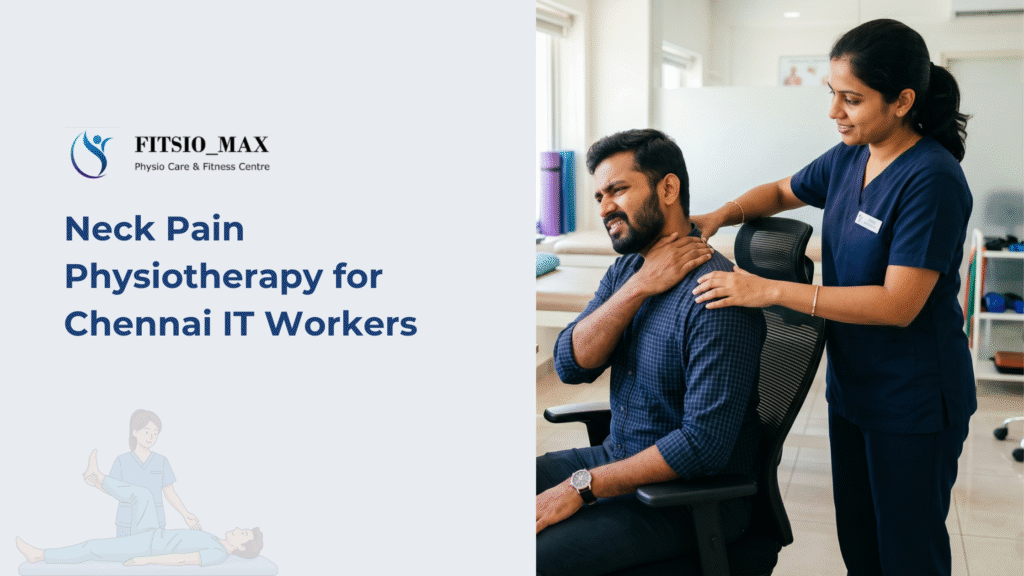
Neck and Shoulder Pain Physiotherapy,Effective Exercises, Treatment, and Recovery Tips Along with professional care, home exercises and lifestyle adjustments support faster recovery. This guide explores expert tips, practical exercises, and strategies to manage neck and shoulder pain safely, helping you regain comfort, improve mobility, and maintain long-term wellness. Introduction Neck and shoulder pain is a common issue affecting millions of people, often caused by prolonged desk work, poor posture, sports injuries, or stress. These problems can make everyday activities uncomfortable, limit mobility, and reduce overall quality of life. At Fitsiomax Physiotherapy & Fitness Studio, our expert neck and shoulder pain physiotherapy provides effective solutions to relieve discomfort, restore mobility, and prevent recurring pain. By incorporating targeted physiotherapy exercises for neck pain, shoulder rehabilitation exercises, and upper back stretches, individuals can improve strength, flexibility, and posture. Understanding Neck and Shoulder Pain Neck and shoulder pain can result from muscle strain, cervical spine problems, poor posture, or repetitive stress. Common types of neck pain include cervical strain, stiffness, and tension caused by prolonged sitting or improper ergonomics. Pain often spreads to the upper back, emphasizing the importance of comprehensive cervical pain physiotherapy. At Fitsiomax, our personalized neck and shoulder pain treatment ensures patients receive targeted care to prevent chronic discomfort and restore normal daily function. Benefits of Physiotherapy for Neck and Shoulder Pain Pain Relief: Exercises such as neck mobility exercises and shoulder rehabilitation exercises help reduce muscle tension and discomfort. Improved Mobility: Stretching and strengthening routines increase flexibility and range of motion, making daily tasks easier. Posture Correction: Posture correction physiotherapy addresses misalignment and helps prevent recurring pain. Home Support: Guidance on home physiotherapy for neck pain and home physiotherapy for shoulder pain allows patients to  continue recovery safely at home. Overall Wellness: A consistent physiotherapy routine at Fitsiomax improves long-term health and prevents future injuries. Effective Physiotherapy Exercises Neck Exercises Gentle movements such as chin tucks, neck rotations, and side bends improve cervical flexibility. Incorporating physiotherapy exercises for neck pain and cervical pain physiotherapy techniques reduces stiffness, improves posture, and relieves upper back tension. Fitsiomax therapists guide each patient to ensure proper technique and safety. Shoulder Exercises Exercises like shoulder rolls, wall slides, and resistance band stretches strengthen muscles and increase flexibility. These shoulder rehabilitation exercises support shoulder pain relief physiotherapy, reduce discomfort, and prevent future injuries. Personalized programs at Fitsiomax target the exact muscles causing pain. Upper Back Stretches Incorporating upper back stretches like thoracic extensions and shoulder blade squeezes alleviates upper back pain and stiffness. Learning how to stretch upper back and how to relieve upper left side back pain ensures a complete recovery approach for neck, shoulder, and upper back discomfort under expert supervision at Fitsiomax. Home Physiotherapy Tips In addition to clinic sessions, home exercises are crucial for maintaining results. Perform neck and shoulder stiffness exercises daily, maintain proper posture throughout the day, and use heat or cold therapy for temporary relief. Following professional guidance from Fitsiomax for home physiotherapy for neck pain and home physiotherapy for shoulder pain ensures safe, effective recovery. How to Choose the Right Physiotherapy Program Selecting the right program requires: Expertise of therapists in neck and shoulder pain treatment at Fitsiomax. Customized exercises for cervical pain physiotherapy and upper back pain relief. Integration of clinic-based and home exercises for optimal recovery. Regular monitoring and adjustments to ensure continued progress. Conclusion Professional neck and shoulder pain physiotherapy at Fitsiomax is essential for long-term relief, improved mobility, and better quality of life. By combining expert guidance, targeted exercises, and home-based strategies, patients can alleviate pain, strengthen muscles, and restore proper posture. Incorporating neck mobility exercises, shoulder rehabilitation exercises, and upper back stretches into daily routines ensures faster recovery and reduces the risk of future injuries. Consult Fitsiomax Physiotherapy & Fitness Studio to design a personalized treatment plan and take the first step toward a pain-free, active lifestyle. Frequently Asked Questions 1.Which is the best physiotherapy clinic for neck and shoulder pain near me? The best physiotherapy clinic for neck and shoulder pain near you offers experienced physiotherapists, personalised assessment, and hands-on treatment. People searching for neck and shoulder pain physiotherapy near me in Chennai usually prefer clinics focused on pain relief, posture correction, and long-term recovery. 2.When should I consult a physiotherapist for neck and shoulder pain? You should consult a physiotherapist if neck or shoulder pain lasts more than a few days, increases with work or sleep, or limits arm and head movement. Early physiotherapy treatment helps prevent stiffness, nerve irritation, and chronic pain. 3.Can physiotherapy give lasting relief from neck and shoulder pain? Yes. Physiotherapy provides lasting relief from neck and shoulder pain by improving posture, strengthening supporting muscles, and restoring joint mobility. Unlike temporary pain relief methods, physiotherapy addresses the root cause of pain and reduces recurrence. 4.What causes neck and shoulder pain that needs physiotherapy? Physiotherapy commonly treats neck and shoulder pain caused by poor posture, long sitting hours, muscle tightness, nerve compression, sports injuries, and stress-related tension. Patients in Chennai often seek physiotherapy for both sudden pain and long-term stiffness. 5.How long does physiotherapy take to recover from neck and shoulder pain? Recovery time depends on pain severity and cause. Mild cases may improve within a few sessions, while chronic or posture-related neck and shoulder pain may need longer rehabilitation. A physiotherapist designs a recovery plan based on individual movement and pain levels. 6.Are physiotherapy exercises safe for neck and shoulder pain? Yes. Physiotherapy exercises for neck and shoulder pain are safe when guided by a professional. Exercises are selected based on pain level and mobility to reduce stiffness, improve strength, and avoid strain or worsening of symptoms. 7. Which is the best physiotherapist for neck and shoulder pain in Chennai? The best physiotherapist for neck and shoulder pain in Chennai is one with experience in musculoskeletal rehabilitation, posture correction, and pain management. Clinics like Fitsiomax focus on long-term relief, safe exercises, and functional recovery. The best physiotherapy clinic for neck and shoulder pain near you offers

best time to workout
Blog

 Best Time to Workout,Morning vs Evening Workouts

Best Time to Workout,Morning vs Evening Workouts Introduction The search for the best time to workout has always divided fitness lovers. Some prefer the calm of an early morning jog, while others enjoy evening sessions when energy levels are higher. At Fitsiomax, we help people identify the right training schedule based on goals and lifestyle. When asking when is the best time to exercise, there isn’t one fixed answer. Both morning and evening workouts bring unique benefits. In this blog, we explore morning vs evening workouts, their pros and cons, and how to find the best time of day to workout for fat loss, strength, or overall wellness. What Does Best Time to Workout Really Mean? The best time to work out depends on more than just the clock. Our bodies follow a natural circadian rhythm, which influences energy, hormones, and performance. That’s why some people love a morning gym session while others perform better in the evening. At Fitsiomax, we believe the best time to exercise is when you can do it consistently. If mornings fit your schedule, commit to them. If evenings give you better energy, train then. A regular workout habit is more powerful than choosing one “perfect” hour. Morning Workout Benefits A morning workout offers a fresh, disciplined start. Exercising before breakfast can boost metabolism, improve focus, and support fat loss. Many believe it’s the best time to exercise for weight loss, especially when paired with cardio or HIIT. See our Weight Loss Training Programs for structured morning routines.Morning exercise also builds long-term consistency. Since there are fewer distractions, you’re less likely to skip workouts. Research shows early training helps improve sleep quality too. For many Fitsiomax members, mornings bring discipline, focus, and energy for the whole day. Evening Workout Benefits Evenings are powerful for strength and endurance. The body is naturally warmer, making muscles and joints ready for strength training. Many clients achieve their personal best lifts and long runs during evening sessions. Explore our Strength Training Services designed for peak evening performance. Evening workouts also act as stress relief after work or study. If you ask is working out at night good or bad, the answer is mostly good unless you train too late and disturb sleep. Done at the right time, evenings are perfect for building power and endurance. Morning vs Evening Workouts,Pros and Cons The morning workout vs evening workout pros and cons debate shows both sides are valuable. Mornings help with fat loss, discipline, and consistency. Evenings support better strength, endurance, and flexibility. From a circadian rhythm perspective, mornings lean toward fat burning while evenings favor peak performance. At Fitsiomax, we help clients balance these factors and choose what suits their lifestyle best. Best Time to Exercise Based on Fitness Goals Your goals determine the best time to work out. If fat loss is the focus, morning training gives a head start, especially fasted cardio. Try our Cardio Fitness Programs for tailored guidance. If your aim is muscle gain or power, evenings are usually better. Studies confirm that morning or evening workout for muscle gain often favors evenings. Still, the ultimate choice depends on energy, consistency, and personal comfort. Why People Trust Their Workout Time Choices Most people trust their chosen workout time because it matches their lifestyle. A morning gym routine works well for early risers, while an evening gym habit suits night workers or late energy types. At Fitsiomax, we encourage members to find their natural rhythm. The truth is, is it better to workout in the morning or at night has no fixed rule. Consistency is key. Training at the same time daily helps your body adapt and deliver results, whether it’s sunrise or sunset. Conclusion Both mornings and evenings bring unique benefits. Mornings support fat loss, discipline, and improved sleep, while evenings enhance performance, strength, and stress relief. At Fitsiomax, we guide clients to find the best time to work out based on goals and energy levels.Instead of searching for one universal rule about when is the best time to exercise, choose the time you can commit to daily. Once consistency is built, results will follow naturally. Frequently Asked Questions 1.Which is the best time to workout for my body? The best time to workout depends on your body condition, lifestyle, and fitness goals. Some people perform better in the morning, while others feel stronger in the evening. A physiotherapy or fitness assessment helps identify the safest and most effective workout timing for your body. 2.Is morning workout better for weight loss? Morning workouts may support weight loss for some people by improving consistency and metabolism. However, the best results come from choosing a workout time that suits your energy levels and avoids injury, especially if you have joint pain or muscle stiffness. 3.Are evening workouts better for strength and performance? Evening workouts can feel easier because muscles are warmer and joints are more flexible. Many people experience better strength and endurance in the evening. If you have previous injuries, guided exercise planning helps reduce strain and improve performance safely. 4.Which workout time is better if I have knee pain or back pain? If you have knee pain or back pain, the best workout time depends on pain levels and stiffness patterns. Physiotherapists often recommend exercising when joints feel less stiff and muscles are well warmed up to reduce injury risk and improve movement quality. 5.Can the wrong workout time cause injuries? Yes. Working out at the wrong time, especially when your body is stiff or fatigued, can increase injury risk. People searching for workout guidance near me often benefit from physiotherapy-led exercise advice to prevent muscle strains, joint pain, and overuse injuries. 6.Should beginners choose morning or evening workouts? Beginners should choose a workout time they can follow consistently without pain or fatigue. Morning or evening both work, but a professional assessment helps beginners select safe workout timing, intensity, and recovery plans to avoid early injuries. 7.Who can help me decide the best time to

physiotherapy treatment for knee pain
Blog

Physiotherapy Treatment for Knee Pain,Lasting Relief and Recovery

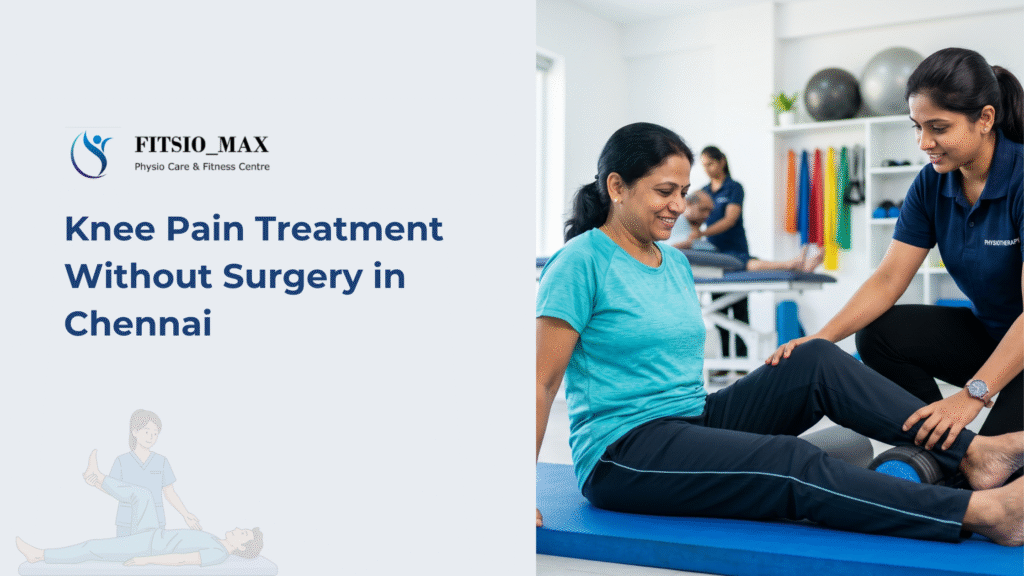
Physiotherapy Treatment for Knee Pain,Lasting Relief and Recovery Introduction Knee pain is one of the most common musculoskeletal problems affecting people of all ages from young athletes to older adults. Whether caused by sports injuries, arthritis, ligament tears, or poor posture, knee pain can severely limit mobility and affect quality of life. While painkillers or injections may provide short-term relief, they don’t solve the root cause. That’s why physiotherapy treatment for knee pain has become the most trusted, non-invasive, and long-term solution.At FitsioMax Physiotherapy & Fitness, we specialize in identifying the underlying causes of knee pain and offering customized recovery plans. What Is Physiotherapy Treatment for Knee Pain? Physiotherapy treatment for knee pain involves a combination of manual therapy, targeted exercises, posture correction, and advanced techniques that address the root cause of discomfort. Unlike temporary pain relief methods, physiotherapy focuses on restoring natural movement, strengthening weak muscles, and improving flexibility. Through a detailed assessment, physiotherapists create personalized programs that may include knee stretches, strengthening routines, and mobility drills. This approach ensures patients recover faster while minimizing the risk of recurring pain. Best Physiotherapy for Knee Pain: Why It Works When patients search for the best physiotherapy for knee pain, they are looking for results that last. Physiotherapists use evidence-based methods such as soft tissue release, joint mobilization, balance training, and knee pain physiotherapy treatment exercises. These techniques improve blood flow, reduce swelling, and restore proper joint function. Unlike surgery or medication, physiotherapy empowers patients to play an active role in their recovery, making it a sustainable and effective solution. To explore more about our holistic care, visit our Sports Injury Physiotherapy page. Physiotherapy for Knee Arthritis Arthritis is a leading cause of long-term knee pain, especially in older adults. Physiotherapy for knee arthritis focuses on reducing stiffness, improving joint lubrication, and strengthening supporting muscles. Gentle knee stretches and knee strengthening exercises relieve pressure on the joints, allowing patients to walk and perform daily activities with less discomfort.Home-based programs like physiotherapy exercises for knee arthritis also help patients maintain mobility between clinical sessions. Learn more on our Arthritis Physiotherapy Treatment page. Physiotherapy for Knee Ligament Injury and Meniscus Tear Athletes and active individuals often suffer from ligament injuries or meniscus tears. These conditions can cause severe pain, swelling, and instability. Physiotherapy for knee ligament injury focuses on restoring stability, rebuilding strength, and preventing future damage. Similarly, physiotherapy for meniscus tear includes progressive strengthening, balance drills, and functional training to help patients return to sports safely. With expert guidance, athletes can regain confidence in their movements without relying on invasive treatments. Home Physiotherapy Exercises for Knee Pain For many patients, recovery continues beyond clinic visits. Home physiotherapy exercises for knee pain play a crucial role in maintaining strength and flexibility. Common routines include stretches for knee pain to improve mobility and knee strengthening exercises to stabilize the joint. By following a structured home plan, patients can speed up recovery and reduce the chances of recurring knee issues. Physiotherapy for Knee Joint Pain and Swelling Sometimes, knee pain is accompanied by swelling or joint inflammation. Physiotherapy treatment for knee joint pain addresses both discomfort and mobility loss. Therapists often use techniques such as cold therapy, ultrasound, and manual drainage to reduce swelling. In cases of injuries, physiotherapy for knee swelling is essential to restore function and prevent stiffness. This makes recovery smoother and more effective. Physiotherapy for Patellar Pain and Sports Injuries Patellar pain, commonly known as runner’s knee, is frequent among athletes. Physiotherapy for patellar pain involves correcting movement patterns, strengthening the quadriceps, and teaching proper warm-up techniques. Similarly, physiotherapy for sports knee injuries ensures that athletes recover safely without losing performance. A structured rehabilitation plan helps them return stronger and lowers the risk of reinjury. Physiotherapy Exercises for Lasting Knee Health Beyond injury recovery, physiotherapy emphasizes long-term joint care. Patients are taught physiotherapy exercise for knee pain routines that keep the muscles strong, improve alignment, and enhance flexibility. Regular practice of knee pain exercises prevents chronic pain and promotes overall joint health.By making physiotherapy a part of daily routine, individuals can enjoy lasting relief and stay active without fear of knee issues. Conclusion Knee pain should never be ignored, as it can progress into chronic conditions if untreated. The good news is that with physiotherapy treatment for knee pain, patients have access to safe, effective, and lasting recovery methods. From arthritis management to sports injury rehabilitation, physiotherapy addresses the root cause and empowers patients to live pain-free. At FitsioMax Physiotherapy & Fitness, our expert team designs customized treatment plans that combine advanced techniques with proven exercises. Explore our specialized Knee Pain Physiotherapy Treatment page or book your consultation today to take the first step towards stronger, healthier knees. Frequently Asked Questions 1.Which is the best physiotherapy clinic for knee pain near me? The best physiotherapy clinic for knee pain near you offers experienced physiotherapists, personalised assessment, and structured rehabilitation plans. People searching for knee pain physiotherapy near me in Chennai usually prefer clinics that focus on pain relief, movement correction, and long-term recovery. 2.When should I consult a physiotherapist for knee pain? You should consult a physiotherapist if knee pain lasts more than a few days, worsens with walking or stairs, or limits daily activities. Early physiotherapy treatment for knee pain helps prevent stiffness, weakness, and long-term joint problems. 3.Can physiotherapy give lasting relief from knee pain? Yes. Physiotherapy provides lasting relief from knee pain by strengthening supporting muscles, improving joint mobility, and correcting movement patterns. Unlike temporary pain relief methods, physiotherapy addresses the root cause of knee pain for long-term recovery. 4. What knee problems are treated with physiotherapy? Physiotherapy treats knee pain caused by arthritis, ligament injuries, meniscus issues, sports injuries, muscle weakness, and post-surgical stiffness. Patients searching for knee pain treatment in Chennai often choose physiotherapy for both acute and chronic knee conditions. 5. How long does physiotherapy take to recover from knee pain? Recovery time depends on the cause and severity of knee pain. Mild conditions

Scroll to Top