

Difficulty Getting Up from a Chair? Causes of Reduced Functional Mobility and Physiotherapy
Learn how vestibular physiotherapy may help dizziness and balance problems through assessment, gaze stabilisation and personalised rehabilitation.
Browse Fitsiomax articles about physiotherapy, rehabilitation, pain, movement and fitness. General information should be considered alongside an individual clinical assessment.
Learn how vestibular physiotherapy may help dizziness and balance problems through assessment, gaze stabilisation and personalised rehabilitation.

Learn how vestibular physiotherapy may help dizziness and balance problems through assessment, gaze stabilisation and personalised rehabilitation.

Learn how vestibular physiotherapy may help dizziness and balance problems through assessment, gaze stabilisation and personalised rehabilitation.

Gait abnormalities can affect walking and balance. Learn the causes and how physiotherapy may help improve mobility. Explore care at Fitsiomax Chennai.

Balance Problems and Frequent Falls in Older Adults: How Physiotherapy Can Help Introduction Maintaining balance is essential for walking safely, climbing stairs, getting out of bed and performing everyday activities. As people age, changes in muscle strength, coordination, vision, sensation and reaction time can make these movements more difficult. For some older adults, these changes lead to balance problems in older adults and an increased risk of falls. Frequent falls can affect confidence and independence. Some older adults may begin avoiding walking outdoors, using stairs or participating in activities they previously enjoyed because they are afraid of falling again. The good news is that many balance and mobility difficulties can be assessed and managed with an appropriate treatment plan. Physiotherapy for balance problems may help improve strength, coordination, walking ability and confidence while supporting safer movement. At Fitsiomax Physio & Fitness Studio, a physiotherapy assessment can help identify movement difficulties and determine suitable exercises and rehabilitation strategies based on an individual’s needs. What Are Balance Problems in Older Adults? Balance problems occur when a person has difficulty maintaining a stable position while standing, walking, turning or changing positions. These difficulties may become more noticeable with age, particularly when several physical or medical factors affect movement. Common signs of poor balance in elderly people include: Feeling unsteady while standing or walking. Holding walls, furniture or other objects for support. Difficulty getting up from a chair or bed. Feeling unstable when turning or changing direction. Taking shorter or slower steps. Difficulty walking on uneven surfaces. Experiencing repeated near-falls or actual falls. Feeling anxious about walking without assistance. These symptoms should not automatically be considered a normal part of ageing. A healthcare professional can help identify possible causes and recommend appropriate care. What Causes Balance Problems in Older Adults? Several factors can contribute to balance problems and frequent falls in older adults. Identifying the underlying cause is an important step towards safer movement. 1. Reduced Muscle Strength Age-related muscle weakness, particularly in the legs and hips, can make it harder to stand up, climb stairs and recover balance after a small stumble. Lower-limb strengthening exercises, when appropriate, can help improve the strength needed for everyday activities. 2. Changes in Walking and Coordination Some older adults develop slower walking patterns, shorter steps or difficulty turning. These changes can affect stability and increase the risk of losing balance. A physiotherapist may assess walking patterns, turning ability and movement control before recommending suitable gait training for seniors. 3. Joint Pain and Stiffness Knee pain, hip pain, arthritis and other joint problems can affect the way a person walks. When movement becomes painful, an individual may place more weight on one side or change their walking pattern, potentially affecting stability. Treatment may include appropriate mobility exercises, strengthening and pain-management strategies based on the individual’s condition. 4. Vision and Sensory Changes Vision helps the body understand its position in the surrounding environment. Changes in eyesight or sensation in the feet can make it more difficult to recognise obstacles, judge distances or maintain balance. An assessment may identify the need for additional medical evaluation, suitable footwear or environmental adjustments. 5. Medication and Medical Conditions Some medicines may cause dizziness, drowsiness or a drop in blood pressure when standing. Neurological conditions, inner-ear problems and other medical conditions may also contribute to poor balance. Older adults should discuss new or recurring symptoms with their healthcare professional. Medicines should not be stopped or changed without medical advice. 6. Fear of Falling After a fall or near-fall, a person may become afraid of walking or moving independently. Reduced activity can contribute to further muscle weakness and loss of confidence. A gradual, supervised rehabilitation programme may help rebuild movement confidence while addressing safety concerns. Why Are Frequent Falls in Older Adults a Concern? A fall can cause bruising, fractures, head injuries and a loss of confidence. Even when an injury is not immediately apparent, repeated falls may indicate an underlying problem that needs attention. Possible consequences include: Reduced independence in daily activities. Difficulty walking outdoors or climbing stairs. Avoidance of exercise and social activities. Reduced leg strength and mobility. Increased fear of falling. Greater reliance on family members or caregivers. Frequent falls in older adults should not be ignored. A healthcare professional can assess possible contributing factors and recommend appropriate interventions. Seek urgent medical attention after a fall involving a head injury, loss of consciousness, severe pain, suspected fracture or inability to bear weight. Sudden balance loss accompanied by facial weakness, speech difficulty or one-sided weakness is also a medical emergency. How Can Physiotherapy Help With Balance Problems? Physiotherapy can help older adults improve movement, strength and functional ability. The treatment plan depends on the person’s health, fall history, mobility, symptoms and personal goals. 1. Balance Assessment A physiotherapist may assess standing balance, walking, turning, transfers and the ability to perform everyday movements safely. The assessment may also consider leg strength, joint mobility, footwear, previous falls and the need for walking assistance. A suitable plan can then be developed according to the individual’s abilities and risks. 2. Strength and Balance Training Strength and balance training may help improve the control needed for standing, walking and changing direction. Depending on the assessment, exercises may include: Supported sit-to-stand practice. Gentle lower-limb strengthening. Weight-shifting activities. Supported standing balance exercises. Controlled stepping practice. Functional movements used in daily activities. Exercises should be adapted to the person’s condition and performed with appropriate support. Challenging balance exercises should not be attempted alone if there is a risk of falling. 3. Gait Training for Seniors Gait training focuses on walking safely and efficiently. It may involve practising step length, walking speed, turning, changing direction and moving around obstacles in a controlled environment. A physiotherapist can also assess whether a walking stick, walker or another assistive device may be appropriate and help the individual learn to use it safely. 4. Mobility Exercises for Older Adults Stiff joints and restricted movement can make everyday activities more difficult. Suitable mobility exercises may help
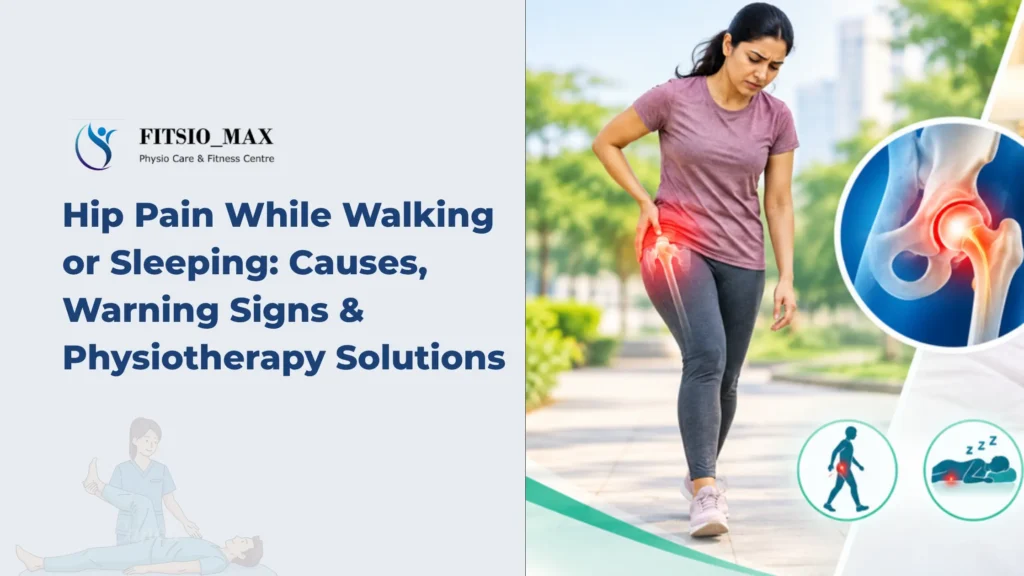
Hip Pain While Walking or Sleeping: Causes, Warning Signs & Physiotherapy Solutions Introduction Hip pain while walking or sleeping can make everyday activities difficult. You may feel discomfort when climbing stairs, getting out of bed, sitting for long periods or lying on your side at night. Sometimes the pain starts gradually because of muscle strain or joint problems. In other cases, it may follow an injury or occur alongside lower-back pain. Understanding the possible causes of hip pain while walking and sleeping can help you decide when to seek professional advice. The location of the pain, how long it has lasted and which movements make it worse can provide useful clues, although symptoms alone cannot confirm a diagnosis. At Fitsiomax Physio & Fitness Studio, Chennai, physiotherapy assessment can help identify movement limitations and guide appropriate rehabilitation. This guide explains common causes, warning signs, home-care measures and how physiotherapy may support hip pain management. What Causes Hip Pain While Walking or Sleeping? The hip joint supports body weight and allows you to walk, sit, stand and change direction. Pain can develop when the joint, surrounding muscles, tendons or other tissues become irritated or injured. Common possible causes include: 1. Hip muscle strain A sudden increase in exercise, running, lifting or an awkward movement can strain muscles around the hip. Pain may become noticeable when walking, lifting the leg or getting up from a chair. 2. Hip bursitis and outer hip pain Bursae are small fluid-filled structures that help reduce friction around joints. Greater trochanteric pain syndrome, which may involve the gluteal tendons and nearby bursa, can cause pain on the outside of the hip. Symptoms may worsen when lying on the affected side, walking or climbing stairs. 3. Hip osteoarthritis Hip osteoarthritis involves changes in the joint that can cause pain, stiffness and reduced movement. People may notice discomfort when walking, standing for long periods or getting out of bed after resting. 4. Hip tendon problems Irritation or injury involving the tendons around the hip may cause pain during specific movements or activities. The location depends on which tendon is affected. 5. Lower-back-related pain Problems involving the lower back can sometimes cause pain around the buttock or hip. Nerve irritation may also produce tingling, numbness or pain travelling down the leg. 6. Injury or fracture Falls, direct impacts and other injuries can damage the bones or soft tissues around the hip. A fracture must be considered when severe pain occurs after an injury, particularly in older adults or people with fragile bones. Who Is More Likely to Experience Hip Pain? Hip pain can affect people of different ages and activity levels. Some common situations include: Office workers: Long periods of sitting may aggravate existing hip or lower-back discomfort. Athletes and fitness enthusiasts: Repetitive movements or sudden increases in training can strain muscles and tendons. Older adults: Osteoarthritis and falls may increase the likelihood of hip problems. People recovering from surgery: Changes in strength, mobility and activity may require supervised rehabilitation. People with previous injuries: Earlier injuries may affect movement and activity tolerance. These factors do not automatically mean someone has a hip condition. Assessment is important to understand the actual cause. How Can Physiotherapy Help Hip Pain? Physiotherapy may help reduce movement-related discomfort, improve flexibility and strength, and support a return to everyday activities when suitable for the underlying condition. A physiotherapist may assess your walking pattern, hip movement, muscle strength, balance and functional limitations. The treatment plan should reflect the assessment findings, your medical history and your recovery goals. Common physiotherapy approaches Mobility exercises: Gentle, appropriate movements may help improve comfortable hip mobility. Strengthening exercises: Progressive exercises for the hip and surrounding muscles may improve strength and support daily activities. Stretching: Selected stretches may help when muscle tightness contributes to symptoms. Not every hip condition benefits from stretching, so avoid forcing painful movements. Gait and movement training: A physiotherapist may help you modify walking patterns or practise everyday movements when appropriate. Manual therapy: Certain hands-on techniques may provide short-term symptom relief as part of a broader rehabilitation plan. Activity modification: Adjusting exercise intensity, taking movement breaks and temporarily avoiding aggravating activities may help manage symptoms. Physiotherapy is not a guaranteed cure for every cause of hip pain. Some conditions require medical investigation, medication, imaging or other treatment. What Can You Do at Home to Manage Hip Pain? If symptoms are mild, there are no warning signs and movement is comfortable, these general measures may help: Keep moving gently: Avoid prolonged bed rest, but do not push through severe pain. Reduce aggravating activities: Temporarily modify movements that consistently worsen symptoms. Take regular breaks: Change position during long periods of sitting. Use a comfortable sleeping position: Try a pillow between your knees when side sleeping, if comfortable. Return to exercise gradually: Increase activity according to your symptoms and professional advice. Avoid unsupervised painful exercises: Stop any exercise that sharply increases pain or causes new numbness or weakness. If the pain persists or keeps returning, arrange an assessment rather than relying on home remedies alone. When Should You Seek Medical Help for Hip Pain? Seek urgent medical care if you experience: Sudden, severe hip pain after a fall or injury. Inability to walk or put weight on the affected leg after an injury. Hip pain with fever, chills or a hot, swollen joint. New or rapidly worsening weakness or numbness. Arrange a timely medical assessment for persistent or worsening pain, unexplained night pain, repeated sleep disturbance or difficulty with everyday activities. Unexplained weight loss or a history of cancer alongside persistent pain also warrants prompt medical attention. Why Choose Fitsiomax Physio & Fitness Studio in Chennai? Fitsiomax Physio & Fitness Studio serves Chennai through its Anna Nagar, T. Nagar, Parrys and ECR branches. If hip pain is affecting your walking, sleep, work or exercise, a physiotherapy assessment may help identify suitable next steps. Care should be tailored to the cause of the symptoms, movement limitations and individual recovery goals. A qualified professional

Prepare for hip pain physiotherapy in Chennai: learn what to discuss at assessment, how an exercise plan is selected and how progress is reviewed.

Piriformis Syndrome vs Sciatica: Key Differences, Symptoms & Physiotherapy Treatment Introduction Pain that starts in the buttock and travels down the leg can make sitting, walking, working and exercising uncomfortable. Many people wonder whether they have piriformis syndrome or sciatica because both conditions can cause similar symptoms, including shooting pain, tingling and discomfort while sitting. Understanding the difference between piriformis syndrome vs sciatica can help you recognise possible causes and seek the right assessment. Piriformis syndrome may occur when the piriformis muscle in the buttock irritates the nearby sciatic nerve. Sciatica, however, describes symptoms associated with irritation or compression of the sciatic nerve, often related to a problem in the lower spine. At Fitsiomax Physio & Fitness Studio, Chennai, physiotherapy assessment can help identify movement difficulties and guide an appropriate recovery plan. This guide explains the symptoms, possible causes, treatment options and practical steps you can take to manage discomfort safely. What Is Piriformis Syndrome? Piriformis syndrome is a condition in which the piriformis muscle, located deep in the buttock, is suspected of irritating the nearby sciatic nerve. The muscle helps rotate the hip and supports movements such as walking and changing direction. When the buttock area becomes painful or sensitive, sitting for long periods, climbing stairs or performing certain hip movements may become uncomfortable. However, similar symptoms can result from other hip, nerve or lower-back conditions. A healthcare professional should assess the cause before treatment begins. What Is Sciatica? Sciatica refers to pain associated with irritation or compression of the sciatic nerve or its nerve roots. The discomfort commonly travels from the lower back or buttock down one leg. A herniated disc or narrowing around the spinal nerves can contribute to symptoms. People may experience sharp, burning or electric-like pain, tingling, numbness or weakness. Symptoms vary depending on the underlying cause. Sciatica is not a diagnosis that automatically identifies one specific injury. Piriformis Syndrome vs Sciatica: Key Differences Feature Piriformis syndrome Sciatica Possible source Piriformis muscle and surrounding tissues Irritation of the sciatic nerve or its roots Common pain area Deep buttock, sometimes extending down the leg Lower back or buttock, often extending down the leg Sitting May aggravate buttock pain May aggravate symptoms in some people Possible causes Local muscle or tissue irritation; diagnosis requires care Disc problems, spinal narrowing and other causes of nerve irritation Treatment Depends on the confirmed cause and symptoms Depends on the underlying cause and severity Important: These conditions can overlap in their symptoms. No single symptom or home test can reliably distinguish them. What Causes Piriformis Syndrome and Sciatica? Possible contributing factors include: Prolonged sitting: Long desk-working hours or extended travel may aggravate buttock or back discomfort. Repetitive exercise: Running, cycling or repeated hip movements can sometimes provoke symptoms. Lower-back conditions: A herniated disc or spinal narrowing may irritate nerve roots. Sudden changes in activity: Increasing training intensity without adequate preparation may contribute to discomfort. Movement and strength difficulties: Certain mobility or muscle-control issues may affect how the hip and lower back tolerate activity. These factors do not confirm a diagnosis. A proper assessment helps determine which factors are relevant to an individual. What Are the Common Symptoms? Piriformis syndrome and sciatica may cause overlapping symptoms, including: Deep buttock pain. Pain radiating from the buttock into the thigh or lower leg. Tingling or numbness in the leg or foot. Discomfort after sitting for long periods. Pain during walking, bending or changing position. Pain extending below the knee, altered sensation or weakness may indicate nerve involvement and should be assessed. Symptoms alone cannot establish whether the piriformis muscle or the lower spine is responsible. Who Is at Risk? Office workers who sit for extended periods, drivers, runners, cyclists and people returning to sport may experience symptoms affecting the buttock, hip or lower back. Older adults may also experience nerve-related pain associated with age-related spinal changes. People recovering from surgery or an injury may develop movement limitations that require individualised rehabilitation. However, these groups are not automatically more likely to have piriformis syndrome; the underlying cause needs to be evaluated. How Can Physiotherapy Help? Physiotherapy can help manage symptoms, improve movement and support a gradual return to daily activities when appropriate for the underlying condition. A physiotherapist may assess your posture, walking pattern, hip and spinal movement, strength, sensation and relevant medical history. The treatment plan will depend on the findings rather than simply the location of the pain. Physiotherapy treatment methods Mobility exercises: Gentle, individually selected movements may help improve comfortable hip and lower-back movement. Stretching: Appropriate stretches may reduce movement-related discomfort in some cases. Aggressive stretching can aggravate symptoms. Strengthening exercises: Progressive exercises may improve hip, trunk and leg strength where indicated. Nerve mobility exercises: Specific nerve-gliding movements may be recommended for selected patients following assessment. Manual therapy: Certain hands-on techniques may provide short-term symptom relief when clinically appropriate. Activity and posture guidance: Adjusting sitting habits, work breaks and exercise loads may help reduce aggravating activities. Physiotherapy does not guarantee that surgery can be avoided. Persistent or severe symptoms may require medical assessment, investigations or additional treatment. Safe Home Care and Prevention Tips If symptoms are mild and there are no warning signs, consider these general measures while arranging appropriate advice: Break up long sitting periods. Stand, change position or walk briefly at regular intervals. Stay gently active. Choose comfortable movement rather than prolonged bed rest, provided activity does not worsen symptoms. Avoid painful stretches. Stop any movement that increases shooting pain, tingling or numbness. Return to exercise gradually. Increase training intensity according to symptoms and recovery. Use a comfortable working position. Adjust your chair and screen to support a relaxed, sustainable posture. Follow an individualised exercise plan. Exercises should match the cause of symptoms and your physical abilities. These steps may help with comfort, but they do not replace a clinical assessment. When Should You Consult a Physiotherapist? Arrange an assessment if buttock or leg pain persists, repeatedly returns, affects sleep or limits walking, work or exercise. Seek urgent medical

Sciatica Pain Shooting Down Your Leg? What You Should Do Next Introduction Pain that starts in your lower back and travels through your buttock and down your leg can make sitting, walking, sleeping, and even simple daily activities uncomfortable. This pattern of lower back and leg pain is commonly associated with sciatica. Sciatica can happen when the sciatic nerve or its nerve roots become irritated or compressed. The symptoms can vary from mild discomfort to sharp, burning, or electric-shock-like pain. The good news is that many people with sciatica can improve with appropriate conservative care. Sciatica physiotherapy focuses on identifying contributing factors, reducing symptoms, improving movement, and gradually rebuilding strength and function. If your pain is persistent, keeps returning, or is affecting your daily life, a qualified physiotherapist can assess your condition and recommend an appropriate rehabilitation plan. What Is Sciatica? Sciatica refers to symptoms caused by irritation or compression affecting the sciatic nerve or its nerve roots. The sciatic nerve is one of the largest nerves in the body. It travels from the lower spine through the buttocks and into the leg. When the nerve or one of its roots is irritated, symptoms may travel along part of this pathway. Sciatica is not simply ordinary back pain. A person may experience: Lower back pain Buttock pain Pain travelling down one leg Tingling or pins and needles Numbness Burning or electric-like sensations Leg weakness in some cases The exact symptoms depend on which nerve structures are involved. What Causes Sciatica Pain? Several conditions can contribute to sciatic nerve irritation. 1. Disc Problems A bulging or herniated disc in the lower spine can sometimes irritate a nearby nerve root. 2. Spinal Narrowing Changes that narrow the space around spinal nerves can contribute to nerve irritation, particularly as people age. 3. Movement and Posture Factors Poor movement patterns, prolonged sitting or repeated bending and lifting may contribute to back problems in some people. 4. Age-Related Changes The spine naturally changes with age. These changes can sometimes affect the structures surrounding the nerves. 5. Reduced Strength and Mobility Weakness around the trunk, hips or legs and reduced movement can affect how the body handles everyday physical demands. 6. Injury or Physical Strain Sports, lifting, sudden movements or repetitive work may trigger symptoms in some individuals. Importantly, the cause of sciatica is not always obvious from symptoms alone. A professional assessment can help determine the most appropriate next step. What Does Sciatica Pain Feel Like? Sciatica symptoms can feel different from person to person. Common descriptions include: Sharp pain Burning pain Tingling Numbness Electric-shock-like sensations Pain travelling from the lower back or buttock into the leg Leg heaviness or weakness Some people notice that symptoms become worse after prolonged sitting, certain movements, coughing or sneezing. Others may mainly experience leg symptoms rather than significant lower back pain. If you have persistent shooting leg pain, it is worth getting assessed rather than repeatedly treating the symptoms without understanding the underlying problem. Why Does Pain Shoot Down the Leg? The sciatic nerve is formed by nerve roots originating from the lower part of the spine. When one of these nerve roots becomes irritated, the brain may perceive symptoms along the pathway of the nerve. This is why sciatica can produce pain away from the original source. For example, a person may have a problem involving the lower back but mainly notice pain in the: Lower back → Buttock → Thigh → Calf → Foot Not everyone experiences symptoms throughout the entire leg. Can Physiotherapy Help Sciatica? Yes, physiotherapy can be an important part of sciatica rehabilitation for many people. The goal of physiotherapy is not simply to reduce pain temporarily. A structured rehabilitation program may help you: Manage pain Improve spinal and hip mobility Restore movement confidence Improve muscle strength Improve posture and movement habits Return to normal daily activities Reduce the risk of recurring problems Your physiotherapist will consider your symptoms, movement, strength, activity level and functional limitations before selecting exercises or treatment techniques. There is no single exercise or treatment that works for every person with sciatica. How Does Sciatica Physiotherapy Work? A typical physiotherapy assessment may include an evaluation of: Pain location and intensity Symptoms travelling into the leg Spinal and hip movement Muscle strength Flexibility and mobility Walking pattern Posture and movement habits Daily activities that increase symptoms Based on the assessment, your physiotherapist may develop a personalised sciatica physiotherapy treatment plan. Pain Management Depending on the presentation, physiotherapy may use appropriate techniques to help manage pain and improve movement. Mobility Exercises Gentle, controlled movements may help improve mobility and reduce movement-related stiffness. Strengthening Progressive strengthening can help improve the capacity of the back, hips and legs to handle daily activities. Movement Correction Your physiotherapist may identify movements or positions that aggravate your symptoms and teach you safer movement strategies. Functional Rehabilitation The focus can gradually progress from basic movements to walking, work activities, exercise and other daily tasks. What Exercises Are Good for Sciatica? There is no universal list of exercises for sciatica because the best movements depend on the cause and your individual symptoms. Depending on the assessment, a physiotherapist may recommend exercises involving: Gentle spinal mobility Hip mobility Core strengthening Glute strengthening Lower-limb strengthening Neural mobility exercises Walking and gradual activity progression Exercises should be introduced according to your symptoms and functional ability. If a particular exercise significantly increases your leg pain, numbness or other symptoms, stop and discuss it with a qualified healthcare professional. The goal of sciatica exercises is controlled, progressive movement—not pushing through severe symptoms. Can Sciatica Be Treated Without Surgery? Many cases of sciatica can be managed conservatively, depending on the underlying cause and severity. Conservative sciatica treatment may include: Physiotherapy Appropriate activity modification Exercise-based rehabilitation Pain-management strategies Education about posture and movement Gradual return to normal activities However, surgery may be considered in specific situations, particularly when there is significant or progressive neurological impairment or when symptoms do not improve with appropriate conservative
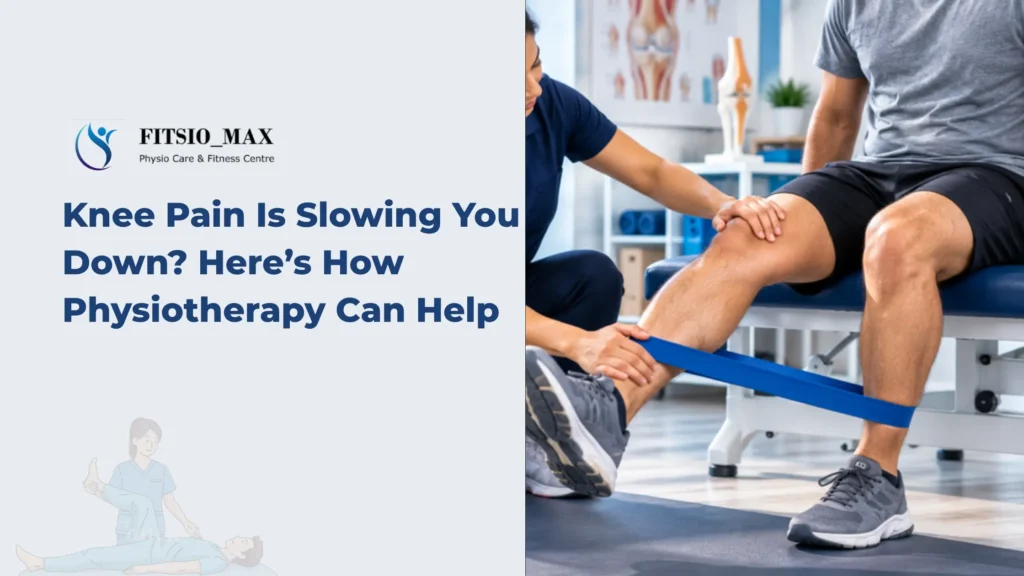
Knee Pain Is Slowing You Down? Here’s How Physiotherapy Can Help Introduction Knee pain can make simple activities surprisingly difficult. Walking, climbing stairs, getting up from a chair, exercising, or even standing for long periods may become uncomfortable. For some people, the pain starts after a sports injury or sudden movement. For others, it develops gradually due to repetitive strain, muscle weakness, reduced mobility, previous injury, or age-related changes. If your knee pain keeps coming back or is affecting your normal routine, knee pain physiotherapy may help you manage the problem and improve your movement. Physiotherapy is not simply about treating pain. A qualified physiotherapist can assess your movement, muscle strength, flexibility, joint function, and activity level before developing an appropriate rehabilitation plan. At Fitsiomax Physiotherapy & Fitness Centre, patients across Chennai can receive personalized physiotherapy and rehabilitation support based on their individual needs and goals. What Causes Knee Pain? Knee pain can have many causes, and the treatment that works for one person may not be appropriate for another. Common causes and contributing factors include: Sports injuries Muscle or tendon strain Previous knee injuries Repetitive physical activity Sudden increases in exercise Muscle weakness Reduced flexibility Poor movement mechanics Age-related joint changes Osteoarthritis Prolonged inactivity Recovery after knee surgery For example, an office worker who suddenly starts exercising after months of inactivity may develop knee discomfort because the body has not had time to adapt to the increased workload. Similarly, an athlete may develop pain after repeatedly placing stress on the knee during training. Understanding why the knee hurts is an important part of choosing appropriate treatment. What Are the Common Symptoms of Knee Pain? Knee problems can cause different symptoms depending on the underlying condition. You may experience: Pain while walking Difficulty climbing or descending stairs Knee stiffness Swelling Reduced range of movement Pain when standing after sitting Discomfort during exercise Weakness around the knee Difficulty squatting Pain that gets worse with certain activities If symptoms persist or progressively interfere with your daily activities, consider getting your knee assessed rather than repeatedly ignoring the problem. Who Is More Likely to Develop Knee Pain? Knee pain can affect people of different ages and activity levels. You may have a higher risk of knee problems if you: Participate in sports Perform repetitive physical work Spend long periods inactive Have previously injured your knee Suddenly increase your exercise intensity Have reduced muscle strength Have difficulty maintaining normal joint movement Are recovering from knee surgery Experience age-related joint changes This does not mean that knee pain is unavoidable. Appropriate activity, gradual strengthening, mobility, and professional guidance may help support healthy movement. How Does Knee Pain Physiotherapy Work? Knee pain physiotherapy starts with understanding your symptoms and identifying movement or physical limitations that may be contributing to your problem. A physiotherapist may assess: Knee movement Muscle strength Flexibility Balance Walking pattern Joint function Functional movements Exercise technique Activity levels Based on the assessment, your physiotherapist can develop a rehabilitation programme appropriate for your condition. The goal is not necessarily to perform as many exercises as possible. The goal is to use the right exercises and treatment methods for your specific needs. Following a knee or hip operation, your programme must also follow your surgeon’s movement and weight-bearing restrictions. See our post-surgery knee and hip rehabilitation service in Chennai for assessment and appointment details. What Treatments Are Used for Knee Pain? 1. Strengthening Exercises Weak muscles around the knee, hip, and lower limb can affect movement and physical function. Your physiotherapist may prescribe knee-strengthening exercises based on your condition and current ability. Exercises can be gradually progressed as your strength and tolerance improve. 2. Mobility Exercises Knee stiffness can make walking, squatting, climbing stairs, and other activities difficult. Appropriate mobility exercises may help improve movement when stiffness is contributing to your limitations. 3. Stretching Reduced flexibility in surrounding muscles may affect how you move. A physiotherapist may include specific stretching exercises when they are appropriate for your condition. 4. Movement and Exercise Correction Sometimes the way you perform an activity can place unnecessary stress on the knee. Your physiotherapist may guide you on movement patterns, exercise technique, lifting, squatting, walking, or other activities relevant to your lifestyle. 5. Manual Therapy Hands-on techniques may be included when clinically appropriate to support mobility and symptom management. Manual therapy is generally used alongside active rehabilitation rather than as the only form of treatment. 6. Progressive Rehabilitation As your knee becomes stronger and your movement improves, your program can be progressed. For an athlete, rehabilitation may eventually include sport-specific movements. For an older adult, the focus may be on walking, balance, stairs, and everyday activities. What Exercises Are Good for Knee Pain? There is no single exercise that is suitable for every type of knee pain. Depending on your assessment, a physiotherapist may recommend exercises involving: Quadriceps strengthening Hamstring strengthening Hip strengthening Controlled knee movements Balance exercises Flexibility exercises Functional exercises Gradual resistance training Avoid copying an exercise program from the internet without considering the cause of your knee pain. An exercise that helps one condition may aggravate another. If an exercise causes significant or worsening pain, stop and seek professional guidance. Can Physiotherapy Help Knee Arthritis? Physiotherapy can be part of managing knee osteoarthritis by supporting strength, mobility, physical function, and activity. For people with knee arthritis, appropriate strengthening and movement exercises may help them remain active and manage difficulties associated with the condition. Treatment should be personalized according to symptoms, joint function, age, activity level, and overall health. Physiotherapy does not guarantee that arthritis will disappear, but it can be an important part of a broader management and rehabilitation plan. Can Physiotherapy Reduce Knee Pain Without Surgery? In some cases, physiotherapy may help manage knee pain without surgery, depending on the underlying cause and severity of the condition. A physiotherapy program may focus on: Improving strength Maintaining mobility Managing physical activity Improving movement patterns Building exercise tolerance Supporting functional recovery However, not every knee problem can