

Fitsiomax

Blog

Browse Fitsiomax articles about physiotherapy, rehabilitation, pain, movement and fitness. General information should be considered alongside an individual clinical assessment.

Cardio vs Strength Training
Blog

Cardio vs Strength Training,Choosing the Right Approach for Your Fitness Goals

Cardio vs Strength Training: Choosing Your Workout Introduction Choosing the right fitness routine can feel overwhelming, especially when comparing cardio vs strength training. Both offer unique benefits cardio boosts endurance and supports fat loss, while strength training builds lean muscle, enhances metabolism, and strengthens bones. Deciding which to prioritize depends on your personal goals, whether it’s weight management, muscle gain, cardiovascular health, or overall wellness. Beginners often ask if cardio alone is best for weight loss, but combining both approaches is usually more effective.  The key lies in balancing timing, frequency, and intensity. Explore our beginner-friendly home workout routines tailored to different fitness levels and goals. The Benefits of Cardio Workouts Cardio exercises elevate your heart rate through activities like running, cycling, swimming, or rowing. They are excellent for weight loss, improving cardio exercises for heart health, and enhancing stamina. Regular cardio releases endorphins, supporting cardio workouts for mental health and improving overall mood, energy, and motivation. Adding variety to your cardio routine prevents boredom and keeps workouts enjoyable, which helps you stay consistent for long-term results. For beginners, simple exercises like brisk walking, stationary cycling, or light jogging (best cardio exercises for beginners) are effective. If you have no equipment, try jumping jacks, burpees, high knees, or mountain climbers (home cardio workouts without equipment). For structured guidance, see our home cardio workout plans with routines suited for different fitness levels. Professional Insight: Cardio not only burns calories but also strengthens lungs, improves circulation, and boosts endurance. Short sessions of 20–30 minutes, performed consistently, offer substantial long-term benefits. For variety and advanced routines, check our HIIT programs, which combine high-intensity bursts with recovery periods for maximum fat burn. Key Benefits of Cardio Burns calories and promotes fat loss Strengthens heart and lungs Improves mental clarity (cardio workouts for mental health) Enhances endurance and energy (cardio vs strength training for endurance) For sustainable fat loss, combine cardio with resistance exercises. Explore our full guide on fat loss strategies and check out our HIIT programs for effective, time-efficient workouts. Strength Training Building Muscle and Strength Strength training involves resistance exercises like weightlifting, resistance bands, or bodyweight workouts. Unlike cardio, it builds muscle, strengthens bones, and boosts metabolism (strength training for metabolism boost). Over time, strength training enhances functional strength, improves posture, and reduces the risk of injuries, which is vital for people of all ages. Women benefit from strength training benefits for women, improving muscle tone and bone density. Seniors gain improved mobility and balance (strength training for seniors), while everyone can reduce injury risk (strength training for injury prevention). Combining resistance exercises with proper nutrition accelerates results and enhances overall health. Professional Insight: Building lean muscle increases metabolism, aiding long-term weight management. Strength training also enhances posture, joint stability, and functional fitness. For an exercise library and step-by-step routines, see our strength training exercises library to access beginner to advanced programs tailored to individual needs. Key Benefits of Strength Training: Builds lean muscle and tones the body (strength training for muscle gain) Strengthens bones and enhances skeletal health (strength training for bone density) Boosts metabolism and aids fat loss (strength training vs cardio for fat loss) Improves posture, balance, and functional strength Structured programs are available via our strength training programs for all levels and can be paired with our nutrition guide for muscle gain. Personalized plans are available at custom training plans for optimal results. Cardio vs Strength Training: Making the Right Choice Your approach depends on your fitness objectives: Fat Loss: Moderate cardio combined with strength training maximizes calorie burn and preserves muscle. Check our fat-burning workout plan for guided routines. Muscle Gain: Emphasize strength training while including light cardio for heart health. For guidance, see our muscle building guide. Endurance: Focus on cardio but include strength exercises to maintain balanced strength. Overall Wellness: A combination of both supports heart health, muscle strength, and mental wellness. Regularly varying routines can also prevent plateaus and maintain motivation. Professional Tip: Consistency and enjoyment are essential. Include exercises you enjoy to maintain long-term adherence. Tracking progress with journals or apps can help measure results and adjust intensity. Use our fitness assessment guide to create a plan suitable for your goals and current fitness level. Strategies to Combine Cardio and Strength Training Effectively Alternate Workout Days: Dedicate days separately for cardio and strength to ensure recovery. Circuit Training: Combine both in one session to save time and maximize efficiency. Track Progress: Monitor heart rate, weights, reps, and endurance improvements. Adjust Intensity Gradually: Avoid injury by progressively increasing intensity. Prioritize Recovery and Nutrition: Adequate sleep, hydration, and protein intake are essential for sustainable progress. Conclusion Both cardio and strength training are essential for a well-rounded fitness program. Cardio improves heart health, endurance, and mental wellness, while strength training builds muscle, boosts metabolism, and strengthens bones. Combining both strategically ensures a results-driven program tailored to your goals and long-term health. Frequently Asked Questions 1.Which is better for my body: cardio or strength training? The right choice between cardio and strength training depends on your fitness goals, body condition, and injury history. Some people benefit more from cardio, while others need strength training. A physiotherapy or fitness assessment helps choose the safest and most effective approach for your body. 2.Should I do cardio or strength training for weight loss? Both cardio and strength training support weight loss in different ways. Cardio helps burn calories, while strength training improves muscle mass and metabolism. The best results come from choosing the right balance based on your body type and movement capacity. 3.Is strength training safe if I have joint pain? Strength training can be safe for people with joint pain when exercises are properly selected and guided. Physiotherapists often recommend controlled strength training to support joints, reduce pain, and prevent further injury, rather than avoiding exercise completely. 4.Can cardio cause knee or back pain? Cardio exercises like running or jumping can increase stress on the knees and back if done incorrectly. People experiencing pain often benefit from physiotherapy guidance
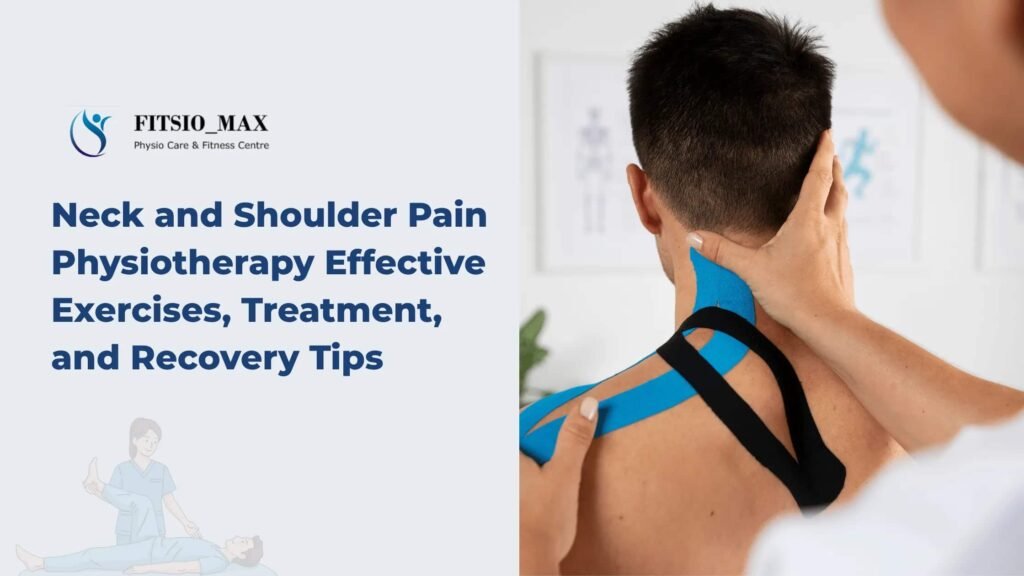

Neck and Shoulder Pain Physiotherapy
Blog

Neck and Shoulder Pain Physiotherapy,Effective Exercises, Treatment, and Recovery Tips

Neck and Shoulder Pain Physiotherapy: A Patient Guide This guide explains physiotherapy assessment, movement advice and individually selected exercises for neck and shoulder symptoms. Care recommendations depend on your symptoms and assessment; recovery times vary between people. Introduction Neck and shoulder symptoms can affect work, sleep and daily activities. A physiotherapy assessment considers your symptoms, medical history and movement before recommending care. The plan may include exercises and activity advice chosen for your needs; results vary. Understanding Neck and Shoulder Pain There are several possible causes of neck and shoulder symptoms, including muscle or joint problems and injuries. An online article cannot establish the cause. Explain when symptoms started, what makes them better or worse and any changes in movement to your healthcare professional. Benefits of Physiotherapy for Neck and Shoulder Pain Assessment: Discuss symptoms, daily activities and movement difficulties. Exercise guidance: Receive a plan suited to your assessment and goals. Activity advice: Discuss work and movement habits where relevant. Progress review: Review and adjust your plan at follow-up appointments. Home exercises: Follow your individual programme; Fitsiomax does not offer home physiotherapy visits. Exercise Options to Discuss After Assessment Neck Exercises Neck movement exercises may be included in an individual plan. Ask your physiotherapist which movements, range and frequency suit you, and request a demonstration. Do not force a movement or continue through worsening symptoms. Shoulder Exercises Shoulder movement and strengthening exercises should be selected around your symptoms, mobility and goals. Your clinician can explain suitable technique and progression. No single exercise prevents every future injury. Upper Back Stretches Upper-back movement exercises may be discussed if relevant to your assessment. Their suitability depends on your symptoms and health. Ask for guidance rather than assuming a stretch will address every cause of upper-back pain. Home Physiotherapy Tips Ask your physiotherapist which exercises are suitable for you and how often to practise them. Guided home exercises are different from a home-visit service. Fitsiomax offers clinic appointments and online consultation enquiries; home physiotherapy visits are unavailable. Read the NHS overview of physiotherapy assessment and care for general information. How to Choose the Right Physiotherapy Program Check the physiotherapist's qualifications and relevant experience. Ask how your symptoms and movement will be assessed. Discuss the purpose, possible benefits and risks of each care option. Confirm individual home exercises and review points. Ask about current charges and appointment availability. Conclusion If neck or shoulder symptoms affect your activities, contact Fitsiomax about an assessment. Explore our neck and shoulder physiotherapy information and Chennai clinic locations. Confirm appointment availability and current charges with your preferred clinic. Frequently Asked Questions 1.Which is the best physiotherapy clinic for neck and shoulder pain near me? Compare a clinic's physiotherapist qualifications, relevant experience, assessment process, location and appointment availability. Ask about the purpose and limits of proposed care and current charges before booking. 2.When should I consult a physiotherapist for neck and shoulder pain? If neck or shoulder symptoms persist, worsen or limit movement and daily activities, ask a healthcare professional about assessment. New or unexplained symptoms may need medical review before an exercise programme. 3.Can physiotherapy give lasting relief from neck and shoulder pain? Physiotherapy may help some people manage symptoms and improve movement. Results and recurrence vary between conditions and individuals; lasting pain relief cannot be guaranteed. 4.What causes neck and shoulder pain that needs physiotherapy? Muscle or joint problems and injuries can be associated with neck and shoulder symptoms. A clinical assessment helps decide whether physiotherapy is appropriate or another healthcare professional should review the cause. 5.How long does physiotherapy take to recover from neck and shoulder pain? Recovery time depends on the cause, symptom duration, overall health and response to care. Ask your physiotherapist to agree review points and individual goals rather than a fixed recovery deadline. 6.Are physiotherapy exercises safe for neck and shoulder pain? Exercises should be selected and adapted after assessment. Ask for technique, range and frequency guidance. Tell your clinician if symptoms worsen or a movement is not tolerable; no exercise is automatically safe for everyone. 7. Which is the best physiotherapist for neck and shoulder pain in Chennai? Look for verified qualifications, relevant experience and a clear assessment and follow-up process. Contact your preferred Fitsiomax clinic to ask about the treating physiotherapist and appointment availability. Compare a clinic's physiotherapist qualifications, relevant experience, assessment process, location and appointment availability. Ask about the purpose and limits of proposed care and current charges before booking. If neck or shoulder symptoms persist, worsen or limit movement and daily activities, ask a healthcare professional about assessment. New or unexplained symptoms may need medical review before an exercise programme. Physiotherapy may help some people manage symptoms and improve movement. Results and recurrence vary between conditions and individuals; lasting pain relief cannot be guaranteed. Muscle or joint problems and injuries can be associated with neck and shoulder symptoms. A clinical assessment helps decide whether physiotherapy is appropriate or another healthcare professional should review the cause. Recovery time depends on the cause, symptom duration, overall health and response to care. Ask your physiotherapist to agree review points and individual goals rather than a fixed recovery deadline. Exercises should be selected and adapted after assessment. Ask for technique, range and frequency guidance. Tell your clinician if symptoms worsen or a movement is not tolerable; no exercise is automatically safe for everyone. Look for verified qualifications, relevant experience and a clear assessment and follow-up process. Contact your preferred Fitsiomax clinic to ask about the treating physiotherapist and appointment availability.

best time to workout
Blog

 Best Time to Workout,Morning vs Evening Workouts

Best Time to Work Out: Morning vs Evening Introduction The search for the best time to workout has always divided fitness lovers. Some prefer the calm of an early morning jog, while others enjoy evening sessions when energy levels are higher. At Fitsiomax, we help people identify the right training schedule based on goals and lifestyle. When asking when is the best time to exercise, there isn’t one fixed answer. Both morning and evening workouts bring unique benefits. In this blog, we explore morning vs evening workouts, their pros and cons, and how to find the best time of day to workout for fat loss, strength, or overall wellness. What Does Best Time to Workout Really Mean? The best time to work out depends on more than just the clock. Our bodies follow a natural circadian rhythm, which influences energy, hormones, and performance. That’s why some people love a morning gym session while others perform better in the evening. At Fitsiomax, we believe the best time to exercise is when you can do it consistently. If mornings fit your schedule, commit to them. If evenings give you better energy, train then. A regular workout habit is more powerful than choosing one “perfect” hour. Morning Workout Benefits A morning workout offers a fresh, disciplined start. Exercising before breakfast can boost metabolism, improve focus, and support fat loss. Many believe it’s the best time to exercise for weight loss, especially when paired with cardio or HIIT. See our Weight Loss Training Programs for structured morning routines.Morning exercise also builds long-term consistency. Since there are fewer distractions, you’re less likely to skip workouts. Research shows early training helps improve sleep quality too. For many Fitsiomax members, mornings bring discipline, focus, and energy for the whole day. Evening Workout Benefits Evenings are powerful for strength and endurance. The body is naturally warmer, making muscles and joints ready for strength training. Many clients achieve their personal best lifts and long runs during evening sessions. Explore our Strength Training Services designed for peak evening performance. Evening workouts also act as stress relief after work or study. If you ask is working out at night good or bad, the answer is mostly good unless you train too late and disturb sleep. Done at the right time, evenings are perfect for building power and endurance. Morning vs Evening Workouts,Pros and Cons The morning workout vs evening workout pros and cons debate shows both sides are valuable. Mornings help with fat loss, discipline, and consistency. Evenings support better strength, endurance, and flexibility. From a circadian rhythm perspective, mornings lean toward fat burning while evenings favor peak performance. At Fitsiomax, we help clients balance these factors and choose what suits their lifestyle best. Best Time to Exercise Based on Fitness Goals Your goals determine the best time to work out. If fat loss is the focus, morning training gives a head start, especially fasted cardio. Try our Cardio Fitness Programs for tailored guidance. If your aim is muscle gain or power, evenings are usually better. Studies confirm that morning or evening workout for muscle gain often favors evenings. Still, the ultimate choice depends on energy, consistency, and personal comfort. Why People Trust Their Workout Time Choices Most people trust their chosen workout time because it matches their lifestyle. A morning gym routine works well for early risers, while an evening gym habit suits night workers or late energy types. At Fitsiomax, we encourage members to find their natural rhythm. The truth is, is it better to workout in the morning or at night has no fixed rule. Consistency is key. Training at the same time daily helps your body adapt and deliver results, whether it’s sunrise or sunset. Conclusion Both mornings and evenings bring unique benefits. Mornings support fat loss, discipline, and improved sleep, while evenings enhance performance, strength, and stress relief. At Fitsiomax, we guide clients to find the best time to work out based on goals and energy levels.Instead of searching for one universal rule about when is the best time to exercise, choose the time you can commit to daily. Once consistency is built, results will follow naturally. Frequently Asked Questions 1.Which is the best time to workout for my body? The best time to workout depends on your body condition, lifestyle, and fitness goals. Some people perform better in the morning, while others feel stronger in the evening. A physiotherapy or fitness assessment helps identify the safest and most effective workout timing for your body. 2.Is morning workout better for weight loss? Morning workouts may support weight loss for some people by improving consistency and metabolism. However, the best results come from choosing a workout time that suits your energy levels and avoids injury, especially if you have joint pain or muscle stiffness. 3.Are evening workouts better for strength and performance? Evening workouts can feel easier because muscles are warmer and joints are more flexible. Many people experience better strength and endurance in the evening. If you have previous injuries, guided exercise planning helps reduce strain and improve performance safely. 4.Which workout time is better if I have knee pain or back pain? If you have knee pain or back pain, the best workout time depends on pain levels and stiffness patterns. Physiotherapists often recommend exercising when joints feel less stiff and muscles are well warmed up to reduce injury risk and improve movement quality. 5.Can the wrong workout time cause injuries? Yes. Working out at the wrong time, especially when your body is stiff or fatigued, can increase injury risk. People searching for workout guidance near me often benefit from physiotherapy-led exercise advice to prevent muscle strains, joint pain, and overuse injuries. 6.Should beginners choose morning or evening workouts? Beginners should choose a workout time they can follow consistently without pain or fatigue. Morning or evening both work, but a professional assessment helps beginners select safe workout timing, intensity, and recovery plans to avoid early injuries. 7.Who can help me decide the best time

physiotherapy treatment for knee pain
Blog

Physiotherapy Treatment for Knee Pain,Lasting Relief and Recovery

What to Expect From Physiotherapy for Knee Pain Introduction Knee pain is one of the most common musculoskeletal problems affecting people of all ages from young athletes to older adults. Whether caused by sports injuries, arthritis, ligament tears, or poor posture, knee pain can severely limit mobility and affect quality of life. While painkillers or injections may provide short-term relief, they don’t solve the root cause. That’s why physiotherapy treatment for knee pain has become the most trusted, non-invasive, and long-term solution.At FitsioMax Physiotherapy & Fitness, we specialize in identifying the underlying causes of knee pain and offering customized recovery plans. What Is Physiotherapy Treatment for Knee Pain? Physiotherapy treatment for knee pain involves a combination of manual therapy, targeted exercises, posture correction, and advanced techniques that address the root cause of discomfort. Unlike temporary pain relief methods, physiotherapy focuses on restoring natural movement, strengthening weak muscles, and improving flexibility. Through a detailed assessment, physiotherapists create personalized programs that may include knee stretches, strengthening routines, and mobility drills. This approach ensures patients recover faster while minimizing the risk of recurring pain. Best Physiotherapy for Knee Pain: Why It Works When patients search for the best physiotherapy for knee pain, they are looking for results that last. Physiotherapists use evidence-based methods such as soft tissue release, joint mobilization, balance training, and knee pain physiotherapy treatment exercises. These techniques improve blood flow, reduce swelling, and restore proper joint function. Unlike surgery or medication, physiotherapy empowers patients to play an active role in their recovery, making it a sustainable and effective solution. To explore more about our holistic care, visit our Sports Injury Physiotherapy page. Physiotherapy for Knee Arthritis Arthritis is a leading cause of long-term knee pain, especially in older adults. Physiotherapy for knee arthritis focuses on reducing stiffness, improving joint lubrication, and strengthening supporting muscles. Gentle knee stretches and knee strengthening exercises relieve pressure on the joints, allowing patients to walk and perform daily activities with less discomfort.Home-based programs like physiotherapy exercises for knee arthritis also help patients maintain mobility between clinical sessions. Learn more on our Arthritis Physiotherapy Treatment page. Physiotherapy for Knee Ligament Injury and Meniscus Tear Athletes and active individuals often suffer from ligament injuries or meniscus tears. These conditions can cause severe pain, swelling, and instability. Physiotherapy for knee ligament injury focuses on restoring stability, rebuilding strength, and preventing future damage. Similarly, physiotherapy for meniscus tear includes progressive strengthening, balance drills, and functional training to help patients return to sports safely. With expert guidance, athletes can regain confidence in their movements without relying on invasive treatments. Home Physiotherapy Exercises for Knee Pain For many patients, recovery continues beyond clinic visits. Home physiotherapy exercises for knee pain play a crucial role in maintaining strength and flexibility. Common routines include stretches for knee pain to improve mobility and knee strengthening exercises to stabilize the joint. By following a structured home plan, patients can speed up recovery and reduce the chances of recurring knee issues. Physiotherapy for Knee Joint Pain and Swelling Sometimes, knee pain is accompanied by swelling or joint inflammation. Physiotherapy treatment for knee joint pain addresses both discomfort and mobility loss. Therapists often use techniques such as cold therapy, ultrasound, and manual drainage to reduce swelling. In cases of injuries, physiotherapy for knee swelling is essential to restore function and prevent stiffness. This makes recovery smoother and more effective. Physiotherapy for Patellar Pain and Sports Injuries Patellar pain, commonly known as runner’s knee, is frequent among athletes. Physiotherapy for patellar pain involves correcting movement patterns, strengthening the quadriceps, and teaching proper warm-up techniques. Similarly, physiotherapy for sports knee injuries ensures that athletes recover safely without losing performance. A structured rehabilitation plan helps them return stronger and lowers the risk of reinjury. Physiotherapy Exercises for Lasting Knee Health Beyond injury recovery, physiotherapy emphasizes long-term joint care. Patients are taught physiotherapy exercise for knee pain routines that keep the muscles strong, improve alignment, and enhance flexibility. Regular practice of knee pain exercises prevents chronic pain and promotes overall joint health.By making physiotherapy a part of daily routine, individuals can enjoy lasting relief and stay active without fear of knee issues. Conclusion Knee pain should never be ignored, as it can progress into chronic conditions if untreated. The good news is that with physiotherapy treatment for knee pain, patients have access to safe, effective, and lasting recovery methods. From arthritis management to sports injury rehabilitation, physiotherapy addresses the root cause and empowers patients to live pain-free. At FitsioMax Physiotherapy & Fitness, our expert team designs customized treatment plans that combine advanced techniques with proven exercises. Explore our specialized Knee Pain Physiotherapy Treatment page or book your consultation today to take the first step towards stronger, healthier knees. Frequently Asked Questions 1.Which is the best physiotherapy clinic for knee pain near me? The best physiotherapy clinic for knee pain near you offers experienced physiotherapists, personalised assessment, and structured rehabilitation plans. People searching for knee pain physiotherapy near me in Chennai usually prefer clinics that focus on pain relief, movement correction, and long-term recovery. 2.When should I consult a physiotherapist for knee pain? You should consult a physiotherapist if knee pain lasts more than a few days, worsens with walking or stairs, or limits daily activities. Early physiotherapy treatment for knee pain helps prevent stiffness, weakness, and long-term joint problems. 3.Can physiotherapy give lasting relief from knee pain? Yes. Physiotherapy provides lasting relief from knee pain by strengthening supporting muscles, improving joint mobility, and correcting movement patterns. Unlike temporary pain relief methods, physiotherapy addresses the root cause of knee pain for long-term recovery. 4. What knee problems are treated with physiotherapy? Physiotherapy treats knee pain caused by arthritis, ligament injuries, meniscus issues, sports injuries, muscle weakness, and post-surgical stiffness. Patients searching for knee pain treatment in Chennai often choose physiotherapy for both acute and chronic knee conditions. 5. How long does physiotherapy take to recover from knee pain? Recovery time depends on the cause and severity of knee pain. Mild conditions

Physiotherapy for sports injuries
Blog

Sports Injury Physiotherapy – Recovery & Prevention

Sports Injury Physiotherapy: Recovery and Prevention Introduction Sports injuries can be frustrating and painful, especially when they stop athletes from performing at their best. This is where sports injury physiotherapy plays a vital role. At Fitsiomax, we provide expert physiotherapy care that not only helps athletes recover faster but also prevents future injuries by strengthening the body and correcting movement patterns.” Physiotherapy is more than just treatment it’s a complete recovery process that ensures athletes can return to their sport safely and confidently. With professional guidance, the right techniques, and personalized care, physiotherapy becomes the key to long-term performance and resilience. What is Sports Injury Physiotherapy? Sports injury physiotherapy is a specialized branch of physiotherapy designed to treat injuries caused by physical activity, training, or competition. It focuses on reducing pain, restoring mobility, and improving strength so athletes can return to peak performance. Unlike general treatment, sports physiotherapy uses targeted exercises and recovery strategies tailored for athletes. From sprains and strains to complex injuries, it provides structured rehabilitation for safe healing. Benefits of Sports Physiotherapy The benefits of sports physiotherapy extend beyond healing. It reduces pain, improves flexibility, and speeds up recovery. Many athletes also find that physiotherapy boosts confidence after an injury. Injury prevention is another major advantage. By identifying weak areas and correcting imbalances, physiotherapy lowers the chances of recurring problems, helping athletes stay strong and prepared. How Physiotherapy Helps in Sports Injury Recovery Recovery is often the most challenging stage for athletes, but physiotherapy makes it manageable. Through guided stretching, strengthening, and mobility work, physiotherapists help restore function step by step. In addition, athletes learn safe techniques and body awareness. This ensures recovery is not only quick but also long-lasting, minimizing the risk of further setbacks. Physiotherapy for Common Sports Injuries Knee injuries like ligament tears and sprains are frequent in sports. Physiotherapy for knee sports injuries strengthens surrounding muscles, reduces pain, and improves stability for safe return to play. Shoulder injuries are another challenge, especially in sports with repetitive movements. Physiotherapy for shoulder injuries in sports restores mobility, corrects posture, and builds strength for lasting recovery. Role of Physiotherapy in Sports Rehabilitation The role of physiotherapy in sports rehabilitation is not limited to pain relief it is a complete recovery journey. It blends manual therapy, exercise, and education to help athletes heal and perform better. Rehabilitation is also about confidence. Physiotherapy ensures athletes return physically strong and mentally prepared to compete again. Physiotherapy for Muscle and Back Injuries Back pain is common in athletes due to poor posture or overuse. Physiotherapy for back pain in athletes focuses on spinal alignment, core stability, and flexibility to prevent recurrence. Muscle strains are another frequent setback. Physiotherapy for muscle strain recovery uses stretching, massage, and strengthening to restore function quickly and safely. Importance of Physiotherapy for Athletes The importance of physiotherapy for athletes extends far beyond injury care. It improves flexibility, strengthens weak points, and enhances coordination for peak performance. By focusing on body mechanics and posture, physiotherapy ensures athletes can train consistently and recover faster. This makes it an essential part of every athlete’s routine. Physiotherapy to Prevent Sports Injuries Prevention is better than cure, especially in competitive sports. Physiotherapy to prevent sports injuries involves mobility training, warm-up drills, and strength programs. By addressing imbalances early, physiotherapy keeps athletes injury-free and performing at their highest level throughout the season. Best Physiotherapy Treatment for Sports Injuries Finding the best physiotherapy treatment for sports injuries depends on the type and severity of the injury. A professional physiotherapist designs a plan that may include exercises, manual therapy, or advanced techniques. This personalized approach ensures safe recovery, reduces downtime, and provides athletes with knowledge to maintain long-term health. Conclusion Sports injury physiotherapy is more than just treatment it is the foundation of recovery, prevention, and performance. From knee and shoulder injuries to back pain and muscle strains, physiotherapy helps athletes recover faster and avoid future setbacks.If you are an athlete struggling with an injury, don’t wait book a consultation with a sports physiotherapist and give your body the expert care it deserves. Frequently Asked Questions 1.Which is the best sports injury physiotherapy clinic near me? The best sports injury physiotherapy clinic near you offers experienced sports physiotherapists, personalised rehabilitation plans, and hands-on treatment. Athletes in Chennai often look for clinics that focus on faster recovery, injury prevention, and safe return to sport through structured physiotherapy programs. 2.When should an athlete consult a sports physiotherapist? An athlete should consult a sports physiotherapist as soon as pain, swelling, stiffness, or movement restriction appears. Early sports injury physiotherapy helps prevent worsening of injuries and reduces downtime, especially for muscle strains, ligament injuries, and joint pain. 3. Does sports injury physiotherapy help athletes return to sport faster? Yes. Sports injury physiotherapy helps athletes return to sport faster by improving strength, flexibility, balance, and movement control. A guided rehabilitation program reduces re-injury risk and ensures the body is ready for sports demands, rather than returning too early. 4. What injuries are treated by sports injury physiotherapy? Sports injury physiotherapy treats muscle strains, ligament injuries, ankle sprains, knee pain, shoulder injuries, back pain, and overuse injuries. Athletes searching for sports physiotherapy near me in Chennai often seek care for both acute injuries and long-term sports-related pain. 5. How much does sports injury physiotherapy cost in Chennai? The cost of sports injury physiotherapy in Chennai depends on injury severity, treatment duration, and rehabilitation goals. Clinics usually offer assessment-based plans so athletes receive focused care instead of unnecessary sessions, making treatment effective and transparent. 6. Is sports physiotherapy useful for non-professional athletes? Yes. Sports physiotherapy is useful for gym-goers, runners, weekend players, and fitness enthusiasts. Even non-professional athletes benefit from sports injury physiotherapy to recover safely, improve performance, and avoid recurring injuries caused by poor movement patterns. 7. How do I choose the right sports physiotherapist in Chennai? Choose a sports physiotherapist in Chennai with clinical experience, athlete-focused rehabilitation methods, and clear recovery planning. A good sports physiotherapy clinic

Scroll to Top