
Knee Pain Is Slowing You Down? Here’s How Physiotherapy Can Help
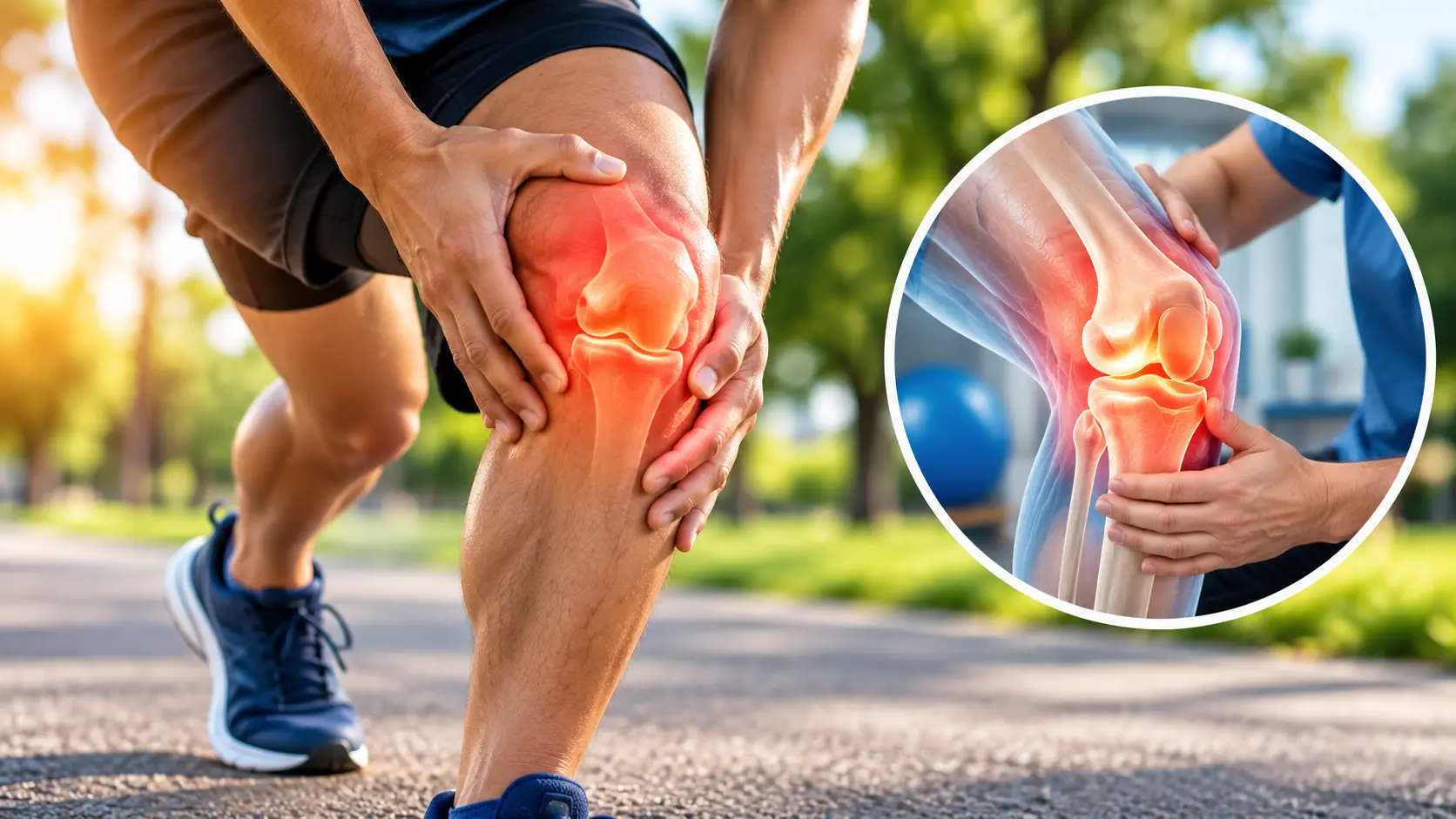
Introduction
Knee pain can make simple activities surprisingly difficult. Walking, climbing stairs, getting up from a chair, exercising, or even standing for long periods may become uncomfortable. For some people, the pain starts after a sports injury or sudden movement. For others, it develops gradually due to repetitive strain, muscle weakness, reduced mobility, previous injury, or age-related changes.
If your knee pain keeps coming back or is affecting your normal routine, knee pain physiotherapy may help you manage the problem and improve your movement.
Physiotherapy is not simply about treating pain. A qualified physiotherapist can assess your movement, muscle strength, flexibility, joint function, and activity level before developing an appropriate rehabilitation plan.
At Fitsiomax Physiotherapy & Fitness Centre, patients across Chennai can receive personalized physiotherapy and rehabilitation support based on their individual needs and goals.
What Causes Knee Pain?
Knee pain can have many causes, and the treatment that works for one person may not be appropriate for another.
Common causes and contributing factors include:
- Sports injuries
- Muscle or tendon strain
- Previous knee injuries
- Repetitive physical activity
- Sudden increases in exercise
- Muscle weakness
- Reduced flexibility
- Poor movement mechanics
- Age-related joint changes
- Osteoarthritis
- Prolonged inactivity
- Recovery after knee surgery
For example, an office worker who suddenly starts exercising after months of inactivity may develop knee discomfort because the body has not had time to adapt to the increased workload.
Similarly, an athlete may develop pain after repeatedly placing stress on the knee during training.
Understanding why the knee hurts is an important part of choosing appropriate treatment.
What Are the Common Symptoms of Knee Pain?
Knee problems can cause different symptoms depending on the underlying condition.
You may experience:
- Pain while walking
- Difficulty climbing or descending stairs
- Knee stiffness
- Swelling
- Reduced range of movement
- Pain when standing after sitting
- Discomfort during exercise
- Weakness around the knee
- Difficulty squatting
- Pain that gets worse with certain activities
If symptoms persist or progressively interfere with your daily activities, consider getting your knee assessed rather than repeatedly ignoring the problem.
Who Is More Likely to Develop Knee Pain?
Knee pain can affect people of different ages and activity levels.
You may have a higher risk of knee problems if you:
- Participate in sports
- Perform repetitive physical work
- Spend long periods inactive
- Have previously injured your knee
- Suddenly increase your exercise intensity
- Have reduced muscle strength
- Have difficulty maintaining normal joint movement
- Are recovering from knee surgery
- Experience age-related joint changes
This does not mean that knee pain is unavoidable. Appropriate activity, gradual strengthening, mobility, and professional guidance may help support healthy movement.
How Does Knee Pain Physiotherapy Work?
Knee pain physiotherapy starts with understanding your symptoms and identifying movement or physical limitations that may be contributing to your problem.
A physiotherapist may assess:
- Knee movement
- Muscle strength
- Flexibility
- Balance
- Walking pattern
- Joint function
- Functional movements
- Exercise technique
- Activity levels
Based on the assessment, your physiotherapist can develop a rehabilitation programme appropriate for your condition.
The goal is not necessarily to perform as many exercises as possible. The goal is to use the right exercises and treatment methods for your specific needs.
Following a knee or hip operation, your programme must also follow your surgeon’s movement and weight-bearing restrictions. See our post-surgery knee and hip rehabilitation service in Chennai for assessment and appointment details.
What Treatments Are Used for Knee Pain?
1. Strengthening Exercises
Weak muscles around the knee, hip, and lower limb can affect movement and physical function.
Your physiotherapist may prescribe knee-strengthening exercises based on your condition and current ability.
Exercises can be gradually progressed as your strength and tolerance improve.
2. Mobility Exercises
Knee stiffness can make walking, squatting, climbing stairs, and other activities difficult.
Appropriate mobility exercises may help improve movement when stiffness is contributing to your limitations.
3. Stretching
Reduced flexibility in surrounding muscles may affect how you move.
A physiotherapist may include specific stretching exercises when they are appropriate for your condition.
4. Movement and Exercise Correction
Sometimes the way you perform an activity can place unnecessary stress on the knee.
Your physiotherapist may guide you on movement patterns, exercise technique, lifting, squatting, walking, or other activities relevant to your lifestyle.
5. Manual Therapy
Hands-on techniques may be included when clinically appropriate to support mobility and symptom management.
Manual therapy is generally used alongside active rehabilitation rather than as the only form of treatment.
6. Progressive Rehabilitation
As your knee becomes stronger and your movement improves, your program can be progressed.
For an athlete, rehabilitation may eventually include sport-specific movements. For an older adult, the focus may be on walking, balance, stairs, and everyday activities.
What Exercises Are Good for Knee Pain?
There is no single exercise that is suitable for every type of knee pain.
Depending on your assessment, a physiotherapist may recommend exercises involving:
- Quadriceps strengthening
- Hamstring strengthening
- Hip strengthening
- Controlled knee movements
- Balance exercises
- Flexibility exercises
- Functional exercises
- Gradual resistance training
Avoid copying an exercise program from the internet without considering the cause of your knee pain.
An exercise that helps one condition may aggravate another. If an exercise causes significant or worsening pain, stop and seek professional guidance.
Can Physiotherapy Help Knee Arthritis?
Physiotherapy can be part of managing knee osteoarthritis by supporting strength, mobility, physical function, and activity.
For people with knee arthritis, appropriate strengthening and movement exercises may help them remain active and manage difficulties associated with the condition.
Treatment should be personalized according to symptoms, joint function, age, activity level, and overall health.
Physiotherapy does not guarantee that arthritis will disappear, but it can be an important part of a broader management and rehabilitation plan.
Can Physiotherapy Reduce Knee Pain Without Surgery?
In some cases, physiotherapy may help manage knee pain without surgery, depending on the underlying cause and severity of the condition.
A physiotherapy program may focus on:
- Improving strength
- Maintaining mobility
- Managing physical activity
- Improving movement patterns
- Building exercise tolerance
- Supporting functional recovery
However, not every knee problem can or should be managed with physiotherapy alone.
If your symptoms suggest that further medical investigation or another form of treatment may be required, a qualified healthcare professional can guide you appropriately.
When Should I See a Physiotherapist for Knee Pain?
Consider consulting a physiotherapist if:
- Knee pain continues for several days or weeks
- Pain repeatedly returns
- You find walking difficult
- Stairs have become uncomfortable
- You have difficulty exercising
- Your knee feels stiff or weak
- Your pain affects work or daily activities
- You are recovering from a knee injury or surgery
- You want guidance before returning to sports.
How Long Does Physiotherapy Take for Knee Pain?
There is no fixed recovery period for knee pain.
The timeline depends on factors such as:
- The underlying cause
- Severity of symptoms
- How long the pain has been present
- Previous injuries
- Physical fitness
- Age and general health
- Consistency with the rehabilitation program
- How the knee responds to treatment
Some people may notice improvements relatively quickly, while others with long-standing or complex conditions may require a longer rehabilitation program.
Your physiotherapist can explain realistic goals after assessing your condition.
Knee Pain Physiotherapy in Chennai
If you are searching for knee pain physiotherapy in Chennai, look for a clinic that provides proper assessment and personalized treatment rather than a one-size-fits-all exercise program.
Fitsiomax Physiotherapy & Fitness Centre provides physiotherapy, fitness, pain management, and rehabilitation support across Chennai.
Patients can access Fitsiomax locations in:
- Anna Nagar
- T. Nagar
- Parrys
- ECR
Whether your knee pain is affecting your work, exercise, walking, sports performance, or everyday activities, a professional assessment can help determine an appropriate rehabilitation approach.
Why Choose Fitsiomax Physiotherapy & Fitness Centre?
At Fitsiomax, treatment is designed around the individual’s condition, physical abilities, lifestyle, and rehabilitation goals.
Depending on your assessment, your treatment may include:
- Movement assessment
- Mobility exercises
- Strengthening exercises
- Stretching
- Manual therapy when appropriate
- Functional rehabilitation
- Exercise progression
- Activity guidance
The aim is to support better movement, improve physical function, and help you work towards your rehabilitation goals safely.
Local Physiotherapy Support Across Chennai
If you are looking for a physiotherapy clinic in Anna Nagar, Fitsiomax provides physiotherapy support for patients dealing with knee pain and other musculoskeletal concerns.
Patients searching for a physiotherapy clinic in T. Nagar, physiotherapy clinic in Parrys, or physiotherapy clinic in ECR can choose the branch that is convenient for them.
For people searching online for physiotherapy near me in Chennai, professional assessment is a useful first step before deciding which exercises or treatment approach is appropriate.
Conclusion
Knee pain does not have to mean giving up the activities you enjoy. Whether your discomfort is related to an injury, muscle weakness, reduced mobility, arthritis, sports activity, or another cause, the right rehabilitation approach can help you work towards better movement and function.
Knee pain physiotherapy may include strengthening, mobility exercises, stretching, movement correction, manual therapy, and progressive rehabilitation depending on your individual assessment.
If knee pain is slowing you down, affecting your daily activities, or repeatedly coming back, consider getting professional guidance.
Fitsiomax Physiotherapy & Fitness Centre provides personalised physiotherapy and rehabilitation support across Chennai, including Anna Nagar, T. Nagar, Parrys, and ECR.
Take the next step towards moving with greater confidence. Consult a qualified physiotherapist at Fitsiomax to understand the right approach for your knee pain.
View our Chennai clinics and appointment details or call +91 93636 60871 to check availability.
Frequently Asked Questions
1. Can physiotherapy help knee pain?
Yes. Physiotherapy may help many people with knee pain by improving strength, mobility, flexibility, movement control, and physical function.
2. When should I see a physiotherapist for knee pain?
You should consider professional assessment if your knee pain persists, repeatedly returns, limits walking or exercise, or affects your daily activities.
3. What exercises are good for knee pain?
Depending on the condition, exercises may include quadriceps, hamstring, hip, balance, mobility, and functional strengthening exercises. The right programme should be based on an individual assessment.
4. Can physiotherapy help knee arthritis?
Yes. Physiotherapy can be part of knee arthritis management by supporting muscle strength, mobility, physical function, and appropriate activity.
5. How long does physiotherapy take for knee pain?
Recovery time varies depending on the cause and severity of the problem, how long symptoms have been present, and how the individual responds to rehabilitation.