
Sports Injury Prevention: Training Habits and Warning Signs
Introduction
Sports injury prevention starts with understanding your training habits, recovery and movement demands. This guide explains common risk factors and warning signs to discuss with a physiotherapist; prevention habits cannot remove every injury risk.
For an appointment, visit our sports and dance injury physiotherapy service in Chennai. Preparing for a visit? Read what to expect at your first sports physiotherapy assessment. For the later stages of recovery, see our return-to-training planning guide.
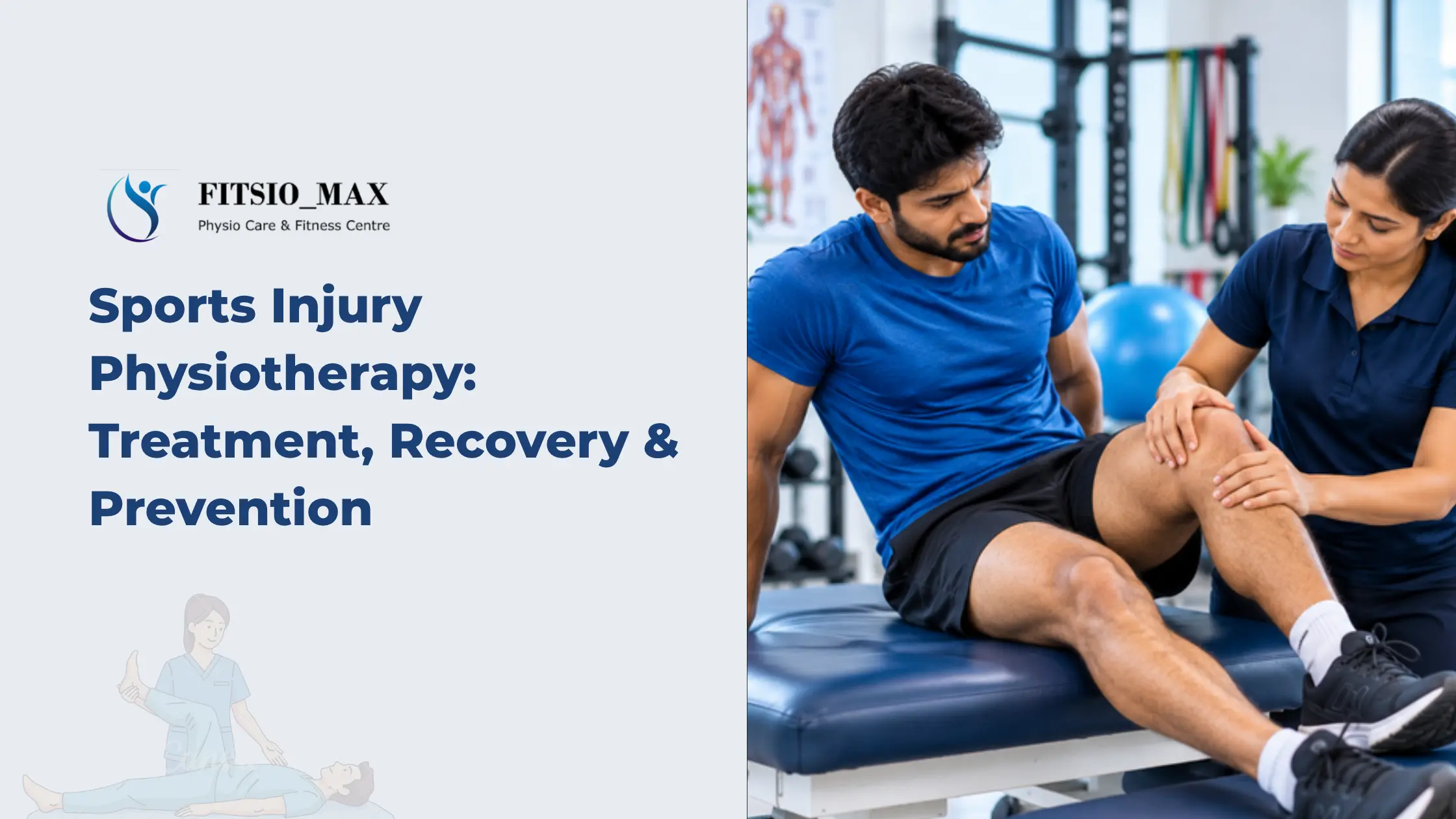
Sports injury physiotherapy helps treat pain, stiffness, swelling, weakness, and movement problems caused by sports or exercise injuries. It may support recovery through assessment, pain management, manual therapy, mobility exercises, strengthening, balance training, sports injury rehabilitation, and safe return-to-sport planning
What Are Sports Injuries?
Sports injuries are injuries that happen during exercise, training, games, gym workouts, running, dancing, or athletic activity. They can affect muscles, ligaments, tendons, joints, bones, or nerves.
Some injuries happen suddenly, such as an ankle sprain during football or a knee twist while running. Others develop slowly due to repeated strain, poor technique, weak muscles, or overtraining.
Common sports injuries may include ankle sprains, muscle strains, knee pain, shoulder pain, tennis elbow, ligament injuries, runner’s knee, shin pain, and back pain after sports activity.
What Causes Sports Injuries?
The causes of sports injuries can vary based on the person, sport, fitness level, and training routine.
Common causes include:
- Poor warm-up before activity
- Sudden increase in training intensity
- Weak muscles or poor flexibility
- Wrong running, lifting, or landing technique
- Poor footwear
- Lack of rest and recovery
- Muscle imbalance
- Previous untreated injury
- Poor posture during workouts
- Overuse from repeated movement
- Lack of strength and balance training
In many cases, sports injury treatment should not focus only on pain. It should also identify why the injury happened and how to prevent it from returning.
Common Symptoms of Sports Injuries
Sports injury symptoms may start immediately after injury or appear gradually after repeated activity.
Common symptoms include:
- Pain during movement
- Swelling around the injured area
- Stiffness after rest
- Muscle tightness
- Weakness during activity
- Difficulty walking or running
- Reduced range of motion
- Pain while lifting, jumping, or turning
- Bruising after injury
- Instability or giving-way feeling
- Pain that returns during sports
If pain is severe, swelling increases, or you cannot bear weight, consult a qualified healthcare professional.
Who Is at Risk of Sports Injuries?
Sports injuries can affect both beginners and experienced athletes. People who return to exercise after a long break may be at higher risk because their muscles and joints are not ready for sudden load.
Athletes, runners, gym beginners, dancers, football players, badminton players, cricket players, senior citizens starting fitness routines, and post-surgery patients returning to sport may need proper guidance.
Office workers who sit for long hours may also face injury risk when they suddenly start intense workouts without mobility, warm-up, or strengthening
Can Physiotherapy Help Sports Injury Recovery?
Yes, physiotherapy for sports injury may help many patients recover safely when the treatment is based on proper assessment. A physiotherapist checks the injured area, pain level, movement restriction, muscle strength, balance, posture, and sport-specific movement.
Sports injury physiotherapy may help reduce pain, improve flexibility, restore strength, correct movement patterns, and support safe return to training. It can also help patients avoid repeated injury by improving mobility, strength, balance, and body control.
Sports Injury Physiotherapy Treatment Methods
1. Injury Assessment
The first step is a detailed assessment. The physiotherapist checks where the pain is, how the injury happened, what movement increases pain, and whether there is swelling, weakness, or instability. This helps create a safe sports injury management plan.
2. Pain Management
Pain management may include guided rest, activity modification, gentle movement, soft tissue techniques, and safe exercise planning. The goal is to reduce pain while keeping the body moving safely.
3. Manual Therapy
Manual therapy may help improve joint movement, reduce stiffness, and relax tight muscles in selected patients. It is usually combined with exercise for better functional recovery.
4. Mobility Exercises
Mobility exercises help restore safe movement in the injured area. For example, ankle injuries in sports may need ankle mobility, calf flexibility, and balance work.
5. Strengthening Exercises
Strengthening exercises help rebuild support around the injured joint or muscle. This may include hip strengthening, core training, shoulder stability work, knee strengthening, or resistance-based exercises.
6. Balance and Coordination Training
Many sports injuries happen when the body loses control during turning, jumping, running, or landing. Balance training may help improve stability and confidence.
7. Return-to-Sport Training
Return-to-sport training helps athletes move from basic exercises to sport-specific drills. This may include running progressions, jumping drills, agility work, landing control, and performance recovery.
Sports Injuries and First Aid
Sports injuries and first aid should be handled carefully. For a sudden injury, stop the activity first. Avoid forcing movement if there is sharp pain, swelling, or instability.
Basic first steps may include:
- Rest the injured area
- Apply ice for short periods if swelling is present
- Avoid painful movement
- Keep the area supported
- Do not return to play immediately
- Consult a sports injury doctor or physiotherapist if pain continues
First aid is only the starting point. Proper assessment is important for safe recovery.
Sports Injury Prevention Tips
Sports injury prevention is important for athletes and active people. Simple habits can reduce the chance of repeated injury.
Helpful tips include:
- Warm up before sports or workouts
- Increase training intensity gradually
- Avoid sudden overload
- Stretch tight muscles regularly
- Strengthen weak muscles
- Use proper footwear
- Learn correct technique
- Take rest days
- Do balance and stability exercises
- Do not play through severe pain
A physiotherapist can guide injury prevention exercises based on your sport and body condition
If symptoms recur, read what happens at a first sports physiotherapy assessment before your visit.
When Should You Consult a Physiotherapist?
You should consult a physiotherapist if sports pain lasts more than a few days, keeps returning, affects performance, or limits daily movement.
Seek help if you have:
- Severe pain after injury
- Swelling or bruising
- Difficulty walking
- Pain during running or jumping
- Joint instability
- Muscle weakness
- Repeated ankle sprain
- Shoulder pain during sports
- Knee pain after activity
- Pain that returns every time you train
If you are searching for a sports injury doctor near me or sports injury specialist, a physiotherapy assessment can help you understand whether physiotherapy care or further medical review is needed.
Sports Injury Clinic Near Me in Chennai
If you are searching for sports injury clinic near me, sports injury near me, or physiotherapy near me in Chennai, choose a clinic that focuses on assessment, rehabilitation, strengthening, and safe return to activity.
Fitsiomax Physiotherapy & Fitness Centre serves patients through multiple Chennai locations:
- Physiotherapy clinic in Anna Nagar
- Physiotherapy clinic in T. Nagar
- Physiotherapy clinic in Parrys
- Physiotherapy clinic in ECR
Whether you are looking for a sports injury centre, sports injury clinic, sports injury doctor guidance, or sports injury centre online appointment support, Fitsiomax can help you start with professional physiotherapy assessment and rehab planning.
Why Choose Fitsiomax Physiotherapy & Fitness Centre?
Fitsiomax Physiotherapy & Fitness Centre provides personalized physiotherapy, fitness, pain relief, and rehabilitation care in Chennai.
Patients choose Fitsiomax for:
- Sports injury physiotherapy
- Sports injury treatment planning
- Sports injury rehabilitation
- Pain management
- Mobility and strengthening exercises
- Manual therapy
- Injury prevention guidance
- Return-to-sport training
- Branches in Anna Nagar, T. Nagar, Parrys, and ECR
Fitsiomax focuses on safe recovery, better movement, and long-term injury prevention.
Conclusion
Sports injuries should not be ignored, especially when pain, swelling, weakness, or repeated discomfort affects your training or daily activity. Sports Injury Physiotherapy in Chennai can support recovery through proper assessment, pain management, strengthening, mobility exercises, sports injury rehabilitation, and prevention guidance.If you are looking for expert physiotherapy care for sports injuries, visit Fitsiomax Physiotherapy & Fitness Centre at Anna Nagar, T. Nagar, Parrys, or ECR. Book your consultation today and get a safe recovery plan.
Visit fitsiomax.clinic | Call us | Walk into our clinic in Chennai
Frequently Asked Questions
1. What is sports injury physiotherapy?
Sports injury physiotherapy helps manage pain, stiffness, weakness, and movement problems caused by sports or exercise injuries through assessment, exercises, rehabilitation, and prevention guidance.
2. When should I visit a physiotherapist for a sports injury?
Visit a physiotherapist if pain lasts for several days, swelling increases, walking is difficult, or pain returns whenever you play or exercise
3. Can physiotherapy help ankle injuries in sports?
Yes. Physiotherapy may help ankle injuries through swelling control, mobility exercises, strengthening, balance training, and gradual return-to-sport guidance.
4. What are common sports injuries?
Common sports injuries include ankle sprains, muscle strains, knee injuries, shoulder injuries, tennis elbow, ligament injuries, and overuse pain.
5. How can I prevent sports injuries?
Warm up properly, increase training gradually, strengthen weak muscles, improve flexibility, use correct technique, wear proper footwear, and avoid playing through severe pain