
Can Physiotherapy Help Avoid Surgery for Joint Pain?
Introduction
Joint pain can make simple activities like walking, climbing stairs, bending, or standing uncomfortable. Many people worry that worsening pain automatically means surgery is the only option.
However, physiotherapy for joint pain without surgery is helping many individuals improve movement, reduce stiffness, and regain strength naturally. Conditions such as knee pain, hip pain, arthritis, shoulder stiffness, and joint inflammation often respond well to evidence-based physiotherapy programs.
In many cases, muscle weakness, poor posture, limited mobility, and movement imbalance place extra stress on joints. Without proper treatment, pain may gradually worsen over time.
According to physiotherapy professionals at Fitsiomax, early rehabilitation and strengthening programs often help support joint function before surgical intervention becomes necessary.
This guide explains how physiotherapy supports joint recovery, who may benefit from non-surgical treatment, and when professional assessment is important.
What Is Physiotherapy for Joint Pain Without Surgery?
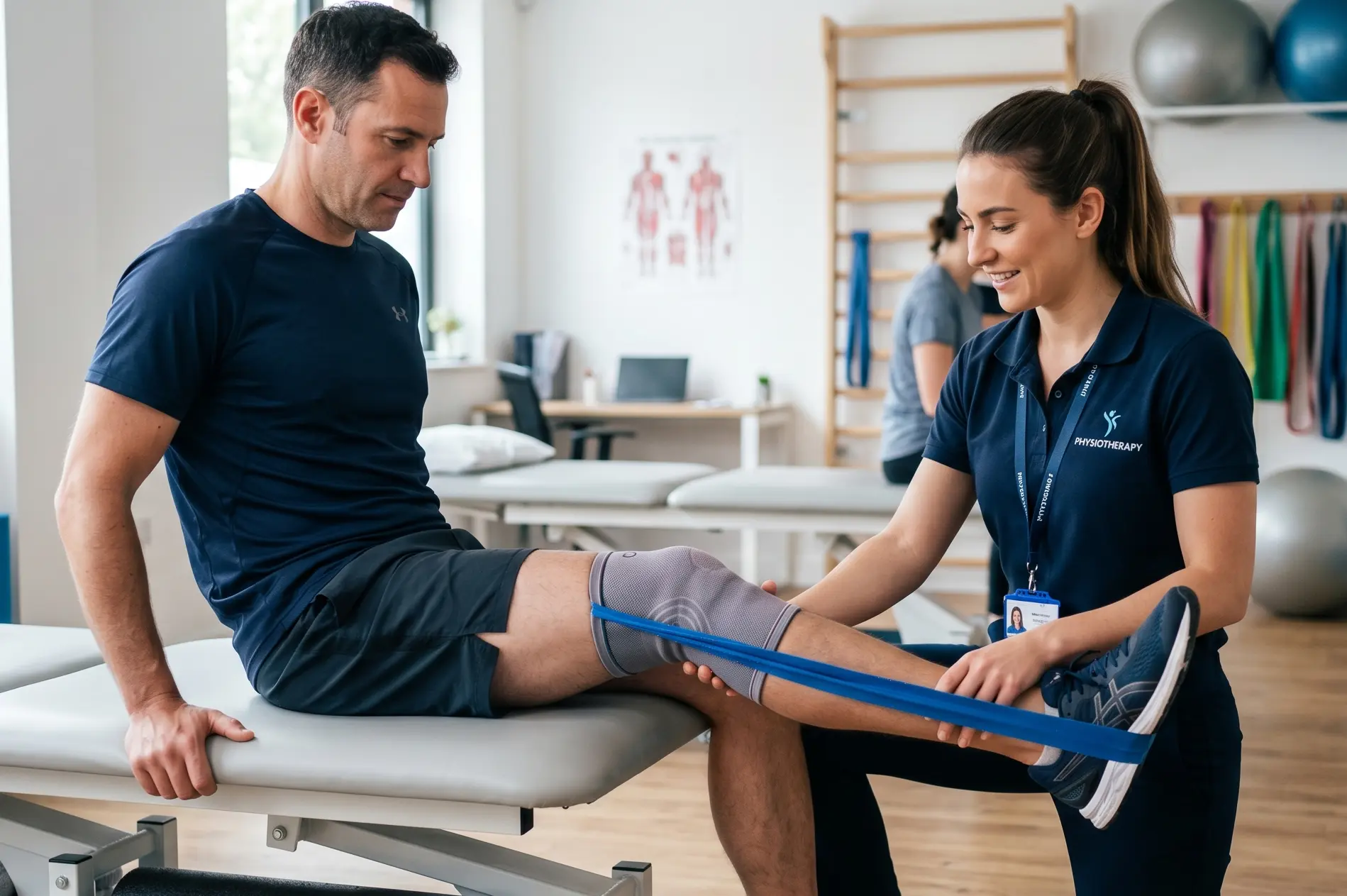
Physiotherapy for joint pain without surgery is a non-invasive treatment approach that focuses on reducing pain, improving mobility, strengthening muscles, and restoring joint function through exercise therapy and rehabilitation techniques.
Can Physiotherapy Help Avoid Surgery?
Yes. In many cases, physiotherapy helps reduce joint pain, improve flexibility, strengthen supporting muscles, and restore movement, which may delay or help avoid surgery for certain conditions.
Common Conditions Treated With Physiotherapy
Physiotherapy commonly helps manage:
- Knee pain
- Hip pain
- Shoulder pain
- Arthritis
- Frozen shoulder
- Joint inflammation
- Sports injuries
- Chronic stiffness
Many individuals improve significantly with consistent rehabilitation and movement correction.
Physiotherapy for Joint Pain Without Surgery and Joint Recovery
Physiotherapy supports joint recovery by improving how muscles, ligaments, and joints work together during movement.
How Physiotherapy Helps Naturally
- Strengthens weak muscles
- Reduces pressure on joints
- Improves flexibility
- Corrects posture imbalance
- Enhances mobility
- Supports circulation
- Reduces inflammation-related stiffness
These improvements often help decrease pain during daily activities.
Physiotherapy for Joint Pain Without Surgery for Knee and Hip Problems
Knee and hip pain are among the most common reasons people consider surgery.
However, many individuals improve through:
- Strengthening exercises
- Mobility training
- Balance correction
- Joint stabilization exercises
- Manual therapy
This is especially important for people with:
- Early arthritis
- Joint stiffness
- Weak supporting muscles
- Movement imbalance
Why Muscle Strength Matters for Joint Health
Strong muscles help support joints and reduce excess pressure on cartilage, ligaments, and bones during movement.
Signs of Weak Joint Support
- Difficulty climbing stairs
- Knee instability
- Hip stiffness
- Reduced balance
- Pain while walking
- Joint fatigue
Weak supporting muscles may increase long-term joint stress.
Physiotherapy for Arthritis Pain Relief
Can Physiotherapy Help Arthritis?
Yes. Physiotherapy commonly helps people with arthritis improve mobility and reduce stiffness naturally.
Benefits Often Seen
|
Physiotherapy Approach |
Potential Benefit |
|
Strengthening Exercises |
Better joint support |
|
Stretching |
Improved flexibility |
|
Mobility Training |
Easier movement |
|
Manual Therapy |
Reduced stiffness |
|
Posture Correction |
Less joint strain |
Professionals usually recommend regular movement instead of prolonged inactivity.
Manual Therapy for Joint Pain
What Is Manual Therapy?
Manual therapy involves hands-on physiotherapy techniques used to improve joint movement and reduce muscle tightness.
Common Goals
- Improve flexibility
- Reduce stiffness
- Increase circulation
- Support mobility
- Reduce muscle tension
Manual therapy is often combined with exercise rehabilitation for better long-term outcomes.
Joint Inflammation Treatment Without Surgery
Common Signs of Joint Inflammation
People experiencing inflammation may notice:
- Swelling
- Warmth around the joint
- Morning stiffness
- Pain during movement
- Reduced flexibility
Ignoring inflammation may increase stress on surrounding tissues over time.
Physiotherapy Exercises to Avoid Knee Surgery
How Exercises Support Recovery
Exercise therapy helps improve:
- Muscle strength
- Joint stability
- Balance
- Walking mechanics
- Functional movement
Common Physiotherapy Exercises
- Quadriceps strengthening
- Hip strengthening
- Hamstring stretches
- Balance exercises
- Mobility drills
Programs are usually adjusted based on pain levels and mobility limitations.
Can Physical Therapy Replace Joint Surgery?
In some cases, physiotherapy may help delay or reduce the need for surgery, especially when pain is caused by weakness, stiffness, poor movement mechanics, or early-stage joint degeneration.
Important Considerations
Physiotherapy may not fully replace surgery when:
- Severe structural damage exists
- Advanced joint degeneration is present
- Significant instability occurs
- Conservative treatment no longer helps
Professional evaluation is important for accurate treatment planning.
Benefits of Physiotherapy for Joint Pain
- Reduces stiffness
- Improves mobility
- Strengthens muscles
- Supports joint stability
- Improves posture
- Reduces inflammation-related discomfort
- Enhances daily movement
- Supports non-surgical recovery
Who Benefits Most From Non-Surgical Joint Pain Treatment?
Physiotherapy may help:
- Older adults with arthritis
- Office workers with stiffness
- Athletes recovering from strain
- People with chronic joint pain
- Individuals recovering after injury
- Patients trying to avoid surgery
Early treatment often improves recovery outcomes.
Expert Insight on Joint Pain Recovery
Evidence-based physiotherapy approaches generally focus on strengthening muscles, improving movement patterns, reducing stiffness, and supporting long-term joint function naturally.
Persistent joint pain should not be ignored because untreated mobility problems may gradually worsen over time.
Conclusion
Physiotherapy for joint pain without surgery is helping many people improve mobility, reduce stiffness, and return to daily activities naturally. Muscle strengthening, movement correction, flexibility training, and rehabilitation exercises often support long-term joint health.
While surgery may still be necessary in some advanced conditions, early physiotherapy intervention can sometimes delay or reduce the need for invasive procedures. The key is identifying the root cause before joint problems become severe.
According to physiotherapy professionals at Fitsiomax, consistent rehabilitation and guided exercise programs are important for improving joint function safely and effectively.
Visit fitsiomax.clinic | Call us | Walk into our clinic in Chennai
Frequently Asked Questions
1. Can physiotherapy help avoid surgery for joint pain?
In many cases, physiotherapy helps improve strength, flexibility, and movement, which may reduce pain and delay the need for surgery.
2. Is physiotherapy effective for knee pain without surgery?
Yes. Physiotherapy commonly helps reduce stiffness, strengthen muscles, and improve knee stability naturally.
3. Can physical therapy replace joint surgery completely?
Not always. Some advanced joint conditions may still require surgery, but physiotherapy often helps improve symptoms significantly before considering surgical options.
4. How long does physiotherapy take for joint pain recovery?
Recovery varies depending on the condition, severity, muscle strength, and consistency of rehabilitation exercises.
5. Does physiotherapy help arthritis pain?
Yes. In most cases, physiotherapy supports better mobility, reduced stiffness, and improved joint function for people with arthritis.
6. What is the best non-surgical treatment for joint pain?
Professionals usually recommend a combination of physiotherapy, strengthening exercises, posture correction, mobility training, and lifestyle modifications.