
Fitsiomax

Blog

Browse Fitsiomax articles about physiotherapy, rehabilitation, pain, movement and fitness. General information should be considered alongside an individual clinical assessment.

why do young people get knee pain
Blog

Knee Pain at a Young Age? Here’s What Your Body Is Telling You 

Knee Pain at a Young Age? Here’s What Your Body Is Telling You Introduction Many young adults are surprised when knee pain starts affecting daily life. Climbing stairs, walking, exercising, or even sitting for long periods may suddenly become uncomfortable. Understanding why do young people get knee pain is important because knee problems are no longer limited to older adults. Poor posture, muscle weakness, sports strain, sedentary lifestyles, and joint inflammation are increasingly affecting people in their 20s and 30s. Some individuals notice sudden knee pain without injury, while others experience discomfort that slowly becomes worse over time. Ignoring early symptoms can sometimes lead to long-term joint stress and movement problems. According to physiotherapy professionals at Fitsiomax, early assessment and movement correction often help reduce knee strain before the condition becomes chronic. This guide explains the hidden causes of knee pain at young age, warning signs to watch for, and the best evidence-based ways to support recovery naturally. What Causes Knee Pain in Young Adults? Knee pain in young adults commonly develops due to muscle imbalance, overuse, poor posture, sports injuries, joint inflammation, weak supporting muscles, or lifestyle-related stress on the knee joint. Why Do Young People Get Knee Pain? Young people may develop knee pain because of prolonged sitting, weak leg muscles, sports strain, poor movement patterns, obesity, posture imbalance, or inflammation affecting the knee joint. Common Symptoms of Knee Problems at a Young Age People experiencing knee pain in 20s and 30s causes often notice: Pain while walking Stiffness after sitting Clicking sounds in the knee Swelling around the joint Pain climbing stairs Knee weakness Tightness during exercise Reduced flexibility In many cases, symptoms gradually worsen if the root cause is ignored. Why Do Young People Get Knee Pain From Modern Lifestyle Habits? Modern lifestyle patterns play a major role in knee pain at young age. Common Risk Factors Sitting for long hours Lack of exercise Weak quadriceps muscles Obesity Improper workout techniques Poor posture Excessive stair use Sedentary lifestyle habits These habits increase pressure on the knee joint and surrounding muscles over time. Why Do Young People Get Knee Pain Without Injury? Not all knee pain is caused by accidents or sports injuries. Many young adults develop pain due to: Muscle imbalance Poor joint alignment Repetitive stress Cartilage irritation Weak supporting muscles This explains why some people experience sudden knee pain without injury during normal daily activities. Knee Pain From Sitting Too Long Can Sitting Increase Knee Pain? Yes. Prolonged sitting tightens muscles around the hips and knees while reducing circulation and joint mobility. Symptoms Commonly Seen Knee stiffness after standing up Tightness around kneecap Pain while walking after sitting Reduced movement This is especially common among: Office workers IT professionals Students Remote employees Weak Quadriceps and Knee Pain Why Muscle Strength Matters Quadriceps muscles help stabilize the knee joint during movement. Weak muscles increase stress on: Cartilage Ligaments Knee tendons Signs of Weak Muscle Support Symptom Common Experience Knee instability Feeling weak while walking Pain during stairs Difficulty climbing Fatigue Leg tiredness Reduced balance Poor movement control Strengthening exercises often help improve knee stability naturally. Cartilage Damage in Knee What Happens When Cartilage Wears Down? Cartilage protects the knee joint during movement. Repetitive stress may gradually irritate or damage this protective layer. Possible Symptoms Grinding sensation Swelling Stiffness Pain during activity Reduced mobility Early physiotherapy intervention may help reduce joint stress and improve movement patterns. Vitamin D Deficiency and Joint Pain Can Vitamin Deficiency Affect the Knees? Yes. Low vitamin D levels may contribute to muscle weakness, joint discomfort, and poor bone support. People with low vitamin D may notice: General body pain Fatigue Muscle weakness Knee discomfort during activity Professionals usually recommend proper evaluation if symptoms continue. Knee Joint Inflammation Explained Inflammation in the knee joint occurs when tissues become irritated due to overuse, repetitive stress, injury, or muscle imbalance. Signs of Knee Inflammation Swelling Warm sensation Pain during movement Joint stiffness Difficulty bending the knee Ignoring inflammation may increase long-term joint stress. Physiotherapy for Knee Pain How Physiotherapy Helps Physiotherapy focuses on improving movement, reducing pain, and correcting muscle imbalance without surgery. Treatment may include: Strengthening exercises Mobility training Stretching routines Posture correction Manual therapy Gait correction Exercise rehabilitation At Fitsiomax physiotherapy professionals commonly assess walking patterns, muscle strength, posture, and flexibility to identify the actual cause of knee pain. Knee Pain Treatment Without Surgery Evidence-Based Recovery Methods Most young adults improve with conservative treatment when addressed early. Common Non-Surgical Treatments Treatment Benefits Physiotherapy Improves movement Strength Training Supports joint stability Stretching Exercises Reduces stiffness Weight Management Reduces joint pressure Activity Modification Prevents strain Ergonomic Correction Improves posture Professionals usually recommend consistent rehabilitation for long-term recovery. How to Stop Knee Pain at Young Age Practical Prevention Tips Daily Knee Protection Habits Maintain healthy body weight Strengthen leg muscles Avoid prolonged sitting Stretch regularly Use proper footwear Warm up before exercise Improve posture during work Stay physically active Small lifestyle changes often help protect knee health significantly. Common Causes of Knee Pain at Young Age Weak quadriceps muscles Poor posture Prolonged sitting Sports overuse Knee joint inflammation Cartilage irritation Sedentary lifestyle Vitamin D deficiency When Is Knee Pain Serious? Important Warning Signs Seek professional evaluation if you experience: Swelling lasting several days Difficulty walking Knee locking Sudden instability Pain worsening over time Severe stiffness Pain during rest Early treatment often helps prevent chronic joint problems. Expert Insight on Knee Pain in Young Adults Evidence-based physiotherapy approaches generally focus on muscle strengthening, posture correction, movement retraining, and flexibility improvement to support long-term knee function. Persistent knee pain should not be ignored, even at a young age. Conclusion Understanding why do young people get knee pain can help prevent long-term movement problems and joint damage. In many cases, lifestyle habits, weak muscles, prolonged sitting, and joint stress gradually affect knee health over time. The good news is that many young adults improve with early physiotherapy, strengthening exercises, posture correction, and movement training. Ignoring symptoms may increase


what causes back pain everyday
Blog

10 Daily Habits That Secretly Cause Back Pain 

10 Daily Habits That Secretly Cause Back Pain Introduction Many people experience back pain daily without realizing their everyday habits may be the real cause. Poor posture, prolonged sitting, lack of movement, and unhealthy routines can slowly strain the spine and surrounding muscles. Understanding what causes back pain everyday is important because small repetitive habits often create long-term discomfort. Some people wake up with stiffness, while others feel pain after work, driving, or using laptops for long hours. In many cases, chronic back pain without injury develops gradually due to muscle imbalance, sedentary lifestyle patterns, and improper body mechanics. According to physiotherapy professionals at Fitsiomax, early lifestyle correction and posture awareness can help reduce pressure on the spine before symptoms become severe. This guide explains the hidden causes of back pain, warning signs to watch for, and practical ways to protect your back during daily activities. What Causes Back Pain Everyday? Daily back pain is commonly caused by repetitive strain, poor posture, prolonged sitting, weak core muscles, and improper movement habits that place continuous stress on the spine and surrounding muscles. Why Daily Habits Matter More Than You Think Small daily routines repeated over time can slowly damage muscles, joints, and spinal alignment, leading to persistent back pain even without a major injury. Common Symptoms Linked to Daily Back Strain People with back pain from sitting all day often experience: Lower back stiffness Upper back tightness Pain after waking up Muscle fatigue Burning sensation in the back Pain while bending Difficulty sitting for long periods Reduced flexibility In most cases, symptoms worsen gradually if posture and movement habits are ignored. 1. Sitting for Long Hours Can Sitting Too Much Cause Back Pain? Yes. Sitting continuously increases pressure on the lumbar spine and weakens supporting muscles. People working in: Offices IT companies Call centers Remote jobs are especially affected by sedentary lifestyle back pain. Risk Factors Poor chair support Slouching posture Lack of movement breaks Laptop use without ergonomics Prevention Tips Stand every 30–40 minutes Use lumbar support Keep feet flat on the floor 2. Poor Posture During Work Poor Posture and Back Pain Poor posture changes spinal alignment and increases stress on muscles, discs, and ligaments. Signs of Posture-Related Back Pain Rounded shoulders Neck stiffness Upper back pain from bad posture Lower back tightness Shoulder discomfort This is one of the most overlooked answers to what causes back pain everyday in office workers and students. 3. Weak Core Muscles Why Core Strength Matters Core muscles support spinal stability. Weak muscles force the back to work harder during daily movement. Symptoms Lower back fatigue Pain while standing Difficulty lifting objects Reduced balance Core muscle weakness and back pain are closely connected, especially in physically inactive adults. 4. Wrong Sleeping Position Back Pain From Wrong Sleeping Position Sleeping posture affects spinal alignment for several hours every night. Common Problems Sleeping on overly soft mattresses Poor pillow support Twisted sleeping posture People often wake up with: Morning stiffness Lower back pain Shoulder tightness Professionals usually recommend maintaining neutral spine support during sleep 5. Lack of Daily Movement Sedentary Lifestyle and Spinal Stress A physically inactive lifestyle reduces flexibility and circulation around the spine. Risk Factors Long screen time Minimal exercise Extended sitting Limited stretching Over time, muscles become tight and weak, increasing inflammation in back muscles. 6. Lifting Objects Incorrectly Hidden Cause of Lower Back Injury Bending from the waist instead of the knees places excessive pressure on the lumbar spine. Common Situations Lifting grocery bags Picking objects from the floor Carrying children incorrectly This habit commonly leads to lower back strain and muscle spasms. 7. Excessive Mobile Phone Use Tech Habits That Hurt the Spine Looking down at phones for long periods affects the neck and upper back. Symptoms Neck pain Upper back stiffness Shoulder tightness Forward head posture Poor posture and back pain are increasingly linked to smartphone overuse. 8. Ignoring Early Pain Signals Why Small Pain Becomes Chronic Many people continue working through discomfort without treatment. Ignoring symptoms may lead to: Muscle imbalance Joint stiffness Chronic inflammation Reduced mobility Early physiotherapy intervention often improves recovery outcomes. 9. Stress and Muscle Tension Can Stress Cause Back Pain? Yes. Emotional stress commonly increases muscle tension in the neck, shoulders, and lower back. Common Stress-Related Symptoms Tight muscles Fatigue Poor sleep Headaches Increased pain sensitivity Back pain is not always caused only by physical strain. 10. Skipping Stretching and Exercise Lack of Flexibility Increases Risk Tight muscles reduce spinal mobility and increase strain during movement. Helpful Activities Walking Stretching Core strengthening Yoga Physiotherapy exercises Consistent movement supports spinal health and recovery. Who Is Most Affected by Daily Back Pain? Group Common Risk Factors Office Workers Prolonged sitting IT Professionals Laptop posture Drivers Long sitting duration Students Poor study posture Remote Workers Improper workstation setup Physiotherapy for Chronic Back Pain How Physiotherapy Helps Physiotherapy focuses on correcting the root cause of pain instead of temporary symptom relief. Treatment approaches may include: Posture correction Core strengthening Stretching exercises Ergonomic training Manual therapy Mobility improvement At Fitsiomax physiotherapy professionals commonly evaluate posture, movement patterns, and muscle imbalances before planning recovery programs. How to Stop Back Pain From Daily Activities Practical Prevention Tips Daily Back Protection Habits Maintain proper sitting posture Exercise regularly Strengthen core muscles Take movement breaks Improve sleep posture Stretch during work hours Avoid lifting incorrectly Stay physically active Simple changes often help reduce long-term spinal stress significantly. Expert Insight on Daily Back Pain Evidence-based physiotherapy approaches usually focus on posture correction, strengthening, flexibility, and movement retraining to support long-term spinal health. Persistent symptoms should not be ignored because early treatment often prevents chronic complications. Conclusion Understanding what causes back pain everyday can help prevent long-term discomfort and mobility problems. In many cases, repetitive habits like prolonged sitting, poor posture, weak core muscles, and lack of movement gradually strain the spine over time. The good news is that small lifestyle changes can make a major difference. Improving posture, staying active, strengthening supporting muscles,

hidden cause of shoulder pain
Blog

The Hidden Reason Your Shoulder Pain Is Not Going Away

The Hidden Reason Your Shoulder Pain Is Not Going Away Introduction Many people ignore shoulder pain at first. But when the discomfort continues for weeks or months, even after rest or medication, it may indicate a deeper problem. The hidden cause of shoulder pain is often not just muscle strain. Poor posture, neck-related issues, inflammation, repetitive movement, and untreated joint problems can all contribute to chronic pain that keeps returning. Some people experience pain while sleeping. Others struggle to lift objects, work comfortably, or move the arm freely. Over time, this can affect daily activities, productivity, and sleep quality. According to physiotherapy experts at Fitsiomax, persistent shoulder pain is commonly linked to posture imbalance, rotator cuff irritation, or referred pain from the cervical spine. This guide explains why shoulder pain is not getting better with treatment, common warning signs, possible hidden causes, and the best evidence-based recovery options without surgery. What Is Persistent Shoulder Pain? Persistent shoulder pain refers to discomfort, stiffness, or reduced movement that continues for several weeks despite rest or basic treatment. It may be caused by inflammation, posture problems, joint issues, or referred pain from nearby structures like the neck. Why Shoulder Pain That Won’t Go Away Should Not Be Ignored Shoulder pain that won’t go away may indicate an underlying condition such as rotator cuff inflammation, frozen shoulder, posture-related strain, nerve irritation, or shoulder impingement syndrome. Common Signs of Chronic Shoulder Problems Symptoms may include: Pain while lifting the arm Shoulder stiffness Difficulty sleeping on one side Weakness in the shoulder Pain spreading to the neck or upper back Clicking or catching sensation Limited range of motion Burning pain near the shoulder blade In most cases, persistent symptoms require proper assessment instead of temporary pain relief methods. Hidden Cause of Shoulder Pain Can Start From the Neck Many people treat only the shoulder area without realizing the neck may be contributing to the pain. This is common among: Office workers IT professionals Drivers Remote employees People using laptops for long hours Poor posture causes muscle imbalance between the neck, shoulders, and upper back. Over time, this creates inflammation and movement restriction. Shoulder Pain After Sleeping: What Does It Mean? Shoulder pain after sleeping is often linked to poor sleeping posture, rotator cuff irritation, frozen shoulder, or inflammation around the joint. Common Nighttime Shoulder Pain Causes Sleeping on One Side Continuous pressure irritates the shoulder joint. Rotator Cuff Inflammation Inflamed tendons become painful during rest. Frozen Shoulder Symptoms Capsule stiffness causes severe pain and restricted movement. Poor Pillow Support Neck alignment problems can increase shoulder tension. People with chronic shoulder pain without injury commonly notice symptoms becoming worse at night. Reasons for Persistent Shoulder Pain Common Reasons Shoulder Pain Is Not Improving Poor posture during work Repetitive arm movements Rotator cuff inflammation Shoulder impingement syndrome Referred pain from neck Muscle imbalance Weak shoulder stability Delayed physiotherapy treatment Shoulder Impingement Syndrome Explained What Is Shoulder Impingement? Shoulder impingement happens when shoulder tendons become compressed during arm movement. This may cause: Sharp pain while lifting Weakness Reduced shoulder mobility Pain reaching overhead Inflammation around tendons Without treatment, symptoms may gradually worsen. Rotator Cuff Inflammation and Shoulder Pain Symptoms of Rotator Cuff Problems Symptom Common Experience Pain lifting arm Difficulty reaching overhead Night pain Discomfort during sleep Weakness Reduced arm strength Shoulder stiffness Tight movement Clicking sensation Joint irritation Early physiotherapy can help reduce inflammation and improve movement naturally. Can Poor Posture Cause Shoulder Pain? Yes  Posture Plays a Major Role Poor posture changes shoulder alignment and increases stress on muscles and joints. This is especially common in: Laptop users Office workers Students Mobile phone users Drivers Posture and shoulder pain are closely connected because forward shoulder positioning creates long-term strain. Physiotherapy for Shoulder Pain How Physiotherapy Helps Physiotherapy focuses on treating the root cause instead of masking symptoms temporarily. Treatment may include: Shoulder mobility exercises Posture correction Manual therapy Strengthening exercises Stretching programs Ergonomic guidance Pain management techniques At Fitsiomax, physiotherapy professionals often assess posture, movement patterns, and muscle imbalance before creating a personalized recovery plan. Shoulder Pain Treatment Without Surgery Evidence-Based Recovery Options Most shoulder problems improve with conservative care when treated early. Recommended Treatments Treatment Benefits Physiotherapy Improves mobility Stretching Exercises Reduces stiffness Strengthening Programs Supports joint stability Ergonomic Correction Prevents repeated strain Posture Training Reduces muscle tension Activity Modification Prevents worsening pain Professionals usually recommend consistent rehabilitation before considering surgical options. When to See a Doctor for Shoulder Pain Important Warning Signs Seek medical or physiotherapy evaluation if you notice: Pain lasting more than 2–3 weeks Sudden weakness in the arm Severe stiffness Difficulty sleeping due to pain Tingling or numbness Pain spreading to neck or hand Reduced ability to lift the arm Early treatment often improves recovery outcomes. Expert Insight on Chronic Shoulder Pain Evidence-based physiotherapy approaches generally focus on posture correction, mobility improvement, strengthening, and movement retraining to support long-term recovery. Persistent pain usually improves faster when the actual root cause is identified early. Conclusion The hidden cause of shoulder pain is often more complex than simple muscle strain. Poor posture, rotator cuff inflammation, neck-related pain, and movement imbalance can all contribute to symptoms that continue for weeks or months. Ignoring persistent shoulder pain may lead to worsening stiffness, weakness, and reduced mobility over time. The good news is that many shoulder conditions improve with early physiotherapy, posture correction, ergonomic support, and guided rehabilitation. According to physiotherapy professionals at Fitsiomax, identifying the actual cause early is one of the most important steps toward lasting pain relief and better shoulder function. Book Your Appointment at Fitsiomax – Chennai Visit fitsiomax.clinic | Call us | Walk into our clinic in Chennai Frequently Asked Questions 1. Why is my shoulder pain not going away even after rest? In most cases, persistent shoulder pain may be linked to inflammation, posture imbalance, muscle weakness, or referred pain from the neck. Rest alone may not correct the root cause of the problem. 2. Can poor posture really cause

neck pain in Chennai IT professionals 2026
Blog

Why Chennai IT Professionals Are Facing Severe Neck Pain in 2026

Why Chennai IT Professionals Are Facing Severe Neck Pain in 2026 Introduction Neck pain in Chennai IT professionals 2026 is becoming a major health problem among software engineers, developers, and remote employees. Long sitting hours, nonstop laptop work, and poor posture are causing daily stiffness, shoulder pain, and cervical strain in many office workers. In Chennai’s fast-growing IT sector, professionals often spend 8–12 hours in front of screens without proper movement breaks. This repetitive strain is one of the biggest reasons behind rising “tech neck” cases in office environments and work-from-home setups. Many employees ignore early symptoms like neck tightness, headaches, or upper back discomfort until the pain starts affecting sleep, focus, and productivity. According to physiotherapy experts at Fitsiomax, early posture correction, ergonomic changes, and guided exercises can help prevent long-term cervical problems. What Is Tech Neck and Why Is It Increasing in Chennai IT Offices? Tech neck is a repetitive strain condition caused by prolonged forward head posture while using laptops, desktops, or mobile devices. It commonly leads to neck stiffness, shoulder pain, headaches, and reduced mobility in IT professionals and office workers. Why Neck Pain Is Rising in Chennai’s IT Sector The increase in tech neck pain in Chennai IT jobs is closely linked to changing work habits. Many employees now work in hybrid environments where ergonomic setups are poor and sitting time is excessive. Common contributing factors include: Long sitting hours without breaks Laptop use at improper eye level Work-from-home desk setups High stress and muscle tension Reduced physical activity Continuous smartphone usage Lack of stretching during work hours In many Chennai offices, employees focus heavily on deadlines and productivity while ignoring posture and spinal health. Symptoms of Neck Pain in Chennai IT Professionals Common Warning Signs People experiencing neck pain from laptop use in Chennai offices often notice symptoms gradually. Typical symptoms include: Neck stiffness Shoulder tightness Burning sensation near the neck Upper back pain Headaches after screen time Tingling in arms or fingers Reduced neck movement Pain while sleeping If symptoms continue for weeks, physiotherapy assessment is usually recommended. Neck Pain in Chennai IT Professionals 2026 Is Driven by Modern Work Culture The IT industry has changed rapidly in recent years. Employees now spend more time in virtual meetings, coding sessions, and multitasking environments. Several factors are increasing work-related neck pain in Chennai office workers: 1. Poor Ergonomic Setup Many professionals use dining chairs, couches, or low desks while working remotely. Improper monitor height forces the neck into a forward position for hours. 2. Long Sitting Hours Sitting continuously reduces blood circulation and increases pressure on cervical muscles. 3. Mobile Device Overuse Looking downward at phones creates excess strain on neck joints and muscles. 4. Stress and Mental Fatigue Stress causes muscle tightening around the shoulders and neck. 5. Lack of Physical Activity Reduced exercise weakens supporting muscles and decreases flexibility. How Does Poor Posture Affect the Cervical Spine? Poor posture shifts the head forward, increasing pressure on the cervical spine and surrounding muscles. Over time, this causes muscle fatigue, inflammation, stiffness, and chronic neck pain in office workers and IT professionals. Understanding Forward Head Posture The human head weighs several kilograms. When the head tilts forward during laptop or mobile use, the cervical spine experiences significantly higher stress. This may lead to: Cervical muscle strain Disc pressure Nerve irritation Reduced spinal alignment Shoulder imbalance Professionals usually recommend posture correction early to avoid long-term complications. Who Is Most Affected by Neck Pain in Chennai IT Jobs? High-Risk Groups The following professionals commonly experience neck pain and WFH in Chennai IT sector environments: Profession Risk Level Common Cause Software Developers High Long coding hours Graphic Designers High Continuous screen focus Data Analysts Moderate to High Static posture Remote Workers High Poor home setup Call Center Employees Moderate Headset strain Project Managers Moderate Stress and prolonged meetings Best Neck Pain Prevention Tips for Chennai Software Engineers Effective Ways to Prevent Neck Pain at Work in Chennai Keep monitor at eye level Use ergonomic chairs Stretch every 30–40 minutes Avoid slouching posture Maintain shoulder relaxation Limit prolonged phone usage Strengthen neck and upper back muscles Stay physically active daily Ergonomic Setup for IT Professionals Chennai What Is the Ideal Office Setup? An ergonomic workspace helps reduce pressure on the neck and spine. Recommended Ergonomic Adjustments Workspace Element Recommended Position Monitor Eye level Chair Lumbar support Keyboard Elbows at 90 degrees Feet Flat on floor Screen Distance Arm’s length Laptop Use External keyboard preferred Neck Pain Exercises for IT Professionals Chennai Simple stretching and strengthening exercises can help reduce stiffness, improve posture, and relieve neck tension caused by prolonged computer work. Recommended Exercises Chin Tucks Helps improve forward head posture. Neck Side Stretch Reduces tightness in neck muscles. Shoulder Blade Squeezes Improves upper back support. Upper Trapezius Stretch Relieves shoulder and neck tension. Conclusion The growing problem of neck pain in Chennai IT professionals 2026 is closely connected to modern digital work culture, poor posture, prolonged sitting, and inadequate ergonomic support. While symptoms may begin as mild stiffness, untreated cervical strain can gradually affect productivity, sleep, and overall quality of life. The good news is that early lifestyle changes, workplace ergonomics, stretching routines, and physiotherapy can significantly improve recovery and prevent long-term complications. Clinics like Fitsiomax often help office workers understand posture-related pain patterns and adopt healthier work habits for sustainable relief. Book Your Appointment at Fitsiomax – Chennai Visit fitsiomax.clinic | Call us | Walk into our clinic in Chennai Frequently Asked Questions 1. Why do Chennai IT professionals commonly experience neck pain? In most cases, prolonged sitting, poor posture, stress, and excessive screen time are the main causes. IT employees often spend many hours using laptops without ergonomic support, leading to muscle strain and cervical stiffness. 2. Can work-from-home setups worsen neck pain? Yes. Professionals usually recommend ergonomic workstation adjustments because poor seating and improper laptop positioning at home can increase neck strain and upper back pain significantly. 3. What are the first signs of

back pain without doing anything
Blog

Why Your Back Hurts Even When You’re Not Doing Anything 

Why Your Back Hurts Even When You’re Not Doing Anything Introduction You wake up… and your back hurts.You sit… and it still hurts.You haven’t lifted anything heavy, you didn’t injure yourself yet the pain is there. If you’re wondering “why does my back hurt for no reason?”, you’re not alone. This is one of the most common complaints seen in physiotherapy clinics today especially among working professionals and women. What Causes Back Pain Without Doing Anything? 1. Sedentary Lifestyle (Hidden Trigger) Sitting for long hours weakens your core muscles and puts pressure on your spine. Common in IT professionals Leads to stiffness and chronic pain Reduces blood circulation 2. Poor Posture (Silent Damage) Slouching while sitting, using phones, or working on laptops affects spinal alignment. Forward head posture Rounded shoulders Spine compression 3. Muscle Imbalance & Weak Core When your core is weak, your back muscles overwork even when resting. Leads to fatigue Causes pain even while lying down Common in inactive individuals 4. Stress & Muscle Tension Mental stress directly affects your body. Tight muscles Reduced flexibility Pain without movement 5. Poor Sleeping Position Your sleeping posture can strain your spine. Wrong mattress No lumbar support Sleeping on stomach When Should You Be Concerned? If you experience: Pain lasting more than 1 week Pain while sitting or lying down Stiffness in the morning Radiating pain to legs How Physiotherapy Helps Unlike painkillers, physiotherapy treats the root cause.  Benefits of Physiotherapy Corrects posture Strengthens muscles Improves flexibility Reduces chronic pain Prevents recurrence Best Exercises for Back Pain at Home 1. Cat-Cow Stretch Improves spine flexibility 2. Pelvic Tilt Strengthens lower back 3. Knee-to-Chest Stretch Relieves tension 4. Bird Dog Exercise Improves stability Foot Pain Treatment Without Surgery Most cases of foot pain can be treated without surgery using physiotherapy techniques. Back Pain Treatment in Chennai If you’re in Chennai and dealing with persistent pain, getting expert help is important. A professional physiotherapy clinic can: Diagnose root cause Create personalized recovery plan Provide advanced therapy techniques  Searching for the best physiotherapist in Chennai for back pain can help you recover faster and avoid long-term damage. Common Mistakes People Make Ignoring early pain Taking only painkillers Avoiding movement completely Self-diagnosing via Google Quick Tips to Prevent Back Pain Maintain proper posture Take breaks every 30–40 mins Use ergonomic chairs Stay active daily Do regular stretching Conclusion Back pain without doing anything is often a sign of poor posture, weak muscles, or an inactive lifestyle. Ignoring it can lead to long-term complications. With the right physiotherapy approach, you can identify the root cause, relieve pain, and restore strength. Take early action, stay active, and seek expert guidance to ensure a healthier, pain-free life. Book Your Appointment at Fitsiomax – Chennai Visit fitsiomax.clinic | Call us | Walk into our clinic in Chennai Frequently Asked Questions 1. Why does my back hurt even when I’m resting? Back pain while resting is usually caused by poor posture, weak muscles, or spinal stress due to inactivity. 2. Can back pain occur without injury? Yes. Many cases of back pain are due to lifestyle factors like sitting long hours or poor posture. 3. Is physiotherapy effective for back pain? Yes. Physiotherapy treats the root cause and provides long-term relief without surgery. 4. How long does it take to recover from back pain? It depends on severity, but most people see improvement within 2–6 weeks with proper treatment. 5. When should I see a physiotherapist? If your pain lasts more than a few days or affects daily life, consult a physiotherapist immediately. Back pain while resting is usually caused by poor posture, weak muscles, or spinal stress due to inactivity. Yes. Many cases of back pain are due to lifestyle factors like sitting long hours or poor posture. Yes. Physiotherapy treats the root cause and provides long-term relief without surgery. It depends on severity, but most people see improvement within 2–6 weeks with proper treatment. If your pain lasts more than a few days or affects daily life, consult a physiotherapist immediately.

foot pain physiotherapy treatment with red highlighted pain area on heel and arch
Blog

Foot Discomfort? Effective Physiotherapy Treatment for Fast Relief

Foot Pain Physiotherapy: Causes and Care Options Introduction Foot pain can affect walking, standing and everyday activities. Physiotherapy may help some muscle, joint or movement-related symptoms after assessment. This guide explains assessment, possible care options and questions to discuss with your clinician; it does not promise faster recovery or a permanent cure. What is Foot Pain Physiotherapy? Foot pain physiotherapy begins with assessment of your symptoms, movement and everyday demands. A care plan may include individually selected exercises, activity advice and suitable hands-on treatment. The plan and expected benefit depend on the cause and your needs. Foot pain has several possible causes and needs appropriate assessment. Physiotherapy may support movement and activity for some conditions. Exercises should be selected around your symptoms and abilities. Recovery times and outcomes vary. Some symptoms need medical review rather than an exercise programme. What Causes Foot Pain? Foot pain may be associated with injury, loading, footwear or different medical conditions. The location and pattern of pain alone do not confirm a diagnosis. Examples of conditions associated with foot or heel symptoms include plantar fasciitis, tendon problems and injuries. Discuss when the symptoms began, changes in activity, footwear and any difficulty walking with your healthcare professional. Read the NHS heel pain information for general background. How Does Physiotherapy Help Foot Pain? Physiotherapy may help with movement, strength and activity tolerance when suitable for your condition. Your clinician should explain the aim and limits of each option and review your response. Discuss your symptoms and activity goals at an assessment. Ask about exercises, activity changes and follow-up, including possible discomfort and when another healthcare professional should review your symptoms. Conditions Treated with Physiotherapy An assessment helps decide whether physiotherapy is appropriate for your foot or heel symptoms and whether other medical care is needed. Foot, heel and tendon-related symptoms may be assessed for physiotherapy where appropriate. Different causes need different care. The aim is an individual plan for movement and activity, with referral or other treatment if indicated. Which Exercises May Be Appropriate for Foot Pain? Exercise selection depends on your symptoms, diagnosis, movement and stage of rehabilitation. There is no single best list for all foot pain. Your clinician may discuss foot or ankle movement, stretching and strengthening exercises if suitable. Ask for a demonstration, individual frequency and progression, and guidance on symptoms to report. Avoid choosing exercises solely from a list. How Are Non-Surgical Care Options Chosen? Non-surgical care may be appropriate for some conditions, but a clinical assessment is needed. Physiotherapy does not remove the need for medicines, specialist care or surgery when medically indicated. Discuss the purpose, potential benefits and risks of exercises, advice and any proposed treatment. Do not stop prescribed medicines without speaking to the prescribing clinician. Recovery times and outcomes vary between people and conditions. How Physiotherapy Fits Into a Wider Care Plan Care option What to discuss Physiotherapy Assessment, movement, activity advice and individual exercises. Medicines Suitability, instructions and risks with your prescriber or pharmacist. Other medical care Whether the cause of your symptoms needs further assessment or specialist treatment. When Should You See a Physiotherapist? If foot pain persists, worsens or affects walking and daily activities, seek a healthcare assessment to discuss the cause and suitable care. Severe pain after an injury, a change in foot shape or inability to walk needs prompt medical assessment. Tingling, loss of sensation or foot pain with diabetes should be discussed with a healthcare professional. Do not rely on exercises to assess these symptoms. Conclusion Physiotherapy may be one part of care for some foot or heel symptoms. Discuss your symptoms, goals and treatment options with a clinician, and review progress as agreed. General information cannot diagnose the cause or guarantee an outcome. Book Your Appointment at Fitsiomax – Chennai Explore our Chennai physiotherapy clinics or contact Fitsiomax about an assessment, appointment availability and current charges. Frequently Asked Questions 1. What is foot pain physiotherapy? Foot pain physiotherapy involves assessment and care options such as individual exercises and movement advice when appropriate. The plan depends on your symptoms, their cause and your goals. 2. Can physiotherapy cure foot pain permanently? A permanent cure cannot be guaranteed. Physiotherapy may help some people manage symptoms and improve function, but response and recurrence vary. Discuss expected outcomes with your clinician. 3. When should I see a physiotherapist for foot pain? Seek an assessment if foot pain persists, worsens or affects walking and daily activities. Severe symptoms after an injury or inability to walk need prompt medical review. 4. Is physiotherapy effective for heel pain? Physiotherapy may be appropriate for some causes of heel pain. An assessment helps identify suitable care and whether another healthcare professional should review the symptoms. 5. What exercises help reduce foot pain? The right exercises depend on your condition and assessment. Ask for a demonstration, individual frequency and progression rather than assuming toe stretches or heel raises suit every cause of pain. 6. Can foot pain be treated without surgery? Some conditions may be managed with non-surgical care, including physiotherapy when appropriate. Other symptoms may need medical or specialist treatment. An assessment is needed to discuss your options. Foot pain physiotherapy involves assessment and care options such as individual exercises and movement advice when appropriate. The plan depends on your symptoms, their cause and your goals. A permanent cure cannot be guaranteed. Physiotherapy may help some people manage symptoms and improve function, but response and recurrence vary. Discuss expected outcomes with your clinician. Seek an assessment if foot pain persists, worsens or affects walking and daily activities. Severe symptoms after an injury or inability to walk need prompt medical review. Physiotherapy may be appropriate for some causes of heel pain. An assessment helps identify suitable care and whether another healthcare professional should review the symptoms. The right exercises depend on your condition and assessment. Ask for a demonstration, individual frequency and progression rather than assuming toe stretches or heel raises suit every cause of pain. Some conditions may be

natural pain relief with physiotherapy
Blog

Struggling With Pain? How Physiotherapy Helps You Recover Faster Naturally

Natural Pain Relief With Physiotherapy: What to Expect Introduction Pain can affect walking, work, sleep and daily activities. Physiotherapy may help manage some symptoms through assessment, movement advice and individually selected exercises. It can be one part of a wider care plan, which may also include medicines or other treatment. This guide explains what to expect from an assessment and how to discuss your options with your clinician. What is natural pain relief with physiotherapy and how does it work Physiotherapy may support pain management and movement through exercise, advice and suitable hands-on treatment. It does not replace a medical assessment, prescribed medicines or surgery when these are needed. What it involves: A physiotherapist reviews your symptoms, movement and everyday activities before recommending care. Who may benefit: People with some muscle, joint or movement-related difficulties, depending on assessment. Goals: Support movement, strength and daily function. Results and recovery times vary; no treatment guarantees pain relief. How can physiotherapy support pain management? A care plan may include exercise, movement advice and manual therapy when suitable. Your physiotherapist should explain the purpose, possible discomfort and limits of each option. Care options: Exercises and activity advice are selected around your symptoms and goals. What to expect: Progress varies. Physiotherapy can cause discomfort or have risks, and the plan should be reviewed if symptoms worsen or you cannot tolerate it. Is physiotherapy effective for chronic pain management conditions Physiotherapy may help some people with persistent pain improve movement and daily function. The benefit depends on the condition, overall health and individual care plan. Assessment: Discuss how pain affects activity, sleep and confidence, along with your medical history. Management: Agree realistic movement and activity goals. Your clinician may coordinate care with other healthcare professionals where needed. Can physiotherapy replace prescribed pain medicines? Do not stop or change prescribed pain medicines on the basis of physiotherapy advice alone. Physiotherapy may be part of a wider care plan; discuss any medication changes with the clinician who prescribes them. For conditions such as osteoarthritis, treatment may combine exercise, medicines and other support. Your healthcare team can help you understand which options suit your needs. Read the NHS overview of osteoarthritis treatment for general information. Which physiotherapy options may be considered for pain? Options may include tailored exercise, movement and activity advice, and manual therapy when appropriate. An assessment helps decide which options are suitable and whether another healthcare professional should review your symptoms. Ask about the purpose of each option, potential benefits and risks, and how progress will be reviewed. Physiotherapy does not remove the need for surgery or other care when medically indicated. How long does physiotherapy take to relieve pain effectively There is no single timetable for pain relief. Your condition, symptom duration, health and response to care affect progress. Agree review points with your physiotherapist rather than relying on a fixed recovery promise. Track meaningful changes such as movement, activity tolerance and daily function. If your symptoms are not improving or worsen, discuss reassessment and whether other care is needed. Conclusion Physiotherapy may support pain management and movement as part of an individual care plan. For background, read the NHS overview of physiotherapy. General information cannot replace a personal assessment. Book Your Appointment at Fitsiomax – Chennai Explore our Chennai physiotherapy clinics or contact Fitsiomax to enquire about assessment, appointment availability and current charges. Frequently Asked Questions 1. Can physiotherapy help with all types of pain? Physiotherapy may help with some muscle, joint and movement-related symptoms. Pain has many possible causes, so assessment is needed to decide whether physiotherapy or another form of care is appropriate. 2. Is physiotherapy painful during treatment? Tell your physiotherapist about discomfort during treatment. Exercises and treatment should be adapted to your tolerance and assessment. Worsening or unexpected symptoms should be reviewed rather than pushed through. 3. How often should I attend physiotherapy sessions? Session frequency depends on your assessment, goals and progress. Ask for an individual plan, including when it will be reviewed, rather than assuming everyone needs the same number of visits. 4. Can I do physiotherapy exercises at home? A physiotherapist may suggest exercises to practise at home after checking they suit you. Follow the individual instructions and ask for a review if you are unsure or symptoms change. Fitsiomax does not offer home physiotherapy visits. 5. Is physiotherapy safe for older adults? Older adults may benefit from individually selected physiotherapy. A clinician should consider medical conditions, mobility, balance and support needs before recommending exercises or treatment. 6. When should I consider physiotherapy for pain? If pain persists or affects movement and everyday activities, ask a healthcare professional about assessment. New, worsening or unexplained symptoms need appropriate medical review; do not use a blog to diagnose their cause. Physiotherapy may help with some muscle, joint and movement-related symptoms. Pain has many possible causes, so assessment is needed to decide whether physiotherapy or another form of care is appropriate. Tell your physiotherapist about discomfort during treatment. Exercises and treatment should be adapted to your tolerance and assessment. Worsening or unexpected symptoms should be reviewed rather than pushed through. Session frequency depends on your assessment, goals and progress. Ask for an individual plan, including when it will be reviewed, rather than assuming everyone needs the same number of visits. A physiotherapist may suggest exercises to practise at home after checking they suit you. Follow the individual instructions and ask for a review if you are unsure or symptoms change. Fitsiomax does not offer home physiotherapy visits. Older adults may benefit from individually selected physiotherapy. A clinician should consider medical conditions, mobility, balance and support needs before recommending exercises or treatment. If pain persists or affects movement and everyday activities, ask a healthcare professional about assessment. New, worsening or unexplained symptoms need appropriate medical review; do not use a blog to diagnose their cause.

spinal cord injury rehabilitation
Blog

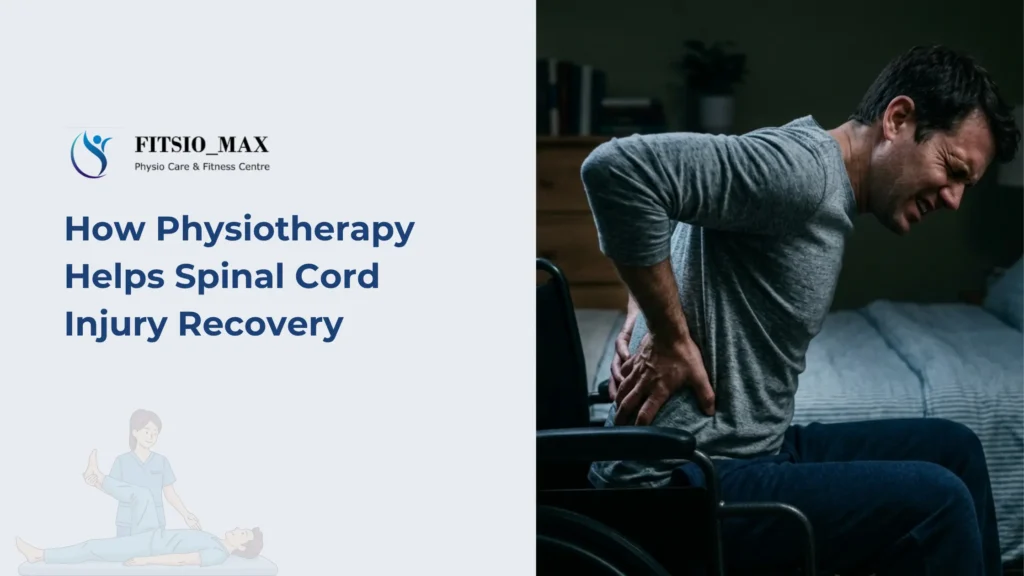
How Physiotherapy Helps Spinal Cord Injury Recovery

How Physiotherapy Helps Spinal Cord Injury Recovery Introduction A spinal cord injury can suddenly change how a person moves, feels, and lives. Simple daily activities may become difficult, and recovery can feel uncertain. This is where spinal cord injury rehabilitation becomes essential. With structured physiotherapy and expert guidance like the care approach followed at Fitsiomax patients can gradually regain mobility and improve their quality of life. In this blog, you will learn how physiotherapy supports recovery and what to expect during the process. rehabilitation after spinal cord injury Rehabilitation after spinal cord injury focuses on restoring movement, function, and independence through structured therapy and care. It is a long-term recovery process guided by trained professionals. What it is It includes physical therapy, mobility training, and lifestyle adjustments to help the body adapt after injury.Who it is for People with partial or complete spinal cord injuries Patients recovering after surgery or trauma Key benefits Improves strength and mobility Helps regain daily function Reduces stiffness and complications Safety / considerations Must be supervised by professionals Progress varies based on injury severity spinal cord injury physical therapy Spinal cord injury physical therapy helps improve muscle strength, coordination, and movement through guided exercises. It is a core part of spinal cord injury rehabilitation. What it is A specialized therapy focused on restoring movement and functional ability. Who it is for Patients with limited mobility Individuals needing muscle re-education Key benefits Enhances muscle control Prevents muscle loss Improves blood circulation Safety / considerations Exercises must match patient ability Avoid overtraining or incorrect posture spinal cord physiotherapy Spinal cord physiotherapy aims to restore physical function and prevent complications after injury. It combines exercise therapy and manual techniques. What it is A structured program involving stretching, strengthening, and mobility exercises. Who it is for Individuals with nerve damage Patients needing long-term recovery care Key benefits Reduces stiffness and pain Improves posture and balance Supports nerve recovery Safety / considerations Requires consistency Needs proper evaluation before starting physiotherapy for spinal cord injury Physiotherapy for spinal cord injury helps patients regain independence by improving movement and daily function. It is customized based on the injury level. What it is A personalized treatment plan tailored to recovery goals. Who it is for Patients with partial paralysis Individuals in different recovery stages Key benefits Improves independence Enhances daily activity performance Supports emotional well-being Safety / considerations Recovery may take time Requires regular monitoring spinal cord injury recovery exercises Spinal cord injury recovery exercises help strengthen muscles and improve mobility over time. These are essential in spinal cord injury rehabilitation. What it is Targeted exercises designed to improve flexibility, strength, and coordination. Who it is for Patients in rehabilitation programs Individuals continuing recovery at home Key benefits Builds muscle strength Improves flexibility Supports long-term recovery Safety / considerations Should be guided initially Avoid advanced exercises without supervision neuro physiotherapy treatment Neuro physiotherapy treatment focuses on improving movement affected by nerve damage or neurological conditions. It plays a major role in spinal cord injury rehabilitation. What it is A therapy that targets the nervous system and motor function. Who it is for Patients with neurological impairments Individuals with paralysis or coordination issues Key benefits Improves brain-muscle coordination Enhances balance and stability Supports functional recovery Safety / considerations Needs expert supervision Requires patience and consistency Conclusion Recovering from a spinal injury is a gradual and structured journey. Spinal cord injury rehabilitation helps improve strength, mobility, and independence through consistent physiotherapy. With expert-guided caresuch as programs offered at Fitsiomax, which focus on personalized treatment and long-term recovery patients can steadily improve their functional abilities and quality of life over time.   Book Your Appointment at Fitsiomax – Chennai Visit fitsiomax.clinic | Call us | Walk into our clinic in Chennai Frequently Asked Questions 1. How long does spinal cord injury recovery take? Recovery time varies depending on the severity of the injury. In most cases, it can take months or even years. Based on general practice, professionals usually recommend continuous physiotherapy to maintain progress and prevent complications. 2. Can physiotherapy fully cure spinal cord injuries? Physiotherapy cannot fully cure spinal cord injuries, but it helps improve function and independence. In most cases, it supports recovery through strength and mobility training. Professionals usually recommend it as part of long-term care. 3. When should physiotherapy start after a spinal injury? Physiotherapy should begin once the patient is medically stable. In most cases, early intervention improves recovery outcomes. Based on general practice, professionals usually recommend starting rehabilitation as soon as possible. 4. Are home exercises safe for spinal injury patients? Home exercises are safe when prescribed by a physiotherapist. In most cases, guided routines help improve recovery. Professionals usually recommend avoiding unsupervised exercises to prevent strain or injury. 5. What are the main goals of spinal rehabilitation? The main goals are to restore movement, improve independence, and prevent complications. In most cases, rehabilitation focuses on strength, mobility, and daily function. Professionals usually recommend a structured therapy plan. 6. Does neuro physiotherapy help paralysis recovery? Neuro physiotherapy can support paralysis recovery by improving nerve-muscle coordination. In most cases, it enhances functional ability gradually. Based on general practice, professionals usually recommend consistent therapy for better outcomes. Recovery time varies depending on the severity of the injury. In most cases, it can take months or even years. Based on general practice, professionals usually recommend continuous physiotherapy to maintain progress and prevent complications. Physiotherapy cannot fully cure spinal cord injuries, but it helps improve function and independence. In most cases, it supports recovery through strength and mobility training. Professionals usually recommend it as part of long-term care. Physiotherapy should begin once the patient is medically stable. In most cases, early intervention improves recovery outcomes. Based on general practice, professionals usually recommend starting rehabilitation as soon as possible. Home exercises are safe when prescribed by a physiotherapist. In most cases, guided routines help improve recovery. Professionals usually recommend avoiding unsupervised exercises to prevent strain or injury. The main goals are to restore

10 Physiotherapy Exercises at Home for Pain Relief
Blog

10 Physiotherapy Exercises at Home for Pain Relief 

Physiotherapy Exercises at Home: 10 Examples to Discuss Introduction Home exercises may be part of an individual physiotherapy plan. The right movements, frequency and progression depend on your symptoms, assessment and goals. This article describes ten examples to discuss with your physiotherapist; it is not a treatment programme for every reader. Fitsiomax offers clinic appointments and online consultation enquiries. Home physiotherapy visits are unavailable. Do not assume every exercise below is suitable for you. Ask for guidance if you have an injury, recent surgery, pregnancy-related symptoms, balance difficulties or another health condition. Do not push through worsening symptoms. What Are Physiotherapy Exercises at Home? A physiotherapist may recommend exercises to practise between appointments to support movement, strength and daily activities. They should explain how to do them, how much to practise and when to review progress. Read the NHS overview of physiotherapy for general background. Who Can Benefit from Physiotherapy Exercises at Home? People with some muscle, joint or movement-related symptoms may receive home exercises after assessment. Post-surgery programmes should follow the guidance of the treating healthcare team. Older adults may need modifications, support and balance assessment. 10 Home Exercise Examples to Discuss With a Physiotherapist Exercise 1: Pelvic Tilt A pelvic tilt involves a small, controlled change in the position of the pelvis, often while lying with the knees bent. Ask your physiotherapist to demonstrate the movement and choose a comfortable range. It is not a guaranteed treatment for back pain. Exercise 2: Cat-Cow or Cat-Camel Movement This movement alternates gentle rounding and arching of the back, usually on hands and knees. Your clinician can advise on the range and whether this position suits your wrists, knees and back. Avoid forcing the movement. Exercise 3: Knee-to-Chest Movement This example brings a bent knee towards the chest while lying on the back. It should be comfortable and suited to your condition. It does not instantly decompress a disc or replace assessment of back or hip symptoms. Exercise 4: Shoulder Blade Movement Shoulder blade movements may be included in a plan for upper-body movement and control. Ask your physiotherapist to demonstrate a comfortable position and technique. Neck and shoulder pain can have several causes, so posture alone does not explain every symptom. Exercise 5: Straight Leg Raise A straight leg raise involves lifting a straight leg while lying down. It may form part of an individually selected strengthening plan. It is not suitable for every knee condition or stage of recovery; follow your treating clinician's instructions. Exercise 6: Standing Calf Raise A calf raise involves a controlled rise onto the toes and lowering of the heels. A physiotherapist can advise whether it suits your ankle, foot or rehabilitation needs and whether support is required. It does not guarantee injury prevention. Exercise 7: Glute Bridge A glute bridge is a floor exercise, different from a standing calf raise. It begins lying on the back with the knees bent and feet supported, then lifting and lowering the pelvis with control. Ask your physiotherapist to demonstrate the version, range and repetitions that suit you. Bridging is described in the WWL NHS low back exercise leaflet. The leaflet contains different exercise levels and is not an individual prescription for this page's readers. Exercise 8: Chin Tuck A chin tuck involves a small backward movement of the chin without forcing the head into a position. Ask for a demonstration and guidance on whether it suits your neck symptoms. Neck pain and headaches need assessment rather than a presumed posture diagnosis. Exercise 9: Standing Hip Abduction Standing hip abduction moves one leg out to the side while keeping the body controlled. Balance support and a suitable range may be needed. Your physiotherapist should advise on technique and whether standing is an appropriate position for you. Exercise 10: Relaxed Breathing Relaxed breathing may be discussed as part of pacing and relaxation advice. Practise comfortably, without forcing a breath or holding it for a fixed count. It is not a treatment for every cause of pain or a guaranteed nervous system reset. How to Build an Individual Home Exercise Plan Discuss your symptoms, medical history and goals at an assessment. Ask which exercises suit you and request a demonstration. Confirm your individual range, repetitions, frequency and any precautions. Agree how to progress and when to review the plan. Report worsening or unexpected symptoms to your healthcare professional. Book Your Appointment at Fitsiomax – Chennai Explore our Chennai physiotherapy clinics or contact Fitsiomax to enquire about an assessment and individual exercise guidance. Frequently Asked Questions 1. What are the best physiotherapy exercises at home for pain relief? There is no single best exercise list for everyone with pain. A physiotherapist should select movements around your symptoms, abilities and goals and explain the technique and progression. 2. Can physiotherapy exercises at home replace clinic visits? Home exercises and clinic appointments serve different purposes. Some exercises can be practised between visits after guidance. An assessment helps decide what care is appropriate; a generic blog does not establish that home exercises are equivalent to clinic treatment. 3. How long before physiotherapy exercises at home show results? Improvement varies between people and conditions. Agree review points with your physiotherapist and track activity and movement changes rather than relying on a fixed recovery deadline. 4. Are physiotherapy exercises at home safe for elderly people? Older adults may need adapted exercises and support. Consider balance, mobility and other medical conditions with a clinician before using an exercise list. The ten examples here are not automatically suitable for every older adult. 5. How many times per week should I do physiotherapy exercises at home? Follow your individual exercise plan. Your clinician should advise on repetitions, frequency, rest and progression; daily practice of every exercise is not appropriate for everyone. 6. Do I need equipment for physiotherapy exercises at home? Some home exercises use little equipment, but safe space, suitable support or equipment may be needed for your individual plan. Ask your physiotherapist what is appropriate for

disc bulge treatment at home
Blog

Suffering from Disc Bulge? 5 Proven Ways to Recover Faster

Suffering from Disc Bulge? 5 Proven Ways to Recover Faster Introduction You wake up one morning and your lower back is stiff, your leg feels numb, and sitting down feels impossible. Sound familiar? Disc bulge is one of the most common spinal conditions affecting millions of people worldwide, yet it is also one of the most misunderstood. The good news is that most people recover well without surgery. Understanding the right disc bulge treatment at home can make a real difference in how quickly and comfortably you heal. In this guide, you will learn what a disc bulge actually is, five evidence-backed ways to speed up your recovery, how long recovery typically takes, and which exercises help or harm. The Fitsiomax team has put together this resource to give you clear, practical steps to move forward  whether your pain is mild or severe. What Is Slipped Disc Treatment at Home and Does It Really Work? Slipped disc treatment at home refers to a set of non-surgical strategies, including rest, specific exercises, posture correction, and pain management, that help reduce disc bulge symptoms. In most cases, these methods are effective for mild to moderate disc bulge when followed consistently. What Is a Disc Bulge? A disc bulge occurs when the soft, gel-like centre of a spinal disc pushes outward against its outer layer. This can press on nearby nerves, causing pain, tingling, or numbness in the back, legs, or arms. It is different from a herniated disc, where the inner material fully ruptures through the outer wall. To understand the key differences, see our guide on disc bulge vs herniated disc: what is the difference.   Who Benefits from Home-Based Treatment? Home treatment works best for people with mild to moderate symptoms and no serious neurological signs such as loss of bladder or bowel control. It is appropriate for most first-time episodes and recurring lower back pain caused by disc changes. Key Home Treatment Approaches     Controlled movement and gentle activity (avoid complete bed rest)     Ice or heat therapy during flare-ups     Over-the-counter anti-inflammatory medication (as directed by a doctor)     Posture correction during sitting, standing, and sleeping     Targeted exercises to strengthen the spine’s support muscles  see     our beginner’s guide to spinal strengthening exercises Safety Considerations Always consult a healthcare professional before starting any home treatment plan. Seek urgent medical attention if you experience weakness in the legs, loss of bladder or bowel control, or severe unrelenting pain. These may indicate a more serious condition requiring immediate care. Which Disc Bulge Exercises Help You Recover Faster? Disc bulge exercises are specific movements designed to decompress the spine, strengthen supporting muscles, and reduce pressure on the affected disc. Professionals usually recommend low-impact exercises like pelvic tilts, cat-cow stretches, and McKenzie extensions as first-line options. Why Exercise Matters Staying active is one of the most important things you can do during disc bulge recovery. Prolonged rest weakens the muscles that support your spine, which can make the condition worse over time. The goal of exercise is not to push through pain. It is to gently restore movement, reduce stiffness, and build the strength your spine needs to protect itself.   Best Exercises for Disc Bulge     Pelvic tilts: Strengthen the deep core muscles without stressing the spine     Cat-cow stretch: Gently mobilises the lumbar spine and reduces stiffness     McKenzie press-up: Helps centralise disc pain by extending the lower back     Bird-dog: Improves spinal stability with minimal disc compression     Knee-to-chest stretch: Reduces nerve tension and lower back tightness Exercises to Avoid Certain exercises increase pressure on bulging discs and should be avoided, especially in the early stages of recovery.     Heavy deadlifts and squats with added weight     Sit-ups and crunches that flex the lumbar spine     High-impact activities such as running or jumping     Bending forward repetitively under load Who These Exercises Are For These exercises are suitable for most adults with a diagnosed or suspected disc bulge who have no neurological symptoms. They are best performed under guidance from a physiotherapist, especially in the early stages. Safety Considerations Stop any exercise that causes sharp, radiating, or worsening pain. Pain that travels down the leg (sciatica) during exercise is a signal to pause and reassess with a professional. How to Cure Disc Bulge Naturally: Is It Possible? While the word ‘cure’ overstates what natural methods can guarantee, disc bulge can heal naturally in many cases. The disc has a limited blood supply, so healing is slow, but research shows that disc bulges often reduce in size over time with consistent conservative care. What Natural Recovery Actually Means Natural recovery means allowing the body’s own repair mechanisms to work while reducing the factors that caused the problem in the first place. This includes reducing inflammation, improving circulation, and restoring healthy spinal mechanics. Many people ask how to fix disc bulge without surgery, and the honest answer is that the majority of cases resolve with time and the right approach. For a deeper look at conservative options, read our article on non-surgical treatment options for spinal disc conditions. Natural Strategies That Support Recovery     Anti-inflammatory nutrition: Include omega-3 rich foods, leafy greens, and reduce processed food     Adequate hydration: Spinal discs are largely made of water and require hydration to maintain their height and shock-absorbing ability     Quality sleep: The spine decompresses during sleep; this is when disc tissues repair     Stress management: Chronic stress increases pain sensitivity and slows healing     Structured home exercise programmes guided by a physiotherapist  explore physiotherapy for disc bulge: what to expect and how it helps     Consistency with a trusted programme  at Fitsiomax every recovery plan is built around your specific disc level, symptoms, and lifestyle Who This Approach Suits Natural treatment is appropriate for people with confirmed disc bulge who are not experiencing severe neurological symptoms. It suits those who are willing

Scroll to Top