
Suffering from Disc Bulge? 5 Proven Ways to Recover Faster
Introduction
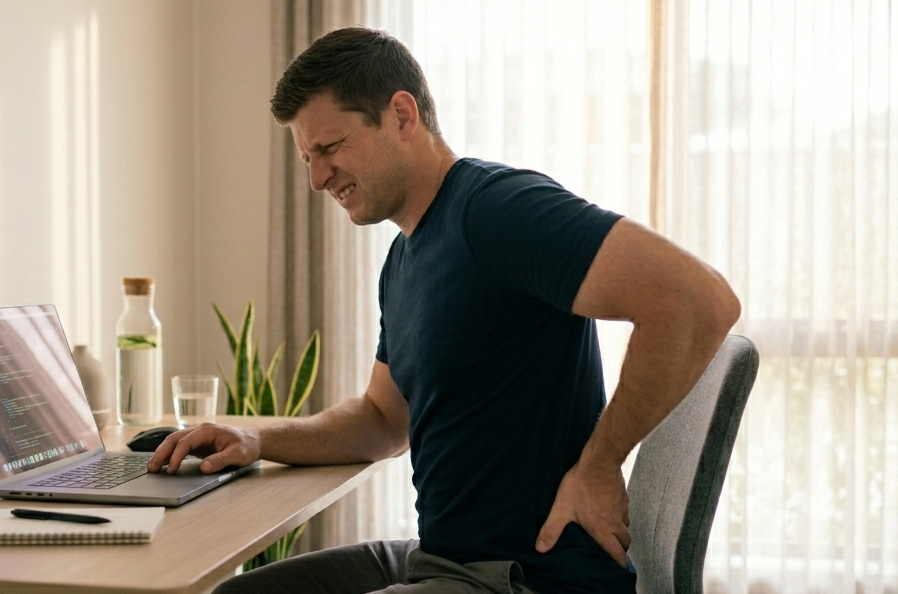
You wake up one morning and your lower back is stiff, your leg feels numb, and sitting down feels impossible. Sound familiar? Disc bulge is one of the most common spinal conditions affecting millions of people worldwide, yet it is also one of the most misunderstood.
The good news is that most people recover well without surgery. Understanding the right disc bulge treatment at home can make a real difference in how quickly and comfortably you heal.
In this guide, you will learn what a disc bulge actually is, five evidence-backed ways to speed up your recovery, how long recovery typically takes, and which exercises help or harm. The Fitsiomax team has put together this resource to give you clear, practical steps to move forward whether your pain is mild or severe.
What Is Slipped Disc Treatment at Home and Does It Really Work?
Slipped disc treatment at home refers to a set of non-surgical strategies, including rest, specific exercises, posture correction, and pain management, that help reduce disc bulge symptoms. In most cases, these methods are effective for mild to moderate disc bulge when followed consistently.
What Is a Disc Bulge?
A disc bulge occurs when the soft, gel-like centre of a spinal disc pushes outward against its outer layer. This can press on nearby nerves, causing pain, tingling, or numbness in the back, legs, or arms. It is different from a herniated disc, where the inner material fully ruptures through the outer wall. To understand the key differences, see our guide on disc bulge vs herniated disc: what is the difference.
Who Benefits from Home-Based Treatment?
Home treatment works best for people with mild to moderate symptoms and no serious neurological signs such as loss of bladder or bowel control. It is appropriate for most first-time episodes and recurring lower back pain caused by disc changes.
Key Home Treatment Approaches
- Controlled movement and gentle activity (avoid complete bed rest)
- Ice or heat therapy during flare-ups
- Over-the-counter anti-inflammatory medication (as directed by a doctor)
- Posture correction during sitting, standing, and sleeping
- Targeted exercises to strengthen the spine’s support muscles see
- our beginner’s guide to spinal strengthening exercises
Safety Considerations
Always consult a healthcare professional before starting any home treatment plan. Seek urgent medical attention if you experience weakness in the legs, loss of bladder or bowel control, or severe unrelenting pain. These may indicate a more serious condition requiring immediate care.
Which Disc Bulge Exercises Help You Recover Faster?
Disc bulge exercises are specific movements designed to decompress the spine, strengthen supporting muscles, and reduce pressure on the affected disc. Professionals usually recommend low-impact exercises like pelvic tilts, cat-cow stretches, and McKenzie extensions as first-line options.
Why Exercise Matters
Staying active is one of the most important things you can do during disc bulge recovery. Prolonged rest weakens the muscles that support your spine, which can make the condition worse over time. The goal of exercise is not to push through pain. It is to gently restore movement, reduce stiffness, and build the strength your spine needs to protect itself.
Best Exercises for Disc Bulge
- Pelvic tilts: Strengthen the deep core muscles without stressing the spine
- Cat-cow stretch: Gently mobilises the lumbar spine and reduces stiffness
- McKenzie press-up: Helps centralise disc pain by extending the lower back
- Bird-dog: Improves spinal stability with minimal disc compression
- Knee-to-chest stretch: Reduces nerve tension and lower back tightness
Exercises to Avoid
Certain exercises increase pressure on bulging discs and should be avoided, especially in the early stages of recovery.
- Heavy deadlifts and squats with added weight
- Sit-ups and crunches that flex the lumbar spine
- High-impact activities such as running or jumping
- Bending forward repetitively under load
Who These Exercises Are For
These exercises are suitable for most adults with a diagnosed or suspected disc bulge who have no neurological symptoms. They are best performed under guidance from a physiotherapist, especially in the early stages.
Safety Considerations
Stop any exercise that causes sharp, radiating, or worsening pain. Pain that travels down the leg (sciatica) during exercise is a signal to pause and reassess with a professional.
How to Cure Disc Bulge Naturally: Is It Possible?
While the word ‘cure’ overstates what natural methods can guarantee, disc bulge can heal naturally in many cases. The disc has a limited blood supply, so healing is slow, but research shows that disc bulges often reduce in size over time with consistent conservative care.
What Natural Recovery Actually Means
Natural recovery means allowing the body’s own repair mechanisms to work while reducing the factors that caused the problem in the first place. This includes reducing inflammation, improving circulation, and restoring healthy spinal mechanics.
Many people ask how to fix disc bulge without surgery, and the honest answer is that the majority of cases resolve with time and the right approach. For a deeper look at conservative options, read our article on non-surgical treatment options for spinal disc conditions.
Natural Strategies That Support Recovery
- Anti-inflammatory nutrition: Include omega-3 rich foods, leafy greens, and reduce processed food
- Adequate hydration: Spinal discs are largely made of water and require hydration to maintain their height and shock-absorbing ability
- Quality sleep: The spine decompresses during sleep; this is when disc tissues repair
- Stress management: Chronic stress increases pain sensitivity and slows healing
- Structured home exercise programmes guided by a physiotherapist explore physiotherapy for disc bulge: what to expect and how it helps
- Consistency with a trusted programme at Fitsiomax every recovery plan is built around your specific disc level, symptoms, and lifestyle
Who This Approach Suits
Natural treatment is appropriate for people with confirmed disc bulge who are not experiencing severe neurological symptoms. It suits those who are willing to be consistent with lifestyle changes over several weeks to months.
Safety Considerations
Natural methods should complement, not replace, professional medical advice. If symptoms are not improving after six to eight weeks of conservative care, a further medical review is recommended.
What Is the Typical Disc Bulge Recovery Time?
Disc bulge recovery time varies based on the severity of the bulge, the level of the spine affected, and how consistently treatment is followed. In most cases, noticeable improvement occurs within four to six weeks, while full recovery may take three to six months.
What Affects Recovery Time?
Recovery is not one-size-fits-all. Several factors influence how quickly a disc bulge heals, including age, overall health, the degree of nerve involvement, and lifestyle habits. People who begin a structured rehabilitation programme early, avoid prolonged sitting, and stay active within pain limits tend to recover faster than those who rest completely.
General Recovery Timeline
- Weeks 1 to 2: Focus on pain management, gentle movement, and avoiding aggravating activities
- Weeks 2 to 6: Begin guided exercises, improve posture, and gradually increase activity levels
- Weeks 6 to 12: Return to most normal activities; continue strengthening exercises
- Months 3 to 6: Aim for full functional recovery; maintain long-term exercise habits
When Recovery Takes Longer
Recovery may take longer if the disc bulge is at the L4-L5 or L5-S1 level with significant nerve compression, if there are multiple disc levels involved, or if there are other contributing factors such as obesity, poor posture habits, or a physically demanding job. The best sleeping position for disc bulge, consistently applied, can also shorten recovery. For detailed guidance, read our article on best sleeping positions for lower back pain and disc conditions.
Safety Considerations
Do not judge recovery by pain alone. Some days will be better than others. Functional improvement, such as walking further or sitting longer without pain, is a more reliable indicator of progress.
What Are the Most Effective Lower Back Disc Bulge Treatment Options?
Lower back disc bulge treatment combines multiple approaches: physiotherapy, targeted exercises, posture correction, and anti-inflammatory strategies. Based on general practice, a structured physiotherapy programme is the most reliable conservative treatment for lumbar disc bulge.
Why the Lower Back Is Most Affected
The lumbar spine (lower back) bears the most mechanical load in the body. The L4-L5 and L5-S1 discs are the most commonly affected levels because they absorb the greatest compressive forces during daily activities like bending, lifting, and sitting
Core Treatment Options for Lower Back Disc Bulge
- Physiotherapy: A tailored programme that addresses muscle imbalances, movement patterns, and disc loading
- McKenzie Method: A directional preference-based approach widely used for lumbar disc conditions
- TENS therapy: Transcutaneous electrical nerve stimulation can temporarily reduce lower back pain
- Spinal decompression therapy: Mechanical traction to reduce disc pressure; usually performed by a professional
- Ergonomic and lifestyle modification for practical tips, see our guide on ergonomic setup for lower back pain: desk, chair and posture tips
The Role of Posture in Lower Back Disc Bulge
Poor posture is one of the leading contributors to lower back disc problems. Sitting in a slouched position increases disc pressure significantly compared to standing or lying down. Making consistent posture changes, such as using a lumbar support cushion, taking regular standing breaks, and avoiding deep forward bending, can reduce pain and prevent further disc aggravation.
Who This Is For
Lower back disc bulge treatment is relevant for anyone experiencing lumbar pain, buttock pain, or leg pain caused by a confirmed or suspected disc bulge at any lumbar level. It suits all age groups and fitness levels, with modifications for each individual.
Safety Considerations
If lower back pain is accompanied by fever, unexplained weight loss, or difficulty walking, consult a doctor promptly. These symptoms may indicate a cause other than disc bulge that requires urgent assessment.
Conclusion
Recovering from a disc bulge takes time, patience, and the right approach. The most important takeaways from this guide are that disc bulge treatment at home is effective for most people when it combines exercise, posture correction, and consistent healthy habits. There is no single quick fix. But by understanding your condition, following evidence-based strategies, and working with a qualified professional where needed, most people can return to their normal lives without surgery.
Visit fitsiomax.clinic | Call us | Walk into our clinic in Chennai
Frequently Asked Questions
1. Can a disc bulge heal completely on its own?
In most cases, yes. Research shows that disc bulges often reduce in size naturally over several months, especially with conservative management. The body’s immune system gradually reabsorbs the displaced disc material. Based on general practice, improvement is most reliable when combined with targeted physiotherapy and lifestyle changes rather than rest alone.
2.Is walking good for a disc bulge?
Walking is generally one of the best activities for disc bulge recovery. It promotes circulation, maintains mobility, and helps keep the spine’s supporting muscles active without placing significant compression on the disc. Professionals usually recommend starting with short, flat walks and gradually increasing duration as symptoms allow.
3. How do I know if my disc bulge is getting worse?
Signs that a disc bulge may be worsening include increasing leg pain or weakness, numbness spreading further down the leg, or loss of bladder or bowel control. If pain becomes unrelenting even at rest, you should seek prompt medical review. Based on general practice, early assessment leads to better outcomes.
4. Is heat or ice better for a disc bulge?
Both can help, depending on the stage of symptoms. Ice is generally recommended in the first 48 to 72 hours of acute pain to reduce inflammation. Heat is more useful for muscle spasm and chronic stiffness that follows. In most cases, alternating between the two after the initial phase offers the most relief.
5. Can I sit during disc bulge recovery?
Sitting is one of the highest-pressure positions for lumbar discs and should be limited, especially in the early stages. Professionals usually recommend sitting for no longer than 20 to 30 minutes at a time and using a chair with good lumbar support. Avoid sitting on very soft surfaces or slouching forward.
6. Do I need an MRI to confirm a disc bulge?
An MRI is the gold standard for confirming a disc bulge, but it is not always necessary before starting conservative treatment. In most cases, a clinical examination by a physiotherapist or doctor is sufficient to begin a treatment plan. An MRI becomes important if symptoms are severe, if neurological signs are present, or if there is no improvement after six to eight weeks.