
Why Heel Pain Gets Worse After Rest: Causes, Treatment and Prevention
Introduction
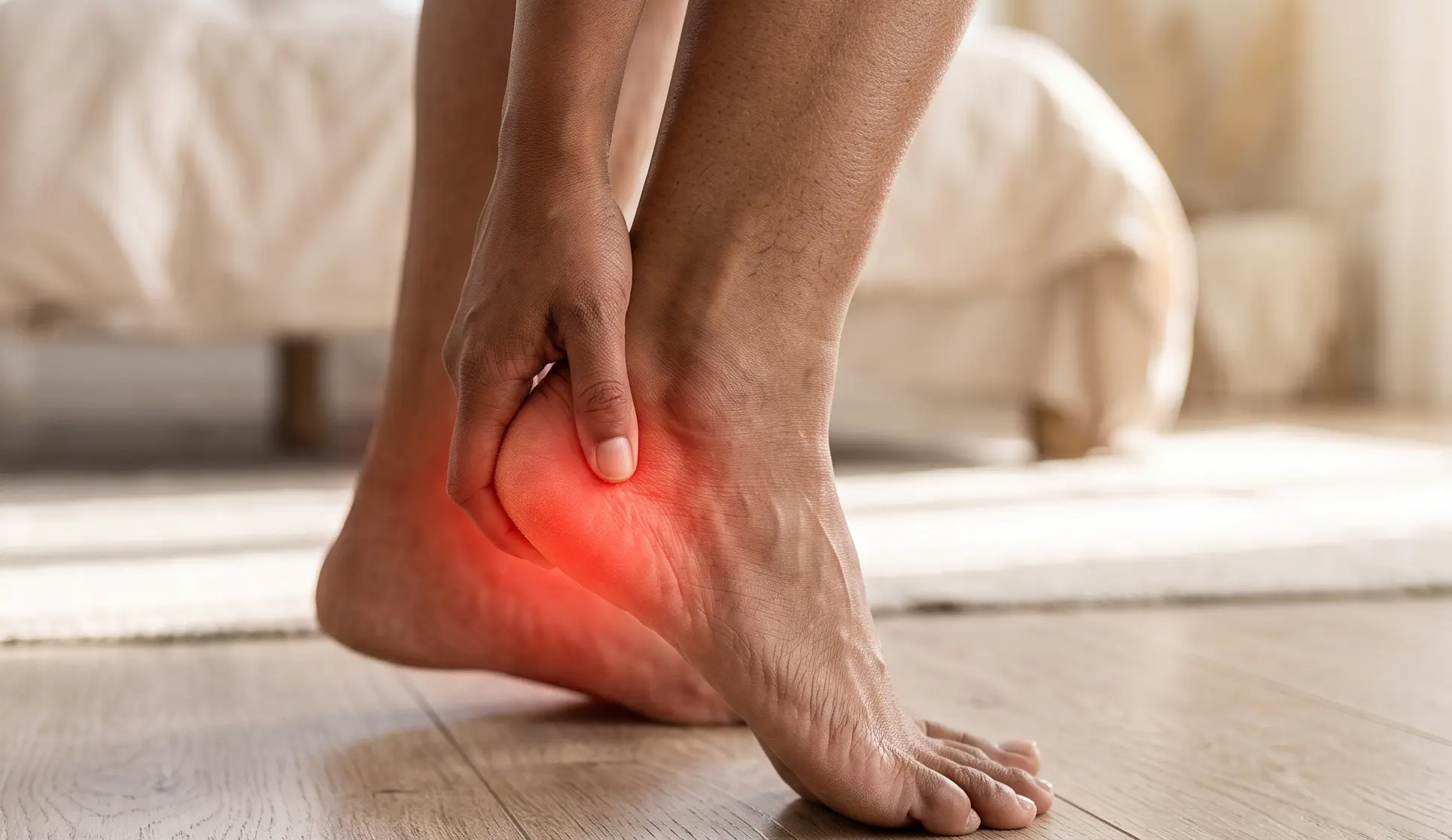
Have you ever noticed that your first few steps in the morning are the most painful? Or perhaps your heel hurts after sitting through a long meeting or relaxing on the sofa? If so, you’re not alone. Many people experience heel pain after rest, but they often ignore it, assuming it will go away on its own. While the pain may ease after walking for a few minutes, recurring discomfort can be a sign of an underlying condition such as plantar fasciitis, Achilles tendon irritation, or a heel spur.
Seeking the right heel pain treatment early can help prevent the condition from affecting your daily routine, work, exercise, or quality of life. At Fitsiomax Physiotherapy & Fitness Centre, our experienced physiotherapists help patients across Anna Nagar, T. Nagar, Parrys, and ECR with evidence-based rehabilitation programs designed to reduce pain, improve mobility, and restore function.
Heel pain often feels worse after resting because the tissues supporting your heel tighten while you are inactive. When you take your first steps, these tissues are suddenly stretched, causing pain. Conditions such as plantar fasciitis, Achilles tendon irritation, and heel spurs are common causes. Physiotherapy, stretching, strengthening exercises, and lifestyle changes may help relieve symptoms and improve mobility.
What Is Heel Pain?
Heel pain refers to discomfort felt underneath, behind, or around the heel bone. It can range from mild soreness to sharp, stabbing pain that makes walking difficult.
Many patients notice heel pain in the morning or immediately after getting up from a chair. The discomfort often improves with movement but returns after long periods of sitting or standing.
Although anyone can develop heel pain, identifying the underlying cause is essential for choosing the right treatment.
What Causes Heel Pain After Rest?
Several conditions may contribute to heel pain after periods of inactivity.
Plantar Fasciitis
The most common cause of pain under the heel is plantar fasciitis. The plantar fascia is a thick band of tissue that supports the arch of your foot. During rest, this tissue tightens slightly. When you stand, it stretches suddenly, causing pain during the first few steps.
Achilles Tendon Pain
The Achilles tendon connects your calf muscles to your heel bone. Overuse, tight calf muscles, or sports activities may irritate this tendon, leading to pain and stiffness after resting.
Heel Spur
Heel spurs are calcium deposits that develop on the heel bone. While not every heel spur causes symptoms, it may contribute to chronic heel pain, especially when combined with plantar fasciitis.
Long Hours of Standing
Teachers, healthcare professionals, retail staff, factory workers, and others who stand for long periods place repeated stress on the heel.
Poor Footwear
Shoes without proper cushioning or arch support increase pressure on the heel and may worsen symptoms over time.
Medical Conditions
In some individuals, foot pain caused by diabetes, inflammatory arthritis, or heel pain caused by uric acid (gout) may contribute to heel discomfort. These conditions require proper medical evaluation in addition to physiotherapy when appropriate.
Common Symptoms of Heel Pain
Symptoms vary depending on the underlying condition.
Common signs include:
- Sharp heel pain during the first steps in the morning
- Heel pain after sitting for a long time
- Pain under the heel while walking
- Tenderness near the heel bone
- Stiffness after resting
- Pain after walking all day
- Swelling around the heel
- Tight calf muscles
- Difficulty standing for long periods
- Reduced comfort during exercise
If pain becomes severe, is associated with significant swelling, redness, fever, or follows an injury, seek prompt medical assessment.
Who Is More Likely to Develop Heel Pain?
Heel pain can affect people of all ages, but certain groups are at greater risk.
You may be more likely to experience heel pain if you are:
- An office worker with limited daily movement
- A teacher or healthcare worker who stands for long hours
- A runner or athlete
- A senior citizen
- Overweight or obese
- Wearing unsupportive footwear regularly
- Recovering from lower-limb injuries
- Living with diabetes or inflammatory joint conditions
Early intervention can help reduce symptoms before they become chronic.
Can Physiotherapy Help Heel Pain?
Yes. Physiotherapy is one of the most effective conservative approaches for many causes of heel pain.
Following a detailed assessment, a physiotherapist identifies movement limitations, muscle tightness, foot mechanics, and walking patterns before creating a personalized treatment plan.
Rather than simply relieving pain temporarily, physiotherapy focuses on improving flexibility, strengthening supporting muscles, correcting movement patterns, and reducing stress on the heel.
Physiotherapy Treatment Methods for Heel Pain
At Fitsiomax, every treatment plan is tailored to the individual’s condition and lifestyle.
Manual Therapy
Hands-on techniques may help reduce muscle tightness and improve joint mobility.
Stretching Exercises
Stretching the calf muscles and plantar fascia can reduce stiffness and improve flexibility.
Strengthening Exercises
Exercises targeting the foot muscles, calf muscles, and ankle help provide better support during walking.
Gait Assessment
Walking patterns are assessed to identify abnormal foot mechanics that may contribute to heel pain.
Posture and Footwear Advice
Patients receive practical guidance on footwear selection, standing posture, workplace ergonomics, and activity modification.
Pain Management
Depending on your assessment, your physiotherapist may recommend appropriate techniques to help reduce discomfort while improving movement.
Heel Pain Treatment at Home
Home care may help relieve mild symptoms alongside professional treatment.
You can:
- Stretch your calf muscles every day.
- Perform gentle plantar fascia stretches before getting out of bed.
- Avoid walking barefoot on hard floors.
- Wear supportive footwear.
- Apply a cold pack for short periods if recommended.
- Avoid sudden increases in physical activity.
- Maintain a healthy body weight.
- Follow your prescribed physiotherapy exercises consistently.
Avoid self-diagnosing persistent heel pain, especially if symptoms continue for several weeks.
How Can You Prevent Heel Pain?
Simple daily habits can reduce your risk.
- Warm up before exercise.
- Stretch after long periods of sitting.
- Replace worn-out shoes.
- Maintain healthy body weight.
- Avoid standing continuously for several hours.
- Strengthen your foot and calf muscles.
- Take regular movement breaks during work.
- Increase activity gradually rather than suddenly.
These preventive measures can support long-term foot health and reduce the likelihood of recurring pain.
When Should You Consult a Physiotherapist?
Book an assessment if you experience:
- Heel pain lasting longer than one week
- Pain every morning
- Difficulty walking comfortably
- Pain after sitting or resting
- Pain affecting work or sports
- Recurrent heel pain despite home care
- Swelling or reduced foot movement
Early physiotherapy assessment may help identify the cause and prevent symptoms from becoming more severe.
When Should You Consult a Physiotherapist?
Consider booking an assessment if you experience:
- Neck pain lasting more than one week
- Frequent stiffness
- Pain radiating to the shoulder or arm
- Tingling or numbness
- Reduced neck movement
- Weakness in the hands
- Recurrent headaches related to neck pain
- Difficulty performing daily activities
Early assessment helps identify the underlying cause and allows treatment to begin before symptoms become more severe.
Why Choose Fitsiomax Physiotherapy & Fitness Centre?
At Fitsiomax, we understand how persistent heel pain can affect every step of your day. Whether your discomfort is caused by plantar fasciitis, Achilles tendon irritation, or prolonged standing, our experienced physiotherapists provide personalised rehabilitation programs based on thorough clinical assessment.
Patients can visit our physiotherapy clinic in Anna Nagar, physiotherapy clinic in T. Nagar, physiotherapy clinic in Parrys, or physiotherapy clinic in ECR for comprehensive care. If you are searching for physiotherapy near me in Chennai for heel pain, our team focuses on improving mobility, reducing discomfort, and helping you return to daily activities safely.
Conclusion
Heel pain that feels worse after rest is not something you should ignore. Although the discomfort may improve after walking a few steps, recurring pain often indicates an underlying condition that deserves professional attention.
The right heel pain treatment depends on identifying the actual cause. Physiotherapy may help improve flexibility, strengthen the muscles that support your foot, correct movement patterns, and reduce stress on the heel. Combined with appropriate home care and lifestyle changes, many people experience improved mobility and greater comfort.
If heel pain is affecting your work, exercise, or daily routine, consult the experienced physiotherapists at Fitsiomax Physiotherapy & Fitness Centre. With clinics in Anna Nagar, T. Nagar, Parrys, and ECR, we are committed to helping people across Chennai move comfortably and confidently. Book your assessment today and take the first step toward healthier feet.
Visit fitsiomax.clinic | Call us | Walk into our clinic in Chennai
Frequently Asked Questions
1. Why does heel pain get worse after resting?
Heel pain often becomes worse after rest because the tissues around the heel tighten while you are inactive. When you take your first few steps, these tissues stretch suddenly, causing pain. This is commonly seen in plantar fasciitis and other heel conditions.
2. Can physiotherapy help heel pain?
Yes. Physiotherapy may help reduce pain, improve foot mobility, strengthen the muscles supporting the foot and ankle, correct walking patterns, and lower the risk of recurring heel pain. Treatment is tailored to each patient’s condition.
3. What is the most common cause of heel pain?
Plantar fasciitis is one of the most common causes of heel pain. Other possible causes include Achilles tendon irritation, heel spurs, prolonged standing, poor footwear, overuse injuries, and certain medical conditions such as arthritis or diabetes.
4. How can I relieve heel pain at home?
You may relieve mild heel pain by stretching your calf muscles and plantar fascia, wearing supportive footwear, avoiding prolonged standing, applying a cold pack if appropriate, and following exercises recommended by your physiotherapist. Persistent pain should be assessed by a healthcare professional.
5. When should I see a physiotherapist for heel pain?
Consult a physiotherapist if heel pain lasts longer than one week, returns frequently, affects your ability to walk or exercise, or is associated with swelling, numbness, or increasing discomfort. Early assessment may help identify the cause and support effective recovery.