
Joint Pain and Stiffness: When Is It More Than Just Aging?
Introduction
Many people believe that joint pain and stiffness are simply a part of getting older. While age can contribute to joint changes, persistent pain, swelling, or reduced movement should never be ignored. Joint discomfort may result from arthritis, sports injuries, poor posture, repetitive work, previous surgeries, or muscle weakness rather than aging alone.
If you’re looking for joint pain treatment in Chennai, early assessment and the right physiotherapy approach can help improve mobility, reduce discomfort, and support long-term joint health. At Fitsiomax Physiotherapy & Fitness Centre, our experienced physiotherapists provide personalized rehabilitation programs for people of all ages through our Anna Nagar, T. Nagar, Parrys, and ECR branches. Whether you’re an office worker, athlete, senior citizen, or recovering after surgery, physiotherapy can help you return to your daily activities with greater confidence.
Joint pain and stiffness are not always caused by aging. They may result from arthritis, injury, muscle weakness, poor posture, overuse, or inflammation. Early physiotherapy assessment, targeted exercises, and movement correction can help reduce pain, improve joint function, and prevent the condition from becoming worse.
What Is Joint Pain and Stiffness?
Joint pain refers to discomfort in the areas where two bones meet, while stiffness is difficulty moving the joint, especially after resting or waking up.
Although occasional soreness after physical activity is common, persistent stiffness lasting several weeks should be evaluated by a healthcare professional.
Commonly affected joints include:
- Knees
- Hips
- Shoulders
- Elbows
- Ankles
- Wrists
- Fingers
People often notice that routine activities such as climbing stairs, walking, lifting objects, or getting up from a chair become increasingly difficult.
What Causes Joint Pain?
Joint pain has many possible causes, and identifying the underlying reason is important before starting treatment.
Osteoarthritis
Age-related cartilage wear can lead to stiffness, pain, and reduced movement.
Rheumatoid Arthritis
This autoimmune condition causes inflammation that affects multiple joints and requires medical diagnosis along with rehabilitation.
Sports Injuries
Ligament injuries, tendon strains, cartilage damage, or repetitive athletic activities may lead to ongoing joint pain.
Poor Posture
Long hours of desk work, improper sitting positions, and inadequate ergonomics can overload the joints.
Muscle Weakness
Weak muscles provide less support to joints, increasing stress during movement.
Previous Surgery
Joint stiffness commonly develops after orthopedic surgeries if rehabilitation is delayed.
Excess Body Weight
Additional weight places greater pressure on weight-bearing joints like the knees and hips.
Common Symptoms
Symptoms vary depending on the underlying condition but may include:
- Persistent joint pain
- Morning stiffness
- Swelling
- Tenderness
- Reduced flexibility
- Clicking or grinding sensations
- Difficulty climbing stairs
- Pain while walking
- Difficulty lifting the arm
- Joint instability
- Reduced balance
- Fatigue during movement
If symptoms continue for several weeks, professional assessment is recommended.
Who Is Most at Risk?
Joint pain can affect people of every age.
Higher-risk groups include:
Office Workers
Long hours of sitting and poor workstation posture may increase stress on the spine, shoulders, hips, and knees.
Senior Citizens
Age-related cartilage changes and muscle weakness often contribute to reduced mobility.
Athletes
Repeated jumping, running, and high-impact activities increase joint stress.
People Recovering After Surgery
Joint replacement or ligament reconstruction requires structured rehabilitation to regain movement.
Physically Demanding Workers
Construction workers, factory employees, healthcare professionals, and drivers often perform repetitive movements that strain joints.
Can Physiotherapy Help Joint Pain?
Yes. Physiotherapy for joint pain focuses on improving movement rather than simply masking symptoms.
Following a detailed assessment, a physiotherapist creates an individualized treatment plan based on the patient’s condition, mobility, and daily activities.
Benefits may include:
- Improved joint flexibility
- Better muscle strength
- Reduced stiffness
- Improved balance
- Better walking ability
- Improved posture
- Enhanced movement confidence
- Lower risk of future injuries
Physiotherapy Treatment Methods
At Fitsiomax Physiotherapy & Fitness Centre, treatment plans are personalized rather than using the same exercises for everyone.
Manual Therapy
Hands-on techniques may help improve joint mobility and reduce stiffness.
Therapeutic Exercises
Strengthening and stretching exercises improve muscle support around painful joints.
Mobility Training
Gentle movement exercises help restore normal joint function.
Posture Correction
Patients learn healthier movement patterns for work and daily activities.
Functional Rehabilitation
Exercises are designed around real-life tasks such as walking, climbing stairs, lifting, and squatting.
Balance and Stability Training
Especially useful for senior citizens to reduce fall risk.
Home Exercise Program
Patients receive customized exercises that support recovery between physiotherapy sessions.
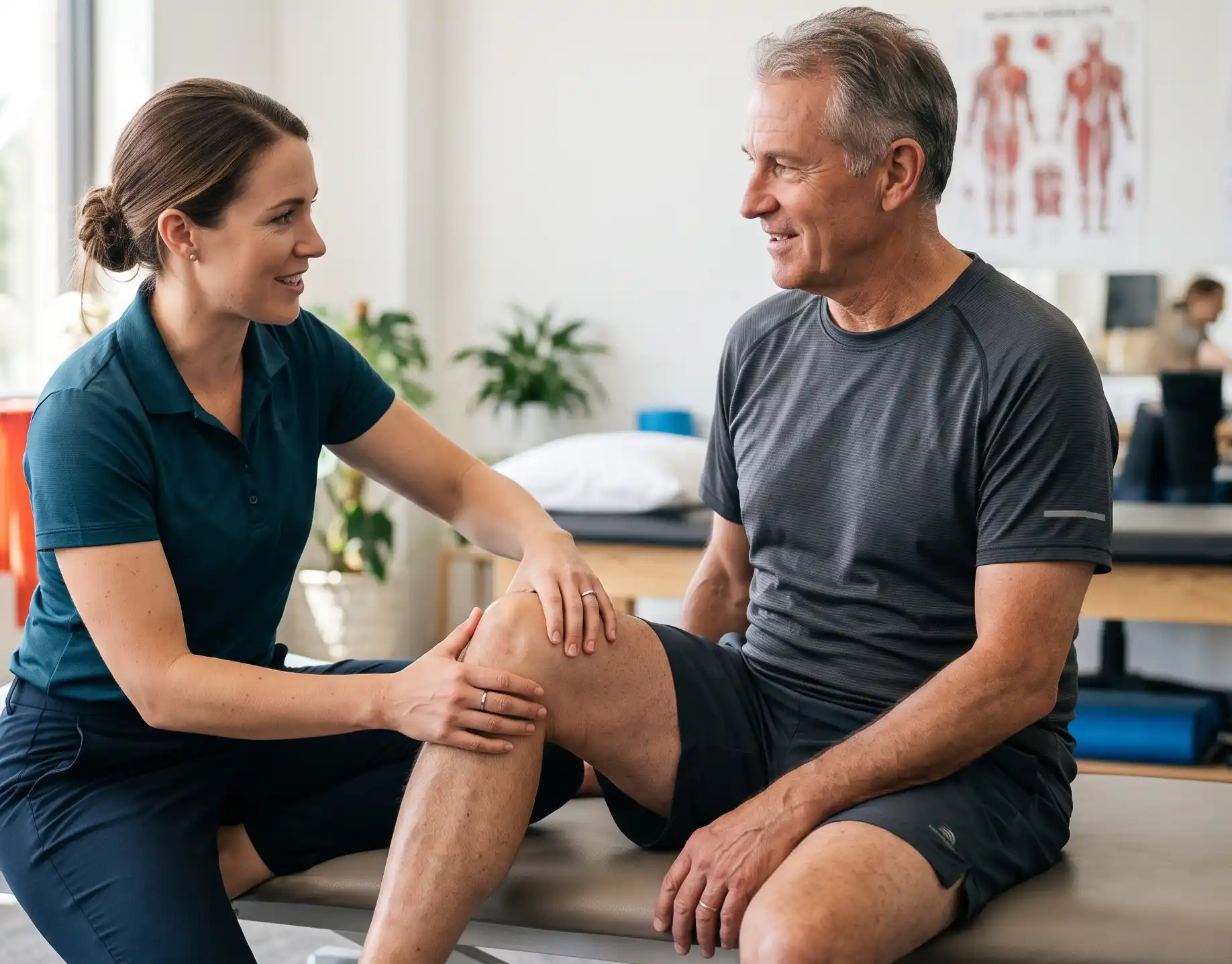
Knee Joint Pain Treatment
The knees are among the most commonly affected joints because they bear body weight throughout the day.
Many people searching for knee pain treatment without surgery in Chennai can benefit from conservative physiotherapy depending on their diagnosis.
Treatment may include:
- Quadriceps strengthening
- Hamstring stretching
- Hip strengthening
- Balance exercises
- Walking correction
- Functional movement training
Early intervention often helps improve function before the condition progresses.
Hip, Shoulder, and Elbow Joint Pain
Physiotherapy is also commonly recommended for:
Hip Joint Pain Treatment
Improving hip mobility, strengthening surrounding muscles, and restoring walking patterns.
Shoulder Joint Pain Treatment
Mobility exercises, rotator cuff strengthening, and posture correction for shoulder dysfunction.
Elbow Joint Pain Treatment
Treatment for repetitive strain injuries, sports-related conditions, and occupational overuse.
Prevention Tips
Although not every joint condition can be prevented, healthy habits may reduce risk.
- Stay physically active.
- Maintain a healthy weight.
- Strengthen muscles regularly.
- Stretch after exercise.
- Avoid sitting for prolonged periods.
- Lift objects using proper technique.
- Wear supportive footwear.
- Take regular movement breaks while working.
Small lifestyle changes often have a significant impact on long-term joint health.
When Should You Consult a Physiotherapist?
You should seek professional assessment if:
- Pain lasts longer than two weeks.
- Morning stiffness continues for more than 30 minutes.
- Joint swelling increases.
- Walking becomes difficult.
- Pain interferes with work or sleep.
- Recovery after injury feels slow.
- Daily activities become challenging.
Early assessment allows the physiotherapist to identify contributing factors and recommend the most appropriate rehabilitation plan.
Why Choose Fitsiomax Physiotherapy & Fitness Centre?
Fitsiomax Physiotherapy & Fitness Centre provides evidence-based physiotherapy services focused on improving movement, reducing pain, and supporting long-term recovery.
Our experienced physiotherapists assess each patient individually and design customized rehabilitation programs based on their condition, lifestyle, and recovery goals. Whether you need joint pain physiotherapy in Chennai, arthritis rehabilitation, post-surgery recovery, or sports injury management, our team is committed to patient-centered care.
With conveniently located branches in Anna Nagar, T. Nagar, Parrys, and ECR, accessing expert physiotherapy near you is simple and convenient.
Physiotherapy Near You in Chennai
If you’re searching for a physiotherapy clinic in Anna Nagar, physiotherapy clinic in T. Nagar, physiotherapy clinic in Parrys, or physiotherapy clinic in ECR, Fitsiomax offers personalized assessment and rehabilitation programs tailored to your needs.
Our physiotherapists focus on improving mobility, restoring function, and helping patients return to their everyday activities safely. If you’ve been searching for physiotherapy near me in Chennai, our experienced team is here to support your recovery with evidence-based care.
Conclusion
Heel pain that feels worse after rest is not something you should ignore. Although the discomfort may improve after walking a few steps, recurring pain often indicates an underlying condition that deserves professional attention.
The right heel pain treatment depends on identifying the actual cause. Physiotherapy may help improve flexibility, strengthen the muscles that support your foot, correct movement patterns, and reduce stress on the heel. Combined with appropriate home care and lifestyle changes, many people experience improved mobility and greater comfort.
If heel pain is affecting your work, exercise, or daily routine, consult the experienced physiotherapists at Fitsiomax Physiotherapy & Fitness Centre. With clinics in Anna Nagar, T. Nagar, Parrys, and ECR, we are committed to helping people across Chennai move comfortably and confidently. Book your assessment today and take the first step toward healthier feet.
Visit fitsiomax.clinic | Call us | Walk into our clinic in Chennai
Frequently Asked Questions
1. When should I seek joint pain treatment in Chennai?
You should consult a physiotherapist if your joint pain lasts more than two weeks, limits your daily activities, causes swelling or stiffness, or becomes worse over time. Early assessment can help identify the cause and support faster recovery.
2. Can physiotherapy help with joint pain and stiffness?
Yes. Physiotherapy can help reduce pain, improve joint mobility, increase muscle strength, and restore normal movement. A personalized treatment plan may include manual therapy, stretching, strengthening exercises, posture correction, and rehabilitation exercises.
3. What are the common causes of joint pain?
Joint pain may be caused by osteoarthritis, rheumatoid arthritis, sports injuries, poor posture, repetitive strain, muscle weakness, inflammation, obesity, or age-related wear and tear. A professional assessment is important to determine the exact cause.
4. Can joint pain be treated without surgery?
In many cases, yes. Depending on the diagnosis, non-surgical treatments such as physiotherapy, exercise therapy, lifestyle modifications, and pain management techniques can help improve joint function and reduce discomfort. Your physiotherapist or doctor will recommend the most appropriate treatment.
5. Which physiotherapy clinic in Chennai is best for joint pain treatment?
If you’re looking for a trusted physiotherapy clinic in Chennai, Fitsiomax Physiotherapy & Fitness Centre offers personalized joint pain assessment and rehabilitation at its Anna Nagar, T. Nagar, Parrys, and ECR branches. Treatment plans are tailored to each patient’s condition, lifestyle, and recovery goals.