Fitsiomax

Blog

Your blog category

physiotherapy for rheumatoid arthritis
Blog

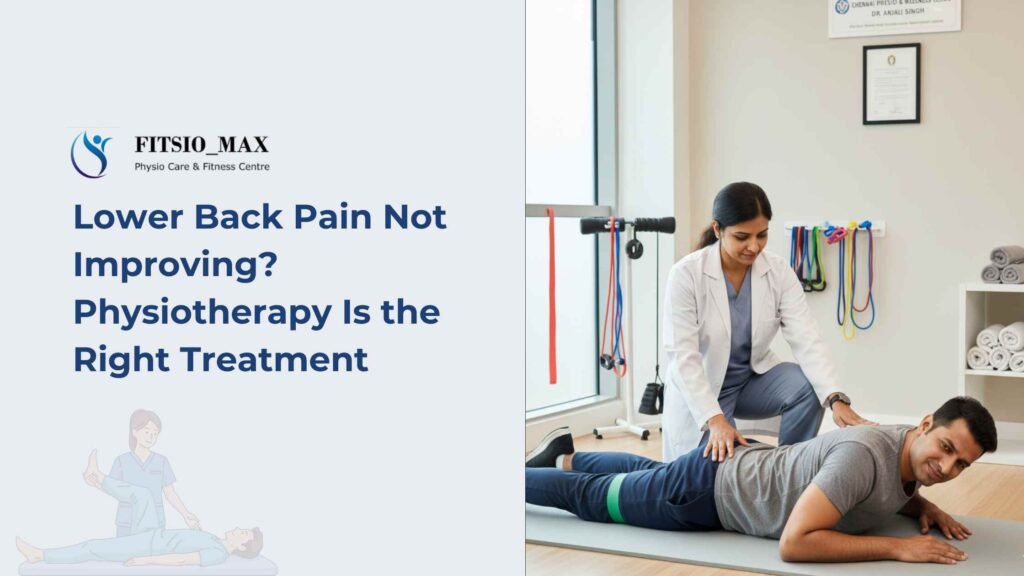
Physiotherapy for Rheumatoid Arthritis,Pain Relief Without Surgery

Physiotherapy for Rheumatoid Arthritis: Pain Relief Without Surgery Introduction Rheumatoid arthritis is a chronic autoimmune condition that causes joint pain, swelling, stiffness, and long-term mobility issues if not managed properly. Physiotherapy for rheumatoid arthritis plays a crucial role in controlling pain, improving joint movement, and maintaining daily function without relying only on medications or surgery. In Chennai, structured physiotherapy programs focus on safe exercises, joint protection, and inflammation management to help patients live independently. With expert-guided rheumatoid arthritis physiotherapy exercises, many people experience long-term pain relief, improved strength, and better quality of life through consistent, non-surgical care. What Is Rheumatoid Arthritis Physiotherapy? Rheumatoid arthritis physiotherapy is a specialized rehabilitation approach that helps manage joint inflammation, pain, stiffness, and muscle weakness caused by autoimmune arthritis. Unlike short-term pain relief methods, physiotherapy focuses on long-term joint protection, mobility improvement, and functional independence. Through tailored physical therapy for rheumatoid arthritis, therapists use gentle exercises, manual therapy, and pain-relief techniques to slow joint damage and improve daily movement while supporting medical treatment plans. Rheumatoid Arthritis Pathophysiology Rheumatoid arthritis occurs when the immune system mistakenly attacks the joint lining, leading to chronic inflammation. This inflammation damages cartilage, bones, and surrounding tissues, causing pain and stiffness. Over time, untreated rheumatoid arthritis can result in joint deformity and loss of function. Autoimmune arthritis physiotherapy helps counter these effects by maintaining joint movement, reducing stiffness, and supporting muscle strength around affected joints. Common Causes and Risk Factors Autoimmune response attacking joint tissues Genetic predisposition Hormonal factors Chronic inflammation Smoking and lifestyle factors Long-term stress on joints Symptoms of Rheumatoid Arthritis Persistent joint pain and swelling Morning stiffness lasting more than 30 minutes Reduced joint mobility Fatigue and weakness Warm, tender joints Difficulty performing daily activities Best Treatment Approach Without Surgery A non-surgical treatment plan for rheumatoid arthritis focuses on symptom control and joint preservation. Key treatment steps include: Physiotherapy for chronic arthritis pain Rheumatoid arthritis medication (as prescribed by a rheumatologist) Joint stiffness exercises and mobility training Pain-relief modalities Lifestyle and posture correction Flare-up pain management strategies This combined approach helps delay joint damage and improves long-term outcomes. Physiotherapy Exercises for Rheumatoid Arthritis The goal of rheumatoid arthritis physiotherapy exercises is to reduce pain, improve movement, and protect joints. Common exercises include: Gentle range-of-motion exercises RA mobility improvement exercises Isometric strengthening Hand and wrist flexibility exercises Low-impact aerobic movements Exercises to reduce RA joint pain These exercises are customized based on flare-ups and joint condition.   Recovery Time and Long-Term Management Rheumatoid arthritis is a chronic condition, so recovery focuses on long-term control rather than a permanent cure. With consistent RA pain management physiotherapy, many patients experience reduced flare-ups, improved mobility, and better daily function within 6 to 12 weeks. Long-term physiotherapy helps slow disease progression and prevents joint stiffness from worsening over time.   Physiotherapy Treatment Cost in Chennai The cost of arthritis physiotherapy treatment in Chennai depends on: Number of joints involved Severity of symptoms Treatment duration Clinic expertise On average, physiotherapy sessions range from ₹600 to ₹1,500 per session. Long-term packages are often more cost-effective for chronic arthritis care. Best Physiotherapy Service Near You in Chennai If you are searching for a reliable physiotherapy center in Chennai for rheumatoid arthritis, choose a clinic that offers: Experienced physiotherapists Customized RA rehabilitation programs Integration with medical care Evidence-based treatment protocols Clinics with over 8–10 years of experience in arthritis rehabilitation provide better long-term outcomes and safer care. When Should You Consult a Doctor or Physiotherapist? Consult a healthcare professional if you experience persistent joint pain, swelling, or stiffness lasting more than a few weeks. Early intervention with physical therapy treatment for rheumatoid arthritis helps prevent irreversible joint damage. Sudden flare-ups, severe pain, or reduced mobility should always be evaluated immediately. Can Rheumatoid Arthritis Be Cured Permanently? Currently, there is no permanent cure for rheumatoid arthritis. However, with the right combination of medication, physiotherapy, and lifestyle management, symptoms can be controlled effectively. New medications and biologic therapies, along with consistent physiotherapy, help patients maintain active, independent lives with minimal pain. Conclusion Rheumatoid arthritis does not have to control your daily life. With the right physiotherapy approach, pain, stiffness, and joint inflammation can be managed effectively without surgery. Consistent exercises, expert guidance, and personalized rehabilitation help improve mobility, protect joints, and enhance long-term quality of life, especially when started early under professional supervision. Frequently Asked Questions 1. Is physiotherapy good for rheumatoid arthritis? Yes. Physiotherapy is highly effective for rheumatoid arthritis as it reduces pain, improves joint mobility, strengthens muscles, and prevents stiffness. When combined with medical treatment, physiotherapy helps slow disease progression and supports long-term joint health without surgical intervention. 2. What are the best exercises for rheumatoid arthritis pain? The best exercises include gentle range-of-motion movements, joint stiffness exercises, low-impact strengthening, and flexibility training. These exercises help reduce inflammation-related stiffness and improve daily movement while protecting sensitive joints from overuse. 3. Can physiotherapy reduce rheumatoid arthritis flare-ups? Physiotherapy helps manage flare-ups by improving joint stability, reducing muscle tension, and promoting better circulation. While it does not stop autoimmune activity, regular physiotherapy minimizes flare-up severity and supports faster recovery during painful phases. 4.How often should RA patients do physiotherapy exercises? Most patients benefit from daily gentle exercises and supervised physiotherapy sessions two to three times per week. Exercise intensity is adjusted during flare-ups to avoid overloading inflamed joints while maintaining movement. 5.What is the best pain relief for rheumatoid arthritis? The best pain relief combines medication, physiotherapy, lifestyle changes, and joint protection techniques. Physiotherapy provides long-term relief by improving movement and reducing stiffness rather than masking pain temporarily. 6. Is non-surgical treatment effective for rheumatoid arthritis? Yes. Non-surgical treatment, including physiotherapy and medication, is the primary management approach for rheumatoid arthritis. Surgery is considered only in severe cases where joint damage significantly affects function. Yes. Physiotherapy is highly effective for rheumatoid arthritis as it reduces pain, improves joint mobility, strengthens muscles, and prevents stiffness. When combined with medical treatment, physiotherapy helps slow disease progression and supports long-term

sports injury physiotherapy in Chennai
Blog

Sports Injury Physiotherapy in Chennai’Faster Recovery Without Surgery

Sports Injury Physiotherapy in Chennai,Faster Recovery Without Surgery Introduction Sports injuries can disrupt daily life, regular fitness routines, and even professional athletic careers if not treated correctly. Sports injury physiotherapy in Chennai provides a safe, effective, and non-surgical approach to relieve pain, restore mobility, and rebuild strength after injury. With expert-guided rehabilitation, targeted exercises, and evidence-based treatment techniques, physiotherapy helps the body heal naturally. Whether caused by sports activities, gym workouts, or sudden strain, most injuries can recover fully without surgery when addressed early. Professional physiotherapists focus on long-term recovery, injury prevention, and helping patients return to an active, pain-free lifestyle. What Is Sports Injury Physiotherapy? Sports injury physiotherapy is a specialized treatment that focuses on diagnosing, treating, and rehabilitating injuries caused by physical activity or sports. It uses targeted exercises, manual therapy, and advanced techniques to reduce pain, heal tissues, and prevent re-injury without surgery. Common Causes of Sports Injuries Muscle overuse and strain Poor warm-up or stretching Sudden impact or trauma Incorrect posture or movement Weak core or muscle imbalance Inadequate recovery between workouts Symptoms of Sports Injuries Persistent muscle or joint pain Swelling and stiffness Reduced range of motion Weakness in affected area Pain during movement or exercise Difficulty returning to sports Best Sports Injury Treatment Without Surgery Physiotherapy for sports injury follows a structured, evidence-based approach Step-by-Step Treatment Process Detailed injury assessment Pain and inflammation control Manual therapy and soft tissue release Sports injury rehabilitation physiotherapy Strength and flexibility training Functional sports-specific training Injury prevention education This approach ensures safe and long-term recovery.  Sports Injury Physiotherapy Exercises Physiotherapy exercises are customized based on injury type and sport: Muscle strengthening exercises Joint mobility and flexibility drills Balance and coordination training Core stability exercises Sport-specific movement correction These exercises improve sports physiotherapy recovery and prevent future injuries. How Long Does Sports Injury Recovery Take? Recovery time depends on injury severity and consistency in therapy. Minor injuries may recover in 2–4 weeks, while ligament or muscle tears may take 6–12 weeks. Regular physiotherapy significantly reduces recovery time compared to rest alone. Cost of Sports Injury Physiotherapy in Chennai The cost of sports injury treatment in Chennai varies based on injury complexity and treatment plan. On average, physiotherapy sessions range from affordable single-session pricing to customized rehabilitation packages. Early treatment reduces long-term medical expenses. Best Sports Injury Physiotherapy Clinic Near You in Chennai Choosing the right sports physiotherapy clinic is crucial for recovery. Look for: Experienced sports physiotherapists in Chennai Evidence-based treatment protocols Personalized rehabilitation programs Proven success with athletes and active individuals A trusted physiotherapy center in Chennai for sports injuries ensures safe, non-surgical healing. When Should You Consult a Sports Physiotherapist? Consult a sports physiotherapist if: Pain lasts more than 3–5 days Swelling or stiffness increases Movement feels restricted Injury affects daily activities You want faster post sports injury recovery Early physiotherapy prevents complications and surgery. Why Choose Expert Sports Injury Physiotherapy in Chennai? Our clinic is led by licensed physiotherapists with years of experience in treating sports injuries across athletes, fitness enthusiasts, and working professionals. We follow evidence-based practices and personalized care plans designed for long-term recovery and injury prevention. Conclusion Sports injuries should never be ignored or rushed into surgery without proper evaluation. With the right sports injury physiotherapy in Chennai, most injuries can heal safely through structured rehabilitation, guided exercises, and professional care. A qualified physiotherapist not only treats pain but also corrects movement patterns, strengthens weak areas, and prevents re-injury. Early treatment improves recovery speed, restores confidence, and helps you return to sports and daily activities without long-term damage. Choosing an experienced physiotherapy center ensures personalized care, long-lasting results, and a healthier, stronger recovery journey. Frequently Asked Questions 1. Can sports injuries heal without surgery? Yes. Most sports injuries heal effectively through physiotherapy. Targeted exercises, manual therapy, and rehabilitation techniques promote natural healing, reduce pain, and restore function without surgical intervention when started early. 2. How does physiotherapy help athletes recover faster? Physiotherapy improves blood flow, strengthens muscles, restores mobility, and corrects movement patterns. This speeds up tissue healing, reduces downtime, and allows athletes to return to sports safely and confidently. 3. Is sports injury physiotherapy painful? Physiotherapy may cause mild discomfort initially, but it should not be painful. Treatments are adjusted to your tolerance level, ensuring safe and gradual recovery while minimizing discomfort. 4.How many physiotherapy sessions are needed? The number of sessions depends on injury severity. Minor injuries may require 5–8 sessions, while ligament or muscle tears may need extended rehabilitation under expert supervision. 5.Do I need a doctor referral for sports physiotherapy? In most cases, no referral is needed. You can directly consult a sports physiotherapist in Chennai for assessment and treatment. However, medical referrals are helpful for severe injuries. 6. What sports injuries benefit most from physiotherapy? Physiotherapy is highly effective for muscle strains, ligament injuries, ACL tears, rotator cuff injuries, knee pain, ankle sprains, and overuse injuries commonly seen in athletes. Yes. Most sports injuries heal effectively through physiotherapy. Targeted exercises, manual therapy, and rehabilitation techniques promote natural healing, reduce pain, and restore function without surgical intervention when started early. Physiotherapy improves blood flow, strengthens muscles, restores mobility, and corrects movement patterns. This speeds up tissue healing, reduces downtime, and allows athletes to return to sports safely and confidently. Physiotherapy may cause mild discomfort initially, but it should not be painful. Treatments are adjusted to your tolerance level, ensuring safe and gradual recovery while minimizing discomfort. The number of sessions depends on injury severity. Minor injuries may require 5–8 sessions, while ligament or muscle tears may need extended rehabilitation under expert supervision. In most cases, no referral is needed. You can directly consult a sports physiotherapist in Chennai for assessment and treatment. However, medical referrals are helpful for severe injuries. Physiotherapy is highly effective for muscle strains, ligament injuries, ACL tears, rotator cuff injuries, knee pain, ankle sprains, and overuse injuries commonly seen in athletes.
mobility exercises without weights
Blog

How to Improve Mobility Without Lifting Heavy Weights

Mobility Exercises Without Weights: Best No-Equipment Routine For Strength & Flexibility in Chennai Introduction Mobility exercises without weights are simple body-weight movements that improve joint flexibility, muscle strength, and daily movement quality. They require no equipment and can be done at home. These exercises help reduce pain, improve posture, and build strength safely for beginners and advanced individuals. Physiotherapy plays a powerful role in relieving pain, improving mobility, and restoring overall body strength. Whether you’re dealing with knee pain, back pain, or sports injuries, early treatment can prevent long-term problems. With expert guidance, personalized exercises, and advanced rehab methods, physiotherapy helps you return to daily movement with confidence and better physical performance. What Are Mobility Exercises Without Weights? Mobility exercises without weights are body-weight movements designed to improve how easily your joints move through their full range. They are used to increase flexibility, reduce stiffness, build functional strength, and enhance everyday movement. These workouts are ideal for people who want results without gym equipment. Why Mobility Matters (Reasons & Benefits) Improves joint range of motion Reduces stiffness from sitting or long-standing hours Helps prevent injuries during workouts Supports muscle activation and balance Enhances posture and flexibility Can be done anywhere without equipment Common Symptoms That Indicate Poor Mobility Tight hips or hamstrings Difficulty bending, squatting, or reaching overhead Lower back pain Knee discomfort during daily tasks Shoulder tightness Slow recovery after workouts General stiffness in the morning Best Mobility Exercises Without Weights (Expert Approved) These routines are based on physiotherapy principles commonly used at FitsioMax Clinic Chennai with years of practical experience in movement rehabilitation. 1. Hip Flexor Stretch Improves hip mobility and reduces lower back strain.Steps: Kneel on one knee Lean forward gently Hold 20–30 seconds each side 2. Cat–Camel Mobility Relieves stiffness in the spine.Steps: On all fours Arch your back up Drop your back down Repeat 10–15 times 3. Thoracic Rotation Enhances upper-back rotation.Steps: Sit or kneel Rotate your torso slowly 10 reps per side   4. Ankle Mobility Circles Helps knee and squat strength.Steps: Rotate ankles clockwise Reverse direction 15 rotations each side 5. Bodyweight Squats Best no-weight strength exercise.Steps: Stand feet shoulder-width Sit back into a squat Rise again 12–15 reps 6. Glute Bridges Strengthens lower back and hips.Steps: Lie on your back Lift hips Hold for 2 seconds Repeat 12 reps 7. Push-ups (Modified or Full) A complete upper-body strength training without weights.   8. Plank Hold Improves core stability, posture, and strength. How Long Does It Take to Improve Mobility? Most people in Chennai see visible improvements in 2–4 weeks when performing mobility exercises consistently for 15–20 minutes daily.Severe stiffness may require 6–8 weeks along with guided physiotherapy sessions. Cost of Physiotherapy or Mobility Training in Chennai Prices vary based on condition and session duration: Assessment session: ₹300–₹500 Physiotherapy session: ₹500–₹1,200 Mobility correction program: ₹2,000–₹5,000 per month FitsioMax offers personalized strength and movement programs under certified physiotherapists. Best Mobility Training & Physiotherapy Near Me in Chennai Fitsiomax Clinic offers targeted mobility programs designed by experienced physiotherapists with expertise in no-equipment strengthening, posture correction, and pain-free movement training. The clinic uses evidence-based techniques and has years of experience treating mobility issues in office workers, athletes, and senior adults. When Should You Consult a Physiotherapist? Persistent pain during movement Difficulty bending or lifting Tightness that doesn’t improve with home stretches Knee, hip, or back pain while exercising Weakness or instability Previous injury affecting movement Early evaluation helps prevent long-term stiffness and joint problems. Conclusion Consistent physiotherapy care can significantly reduce pain, improve strength, and prevent future injuries. If symptoms continue or limit your routine, consult a physiotherapist for a professional assessment and personalized recovery plan. Early attention leads to faster healing and long-term mobility. Frequently Asked Questions 1. What are the best mobility exercises without weights? Hip flexor stretch, cat–camel, thoracic rotation, ankle mobility drills, squats, and glute bridges are the best no-equipment mobility exercises. 2. Can I build muscle without weights? Yes. Bodyweight exercises like push-ups, squats, lunges, and planks strengthen muscles effectively when done with good form and progressive difficulty. 3. How often should I do mobility workouts? Most physiotherapists recommend 15–20 minutes daily or at least 4–5 times per week for best results. 4.Are mobility exercises safe for beginners? Yes. They are low impact, joint-friendly, and ideal for beginners if performed with correct technique. 5.Do mobility exercises help with pain? They help reduce stiffness, improve movement, and support long-term pain relief. 6. Can I do mobility training at home? Yes. All exercises listed are home-friendly and require no equipment. Hip flexor stretch, cat–camel, thoracic rotation, ankle mobility drills, squats, and glute bridges are the best no-equipment mobility exercises. Yes. Bodyweight exercises like push-ups, squats, lunges, and planks strengthen muscles effectively when done with good form and progressive difficulty. Most physiotherapists recommend 15–20 minutes daily or at least 4–5 times per week for best results. Yes. They are low impact, joint-friendly, and ideal for beginners if performed with correct technique. They help reduce stiffness, improve movement, and support long-term pain relief. Yes. All exercises listed are home-friendly and require no equipment.

knee pain physiotherapy treatment
Blog

Top At-Home Exercises to Alleviate Knee Pain and Improve Mobility – Physio Expert Guide

Top At-Home Exercises to Alleviate Knee Pain and Improve Mobility – Physio Expert Guide Introduction Knee pain is becoming increasingly common today, especially among office workers, seniors, and people with an active lifestyle. Whether you struggle to sit on the floor, climb stairs, walk long distances, or even bend your knee comfortably, this discomfort often indicates weakness in the muscles that support the joint. The good news? With the right knee pain physiotherapy treatment, performed consistently, you can relieve pain, regain mobility, and protect your knees from future problems. all from the comfort of your home. At Fitsiomax, our physiotherapists treat hundreds of patients in Chennai who experience knee pain due to arthritis, long sitting hours, sports injuries, muscle imbalances, or simply poor posture. almost all of them begin improving once they start strengthening the muscles surrounding their knees. Below, we’ve shared safe, physiotherapist-recommended exercises you can start today. Why Do Knees Hurt? Your knees take your body weight every time you walk, climb, run, or even stand up from a chair. Over time, stress on the joint increases when the thigh and hip muscles become weak. This imbalance changes how the knee moves, leading to strain and pain. Age-related changes, past injuries, excess weight, and stiff muscles can make the problem worse. Physiotherapy helps correct these issues by improving muscle strength, joint alignment, and movement control. Before You Begin: Warm-Up Matters A quick 2–3 minute warm-up,such as gentle marching or slow bending of your knees. helps improve blood flow and prepares your joints for exercise. Think of it as helping your knees “wake up” before work. The Best At-Home Exercises for Knee Pain Relief Straight Leg Raise One of the most effective ways to strengthen the knees is by improving quadriceps strength. Lie on your back with one knee bent and the other straight. Slowly lift the straight leg to the height of the opposite knee, hold briefly, and lower gently. This builds strong support for the knee joint. Quad Setting When pain is severe or if arthritis is involved, activating the knee muscle without movement is a safe way to begin. Tighten the thigh muscle while the leg lies straight and hold for a few seconds. It improves stability and prepares you for more advanced exercises. Hamstring Stretch Tightness at the back of your thigh can pull your knee and cause strain. A gentle forward bend while sitting with one leg extended helps relax muscles and improve flexibility — making movement smoother. Sit-to-Stand Exercise One of the most practical exercises for daily life, this helps your knees handle activities like using the restroom, sitting on a chair, or getting out of bed. Stand up from a seated position without using your hands; lower yourself back slowly. It builds confidence and strength in movements you perform every day. Clamshell Exercise The position of your knee depends heavily on your hip strength. By lying on your side and opening the knees like a clam, you strengthen the hip muscles that align and protect the knees, extremely helpful for women who feel pain while climbing stairs. Step-Up Exercise If every step on the stairs feels like a challenge, this exercise targets exactly that movement. Step up on a stable low platform and come back down with control. It trains the knee to function pain-free during stair climbing. Runner’s Knee Stretch For those who feel pain more on the outer side of the knee, a side-leaning stretch with one leg crossed behind can relieve tightness around the IT band — commonly seen in runners and gym-goers. How Often Should You Exercise? Most people begin noticing improvement when they exercise at least 5 days a week, for about 15–20 minutes per day. Slow and steady wins the race — your knee gets stronger each week. When Should You Stop? Exercise should feel like effort, not punishment. If you notice sharp pain, sudden swelling, locking sensation, or difficulty walking after exercises — stop and seek help immediately from a physiotherapist. When to Choose Physiotherapy? If knee pain continues for over a week, prevents you from walking normally, or keeps coming back after rest, it’s a clear sign you may need professional knee physiotherapy. A trained therapist can guide you with manual therapy, taping techniques, strengthening protocols, and knee pain physiotherapy treatment tailored to your exact condition — not just generic exercises. Conclusion Your knees play a vital role in every step you take—walking, climbing, sitting, and even standing up. Taking proper care with the right exercises and professional physiotherapy guidance can prevent future complications. Consistency today protects your mobility for tomorrow, helping you remain strong and active at every age. Frequently Asked Questions 1. Can physiotherapy cure knee pain permanently?  Yes. When knee pain is caused by weak muscles, stiffness, or incorrect movement patterns, physiotherapy provides a long-term solution by strengthening and correcting the joint support system. 2. How long does it take for physiotherapy to work for knee pain?  Most people begin to feel improvement within 2–4 weeks with a personalized knee pain physiotherapy treatment plan and consistent exercises. 3. What are the safest knee exercises for beginners at home?  Straight leg raise, quad setting, sit-to-stand practice, and hamstring stretch are some of the safest starter exercises approved by physiotherapists. 4.Can knee strengthening exercises be done every day?  Yes. Gentle exercises 5–6 days a week can improve strength and mobility. If you feel sharp pain or swelling, stop and get assessed properly. 5.Is it okay to do knee exercises if I have arthritis?  Absolutely. Physiotherapist-guided strengthening and mobility exercises reduce stiffness, improve function, and provide knee arthritis relief safely. 6. When should I avoid doing knee exercises? Avoid exercising if you have severe pain, swelling, numbness, or difficulty bearing weight. These symptoms require immediate physiotherapy assessment. 7. Do I need a physiotherapist even if home exercises help? Home exercises are great, but a physiotherapist ensures correct diagnosis, personalized progression, taping support if needed, and prevention of future knee issues.  Yes. When knee

Office exercises to relieve back and neck pain fast
Blog

5-Minute Office Exercises to Relieve Back And Neck Pain Fast

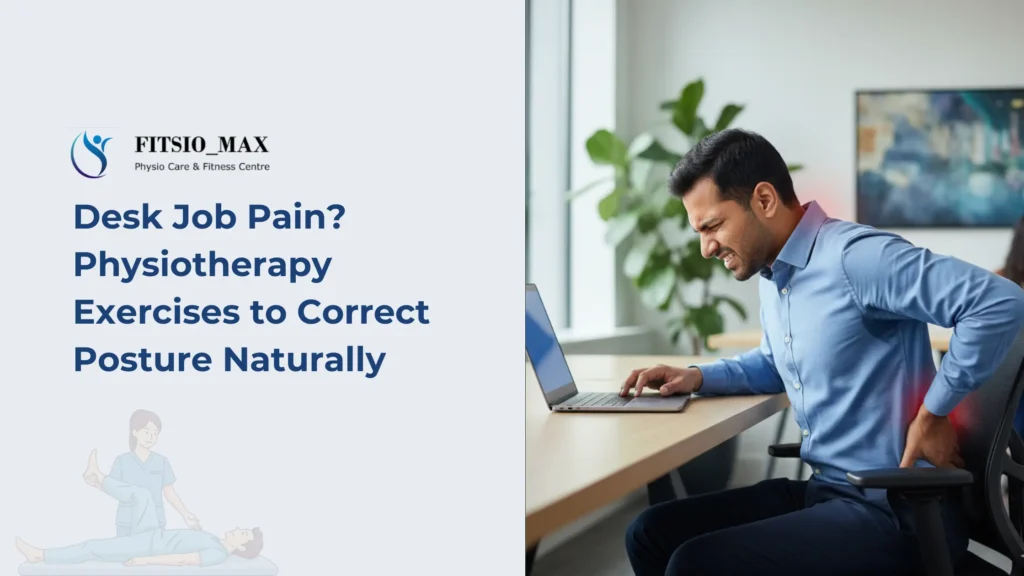
5-Minute Office Exercises to Relieve Back & Neck Pain Fast Introduction Sitting for long hours at a desk has become part of daily life, especially for office workers and professionals in Chennai. Long sitting time can place continuous pressure on the spine, neck, and shoulders. Without movement, the muscles slowly become stiff and weak, leading to discomfort, pain, and a reduced ability to work productively. Adding Office Exercises to Relieve Back and Neck Pain Fast into your routine helps prevent these issues before they become long-term problems. Over weeks and months, this stress can affect posture, breathing, concentration, and even mental well-being. The good news is that simple office exercises performed in just five minutes can provide fast relief, boost energy levels, and prevent long-term spine and muscle-related health problems.  Regularly practicing Office Exercises to Relieve Back and Neck Pain Fast is a simple and effective way to stay comfortable at work. Why Office Workers Experience Back and Neck Pain When you sit for long hours, your posture often changes without you noticing it. The head moves forward toward the screen, the shoulders round inward and the lower back loses its natural support. This change in alignment causes unnecessary stress on the neck and back muscles. Many employees in Chennai working in IT parks and corporate offices deal with these issues regularly. Practicing Office Exercises to Relieve Back and Neck Pain Fast reduces strain on the spine and lowers the risk of chronic discomfort. Neck Mobility Stretch Sit straight and gently tilt your head to one side bringing the ear closer to the shoulder. Hold this position for ten seconds and repeat on the other side. Then turn your head slowly to look over your shoulder and repeat on both sides. This stretch is one of the simplest Office Exercises to Relieve Back and Neck Pain Fast because it can be done while seated without any equipment. Desk Thoracic Rotation Sit upright with both feet placed flat on the floor. Keep your spine tall, place one hand across the opposite knee and rotate the upper body to the side. Hold briefly and repeat on the other side. This movement helps loosen the upper and mid-back muscles. It is an essential part of Office Exercises to Relieve Back and Neck Pain Fast for employees who spend long hours leaning toward a screen. Shoulder Blade Squeeze Sit or stand with a straight back. Pull your shoulders backward and squeeze the shoulder blades together for five seconds then release. Repeat this movement ten to twelve times. Including this exercise in Office Exercises to Relieve Back and Neck Pain Fast supports correct posture and helps reduce desk-related shoulder tension. Seated Cat and Cow Sit close to the edge of your chair with your hands on your knees. Slowly arch your back upward and then round it while bringing the chin inward. Repeat twelve to fifteen times. It is one of the most effective Office Exercises to Relieve Back and Neck Pain Fast because it improves spinal flexibility and reduces lower back pressure. Seated Leg March and Core Activation Sit tall and engage your abdomen by gently pulling the muscles inward. Lift your right knee up and then lower it back down followed by the left knee. Continue alternating for twenty to twenty-five repetitions. This should be added to Office Exercises to Relieve Back and Neck Pain Fast because it improves core activation and reduces the load on the spine. Posture Correction Tips for Office Workers Improving posture does not require much effort. Raising your laptop screen to eye level, keeping your feet flat, and using proper lower back support can make a big difference. When combined with Office Exercises to Relieve Back and Neck Pain Fast, these simple changes help prevent daily discomfort and improve long-term physical health. When to Seek Professional Physiotherapy Support If pain continues for more than a week or spreads to the arms or legs, or if numbness and sleep disturbances occur, professional assessment is needed. A physiotherapy center in Chennai like Fitsiomax provides customized plans that address the root cause of your pain and help restore active movement. Conclusion Office-related pain can reduce work efficiency and negatively impact daily life. Performing Office Exercises to Relieve Back and Neck Pain Fast throughout the day can relieve stress on your spine, improve posture, and prevent long-term issues. Seeking help from physiotherapy experts ensures safe recovery and better comfort during long working hours. Frequently Asked Questions 1. How can I relieve back pain while working long hours in the office? Doing quick office exercises like seated cat and cow, shoulder blade squeezes, and neck stretches every 30 to 45 minutes helps reduce stiffness and lower back pressure from long sitting hours. 2. What is the fastest way to reduce neck pain during office work? Keeping your screen at eye level and practicing simple neck mobility stretches for one minute multiple times a day reduces strain and improves posture immediately. 3. Can 5-minute office exercises really help desk workers in Chennai? Yes. Even short exercises improve blood flow, reduce muscle tension, and allow IT employees and corporate workers in Chennai to work comfortably without constant neck and back pain. 4.How often should I do these desk exercises during work?  Performing them two to three times a day or whenever stiffness appears ensures better mobility, posture alignment, and long-term comfort at your workplace. 5. Are office exercises enough to treat back and neck pain permanently?  These exercises provide relief, but long-lasting pain or numbness requires professional guidance from a physiotherapy center in Chennai like Fitsiomax to fix the root cause. 6. What should I do if my office chair causes back pain?  Adjust your chair height, support your lower back with a cushion, keep your feet flat on the floor, and take frequent movement breaks to avoid spine strain. 7. Where can I get physiotherapy for office-related neck and back pain in Chennai?  Fitsiomax in Chennai provides customized physiotherapy programs for posture correction,

workout injury prevention in Chennai
Blog

Top 5 Workout Mistakes You Must Avoid to Prevent Injuries

Top 5 Workout Mistakes You Must Avoid to Prevent Injuries Introduction Staying active is important, but many people unknowingly follow unsafe habits during exercise. As a physiotherapist practicing in Chennai, I see several preventable injuries every week caused by poor posture, lack of guidance, and improper training methods. With the right awareness and corrective steps, you can significantly improve your workout injury prevention in Chennai routine, stay consistent in your fitness journey, and avoid long-term joint or muscle problems. These mistakes often happen because individuals rush workouts, skip essential warm-up routines, or follow online videos without professional supervision, increasing injury risk. 1. Ignoring Warm-Up Routines – The Foundation of Safe Training Skipping warm-up may seem harmless, but it is one of the workout mistakes that cause injuries. A proper warm-up increases joint mobility, activates muscles, and prepares your heart for physical stress. Many clients who visit physiotherapy clinics with strains and sprains often admit to avoiding warm-up routines. This also connects to common warm-up mistakes before workout, such as jumping straight into heavy lifting or high-intensity training. You must follow proper warm-up techniques to reduce the risk of muscle pulls and joint stiffness. Warm-up prepares your body’s internal systems for safe movement and ensures a sustainable workout routine. 2. Using Wrong Form – The Silent Cause of Chronic Pain Many gym beginners focus on speed and lifting heavier weights rather than maintaining control. This leads to wrong exercise form injury risk, which often affects the lower back, shoulders, and knees. Gym trainers often see common gym mistakes beginners make in Chennai, especially when beginners try to copy advanced-level exercises seen on social media. Maintaining correct exercise posture during every movement ensures balance, proper muscle activation, and joint protection. If you already experience joint or muscle discomfort, refer to our Post Knee & Hip Recovery guide for structured rehabilitation and strengthening plans. 3. Lifting Too Heavy, Too Soon – Unsafe Strength Training Habits One of the biggest injury triggers is choosing weights beyond your current capacity. This usually leads to shoulder sprains, muscle tears, and severe back pain. You must watch for weightlifting mistakes for beginners Chennai, especially when performing exercises like deadlifts, bench presses, or overhead lifts. Women who train regularly must also avoid strength training mistakes women beginners, such as lifting without core activation or using improper breathing techniques. These mistakes increase fitness injury risks and can lead to long-term discomfort. Follow safe training habits like progressive overload, controlled tempo, and proper grip techniques. 4. Overtraining Without Rest – The Hidden Cause of Exhaustion & Pain Many fitness enthusiasts try to train every day, believing more exercise means faster results. But this leads to serious issues linked to overtraining mistakes signs such as fatigue, decreased performance, sleep issues, and persistent soreness. Your body needs recovery to build strength and improve flexibility. Overtraining weakens muscles and increases the chance of cardio mistakes that lead to injuries, especially from high-intensity running or improper treadmill usage. If you feel constant joint or muscle pain, explore our detailed resource on upper limb recovery:Wrist & Elbow Pain Relief 5. Poor Technique During Home Workouts – The Most Overlooked Mistake During home workouts, people often skip warm-up, use incorrect posture, or perform advanced exercises without proper guidance. This leads to severe strains and chronic joint issues. Be aware of home workout mistakes to avoid in Chennai, especially if you follow online workout videos. Two of the most commonly reported issues in physiotherapy clinics are: Incorrect squatting that leads to avoid knee pain during squats Overstretching or holding poses incorrectly resulting in stretching mistakes after workout Beginners should always follow beginner workout mistakes and solutions taught by certified physiotherapists or trainers. This ensures safer progress and protects your joints. Staying Safe During Workouts – Actionable Tips for Beginners Here are safe workout tips for beginners in Chennai recommended by experienced physiotherapists: Start with 5–8 minutes of warm-up Learn correct posture from a trainer or physiotherapist Progress weights slowly Hydrate before and after workouts Wear proper shoes Take 1–2 rest days every week Stop immediately if sharp pain occurs Following these habits will help you prevent shoulder injuries at the gym and maintain consistent progress. Conclusion Workout injuries are common but fully avoidable when you train with awareness, patience, and correct techniques. As a physiotherapist here in Chennai, I encourage everyone to focus on warm-ups, correct form, manageable weights, and recovery. With the right guidance, you can achieve long-term fitness without compromising your joint or muscle health. For professional help, visit the best physiotherapy clinic in Chennai.   Frequently Asked Questions 1. What is the best way to start workout injury prevention in Chennai? The best way to begin workout injury prevention in Chennai is by doing a proper warm-up, maintaining correct form, and increasing workout intensity slowly. This reduces strains, sprains, and long-term fitness injury risks. 2. How do common gym mistakes beginners make in Chennai lead to injuries? Beginners often copy advanced exercises, skip warm-ups, and use wrong posture. These common gym mistakes beginners make in Chennai create muscle imbalances, joint pressure, and unnecessary injuries. 3. How can I avoid wrong exercise form injury risk during training? Learn correct exercise posture from a trainer or physiotherapist, use controlled movements, and avoid lifting weights beyond your capacity. This prevents wrong exercise form injury risk in the gym. 4.What are the signs of overtraining mistakes I should watch for? Look for exhaustion, sleep disturbance, irritability, and reduced performance. These are clear overtraining mistakes signs that mean your body needs rest and recovery. 5. How do I avoid knee pain during squats at the gym? Use proper squat depth, keep knees aligned with toes, and activate your core. These steps help avoid knee pain during squats and improve safe training habits. 6. What cardio mistakes that lead to injuries should I avoid? Using incorrect treadmill incline, running too fast, skipping warm-up, or overstriding are cardio mistakes that lead to injuries. Follow proper warm-up techniques before starting. 7.

Daily Habits That Cause Shoulder Pain
Blog

Daily Habits That Cause Shoulder Pain & How to Prevent It

Daily Habits That Cause Shoulder Pain & How to Prevent It Introduction real reason is everyday lifestyle choices. Daily habits that cause shoulder pain include the way you sit, sleep, work on a laptop, drive, and even how you hold your mobile phone. These repeated actions slowly tighten the shoulder muscles, weaken posture, and strain the rotator cuff without any noticeable trauma. A qualified physiotherapist in Chennai would confirm that most shoulder issues are “lifestyle injuries.” The pain develops silently over months until it becomes difficult to lift your arm, lie on one side, or work comfortably. Hidden Everyday Habits That Secretly Damage Your Shoulder Small repetitive actions can create large long-term discomfort. Poor posture, side sleeping, screen use, and wrong driving posture are the biggest culprits. For example, slouching leads to shoulder pain from poor posture, while texting with bent elbows creates shoulder pain due to mobile use. Working without proper ergonomics triggers shoulder pain from laptop work, and gripping the steering wheel too tightly increases shoulder pain during driving. Even sleeping with the arm under your head can trigger shoulder stiffness from sleeping wrong, causing nerve compression and tightness near the shoulder joint. Why Your Shoulder Hurts Even Without an Injury Shoulder pain does not always need an accident or heavy workout to occur. When harmful habits continue for many months, muscles weaken and joints overcompensate. This creates imbalance, stiffness, inflammation, and pain. This gradual strain affects the rotator cuff, demanding rotator cuff pain relief through guided mobility, stretching, and posture correction. If left untreated, tightness may progress into frozen joint movement where frozen shoulder physiotherapy becomes necessary. This is why physiotherapy for shoulder pain in Chennai has become essential among office workers, drivers, homemakers, and gym beginners. Simple Lifestyle Fixes That Protect Your Shoulder Joint You can reverse most daily habits that cause shoulder pain with minor lifestyle changes: 🔹 Keep laptop screens at eye level🔹 Support arms while typing🔹 Hold mobile at shoulder height🔹 Avoid leaning on elbows🔹 Hug a pillow to support shoulders during sleep🔹 Adjust car seats and loosen grip These are core ergonomic tips for shoulder health recommended in clinical treatments. Stop Making These Gym & Workout Mistakes Gym errors are one of the most ignored causes of shoulder pain. Many people develop shoulder pain exercise mistakes because they copy online workouts without technique. Heavy overhead lifting without warm-up puts extreme pressure on shoulder tendons. Incorrect bench press and planks can strain the neck and deltoids. Before beginning strength training, physiotherapists recommend: ✔ Warm up the rotator cuff✔ Avoid heavy loads overhead✔ Correct posture in every repetition✔ Strengthen stabilizer muscles These techniques allow physiotherapy exercises for shoulder pain to work safely and prevent tears. When Is Shoulder Pain a Sign You Need Physiotherapy? If pain persists longer than 1–2 weeks or restricts daily movements, it’s time to seek help. Conditions needing treatment include: 🔻 Difficulty lifting arm🔻 Pain at night🔻 Weak grip🔻 Sharp pain on rotation🔻 Numbness in fingers To avoid surgery, people often choose shoulder pain treatment without surgery through targeted mobility and strengthening. Booking a shoulder pain physiotherapy consultation at the best physiotherapy clinic in Chennai ensures personalized recovery. Home Advice from a Chennai Physiotherapist to Keep Shoulders Pain-Free Home care can reduce stiffness temporarily, but it should match your pain type. Apply heat, avoid heavy lifting, and follow shoulder pain home remedies only after identifying the cause. Your therapist may prescribe stretches and how to avoid shoulder pain daily habits such as: ✔ Posture correction✔ Controlled mobility exercises✔ Balanced back and shoulder strengthening✔ Relaxation before sleep✔ Ergonomic adjustments at work Combined with shoulder pain prevention tips, these reduce long-term inflammation and protect joint movement. Conclusion Neglecting minor stiffness today can turn into chronic pain tomorrow. Most cases of shoulder pain aren’t sudden injuries. they’re the result of daily habits that cause shoulder pain repeated for months. By correcting posture, improving sleeping and working habits, and exercising responsibly, you protect your shoulder’s strength and movement. If Pain persists, consulting physiotherapy in Chennai can restore mobility and avoid surgery. Your shoulders support every movement. Treat them with care. Frequently Asked Questions 1. Why do I get shoulder pain without any injury? Most people experience shoulder pain due to lifestyle habits like wrong sleeping posture, slouching, mobile overuse, or poor laptop ergonomics. These habits strain the rotator cuff and shoulder muscles over time. 2. Can sleeping position cause shoulder stiffness? Yes. Shoulder stiffness from sleeping wrong happens when you sleep on one side, place your arm under your head, or use a low pillow. These positions compress nerves and tighten shoulder muscles. 3. How does mobile phone use cause shoulder pain? Texting with bent elbows and a forward neck posture causes shoulder pain due to mobile use. Holding the phone below eye level increases shoulder strain and tightens upper back muscles. 4.Can laptop work cause shoulder pain even if I sit straight? Yes. Even with straight posture, unsupported arms, low screen height, and prolonged typing can trigger shoulder pain from laptop work due to continuous pressure on shoulder stabilizer muscles. 5. When should I visit a physiotherapist for shoulder pain? If pain lasts more than 1–2 weeks, limits arm lifting, disturbs sleep, or causes numbness, consult shoulder pain physiotherapy in Chennai for early treatment and to avoid surgery. 6. Do gym mistakes cause shoulder pain? Yes. Heavy overhead lifting, wrong bench press posture, and skipping warm-ups lead to rotator cuff pain. Strengthening stabilizer muscles and guided physiotherapy prevent injury. 7. How can I prevent shoulder pain in daily life? Follow shoulder pain prevention tips such as keeping screens at eye level, using a pillow for support during sleep, loosening driving grip, and practicing posture correction exercises. Most people experience shoulder pain due to lifestyle habits like wrong sleeping posture, slouching, mobile overuse, or poor laptop ergonomics. These habits strain the rotator cuff and shoulder muscles over time. Yes. Shoulder stiffness from sleeping wrong happens when you sleep on one side, place your

Exercise During Period Pain
Blog

Safe Exercises to Stay Active During Period Pain

Safe Exercises to Stay Active During Period Pain Introduction Many women pause all physical activity during their menstrual cycle. but here’s the truth: the right exercise during period pain doesn’t worsen cramps, it actually reduces them. Most period discomfort is caused by tight pelvic muscles, hormonal changes, and altered posture from bloating or fatigue. Instead of complete rest, physiotherapy recommends slow movement, controlled breathing, and gentle pelvic strength training to relax pressure inside the lower abdomen. With proper guidance, staying active becomes one of the most powerful ways to manage menstrual discomfort naturally.   If painful periods often disturb your routine, this guide offers safe exercises during menstruation, expert physio tips, and when to seek professional support. especially if you live in Chennai and prefer women-focused care. Is It Safe to Exercise During Period Pain? Yes. Physiotherapists strongly support doing a guided exercise during period pain because movement boosts circulation in the pelvic area. This increases oxygen supply, releases muscle tension, and reduces cramping. Women who follow menstrual cramps relief physiotherapy often report lighter pain, fewer mood swings, and less irritation. When there is lower back pain during period, it usually indicates excessive tension in the uterus-supporting muscles and pelvic floor. That’s why posture correction and breathing form a major part of physiotherapy for menstrual cramps, especially for women with PCOS, endometriosis, or severe spasms. auses your muscles to become stiff. This triggers pain messages to the brain and increases anxiety. Physiotherapy for stress relief breaks this cycle through targeted manual therapy, relaxation exercises, and guided movement. The purpose of physiotherapy is to restore balance by improving your breathing, posture, bone alignment, and muscle flexibility. Once the body relaxes, the mind follows. Best Safe Exercises During Menstruation 1. Gentle Stretching to Ease Pelvic Tightness Stretching triggers immediate relaxation in uterus-supporting muscles. Ideal period pain stretches include: Cat-Cow Pose – relieves pelvic and lumbar tightness Child’s Pose – calms abdominal spasms Knee-to-Chest Stretch – reduces radiating cramps Pelvic Tilt Stretch – improves blood flow to uterus These are the first recommended period pain exercises at home because they reduce discomfort without straining your core. 2. Light Exercises for Cramp Relief Low-impact movement prevents stiffness. Try: Slow walking (10–15 minutes) Light stationary cycling Deep-breathing with simple leg stretches These light exercises for period cramps support hormonal balance and reduce fatigue. Remember: the goal is movement, not performance. 3. Yoga for Menstrual Pain Relief Physiotherapist-guided yoga for menstrual pain relief stimulates deep pelvic relaxation. Best poses include: Reclining Butterfly Supported Bridge (using a pillow) Supine Twist These gentle workouts during period pain also improve mental wellness and reduce anxiety. 4. Pelvic Floor Physiotherapy Many women experience severe cramps due to tight pelvic muscles. In such cases, pelvic floor physiotherapy Chennai offers manual therapy, diaphragmatic breathing training, and pelvic strengthening. Exercises to Avoid During Period Pain Avoid: High-impact cardio Heavy weightlifting Advanced yoga inversions Intense abdominal workouts These movements increase pelvic pressure and interfere with period pain management exercise benefits. If pain worsens during exercise, pause immediately and follow home physio tips for period pain like heat therapy and deep breathing. How Physiotherapy Helps Women With Severe Cramps Women with chronic cramps benefit from women’s health physiotherapy India, especially when pain is linked to posture or pelvic tightness. Physiotherapists help by:  Correcting posture Releasing deep muscle tension Applying heat + manual therapy  Relieving spasms with pelvic pain physiotherapy Prescribing safe movement plans    Conclusion Women deserve relief beyond painkillers and rest. With the right exercise during period pain, posture guidance, breathing control, and physiotherapy, menstrual cramps become more manageable naturally. Instead of stopping movement completely, choose slow, gentle, and mindful exercises. If pain disrupts your routine every month, consulting a women-focused physiotherapist is the most empowering step toward pain-free periods. Frequently Asked Questions 1. Is it safe to exercise during period pain? Yes. Doing exercise during period pain increases blood flow, relieves pelvic tightness, and reduces cramping. Guided physiotherapy-based movement is safe and improves hormonal balance. 2. What exercises are best for period pain relief? The best period pain exercises at home include Cat-Cow Stretch, Child’s Pose, Pelvic Tilt, and Knee-to-Chest Stretch. These reduce pelvic tension and lower back pain during periods. 3. Can I do yoga during menstruation for pain relief? Yes. Yoga for menstrual pain relief such as Reclining Butterfly, Supported Bridge, and Supine Twist relax pelvic muscles and reduce cramps while calming the mind. 4.Which exercises should be avoided during periods? Avoid intense abdominal workouts, heavy weightlifting, advanced inversions, and high-impact cardio. These increase pelvic pressure and worsen cramps during menstruation. 5. How does physiotherapy help in severe menstrual cramps? Physiotherapy for menstrual cramps corrects posture, releases tight pelvic muscles, improves breathing patterns, and uses manual therapy to relieve long-term or severe pain. 6. Does pelvic floor physiotherapy reduce period pain? Yes. Pelvic floor physiotherapy Chennai improves muscle relaxation, reduces spasms, and supports uterine movement. It is especially effective for PCOS, endometriosis, and chronic cramps. 7. What are quick home physiotherapy tips for period pain? Apply heat before stretching, do diaphragmatic breathing, stay hydrated, avoid junk food, and choose slow, gentle movement. These period wellness exercises support faster recovery. Yes. Doing exercise during period pain increases blood flow, relieves pelvic tightness, and reduces cramping. Guided physiotherapy-based movement is safe and improves hormonal balance. The best period pain exercises at home include Cat-Cow Stretch, Child’s Pose, Pelvic Tilt, and Knee-to-Chest Stretch. These reduce pelvic tension and lower back pain during periods. Yes. Yoga for menstrual pain relief such as Reclining Butterfly, Supported Bridge, and Supine Twist relax pelvic muscles and reduce cramps while calming the mind. Avoid intense abdominal workouts, heavy weightlifting, advanced inversions, and high-impact cardio. These increase pelvic pressure and worsen cramps during menstruation. Physiotherapy for menstrual cramps corrects posture, releases tight pelvic muscles, improves breathing patterns, and uses manual therapy to relieve long-term or severe pain. Yes. Pelvic floor physiotherapy Chennai improves muscle relaxation, reduces spasms, and supports uterine movement. It is especially effective for PCOS, endometriosis, and chronic cramps.

Physiotherapy for Stress Relief
Blog

 Physiotherapy for Stress Relief Yes, It Really Helps!

Physiotherapy for Stress Relief ! Yes, It Really Helps! Introduction Stress has become part of modern life. Long working hours, anxiety, poor posture, and lifestyle changes increase mental tension, which eventually affects the body. Tight neck muscles, back pain, headaches, fatigue, and insomnia are common signs of stress. The good news? Physiotherapy for stress relief acts as both a physical and emotional healer. By improving muscle relaxation, circulation, posture, breathing, and physical movement, physiotherapy reduces anxiety and helps your body return to its natural calm state. If you’ve ever wondered, what’s physiotherapy or is physiotherapy painful?, you’ll be surprised to learn that it is a gentle, science-based approach that improves both mind and body. How Physiotherapy Reduces Stress and Mental Tension Chronic stress causes your muscles to become stiff. This triggers pain messages to the brain and increases anxiety. Physiotherapy for stress relief breaks this cycle through targeted manual therapy, relaxation exercises, and guided movement. The purpose of physiotherapy is to restore balance by improving your breathing, posture, bone alignment, and muscle flexibility. Once the body relaxes, the mind follows. Benefits of Physiotherapy for Stress Relief Here are the key benefits of physiotherapy that support emotional well-being: Relaxes tight muscles caused by stress Improves sleep by reducing discomfort Boosts blood circulation and oxygen supply Reduces headaches and neck stiffness Improves posture and reduces work-related pain Releases endorphins, the body’s happy hormones Helps control panic attacks with guided breathing Physiotherapy Treatment List for Stress & Anxiety A professional physiotherapist may use one or multiple treatments based on your body condition. Below is a physiotherapy treatment list commonly used for stress relief: Treatment Name How It Helps Massage Therapy Relaxes tight muscles, improves sleep Stretching & Mobility Work Releases muscle stiffness IFT Therapy Reduces pain and improves circulation Breathing Exercises Calms the nervous system Yoga-Based Physiotherapy Relieves anxiety with movement Posture Correction Reduces neck/back tension IFT physiotherapy benefits play a big role in reducing chronic stress by calming nerve signals and improving blood flow. If you have questions like how to do physiotherapy or physiotherapy is good or bad, a certified therapist can guide you safely. What Do Physiotherapists Do for Stress Relief? Many people ask, what do physiotherapists do beyond pain treatment? Physiotherapists assess how stress affects your muscles, breathing, mobility, and posture, then design a customized PT management plan. They may also provide physiotherapy management tips for your lifestyle, posture, and exercise therapy. They follow scientific principles of exercise therapy to ensure safe healing. Why You Must Choose Physiotherapy Instead of Painkillers Painkillers may give quick relief, but stress comes back if the root cause is not treated. Physiotherapy targets muscle tension, posture issues, and the nervous system helping you heal naturally. If you’re searching for information about physiotherapy or physiotherapy details, remember: healing should not be temporary. Why You Must Choose Physiotherapy Instead of Painkillers Neck and shoulder stiffness TMJ jaw tightness Headaches & migraines Chronic fatigue Insomnia Posture-related back pain Conclusion Stress affects your health more than you realize, but the solution is simple, scientific, and natural. Physiotherapy for stress relief helps calm your nervous system, improve posture, enhance breathing, and release physical tension that is directly linked to anxiety. With proper support, movement, and treatment, your body can reset itself without medication or fear. Frequently Asked Questions 1. Can physiotherapy help reduce stress and anxiety? Yes. Physiotherapy for stress relief reduces muscle tension, improves circulation, and promotes deep breathing, which calms the nervous system and lowers anxiety naturally. 2.How does physiotherapy help in stress management? Physiotherapy helps manage stress through massage therapy, posture correction, breathing exercises, and IFT physiotherapy benefits. These treatments relax muscles, reduce pain, and improve sleep quality. 3. What are the best physiotherapy treatments for stress relief? The best physiotherapy treatments for stress relief include relaxation massage, stretching and mobility exercises, posture correction therapy, breathing exercises, and IFT physiotherapy benefits for calming nerve signals. 4.Is physiotherapy good for insomnia caused by stress? Yes. Physiotherapy for stress and fatigue improves sleep by reducing muscle tightness, headaches, nerve irritation, and posture-related discomfort that disrupts rest. 5. Can physiotherapy manage stress-related headaches and neck pain? Absolutely. Physiotherapy reduces neck stiffness, jaw tension, and posture-related pain. Physiotherapy for headache and neck stiffness includes mobilization, stretching, and relaxation therapy. 6. Is physiotherapy painful for stress relief treatment? No. Stress relief physiotherapy uses gentle, soothing techniques like breathing therapy, soft tissue massage, and posture correction. It is mild, relaxing, and scientifically designed to heal comfortably. 7. Should I take painkillers or choose physiotherapy for stress pain? Physiotherapy is better for long-term relief because it treats the root cause of stress-related pain. Painkillers offer temporary relief, while physiotherapy naturally corrects muscle tension, posture, and breathing. Yes. Physiotherapy for stress relief reduces muscle tension, improves circulation, and promotes deep breathing, which calms the nervous system and lowers anxiety naturally. Physiotherapy helps manage stress through massage therapy, posture correction, breathing exercises, and IFT physiotherapy benefits. These treatments relax muscles, reduce pain, and improve sleep quality. The best physiotherapy treatments for stress relief include relaxation massage, stretching and mobility exercises, posture correction therapy, breathing exercises, and IFT physiotherapy benefits for calming nerve signals. Yes. Physiotherapy for stress and fatigue improves sleep by reducing muscle tightness, headaches, nerve irritation, and posture-related discomfort that disrupts rest. Absolutely. Physiotherapy reduces neck stiffness, jaw tension, and posture-related pain. Physiotherapy for headache and neck stiffness includes mobilization, stretching, and relaxation therapy. No. Stress relief physiotherapy uses gentle, soothing techniques like breathing therapy, soft tissue massage, and posture correction. It is mild, relaxing, and scientifically designed to heal comfortably. Physiotherapy is better for long-term relief because it treats the root cause of stress-related pain. Painkillers offer temporary relief, while physiotherapy naturally corrects muscle tension, posture, and breathing.

Physiotherapy for Knee Pain in Chennai
Blog

Regain Your Active Lifestyle,Physiotherapy for Knee Pain Recovery in Chennai

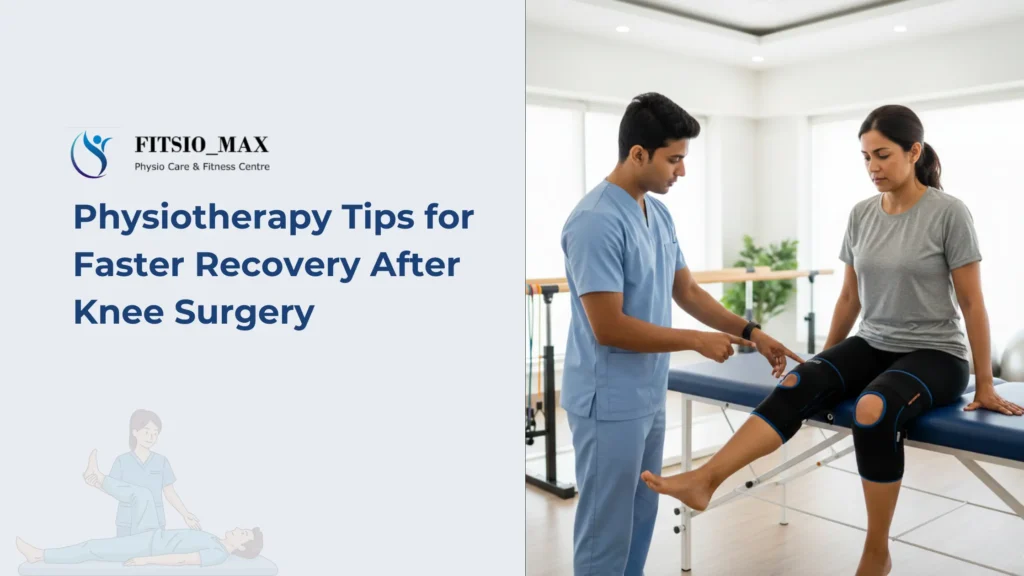
Regain Your Active Lifestyle,Physiotherapy for Knee Pain Recovery in Chennai Introduction Living with knee pain can be frustrating, limiting your ability to walk, climb stairs, or enjoy your favorite fitness routine. At Fitsiomax, we understand how pain can affect your daily life and overall confidence. That’s why we offer specialized physiotherapy for knee pain in Chennai, focused on restoring movement, improving strength, and helping you live pain-free again. Our certified physiotherapists use evidence-based methods to identify the root cause of your pain  whether it’s an old injury, arthritis, or joint wear and tear. Through personalized treatment sessions, advanced therapy tools, and one-on-one guidance, we ensure that your recovery is safe, natural, and long-lasting.   If you’re also dealing with stiffness or lower back pain, check out our Back Pain Physiotherapy in Chennai and Sports Injury Physiotherapy programs that promote full-body balance and mobility. Understanding Knee Pain and Its Common Causes Knee pain can develop due to a variety of reasons, from lifestyle habits to medical conditions. Common causes include ligament injuries, muscle weakness, overuse, or incorrect exercise techniques. Some people experience pain due to osteoarthritis, while others may face discomfort after a fall, surgery, or sports-related strain. Ignoring these symptoms can make the condition worse, reducing mobility and leading to chronic pain. Our physiotherapy clinic in Chennai is equipped with advanced tools and professional therapists who focus on identifying the exact cause of your knee pain. We tailor each treatment plan to your body type, age, and level of activity for the best results. At Fitsiomax, we use knee rehabilitation exercises that rebuild joint stability, improve muscle balance, and prevent further strain. These exercises also strengthen the surrounding muscles to ensure long-term support and reduce the risk of reinjury. How Physiotherapy Helps in Knee Pain Recovery Physiotherapy is one of the most effective, non-invasive solutions for knee pain relief. A structured treatment plan helps restore normal movement, rebuild strength, and reduce inflammation naturally. Our expert physiotherapists use a combination of advanced manual therapy, ultrasound, dry needling, and taping techniques to enhance recovery. In addition, knee strengthening physiotherapy focuses on muscle activation, flexibility, and improved joint coordination. This helps you regain full function while protecting your knees from further damage. If you’ve undergone surgery, our post-surgery recovery physiotherapy sessions are designed to help you heal faster and regain complete mobility. Our team works closely with your doctor to monitor progress and ensure that you recover safely without any complications. At Fitsiomax, every session is customized to your specific needs  whether it’s pain management physiotherapy, mobility improvement therapy, or strength training for long-term results. Benefits of Physiotherapy for Knee Pain Physiotherapy provides both short-term and long-term benefits. In the short term, it helps reduce pain, swelling, and stiffness, allowing smoother movement. Over time, it builds joint endurance and flexibility, improving your overall posture and performance. At Fitsiomax Physiotherapy and Fitness Studio, we’ve helped countless clients overcome chronic pain through personalized care. Our joint pain physiotherapy program focuses on correcting movement patterns, reducing inflammation, and preventing recurring pain. Many clients also choose to combine their treatment with sports injury physiotherapy for enhanced recovery and athletic performance. Our approach doesn’t stop at treating pain we aim to empower you with the right exercises, techniques, and knowledge to stay active for life. Regular sessions can also improve your confidence, making everyday activities like walking, climbing stairs, and bending your knees easier and more comfortable. Lifestyle Tips for Maintaining Knee Health To maintain your knee health, consistency is key. Practicing your knee rehabilitation exercises regularly can keep your joints flexible and strong. Always warm up before workouts, wear proper footwear, and maintain a healthy body weight to reduce stress on your knees. Our therapists at Fitsiomax also recommend including mobility improvement therapy sessions at least once a month to keep your joints functioning efficiently. A balanced routine of stretching, low-impact exercises like swimming or cycling, and posture correction can go a long way in preventing knee pain from returning. If you feel any discomfort while training, don’t ignore it. Early pain management physiotherapy can prevent a small issue from turning into a long-term condition. Conclusion Knee pain doesn’t have to stop you from leading an active, fulfilling, and healthy life. With expert physiotherapy for knee pain in Chennai, you can naturally restore flexibility, strength, and joint stability without depending on surgery or heavy painkillers. Our specialized physiotherapists focus on long-term recovery through safe, science-backed techniques designed to rebuild your confidence and mobility at your own pace. At Fitsiomax Physiotherapy and Fitness Studio, we are dedicated to helping you move better, recover faster, and live completely pain-free through personalized treatment plans and advanced therapy sessions. Take the first step toward lasting comfort, health, and confidence today. Frequently Asked Questions 1. How does physiotherapy help in knee pain recovery? Physiotherapy for knee pain in Chennai focuses on reducing inflammation, improving mobility, and strengthening the knee through targeted exercises, manual therapy, and pain-relief techniques like ultrasound or taping. 2.What are the best physiotherapy treatments for knee pain? Effective knee pain physiotherapy treatment includes strengthening exercises, joint mobilization, ultrasound therapy, dry needling, and taping. These methods help restore stability and reduce recurring knee pain. 3. Can physiotherapy cure knee pain without surgery? Yes. Most cases improve with knee strengthening physiotherapy and mobility training. Surgery is only recommended when pain is caused by severe structural damage. Physiotherapy helps restore function naturally. 4.Do knee rehabilitation exercises really help? Absolutely. Knee rehabilitation exercises strengthen the muscles supporting your knee, improving balance, reducing pain, and preventing reinjury. Consistency is key to long-term results. 5. When should I visit a physiotherapist for knee pain? If knee pain lasts longer than a week, worsens while walking, or affects stair climbing, consult a physiotherapist immediately. Early knee pain treatment in Chennai prevents long-term joint issues. 6. Is physiotherapy helpful after knee surgery? Yes. Post-surgery knee physiotherapy restores movement, reduces swelling, and strengthens muscles safely. It helps you regain full mobility faster while preventing stiffness and muscle weakness.

Scroll to Top
Online Appointment