Fitsiomax

Blog

Browse Fitsiomax articles about physiotherapy, rehabilitation, pain, movement and fitness. General information should be considered alongside an individual clinical assessment.

back pain relief exercises at home
Blog

7 Effective Exercises to Reduce Back Pain at Home

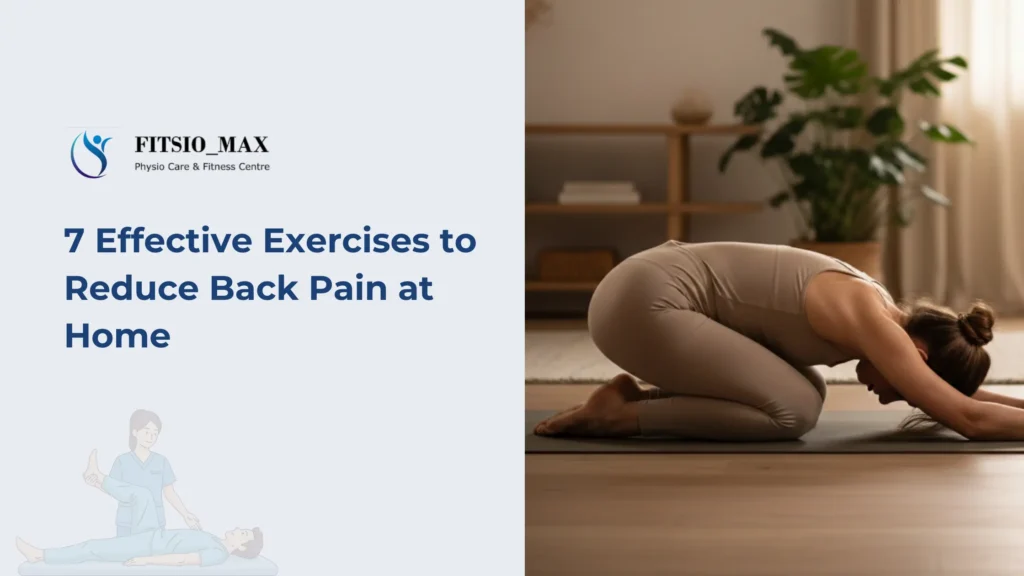
7 Effective Exercises to Reduce Back Pain at Home Introduction Many people ignore back discomfort until it starts affecting daily life. A slight stiffness in the morning, pain while bending, or discomfort after long sitting hours are often early warning signs. Back pain does not always mean a serious condition. In many cases, it is the body’s response to weak muscles, poor posture, or lack of movement. The good news is that simple movement can make a real difference. Learning safe back pain relief exercises at home helps reduce stiffness, improve flexibility, and support the spine naturally. When done regularly and correctly, these exercises help your body recover and prevent the problem from returning. This article explains easy exercises, supportive habits, and safety tips you can follow at home. The goal is to help you understand your body better and manage discomfort confidently in daily life. exercises for lower back pain at home These are simple movements that gently activate the muscles supporting the spine. They are ideal for beginners and people with mild stiffness. Who it is for: People who sit for long hours, work on computers, or feel tightness after inactivity. Key benefits: Improves blood circulation Reduces stiffness Improves flexibility Examples include knee-to-chest stretch, pelvic tilt, and gentle cat-cow movements. Safety note: Avoid fast movements. Stop if sharp pain or numbness appears. Persistent symptoms should be evaluated by a physiotherapist near me or another qualified professional. physiotherapy exercises for back pain These exercises focus on strengthening and stabilizing muscles around the spine. They are commonly recommended in rehabilitation settings. Who it is for: Individuals recovering from injury, muscle strain, or recurring discomfort. Key benefits: Improves posture support Prevents repeated strain Helps long-term pain control Typical movements include bridges, core activation, and controlled leg raises. Safety note: Proper technique matters. Incorrect posture can worsen symptoms. Some clinics, including Fitsiomax, guide patients on safe home routines and posture correction. stretches for back pain relief Stretching focuses on lengthening tight muscles around the hips and spine. Who it is for: People with morning stiffness or discomfort after sleeping. Key benefits: Reduces muscle tension Improves mobility Helps relaxed movement Common stretches include hamstring stretch, child’s pose, and hip flexor stretch. Safety note: Never force a stretch. Gentle tension is normal, pain is not. home remedies for back pain relief Home care techniques complement movement-based approaches. Who it is for: People experiencing occasional soreness. Key benefits: Provides comfort Supports recovery Reduces muscle tightness Helpful practices: Warm compress for stiffness Proper sitting support Hydration and regular movement breaks Safety note: If pain lasts more than two weeks, professional evaluation such as back pain treatment in Anna Nagar or another nearby assessment is advisable. back pain treatment without surgery Non-surgical care focuses on restoring function naturally. Who it is for: People with mild to moderate conditions like muscle strain or posture-related pain. Key benefits: Avoids invasive procedures Improves body mechanics Encourages active recovery Typical methods include guided exercises, posture correction, and ergonomic advice. Safety note: Severe nerve compression symptoms such as leg weakness require immediate medical attention. daily stretches for back pain Daily stretching maintains flexibility and prevents stiffness from returning. Who it is for: Office workers, drivers, and sedentary lifestyles. Key benefits: Maintains mobility Prevents flare-ups Improves comfort during daily tasks A simple routine: 5 minutes morning stretch 5 minutes evening mobility Safety note: Consistency is more important than intensity. Gentle daily effort works better than occasional aggressive stretching. back pain relief physiotherapy Physiotherapy focuses on identifying the cause rather than masking symptoms. Who it is for: People with recurring pain or difficulty performing normal activities. Key benefits: Individualized movement plan Posture correction guidance Education about prevention Many providers, including Fitsiomax, focus on teaching patients how to manage symptoms independently and safely at home. Safety note: Improvement takes time. Avoid expecting instant results. how to cure back pain naturally Natural recovery depends on lifestyle correction and regular movement. Who it is for: Individuals seeking non-drug solutions. Key benefits: Encourages long-term wellness Improves body awareness Builds muscle strength Key habits: Regular walking Balanced sitting posture Core strengthening Safety note: Persistent pain should never be ignored. Natural recovery still requires monitoring. lower back pain exercise routine A structured routine helps maintain progress. Who it is for: People who want consistent results. Key benefits: Builds endurance Reduces recurrence Supports daily activity Suggested weekly structure: 3 days strengthening 2 days stretching 2 days light activity like walking Safety note: Gradual progression is essential. Sudden intense workouts can trigger flare-ups. Strengthening focuses on muscles around the knee and hips. Conclusion Back discomfort often develops gradually due to lifestyle habits. Learning back pain relief exercises at home gives people control over recovery. Gentle strengthening, consistent stretching, and posture awareness form the foundation of improvement. However, exercises work best when combined with proper guidance when necessary. Recognizing early symptoms and making small daily changes can prevent long-term problems. Book a Back Pain Assessment Frequently Asked Questions 1. How long does it take for back pain exercises to work? In most cases, mild discomfort improves within two to four weeks. Based on general practice, consistency matters more than intensity. Daily gentle activity helps the body adapt gradually and safely. 2. Is walking good for lower back pain? Yes, walking is generally beneficial. Professionals usually recommend short frequent walks because they improve circulation and reduce stiffness without stressing the spine. 3. Should I rest completely when my back hurts? No, complete rest is rarely advised. In most cases, gentle movement supports healing. Prolonged bed rest can weaken muscles and slow recovery. 4. Can posture really cause back pain? Yes, poor posture places continuous strain on spinal muscles. Based on general practice, correcting sitting habits alone often reduces recurring discomfort. 5. When should I see a professional? You should seek evaluation if pain lasts more than two weeks, worsens, or causes numbness or weakness. Professionals usually recommend early assessment to prevent complications. 6. Are back pain exercises safe for older adults? Yes, with

Blog

Can an ACL Tear Heal Without Surgery? Complete Guide

Can an ACL Tear Heal Without Surgery? Complete Guide Introduction A sudden twist, a popping sound, or the knee suddenly giving way can be alarming. Many people immediately worry about surgery after a ligament injury. The common question is simple: can an ACL tear heal without surgery? The anterior cruciate ligament (ACL) helps stabilize the knee during walking, turning, and sports activities. When injured, the knee may feel unstable or swollen. However, not every injury requires an operation. With proper care, structured activity, and guided recovery, some individuals manage the condition through conservative methods.   Professionals in rehabilitation settings, including teams such as Fitsiomax, often focus on restoring movement and strength before considering invasive options. This guide explains when recovery without surgery is possible and how people can safely support knee ligament injury recovery. acl tear treatment without surgery This refers to managing the ligament injury using movement therapy, strength training, and activity modification instead of surgical reconstruction. Who it is for: People with mild instability, partial tears, or lower physical demands. Key benefits: Avoids surgical risks Supports natural healing Improves joint function gradually Safety note: Persistent locking, severe knee swelling after injury, or repeated falls require professional evaluation. non surgical treatment for acl tear Non-surgical care combines structured rehabilitation, protective support, and education. Who it is for: Adults who can perform daily activities without significant knee giving way problem. Key benefits: Maintains mobility Strengthens knee joint support muscles Encourages safe activity levels Safety note: Ignoring instability can increase risk of further cartilage damage. Monitoring progress is important. physiotherapy for acl tear recovery Rehabilitation programs focus on restoring strength, coordination, and movement patterns. Who it is for: Individuals aiming to regain walking confidence or return to routine tasks. Key benefits: Improves balance Enhances knee stability Supports sports knee injury rehabilitation Clinics, including Fitsiomax, commonly teach controlled movement training and posture correction. Safety note: Exercises must progress gradually. Sudden intensity can worsen ligament strain. acl tear recovery without operation Recovery without operation involves consistent strengthening and protective habits. Who it is for: People managing daily life activities without severe instability. Key benefits: Encourages active healing Improves joint awareness Reduces knee instability treatment needs later Safety note: If the knee repeatedly collapses, professional assessment is essential. partial acl tear recovery time A partial tear means the ligament is stretched but not fully broken. Who it is for: Patients experiencing mild instability rather than complete structural damage. Key benefits: Faster recovery compared to complete tears Gradual improvement with rehabilitation for knee ligament injury Recovery typically ranges from several weeks to a few months depending on strength and activity. Safety note: Returning to sports too early may worsen injury. grade 1 acl tear treatment Grade 1 injuries involve minor stretching of the ligament fibers. Who it is for: People with mild pain but minimal instability. Key benefits: Quick functional improvement Early return to daily activities Treatment often includes rest, controlled movement, and ligament strengthening exercises. Safety note: Avoid sudden pivoting movements during healing. grade 2 acl tear treatment Grade 2 injuries represent a partial tear with moderate symptoms. Who it is for: Individuals noticing swelling and reduced confidence while walking. Key benefits: Structured strengthening improves control Helps prevent chronic instability Safety note: Professional supervision helps determine readiness for higher activity. exercises after acl injury without surgery Carefully selected movements restore motion and muscle activation. Who it is for: Patients beginning knee ligament rehabilitation. Key benefits: Restores flexibility Activates surrounding muscles Improves movement confidence Common starting exercises: Straight leg raises Heel slides Gentle stationary cycling Safety note: Pain should guide intensity. Sharp pain indicates overload. knee stability exercises after acl tear These exercises train coordination and joint control. Who it is for: Individuals experiencing knee giving way during walking. Key benefits: Enhances balance Prevents repeated strain Supports return to sports after ACL injury Examples include single-leg standing and controlled step-downs. Safety note: Perform on stable surfaces initially to avoid falls. how to strengthen knee after acl injury Strengthening focuses on muscles around the knee and hips. Who it is for: People rebuilding long-term stability. Key benefits: Supports knee joint support muscles Reduces risk of re-injury Improves confidence during movement Exercises gradually include squats and resistance band training. Safety note: Technique matters more than resistance. Improper form increases strain. Conclusion Knee pain, looseness, or difficulty while walking after a twist, fall, or sports activity may indicate a ligament injury. Many patients delay treatment thinking it will heal naturally, but improper healing can lead to long-term knee instability and cartilage damage. Early physiotherapy assessment helps you understand whether your ACL is stable and whether surgery is actually required. Check If Surgery Is Needed Frequently Asked Questions 1. Can you walk normally with a torn ACL? Yes, many people can walk, but stability may feel reduced. In most cases, controlled strengthening improves confidence. Professionals usually recommend avoiding sudden turning movements until muscles stabilize the joint. 2. What happens if an ACL tear is left untreated? Untreated instability may lead to cartilage wear over time. Based on general practice, repeated knee collapse can increase long-term joint stress and discomfort during activity. 3. Do all ACL tears require surgery? No, surgery is not always required. In most cases, individuals with partial tears and low activity demands manage well with rehabilitation and structured strengthening. 4. Can you bend your knee after an ACL injury? Yes, bending is usually possible but may feel uncomfortable initially. Professionals usually recommend gentle motion early to prevent stiffness while avoiding aggressive activity. 5. How do you know if your ACL is healing? Improvement in stability, reduced swelling, and stronger muscle control indicate progress. Based on general practice, steady functional improvement over weeks suggests recovery. 6. When can you return to sports after an ACL injury? Return depends on strength, balance, and stability. In most cases, gradual progression over months is advised. Professionals usually recommend testing movement control before full participation. Yes, many people can walk, but stability may feel reduced. In most cases, controlled strengthening

Why Choose Fitsiomax for Sports Injury Recovery in Chennai
Blog

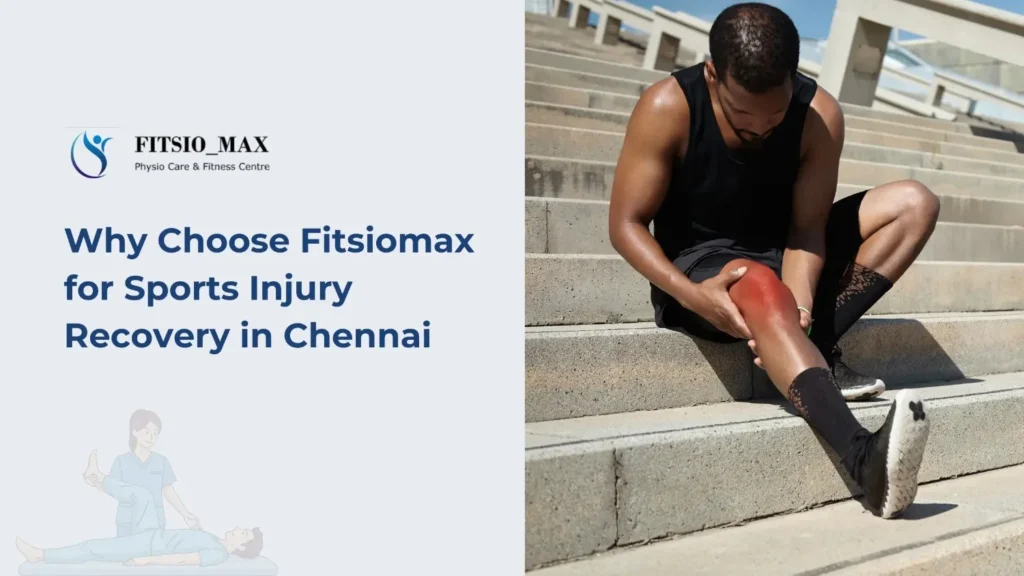
Why Choose Fitsiomax for Sports Injury Recovery in Chennai

Returning to Training After a Sports Injury: A Planning Guide Introduction Feeling better after a sports injury and wondering how to restart training? This guide helps you prepare questions for your physiotherapist and plan a return around your current ability, symptoms and the demands of your activity. It is general information, not clearance to resume sport. Follow your treating clinician’s restrictions, especially after surgery. For assessment and booking, see our sports injury physiotherapy service in Chennai. Match the Plan to Your Sport or Dance Activity A return plan depends on the injury and the sport. Running, weightlifting, cricket and dance place different demands on the body. Explain the movements, training schedule and competition or performance goals you want to return to. Why Proper Rehabilitation Matters Returning after an injury is a gradual process. Doing much more as soon as you feel better can bring symptoms back. Discuss a manageable starting point and how your response will be reviewed before increasing training. For gym-related questions, explore our gym injury rehabilitation guide. Questions to Discuss at Your Rehabilitation Review A useful rehabilitation review should help you understand what you can currently do, what still needs work and what will determine the next step. Use the questions below to discuss your return with your physiotherapist. 1. Sports-Specific Assessment Which movements or tasks are currently limited? Are there restrictions from a surgeon or treating doctor? Which activity-specific tasks should be checked before progression? How will movement and strength be reviewed? If you have not had an assessment, read our first sports physiotherapy assessment guide. 2. Personalized Rehabilitation Plan Agree a plan that fits your injury, ability and schedule. Ask what activity is appropriate now, what should wait and when the plan will be reviewed. Your home programme and training choices should follow individual assessment. 3. Understand Your Exercises and Treatment Choices Ask which exercises or treatments are recommended and why. A clinic visit should explain how the selected care relates to your limitations and goals. Do not assume that a particular machine, massage or exercise is necessary for every injury. 4. Return-to-Sport Training Ask how to build from suitable drills to training and, when appropriate, competition or performance. Keep a simple record of activity and symptoms to discuss at review. Include recovery time and share relevant restrictions with your coach or instructor. Define Your Return-to-Activity Goals Make your goals specific: which sport or dance style, which movements and what level of participation? Describe your usual session length and weekly schedule, and discuss any planned event without treating that date as a guaranteed recovery deadline. When Should You Arrange a Review? Arrange a clinical review if symptoms return, movement remains limited or you cannot progress with the agreed plan. Seek urgent medical care for severe or worsening pain, substantial swelling or inability to bear weight. Deformity, numbness or a cold/discoloured limb after injury needs emergency assessment. What to Leave Your Review With Your current permitted activities and restrictions A manageable starting training plan Clear instructions for home exercises Symptoms that should prompt further advice A review date and the goals for the next stage Conclusion Returning to sport should follow a plan that reflects your injury and current ability. Ask for clear progression guidance and review your response with your physiotherapist. For appointments, visit Fitsiomax sports and dance injury physiotherapy and choose a convenient Chennai clinic. Further reading: NHS sprains and strains guidance; West Suffolk NHS return-to-sport leaflet for young people, intended for use with a physiotherapist. Frequently Asked Questions 1. How long does sports injury recovery take? There is no single recovery timeline for all sports injuries. It depends on the injury, severity, health, activity demands and rehabilitation progress. Ask your clinician what goals should guide progression instead of relying only on a number of weeks. 2. Can physiotherapy cure ligament injuries? Physiotherapy may support movement, strength and function after some ligament injuries. Recovery and the need for surgery depend on the injury and clinical assessment; complete healing cannot be guaranteed. 3. When should I start physiotherapy after injury? Ask a qualified healthcare professional when to begin rehabilitation. Appropriate timing depends on the injury, its severity and any medical or surgical restrictions. Do not start exercises that worsen symptoms. 4. Is physiotherapy better than rest? Rest and rehabilitation have different roles. Appropriate early protection and a gradual return to movement may be needed. Your plan should follow your injury and symptoms; rehabilitation does not guarantee that reinjury will be prevented. 5. Do I need physiotherapy for gym injuries? A physiotherapist can assess persistent or recurring symptoms after a gym injury and help plan a return to activity. Gym injuries can have several causes; assessment is needed rather than assuming one cause or that the injury will recur. There is no single recovery timeline for all sports injuries. It depends on the injury, severity, health, activity demands and rehabilitation progress. Ask your clinician what goals should guide progression instead of relying only on a number of weeks. Physiotherapy may support movement, strength and function after some ligament injuries. Recovery and the need for surgery depend on the injury and clinical assessment; complete healing cannot be guaranteed. Ask a qualified healthcare professional when to begin rehabilitation. Appropriate timing depends on the injury, its severity and any medical or surgical restrictions. Do not start exercises that worsen symptoms. Rest and rehabilitation have different roles. Appropriate early protection and a gradual return to movement may be needed. Your plan should follow your injury and symptoms; rehabilitation does not guarantee that reinjury will be prevented. A physiotherapist can assess persistent or recurring symptoms after a gym injury and help plan a return to activity. Gym injuries can have several causes; assessment is needed rather than assuming one cause or that the injury will recur.

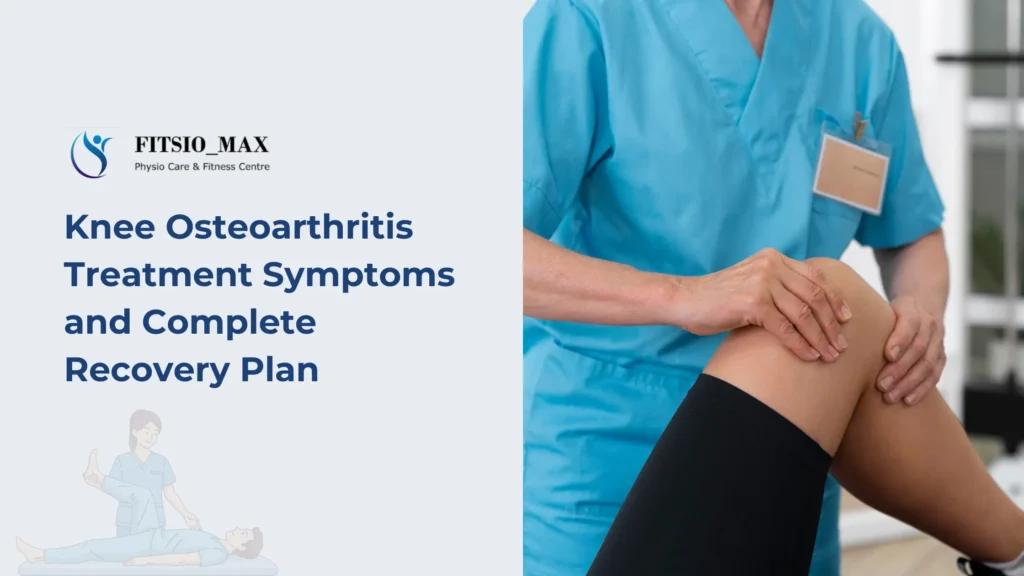
Knee Osteoarthritis Treatment Symptoms and Complete Recovery Plan
Blog

Knee Osteoarthritis Treatment Symptoms and Complete Recovery Plan

Knee Osteoarthritis Treatment Symptoms and Complete Recovery Plan Introduction Knee pain is one of the most common problems seen after age 40, especially in women. Many people assume it is just age-related weakness. But in reality, the most common reason is Knee Osteoarthritis. Osteoarthritis is a gradual wear and tear condition where the cartilage inside the knee joint slowly becomes thin. When cartilage reduces, bones start rubbing against each other. This causes pain, stiffness, swelling, and difficulty walking. If ignored early, it may lead to severe walking difficulty, stair climbing problems, and sometimes even knee replacement surgery. The good news is most patients can avoid surgery with correct physiotherapy treatment and a proper recovery plan at Fitsiomax Clinic, Chennai. What Happens Inside the Knee Joint? The knee joint has a smooth protective layer called cartilage. It works like a cushion and shock absorber. In Osteoarthritis: Cartilage becomes thin Joint lubrication decreases Bones start friction contact Inflammation develops That is why many people feel pain even without injury. If you often experience unexplained pain, read: Body Pain Without Injury: When Physiotherapy Is Needed Common Symptoms of Knee Osteoarthritis Many patients live with symptoms for years without recognizing the condition. Early diagnosis is important. Early Stage Symptoms Mild knee pain while walking Morning stiffness (5 to 10 minutes) Knee sounds clicking or cracking Difficulty sitting cross legged Moderate Stage Symptoms Pain during stair climbing Swelling around knee Pain after long standing Knee tightness after rest Advanced Stage Symptoms Severe walking pain Bow shaped leg alignment Knee locking sensation Reduced walking distance Elderly patients especially develop chronic joint pain. You can also read about age related joint issues here: Joint Pain in Old Age: How Physiotherapy Improves Mobility Causes and Risk Factors Knee osteoarthritis does not occur suddenly. It develops slowly over years. Major risk factors include: Age above 40 Obesity or weight gain Long standing jobs Climbing stairs frequently Previous ligament injury Vitamin D deficiency Weak thigh muscles Women after menopause One very important cause is muscle weakness. Weak thigh muscles cannot support the knee joint, so pressure goes directly to cartilage. How Physiotherapy Helps Knee Osteoarthritis Many patients think arthritis cannot be treated without surgery. This is a myth. Physiotherapy is actually the first and most effective treatment for knee osteoarthritis in early and moderate stages.   Benefits of Physiotherapy Reduces pain Improves walking Increases knee flexibility Strengthens muscles Prevents surgery At Fitsiomax, treatment is focused on correcting the root cause instead of only giving temporary pain relief. Step by Step Knee Osteoarthritis Recovery Plan Phase 1 Pain Relief (Week 1 to 2) Goal Reduce inflammation and swelling Treatment includes: Electrotherapy IFT or TENS Ultrasound therapy Manual joint mobilization Cryotherapy cold therapy This stage mainly reduces pain during walking. Phase 2 Mobility Restoration (Week 2 to 4) Goal Improve knee bending and straightening Exercises: Heel slides Assisted knee bending Patella mobilization Stretching exercises Most patients notice easier walking in this stage. Phase 3 Muscle Strengthening (Week 4 to 8) Goal Support the knee joint Key exercises: Quadriceps strengthening Straight leg raise Static cycling Step up training This is the most important stage. Strong muscles reduce pressure on cartilage. Phase 4 Functional Recovery (Week 8 to 12) Goal Return to normal activities Training includes: Stair climbing practice Balance training Gait correction Posture correction After this stage, many patients can walk long distances comfortably. Lifestyle Changes That Speed Recovery Treatment alone is not enough. Daily habits matter. Do Use western toilet instead of squat Wear cushioned footwear Maintain ideal body weight Walk on flat surface Avoid Sitting cross legged Floor sitting Sudden running Climbing stairs repeatedly Can Knee Osteoarthritis Be Reversed? Cartilage damage cannot completely regrow naturally. However, pain, stiffness, and walking difficulty can be controlled 80 to 90 percent with proper physiotherapy. Most knee replacement surgeries happen because patients delay treatment for years. Early treatment equals no surgery. When Should You See a Physiotherapist? Consult immediately if you have: Knee pain for more than 2 weeks Difficulty getting up from chair Pain while climbing stairs Knee stiffness after waking up Early care prevents permanent damage. Conclusion Knee Osteoarthritis is not just an age problem. It is a treatable condition. Ignoring early symptoms leads to severe joint damage and surgery. With the right physiotherapy program, muscle strengthening, and lifestyle correction, most people can walk pain free again. The key is simple. Treat early, strengthen muscles, and protect the joint. Frequently Asked Questions 1. What is the best treatment for knee osteoarthritis? Physiotherapy, strengthening exercises, and weight management are the best non surgical treatments. 2. Can walking worsen knee arthritis? The wrong walking pattern worsens it. Correct guided walking actually improves joint health. 3. Is knee replacement always required? No. Only advanced severe cases require surgery. Most patients improve with physiotherapy. 4. How long does recovery take? Usually 6 to 12 weeks depending on stage and patient compliance. 5. Which exercise is best for knee arthritis? Quadriceps strengthening and cycling exercises are the most effective. Physiotherapy, strengthening exercises, and weight management are the best non surgical treatments. The wrong walking pattern worsens it. Correct guided walking actually improves joint health. No. Only advanced severe cases require surgery. Most patients improve with physiotherapy. Usually 6 to 12 weeks depending on stage and patient compliance. Quadriceps strengthening and cycling exercises are the most effective.

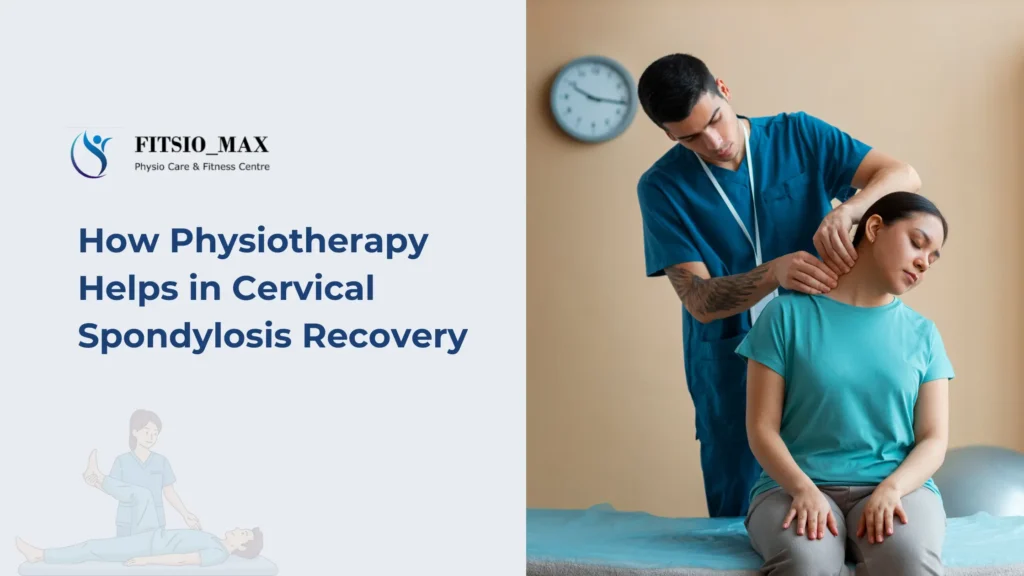
How Physiotherapy Helps in Cervical Spondylosis Recovery
Blog

How Physiotherapy Helps in Cervical Spondylosis Recovery

How Physiotherapy Helps in Cervical Spondylosis Recovery Introduction Cervical spondylosis is one of the most common problems seen today, especially among people who work long hours on computers and mobile phones. Many patients believe neck pain is normal or temporary. But persistent neck stiffness, shoulder pain, headache, or tingling in hands may actually be a sign of cervical spine degeneration. The good news is surgery is rarely required. The most effective and safest solution is physiotherapy for cervical spondylosis. At Fitsiomax Clinic, Chennai, many patients recover completely without injections or surgery using structured physiotherapy treatment. What is Cervical Spondylosis? Cervical spondylosis is an age related wear and tear of the bones, discs, and joints in the neck (cervical spine). Over time, the intervertebral discs lose hydration and elasticity, causing reduced cushioning between vertebrae. This leads to: disc bulge nerve compression reduced neck movement chronic inflammation It is now also common in people aged 25 to 40 years due to poor posture and mobile usage. Common Symptoms You may need neck pain physiotherapy if you have: persistent neck pain neck stiffness in morning pain radiating to shoulder headache from neck base numbness in fingers tingling sensation in hands weakness in arm difficulty turning head dizziness while looking up If ignored, it can progress into cervical radiculopathy, a nerve compression condition. Why Cervical Spondylosis Happens The real cause is not just aging. The main reason is posture. Major risk factors: long computer work laptop below eye level mobile phone usage text neck sleeping without neck support driving long hours lack of exercise weak neck muscles Many patients treated at Fitsiomax also come with associated back pain. If you also have lower back issues, Read: Back Pain Treatment in Chennai: Causes, Warning Signs & Physio Cure Neck and back problems are biomechanically connected. How Physiotherapy Treats Cervical Spondylosis Physiotherapy is a non surgical treatment for cervical spondylosis. It treats the root cause, not just the pain. 1. Pain Relief Therapy Initially, inflammation and muscle spasm must be reduced. Treatments used: IFT therapy TENS therapy Ultrasound therapy Hot pack therapy Manual muscle release This quickly reduces pain and improves sleep. 2. Cervical Traction Spinal Decompression One of the most effective treatments. Cervical traction gently separates vertebrae and: reduces disc pressure relieves nerve compression decreases tingling in hand improves blood circulation Patients often feel relief within a few sessions. 3. Posture Correction Therapy This is the most important step. Cervical spondylosis is mainly a postural disorder. Physiotherapists analyze: sitting posture work ergonomics pillow height monitor position Patients are trained in daily activity correction to stop recurrence. 4. Strengthening Exercises Weak muscles are the main reason pain returns. Physiotherapy strengthens: deep neck flexors upper back muscles scapular stabilizers shoulder muscles These exercises stabilize the cervical spine and prevent future disc damage. 5. Stretching and Mobility Exercises Special cervical spondylosis exercises help: increase flexibility reduce stiffness improve movement reduce headaches Patients also receive a home exercise program. Athletes and gym users especially benefit from supervised rehab.Read more: How Physiotherapy Enhances Recovery Times for Athletes and Dancers Why Medicines Alone Don’t Work Painkillers only suppress symptoms. They do NOT: correct posture strengthen muscles relieve nerve compression prevent recurrence That is why many patients experience repeated pain every few months.Only cervical spine physiotherapy treats the underlying mechanical problem. Recovery Time Most patients improve in 2 to 6 weeks depending on severity. Typical recovery: Mild 10 sessions Moderate 15 sessions Severe nerve compression 20+ sessions Early treatment gives faster results. Prevention Tips from Physiotherapists Keep monitor at eye level Use chair with back support Avoid looking down at mobile Use proper pillow height Take breaks every 30 minutes Do neck stretches daily Strengthen upper back muscles Prevention is easier than treatment. When Should You Visit a Physiotherapist? Visit immediately if: pain lasts more than 5 days tingling in hands arm numbness weakness while lifting objects headache from neck Early physiotherapy avoids injections and surgery. Conclusion Cervical spondylosis is no longer an old age disease. It has become a modern lifestyle disorder caused by posture and prolonged screen usage. The safest and most effective treatment is physiotherapy for cervical spondylosis because it: reduces pain naturally relieves nerve pressure restores movement corrects posture prevents recurrence At Fitsiomax Clinic, Chennai, structured physiotherapy programs help patients return to normal life, work comfortably, and stay pain free without medications. If you are experiencing neck pain or stiffness, do not wait. Early treatment leads to faster recovery and prevents permanent damage. Frequently Asked Questions 1. Can cervical spondylosis be cured permanently? Yes. With proper physiotherapy, posture correction, and exercises, most patients recover and prevent recurrence. 2. Is physiotherapy safe for cervical spondylosis? Yes. It is the safest and most recommended non surgical treatment. 3. How many sessions are required? Usually 10 to 20 sessions depending on severity. 4. Can I do gym with cervical spondylosis? Yes, but only after rehabilitation and guided strengthening exercises. 5. What is the best treatment for cervical spondylosis? Structured physiotherapy combined with posture correction and muscle strengthening is considered the best treatment. Yes. With proper physiotherapy, posture correction, and exercises, most patients recover and prevent recurrence. Yes. It is the safest and most recommended non surgical treatment. Usually 10 to 20 sessions depending on severity. Yes, but only after rehabilitation and guided strengthening exercises. Structured physiotherapy combined with posture correction and muscle strengthening is considered the best treatment.

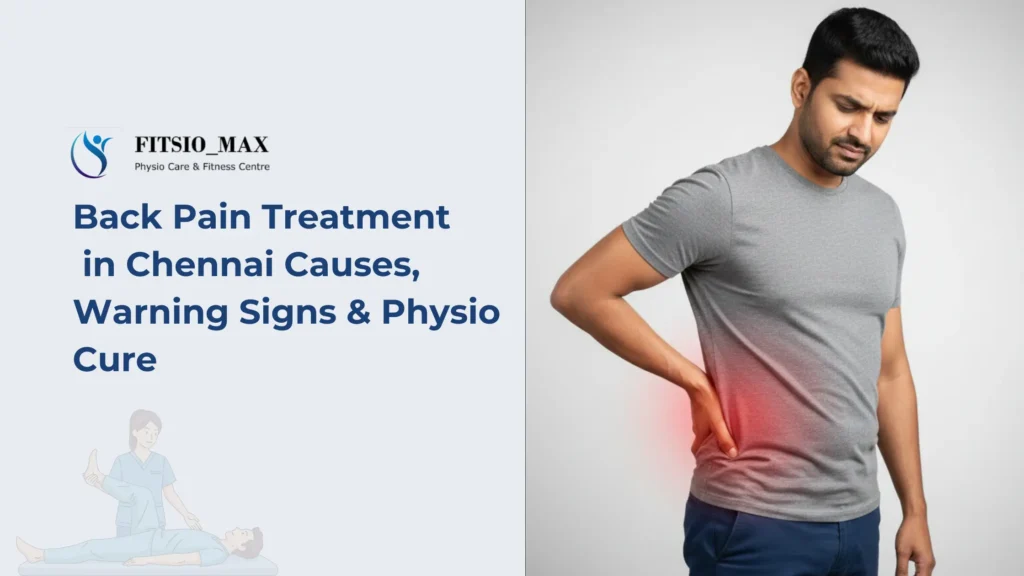
back pain treatment in chennai
Blog

Back Pain Treatment in Chennai’Causes, Warning Signs & Physio Cure 

Back Pain Treatment in Chennai: Causes, Warning Signs & Physio Cure Introduction Back pain is no longer just an “age problem.” Today, people of all ages office workers, drivers, homemakers, fitness enthusiasts, and even students experience daily back discomfort. Long sitting hours, poor posture, stress, lack of physical activity, and repetitive movements silently worsen the condition over time. Ignoring early symptoms can lead to chronic pain, reduced mobility, disturbed sleep, and lower work productivity. If your back pain keeps returning or is affecting your daily life, it’s time to seek expert care. Back pain treatment in Chennai at Fitsiomax focuses on identifying the root cause and providing long-term relief through personalized physiotherapy, not temporary pain suppression. Common Causes of Back Pain Understanding the causes of back pain helps in choosing the right treatment. Some of the most common lower back pain reasons include: Sitting for long hours without support Poor posture while using laptop or mobile Muscle strain from lifting heavy objects Weak core muscles Disc problems or spinal stiffness Lack of physical activity Many people experience back pain after sitting long hours, especially IT professionals and desk workers. Ignoring early signs can lead to chronic back pain. Back Pain Symptoms You Should Not Ignore Mild discomfort can slowly become serious if untreated. Watch out for these back pain symptoms: Pain while bending or getting up Stiffness in the morning Pain spreading to hips or legs Difficulty standing for long time Burning or sharp pain in lower back If pain lasts more than a few days, you may need physiotherapy for back pain instead of just tablets. When Should You See a Back Pain Specialist in Chennai? You should consult a back pain specialist in Chennai if: Pain is not reducing with rest You feel numbness or tingling in legs Pain is affecting sleep Home remedies are not working Pain keeps returning frequently Early spine physiotherapy treatment prevents bigger problems like disc issues and nerve compression. How Physiotherapy Helps Back Pain At Fitsiomax, experts provide back pain physiotherapy in Chennai using modern techniques. Treatment is fully non-surgical back pain treatment, safe, and personalized. Your lower back pain treatment may include:  Manual therapy to reduce stiffness Stretching tight muscles Strengthening weak back & core muscles Posture correction Ergonomic advice for office work Electrotherapy for pain relief  Physiotherapy improves mobility, reduces inflammation, and gives long-term relief. Why Choose Fitsiomax for Back Pain Treatment in Chennai? Finding the best physiotherapist for back pain makes a big difference in recovery. Fitsiomax is a leading chennai physiotherapy clinic known for result-oriented care. What makes Fitsiomax different? Expert assessment of pain cause Customized spine physiotherapy treatment Advanced equipment Focus on permanent recovery Friendly and supportive environment If you are searching for back pain treatment near me, choosing a clinic that treats the cause  not just symptoms  is important. Chronic Back Pain Needs Professional Care Many people ignore pain thinking it will go away. But chronic back pain can affect work productivity and quality of life. Professional physiotherapy for back pain helps: Restore spine flexibility Improve posture Prevent future injuries Reduce dependency on painkillers Take Action Before Pain Gets Worse Back pain is your body’s warning sign. Early back pain treatment in Chennai at Fitsiomax ensures faster recovery and avoids long-term complications. Don’t wait until pain becomes severe. The right non-surgical back pain treatment can help you return to normal life without surgery. Conclustion Struggling with back pain that won’t go away? Get expert back pain treatment in Chennai at Fitsiomax. Our physiotherapists identify the root cause and provide safe, non-surgical care for lasting relief. Don’t ignore early symptoms timely treatment prevents chronic problems. Book your consultation today and take the first step toward a pain-free, active life. Frequently Asked Questions 1.When should I see a physiotherapist for back pain?  You should see a physiotherapist if back pain lasts more than 3–5 days, keeps returning, or affects walking, sitting, or sleeping. Early physiotherapy for back pain prevents the condition from becoming chronic and reduces the risk of spine complications. 2.Is physiotherapy effective for chronic back pain?  Yes, physiotherapy is one of the most effective treatments for chronic back pain. It improves muscle strength, corrects posture, increases spine flexibility, and treats the root cause instead of just masking pain with medication. 3.What treatments are used in back pain physiotherapy?  Back pain physiotherapy in Chennai usually includes manual therapy, stretching, strengthening exercises, posture correction, electrotherapy, and ergonomic advice. These methods provide safe and non-surgical back pain treatment. 4. How many physiotherapy sessions are needed for lower back pain?  The number of sessions depends on pain severity and duration. Mild cases improve within 5–7 sessions, while lower back pain treatment for chronic conditions may require 10–15 sessions for lasting relief. 5. Can physiotherapy prevent back pain from coming back?  Yes. A spine physiotherapy treatment plan strengthens core muscles, improves posture, and teaches correct body movements, which prevents future episodes of back pain. 6. Is back pain treatment in Chennai costly?  The cost varies based on the condition and treatment plan. Many Chennai physiotherapy clinics offer affordable packages. A consultation helps determine the exact therapy required. 7. Do I need surgery for severe back pain?  Not always. Most cases improve with non-surgical back pain treatment through physiotherapy. Surgery is considered only in rare cases when there is serious nerve compression or structural damage.  You should see a physiotherapist if back pain lasts more than 3–5 days, keeps returning, or affects walking, sitting, or sleeping. Early physiotherapy for back pain prevents the condition from becoming chronic and reduces the risk of spine complications.  Yes, physiotherapy is one of the most effective treatments for chronic back pain. It improves muscle strength, corrects posture, increases spine flexibility, and treats the root cause instead of just masking pain with medication.  Back pain physiotherapy in Chennai usually includes manual therapy, stretching, strengthening exercises, posture correction, electrotherapy, and ergonomic advice. These methods provide safe and non-surgical back pain treatment.  The number of sessions depends on pain

physiotherapy recovery for athletes
Blog

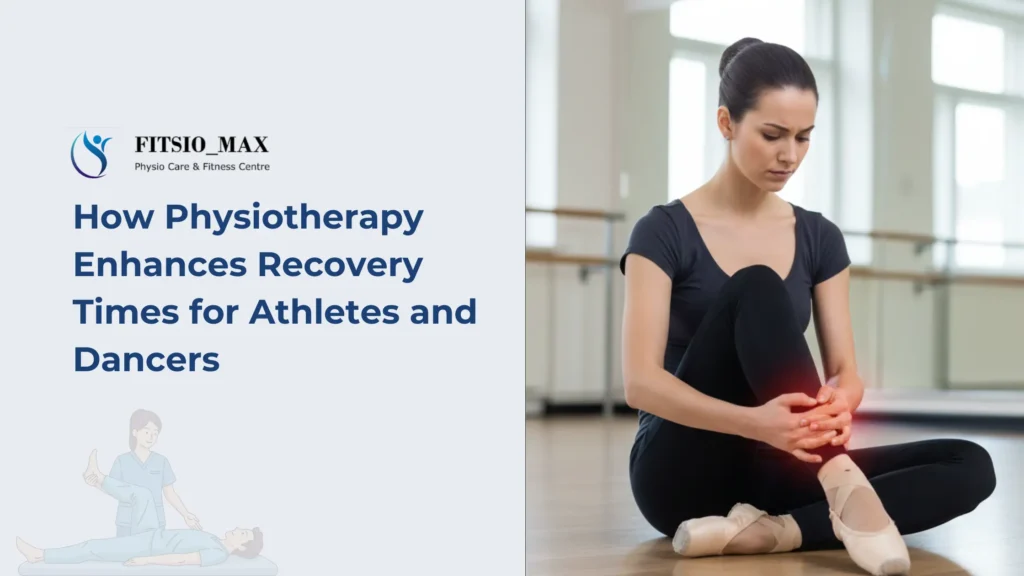
How Physiotherapy Enhances Recovery Times for Athletes and Dancers

How Physiotherapy Enhances Recovery Times for Athletes and Dancers Introduction Recovery is often mistaken as simply waiting for pain to reduce. For athletes and dancers, recovery involves restoring movement quality, strength, balance, and confidence. When recovery is rushed or unmanaged, the body may return to activity before it is truly ready, increasing the risk of repeated injuries. This is why physiotherapy recovery for athletes plays a critical role in structured and sustainable healing.Physiotherapy focuses on how the body heals and adapts after physical stress. Instead of isolating pain, it considers how muscles, joints, and movement patterns work together. This approach supports long-term recovery and applies across many service-based fields where physical performance and resilience matter. how physiotherapy helps injury recovery Physiotherapy helps injury recovery by supporting healing through controlled movement rather than complete inactivity. Gentle, guided exercises improve circulation, which helps deliver nutrients to injured tissues. This process reduces stiffness and supports proper tissue repair while maintaining basic mobility during recovery. This approach is useful for athletes and dancers who need to return to activity safely. When movement is introduced at the right stage, the body adapts more effectively. Care is taken to avoid overloading healing tissues, as pushing too early can delay recovery. physiotherapy for sports and dance injuries Physiotherapy for sports and dance injuries addresses both the injury itself and the movement patterns that contributed to it. Many injuries develop due to repetitive stress, imbalance, or poor load management rather than a single incident. Physiotherapy examines how the body moves during training and performance. This approach is suitable for individuals involved in physically demanding or repetitive activities. By improving movement efficiency and control, physiotherapy supports safer recovery and helps reduce the likelihood of recurring injuries. physiotherapy for faster recovery Physiotherapy for faster recovery does not focus on speed alone but on efficiency. Guided rehabilitation helps the body remain active without stressing injured tissues. Maintaining movement during recovery prevents muscle weakness and joint stiffness that often result from prolonged rest. This method benefits those who want to return to activity smoothly rather than abruptly. Progression is gradual and based on how the body responds, ensuring recovery remains safe and sustainable. sports injury recovery physiotherapy Sports injury recovery physiotherapy focuses on restoring strength, coordination, and functional movement after injury. Pain relief alone does not guarantee readiness to return to sport. Physiotherapy retrains movement patterns that may have changed due to injury or compensation. This approach supports athletes who rely on precise movement and physical control. Rehabilitation is adjusted to match activity demands, reducing the risk of reinjury caused by incomplete recovery. dance injury physiotherapy treatment Dance injury physiotherapy treatment considers the unique demands of dance, including flexibility, balance, and repeated movement through large ranges. Dancers often require stability without losing mobility, which makes recovery more complex. Physiotherapy helps maintain flexibility while improving joint control and muscle coordination. This balance allows dancers to recover without compromising performance quality. Care is taken to avoid overstretching healing tissues. muscle recovery physiotherapy Muscle recovery physiotherapy focuses on restoring strength and function after strain or overload. Injured muscles weaken quickly when activity is reduced, which can slow recovery if not addressed properly. Gradual reloading through physiotherapy helps muscles regain strength while protecting healing fibers. This controlled approach supports smoother recovery and prepares the body for return to full activity. physiotherapy rehabilitation for athletes Physiotherapy rehabilitation for athletes addresses recovery at multiple levels, including strength, mobility, balance, and endurance. Rehabilitation is designed to restore function rather than only reduce pain. This approach helps athletes rebuild confidence in injured areas. Movement quality is emphasized to ensure the body can handle training demands safely once activity resumes. recovery time after sports injury physiotherapy Recovery time after sports injury physiotherapy varies based on injury type, severity, and individual response. Physiotherapy helps manage expectations by focusing on functional improvement rather than fixed timelines. Progress is measured through movement quality, strength, and control. This approach reduces frustration and prevents premature return to activity that may cause setbacks. physiotherapy techniques for recovery Physiotherapy techniques for recovery include guided exercise, manual therapy, stretching, and functional movement training. These techniques support healing while improving movement efficiency. Each technique is selected based on recovery stage and individual needs. Care is taken to ensure techniques support healing rather than stress injured tissues. role of physiotherapy in injury recovery The role of physiotherapy in injury recovery extends beyond physical healing. It helps individuals understand how their body moves and responds to stress. Improved body awareness supports better movement decisions during and after recovery.This understanding contributes to long-term movement health and reduced injury recurrence. Conclustion Physiotherapy recovery for athletes is not about quick fixes or guaranteed outcomes. It is about guiding the body through a structured recovery process that restores movement, strength, and confidence. For athletes and dancers, physiotherapy provides clarity and support during recovery, helping them return to activity with better control and reduced risk of repeated injury. Frequently Asked Questions 1.Does physiotherapy really speed up recovery? Yes, in most cases it can. Based on general practice, professionals usually recommend physiotherapy because guided movement supports tissue healing while maintaining strength and coordination, which often leads to smoother and more efficient recovery. 2.When should physiotherapy start after an injury? In most cases, physiotherapy can begin early with appropriate modifications. Professionals usually recommend starting once acute pain and swelling are controlled to prevent stiffness and movement loss. 3.Is physiotherapy only needed for serious injuries? No. In most cases, physiotherapy is helpful for both mild and significant injuries. Based on general practice, early intervention often prevents small issues from becoming long-term problems. 4. Can physiotherapy prevent injuries from coming back? In many cases, yes. Professionals usually recommend physiotherapy because it addresses movement patterns and load management, which helps reduce the risk of repeated injuries. 5. How long does recovery with physiotherapy usually take? Recovery time varies widely. Based on general practice, professionals usually recommend focusing on functional progress rather than fixed timelines, as healing depends on the individual and

Body pain without injury
Blog

Body Pain Without Injury’ When Physiotherapy Is Needed

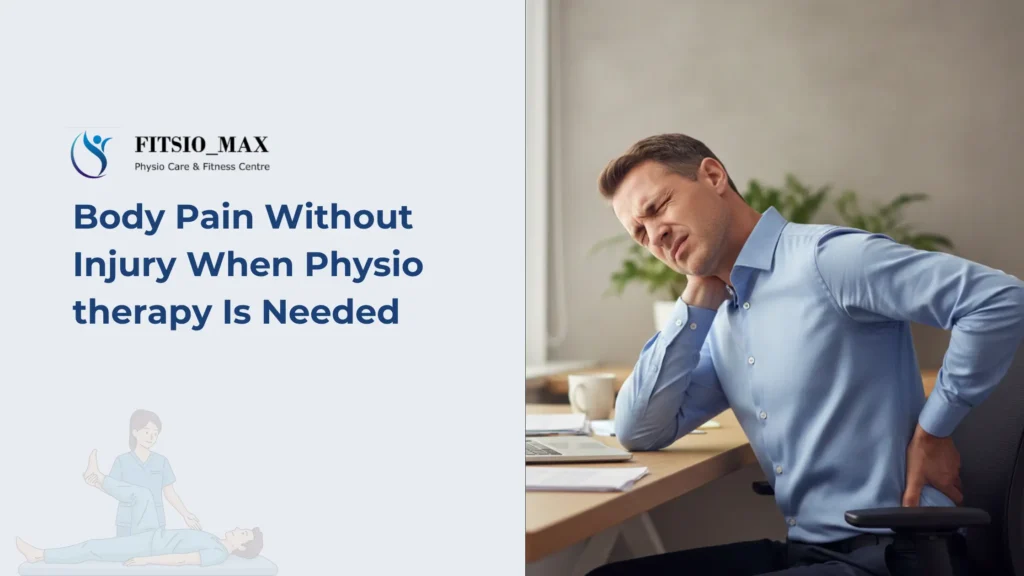
Body Pain Without Injury: When Physiotherapy Is Needed Introduction Body pain without injury is becoming increasingly common among adults aged 30 to 40, especially working professionals. Many people experience persistent discomfort even without any fall, accident, or physical trauma. Long hours of sitting, poor posture, stress, and lack of regular movement often lead to muscle stiffness, imbalance, and reduced mobility. Over time, this lifestyle-related body pain can affect daily activities, work performance, and overall quality of life. Physiotherapy plays a key role in identifying the root cause of pain and restoring normal movement. With proper assessment and guided treatment, physiotherapy helps manage pain safely and prevents long-term physical issues. What Is Body Pain Without Injury  Body pain without injury refers to persistent or recurring pain that develops without any fall, accident, or trauma. This type of pain is often linked to lifestyle-related body pain, poor posture problems, muscle stiffness and tightness, and reduced mobility in adults. It commonly affects people who sit for long hours, use digital devices extensively, or have limited physical activity. Causes of Body Pain Without Injury  Common chronic body pain causes include: Body pain due to long sitting and desk-based work Posture-related body pain from improper sitting or sleeping positions Work-related body pain caused by repetitive movements Muscle pain without injury due to weakness or imbalance Poor flexibility and reduced mobility in adults Stress and fatigue contributing to muscle tension Common Symptoms to Watch For People experiencing body pain without injury often report: Persistent aches without a clear reason Muscle stiffness and tightness, especially in the neck, back, or shoulders Pain that worsens after long work hours Reduced flexibility or movement Discomfort during daily activities Pain that does not fully settle with rest or medication   Best Treatment Steps for Body Pain  Effective body pain treatment without injury usually involves a structured physiotherapy approach: Detailed assessment to identify movement and posture issues Physiotherapy for body pain focusing on root causes Manual therapy and physical therapy for pain relief Muscle strengthening and mobility training Ergonomic and posture correction guidance Gradual return to pain-free movement This approach highlights the physiotherapy benefits for body pain without relying on temporary pain relief methods. Exercises and Actionable Tips Safe physiotherapy for adults often includes: Gentle mobility exercises Stretching tight muscle groups Strengthening weak muscles Posture awareness during daily activities Regular movement breaks for working professionals These are general guidelines and should be performed under professional supervision for best results. Physiotherapy Treatment Cost in Chennai  The cost of physiotherapy for body pain in Chennai varies based on treatment duration, therapy type, and individual condition. At Fitsiomax, treatment plans are personalized after assessment to ensure effective care without unnecessary procedures, making it a practical option for working professionals. Best Physiotherapy Service Near Me in Chennai  If you are searching for physiotherapy for body pain near me or a physiotherapy clinic near me, choosing a clinic with experience in treating work-related and lifestyle-related pain is important. A local clinic in Chennai ensures regular follow-ups, personalized care, and convenient access for consistent recovery. When to Consult a Doctor or Physiotherapist  Consult a professional if: Body pain persists for more than a few weeks Pain affects work or daily activities Discomfort increases despite rest There is stiffness, weakness, or reduced movement Early consultation helps prevent long-term issues and supports safe recovery. Why Trust Fitsiomax  Fitsiomax is a trusted physiotherapy clinic in Chennai with years of hands-on clinical experience treating working professionals and adults with non-injury-related body pain. Our team focuses on safe, evidence-based physiotherapy solutions designed to restore movement, improve posture, and support long-term physical well-being. Conclustion If body pain continues despite rest or basic remedies, consulting a physiotherapist is important. Early professional assessment helps identify posture issues, muscle imbalance, or movement restrictions before they worsen. Timely physiotherapy guidance can reduce pain, improve mobility, and prevent long-term complications. Seeking expert care ensures safe, structured treatment suited to your daily routine and work demands. Frequently Asked Questions 1. What does body pain without injury usually mean?  Body pain without injury usually indicates muscle imbalance, poor posture, or lifestyle-related strain rather than an accident. Long sitting hours, stress, and reduced physical activity commonly contribute to this type of pain, which benefits from physiotherapy-based assessment and treatment. 2. Can physiotherapy help body pain even without an injury?  Yes, physiotherapy is effective for body pain without injury. It focuses on identifying posture issues, muscle weakness, and movement restrictions, helping reduce pain and restore normal function through guided exercises and manual therapy. 3. How do I know if my body pain needs physiotherapy?  If pain persists, limits movement, or keeps returning despite rest or medication, physiotherapy may be needed. A professional assessment helps determine the cause and provides a structured treatment plan for long-term relief. 4. Is physiotherapy safe for working adults with body pain?  Physiotherapy is safe for adults when performed by qualified professionals. Treatment plans are customized based on individual health, work habits, and pain levels, ensuring gradual and controlled recovery without overloading the body. 5. How long does it take to recover from body pain without injury?  Most people see improvement within 2 to 4 weeks of consistent physiotherapy. Recovery time varies depending on pain severity, lifestyle factors, and adherence to exercises and posture corrections recommended by the therapist. 6.How do I find the right physiotherapist for body pain near me?  Look for a physiotherapist with experience in treating work-related and posture-related pain. A local clinic like Fitsiomax in Chennai offers personalized care, regular monitoring, and convenient access for consistent treatment.  Body pain without injury usually indicates muscle imbalance, poor posture, or lifestyle-related strain rather than an accident. Long sitting hours, stress, and reduced physical activity commonly contribute to this type of pain, which benefits from physiotherapy-based assessment and treatment.  Yes, physiotherapy is effective for body pain without injury. It focuses on identifying posture issues, muscle weakness, and movement restrictions, helping reduce pain and restore normal function through guided exercises and manual therapy.  If pain persists, limits

Joint pain in old age
Blog

Joint Pain in Old Age: How Physiotherapy Improves Mobility

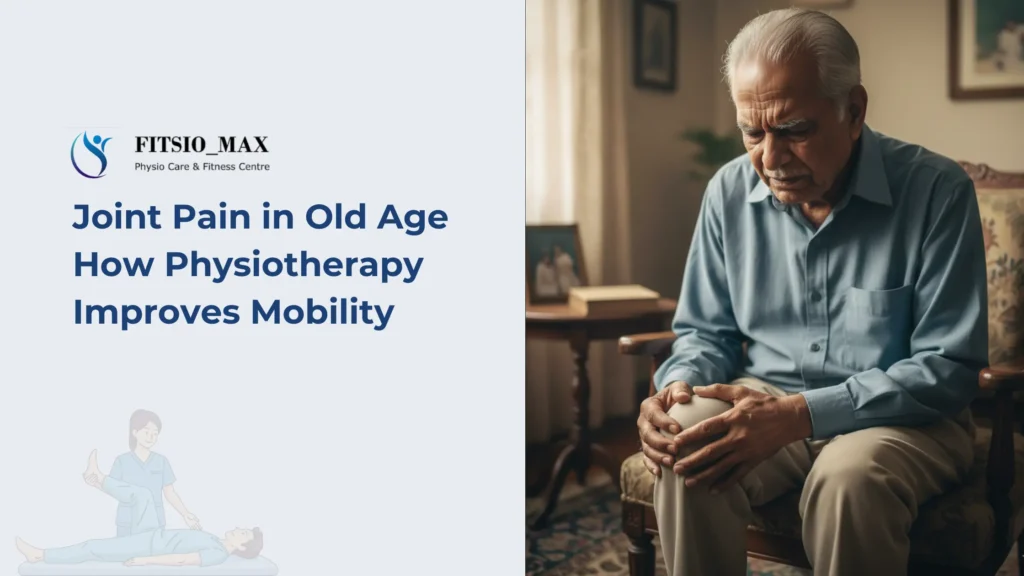
Joint Pain in Old Age: How Physiotherapy Improves Mobility Introduction Joint pain in old age is one of the most common problems faced by seniors, often affecting their independence and quality of life. Simple daily activities like walking, climbing stairs, or standing for long periods can become painful and challenging. This discomfort is usually caused by age-related joint problems such as osteoarthritis, muscle weakness, and joint stiffness in old age. Ignoring early symptoms may lead to reduced mobility in seniors over time. Physiotherapy plays an important role in managing joint pain by improving joint flexibility, strengthening muscles, and supporting safe movement. With the right physiotherapy approach, seniors can regain confidence, balance, and better mobility. What Is Joint Pain in Old Age  Joint pain in old age refers to discomfort, stiffness, or reduced movement in joints that develops due to natural ageing, wear and tear, and underlying conditions like osteoarthritis in the elderly. It commonly affects knees, hips, shoulders, and the lower back, leading to reduced mobility in seniors and difficulty performing everyday activities. Causes of Joint Pain in Old Age Common age-related joint problems include: Osteoarthritis in elderly individuals due to cartilage degeneration Muscle weakness in old age reducing joint support Joint stiffness in old age from reduced physical activity Reduced lubrication in joints Poor posture and long-term strain Previous injuries or surgeries Common Symptoms Seniors Experience  Elderly individuals with joint pain often notice: Stiffness after rest or in the morning Pain while walking, standing, or climbing stairs Reduced mobility in seniors Swelling or tenderness around joints Loss of balance or fear of falling Difficulty performing daily tasks independently Best Treatment Steps for Joint Pain in Old Age  A safe and effective joint pain treatment for elderly individuals usually includes: Detailed physiotherapy assessment Pain management techniques without over-reliance on medication Physiotherapy for joint pain focusing on mobility improvement in old age Strengthening weak muscles around joints Balance and coordination training Ongoing physical rehabilitation for elderly patients Physiotherapy benefits for elderly patients come from addressing the root cause rather than masking symptoms. Safe Exercises and Actionable Tips  Senior citizen physiotherapy focuses on safe, low-impact movement such as: Gentle joint flexibility exercises Controlled strengthening exercises Balance and stability training Breathing and posture correction techniques These exercises should always be guided by a trained physiotherapist to ensure safe physiotherapy for old age and to avoid further joint strain. Recovery Time for Joint Pain in Seniors  Recovery varies depending on severity, overall health, and consistency with therapy. Most seniors notice improved mobility and reduced pain within 3 to 6 weeks of regular joint pain physiotherapy treatment. Long-term improvement depends on continued guided exercises and lifestyle adjustments. Physiotherapy Treatment Cost in Chennai  Physiotherapy for seniors in Chennai is generally affordable compared to long-term medication or surgery. Costs vary based on treatment duration, condition severity, and therapy type. At Fitsiomax, treatment plans are customized after assessment to ensure value-based care without unnecessary procedures. Best Physiotherapy Service Near Me in Chennai  If you are searching for physiotherapy for joint pain near me or a physiotherapy clinic for seniors near me, choosing a local clinic with experience in elderly care is essential. A Chennai-based clinic ensures easy access, regular follow-ups, and familiarity with senior health needs. When to Consult a Doctor or Physiotherapist  You should consult a specialist if: Joint pain affects daily activities Pain persists beyond a few weeks There is noticeable swelling or instability Mobility continues to reduce despite rest Early physiotherapy for senior citizens in Chennai can prevent long-term disability and improve quality of life. Why Trust Fitsiomax?  Fitsiomax is a trusted physiotherapy clinic for seniors in Chennai with years of hands-on clinical experience treating elderly joint pain relief cases. Our team focuses on safe, personalized care using evidence-based physiotherapy methods designed specifically for ageing joints, mobility improvement, and long-term independence. Conclustion If joint pain is affecting daily movement, early consultation with a physiotherapist is important. Professional assessment helps identify the exact cause of pain and stiffness. Timely physiotherapy for seniors can prevent further mobility loss, reduce discomfort, and support safe recovery. Consulting a qualified physiotherapy clinic ensures proper guidance, personalized care, and long-term joint health support. Frequently Asked Questions 1. What is the main cause of joint pain in old age? Joint pain in old age is mainly caused by cartilage wear, osteoarthritis, muscle weakness, and reduced joint lubrication. These age-related changes reduce flexibility and shock absorption, leading to stiffness and pain during movement, especially in weight-bearing joints like knees and hips. 2. Can physiotherapy really help seniors with joint pain?  Yes, physiotherapy for seniors helps reduce pain, improve strength, and restore mobility safely. Guided therapy focuses on improving joint function, balance, and flexibility while minimizing the risk of injury, making it a preferred treatment option for elderly joint pain relief. 3. Is physiotherapy safe for elderly people?  Physiotherapy is considered safe for old age when performed by trained professionals. Exercises and treatments are customized based on the senior’s health condition, ensuring gentle progression without overloading joints or causing further discomfort. 4. How long does physiotherapy take to show results in seniors?  Most seniors experience noticeable improvement within 3 to 6 weeks of consistent therapy. Recovery depends on the severity of joint issues, overall fitness, and adherence to prescribed exercises and rehabilitation routines. 5. Should seniors avoid exercise if they have joint pain?  No, avoiding movement can worsen joint stiffness in old age. Safe physiotherapy-guided exercises help maintain flexibility, reduce pain, and prevent further mobility loss. The key is choosing the right exercises under professional supervision. 6.How do I choose the right physiotherapy clinic for seniors near me?  Choose a clinic with experience in elderly care, qualified physiotherapists, personalized treatment plans, and a focus on safety. Local clinics like Fitsiomax in Chennai offer better continuity of care and easier access for regular sessions. Joint pain in old age is mainly caused by cartilage wear, osteoarthritis, muscle weakness, and reduced joint lubrication. These age-related changes reduce flexibility and shock absorption, leading to stiffness and

gym injury recovery physiotherapy
Blog

Gym Injuries: Causes, Warning Signs and Recovery Planning

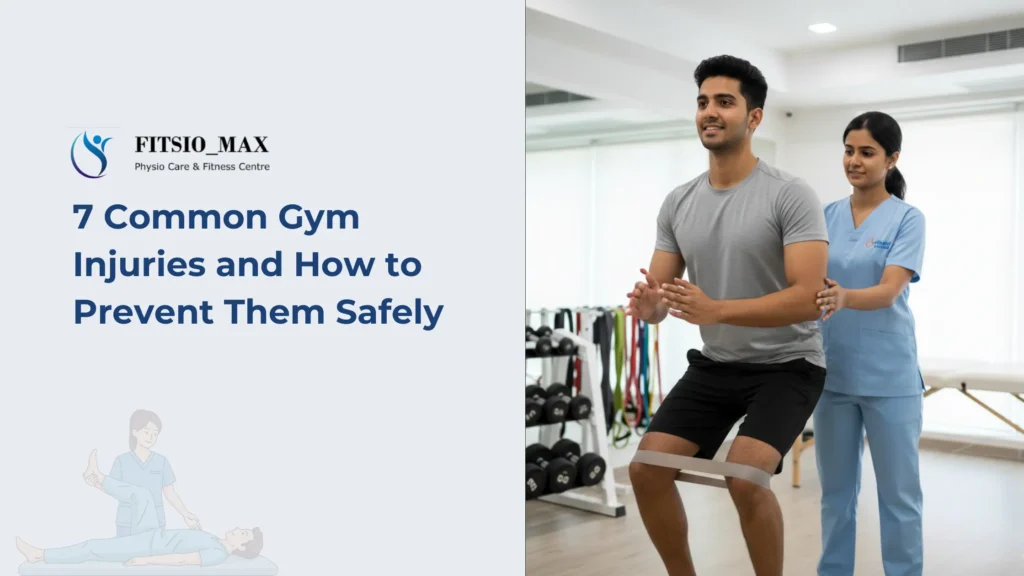
Gym Injuries: Causes, Warning Signs and Recovery Planning Introduction This guide covers common gym injury causes, warning signs and recovery planning for people who lift weights or exercise regularly. It explains what to discuss during an assessment and how rehabilitation may be planned around your training goals. For appointment enquiries, visit our sports and exercise injury physiotherapy service in Chennai. Read what to expect at a first sports physiotherapy assessment and our return-to-training planning guide for related information. What Is Gym Injury Recovery Physiotherapy? Gym injury recovery physiotherapy is a specialized form of rehabilitation that helps individuals recover safely from workout-related injuries. It focuses on restoring muscle strength, joint mobility, and movement control after injuries caused by weight training, overuse, or improper exercise technique. At Fitsiomax, Chennai, this approach is built on clinical assessment, exercise correction, and progressive rehabilitation. With years of hands-on physiotherapy experience, our focus is on long-term recovery rather than temporary pain relief. Common Causes of Gym Injuries Gym injuries often occur due to a combination of training and lifestyle factors, including: Poor exercise form or posture Overloading weights too quickly Inadequate warm-up or cool-down Muscle imbalances and weakness Overtraining without proper recovery Ignoring early signs of pain These issues commonly lead people to seek sports injury treatment for gym users and exercise injury rehabilitation. Symptoms You Should Not Ignore If you notice these symptoms, fitness injury physiotherapy may be required: Joint pain after exercise Pain while lifting weights Persistent muscle soreness or stiffness Reduced range of motion Swelling or tenderness around joints Weakness affecting workout performance Early attention helps avoid long-term damage. Best Treatment Steps for Gym Injuries Effective recovery through gym injury recovery physiotherapy follows a structured plan: Clinical assessment to identify the injury source Pain reduction using manual techniques Targeted rehabilitation exercises Movement and posture correction Gradual strength rebuilding Safe reintroduction to gym activities This step-by-step approach supports weight training injury treatment and long-term injury prevention. Safe Exercises and Actionable Tips General guidance to support muscle strain recovery physiotherapy includes: Proper warm-up before workouts Controlled movements instead of rushing repetitions Balanced training for all muscle groups Adequate rest days for recovery Following professional guidance for exercise injury rehabilitation Avoid copying online workouts during recovery, as incorrect techniques can delay healing. Recovery Time: What to Expect Recovery timelines vary based on injury severity and treatment consistency: Mild strains: 2–3 weeks Moderate injuries: 4–6 weeks Ligament or tendon injuries: 6–10 weeks Following tendon injury physiotherapy and ligament injury treatment gym protocols improves recovery outcomes and supports a safe return to gym after injury. Physiotherapy Treatment Cost in Chennai The cost of exercise injury treatment in Chennai depends on: Type and severity of injury Number of sessions required Individual recovery goals Most clinics offer single sessions and package options. Early physiotherapy consultation for sports injury often reduces overall medical expenses. Best Gym Injury Rehab Clinic Near Me in Chennai If you’re searching for a sports injury physiotherapist near me or a gym injury rehab clinic near me, choose a center that focuses on assessment-based care. Fitsiomax offers structured physiotherapy programs designed specifically for gym-related injuries across Chennai. When to Consult a Doctor or Specialist You should seek professional help if: Pain persists beyond a few days Swelling or weakness increases Movement becomes restricted Pain interferes with daily activities Injuries recur frequently Timely consultation prevents chronic issues and long-term setbacks. Why Trust Fitsiomax? Fitsiomax is a dedicated physiotherapy and rehabilitation center in Chennai with years of clinical experience in treating gym and sports-related injuries. Our approach combines evidence-based physiotherapy, patient education, and progressive rehabilitation to support safe, sustainable recovery. Conclustion If gym pain or injury is affecting your workouts, early physiotherapy care can prevent long-term complications. Gym injury recovery physiotherapy allows a professional assessment of movement, strength, and injury severity. A timely consultation helps you understand your recovery plan and return to exercise safely with confidence and proper guidance. Frequently Asked Questions 1. What is gym injury recovery physiotherapy and who needs it? Gym injury recovery physiotherapy helps people recover safely from workout-related injuries like muscle strain, joint pain, or ligament stress. It is recommended for anyone experiencing pain after exercise, difficulty lifting weights, or recurring gym injuries that don’t improve with rest. 2. When should I see a physiotherapist for gym injuries in Chennai? You should see a physiotherapist in Chennai if gym pain lasts more than 2–3 days, increases during workouts, or limits movement. Early physiotherapy assessment helps prevent long-term damage and supports faster, safer recovery. 3. Can physiotherapy help me return to the gym after an injury? Yes. Physiotherapy helps plan a safe return to gym after injury by improving strength, mobility, and movement control. A structured recovery program reduces reinjury risk and allows you to resume workouts with proper guidance. 4. Is gym injury physiotherapy better than rest or painkillers? Physiotherapy addresses the root cause of gym injuries, while rest or painkillers only provide temporary relief. With guided rehabilitation, physiotherapy improves recovery quality and prevents recurring pain during future workouts. 5. How long does gym injury recovery physiotherapy usually take? Recovery time depends on injury type and severity. Mild muscle strains may improve in a few weeks, while ligament or tendon injuries require longer rehabilitation. Early physiotherapy care often shortens recovery and improves outcomes. 6. Where can I find a gym injury physiotherapist near me in Chennai? If you’re searching for a gym injury physiotherapist near you in Chennai, choose a clinic with experience in sports and fitness-related injuries. Centers like Fitsiomax focus on assessment-based physiotherapy and structured recovery programs. Gym injury recovery physiotherapy helps people recover safely from workout-related injuries like muscle strain, joint pain, or ligament stress. It is recommended for anyone experiencing pain after exercise, difficulty lifting weights, or recurring gym injuries that don’t improve with rest. You should see a physiotherapist in Chennai if gym pain lasts more than 2–3 days, increases during workouts, or limits movement. Early physiotherapy assessment helps prevent long-term damage and supports faster, safer recovery.

Scroll to Top