
Fitsiomax

Author name: techdrawlead

How Physiotherapy Helps in Cervical Spondylosis Recovery
Blog

How Physiotherapy Helps in Cervical Spondylosis Recovery

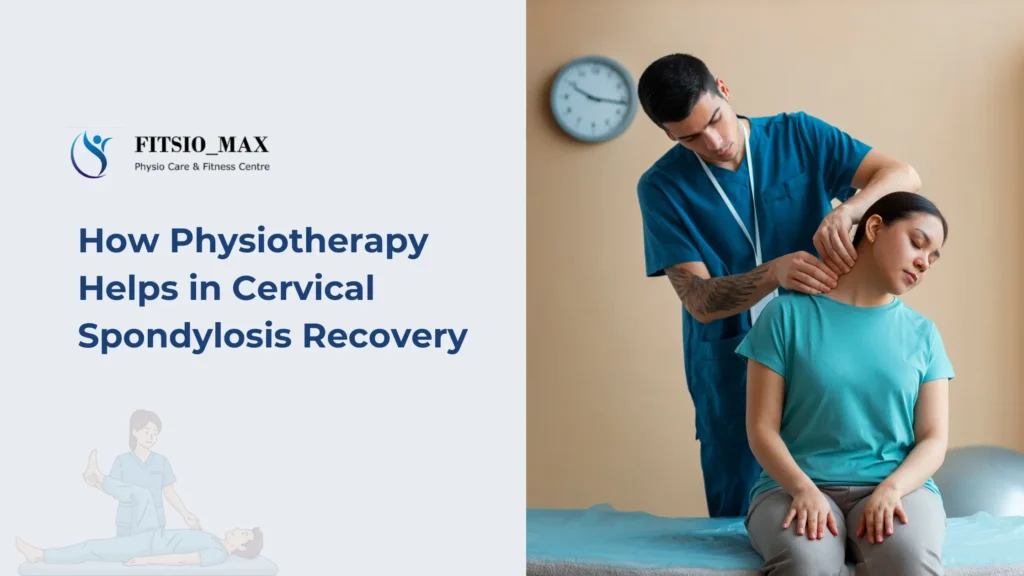
How Physiotherapy Helps in Cervical Spondylosis Recovery Introduction Cervical spondylosis is one of the most common problems seen today, especially among people who work long hours on computers and mobile phones. Many patients believe neck pain is normal or temporary. But persistent neck stiffness, shoulder pain, headache, or tingling in hands may actually be a sign of cervical spine degeneration. The good news is surgery is rarely required. The most effective and safest solution is physiotherapy for cervical spondylosis. At Fitsiomax Clinic, Chennai, many patients recover completely without injections or surgery using structured physiotherapy treatment. What is Cervical Spondylosis? Cervical spondylosis is an age related wear and tear of the bones, discs, and joints in the neck (cervical spine). Over time, the intervertebral discs lose hydration and elasticity, causing reduced cushioning between vertebrae. This leads to: disc bulge nerve compression reduced neck movement chronic inflammation It is now also common in people aged 25 to 40 years due to poor posture and mobile usage. Common Symptoms You may need neck pain physiotherapy if you have: persistent neck pain neck stiffness in morning pain radiating to shoulder headache from neck base numbness in fingers tingling sensation in hands weakness in arm difficulty turning head dizziness while looking up If ignored, it can progress into cervical radiculopathy, a nerve compression condition. Why Cervical Spondylosis Happens The real cause is not just aging. The main reason is posture. Major risk factors: long computer work laptop below eye level mobile phone usage text neck sleeping without neck support driving long hours lack of exercise weak neck muscles Many patients treated at Fitsiomax also come with associated back pain. If you also have lower back issues, Read: Back Pain Treatment in Chennai: Causes, Warning Signs & Physio Cure Neck and back problems are biomechanically connected. How Physiotherapy Treats Cervical Spondylosis Physiotherapy is a non surgical treatment for cervical spondylosis. It treats the root cause, not just the pain. 1. Pain Relief Therapy Initially, inflammation and muscle spasm must be reduced. Treatments used: IFT therapy TENS therapy Ultrasound therapy Hot pack therapy Manual muscle release This quickly reduces pain and improves sleep. 2. Cervical Traction Spinal Decompression One of the most effective treatments. Cervical traction gently separates vertebrae and: reduces disc pressure relieves nerve compression decreases tingling in hand improves blood circulation Patients often feel relief within a few sessions. 3. Posture Correction Therapy This is the most important step. Cervical spondylosis is mainly a postural disorder. Physiotherapists analyze: sitting posture work ergonomics pillow height monitor position Patients are trained in daily activity correction to stop recurrence. 4. Strengthening Exercises Weak muscles are the main reason pain returns. Physiotherapy strengthens: deep neck flexors upper back muscles scapular stabilizers shoulder muscles These exercises stabilize the cervical spine and prevent future disc damage. 5. Stretching and Mobility Exercises Special cervical spondylosis exercises help: increase flexibility reduce stiffness improve movement reduce headaches Patients also receive a home exercise program. Athletes and gym users especially benefit from supervised rehab.Read more: How Physiotherapy Enhances Recovery Times for Athletes and Dancers Why Medicines Alone Don’t Work Painkillers only suppress symptoms. They do NOT: correct posture strengthen muscles relieve nerve compression prevent recurrence That is why many patients experience repeated pain every few months.Only cervical spine physiotherapy treats the underlying mechanical problem. Recovery Time Most patients improve in 2 to 6 weeks depending on severity. Typical recovery: Mild 10 sessions Moderate 15 sessions Severe nerve compression 20+ sessions Early treatment gives faster results. Prevention Tips from Physiotherapists Keep monitor at eye level Use chair with back support Avoid looking down at mobile Use proper pillow height Take breaks every 30 minutes Do neck stretches daily Strengthen upper back muscles Prevention is easier than treatment. When Should You Visit a Physiotherapist? Visit immediately if: pain lasts more than 5 days tingling in hands arm numbness weakness while lifting objects headache from neck Early physiotherapy avoids injections and surgery. Conclusion Cervical spondylosis is no longer an old age disease. It has become a modern lifestyle disorder caused by posture and prolonged screen usage. The safest and most effective treatment is physiotherapy for cervical spondylosis because it: reduces pain naturally relieves nerve pressure restores movement corrects posture prevents recurrence At Fitsiomax Clinic, Chennai, structured physiotherapy programs help patients return to normal life, work comfortably, and stay pain free without medications. If you are experiencing neck pain or stiffness, do not wait. Early treatment leads to faster recovery and prevents permanent damage. Frequently Asked Questions 1. Can cervical spondylosis be cured permanently? Yes. With proper physiotherapy, posture correction, and exercises, most patients recover and prevent recurrence. 2. Is physiotherapy safe for cervical spondylosis? Yes. It is the safest and most recommended non surgical treatment. 3. How many sessions are required? Usually 10 to 20 sessions depending on severity. 4. Can I do gym with cervical spondylosis? Yes, but only after rehabilitation and guided strengthening exercises. 5. What is the best treatment for cervical spondylosis? Structured physiotherapy combined with posture correction and muscle strengthening is considered the best treatment. Yes. With proper physiotherapy, posture correction, and exercises, most patients recover and prevent recurrence. Yes. It is the safest and most recommended non surgical treatment. Usually 10 to 20 sessions depending on severity. Yes, but only after rehabilitation and guided strengthening exercises. Structured physiotherapy combined with posture correction and muscle strengthening is considered the best treatment.

back pain treatment in chennai
Blog

Back Pain Treatment in Chennai’Causes, Warning Signs & Physio Cure 

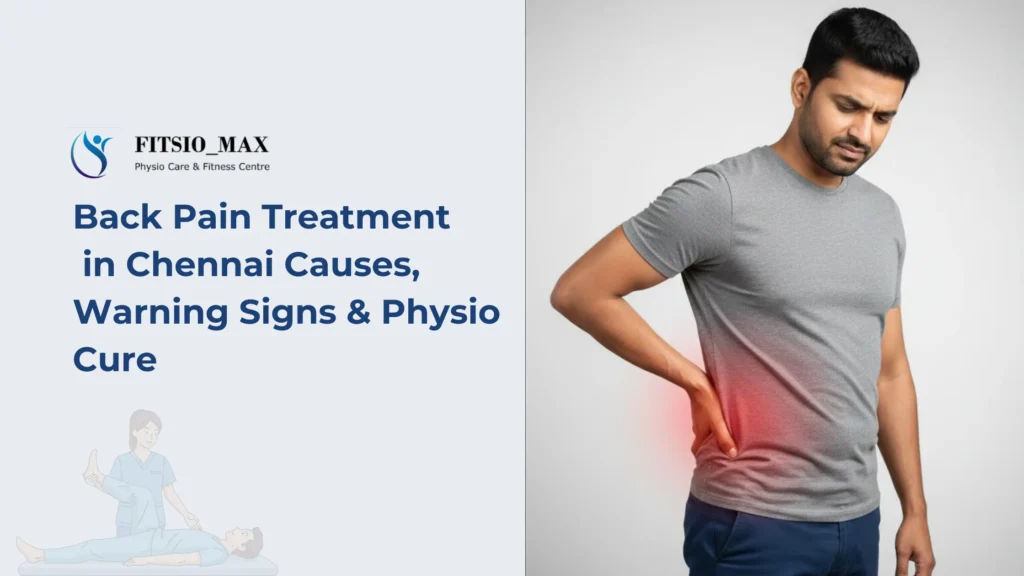
Back Pain Treatment in Chennai: Causes, Warning Signs & Physio Cure Introduction Back pain is no longer just an “age problem.” Today, people of all ages office workers, drivers, homemakers, fitness enthusiasts, and even students experience daily back discomfort. Long sitting hours, poor posture, stress, lack of physical activity, and repetitive movements silently worsen the condition over time. Ignoring early symptoms can lead to chronic pain, reduced mobility, disturbed sleep, and lower work productivity. If your back pain keeps returning or is affecting your daily life, it’s time to seek expert care. Back pain treatment in Chennai at Fitsiomax focuses on identifying the root cause and providing long-term relief through personalized physiotherapy, not temporary pain suppression. Common Causes of Back Pain Understanding the causes of back pain helps in choosing the right treatment. Some of the most common lower back pain reasons include: Sitting for long hours without support Poor posture while using laptop or mobile Muscle strain from lifting heavy objects Weak core muscles Disc problems or spinal stiffness Lack of physical activity Many people experience back pain after sitting long hours, especially IT professionals and desk workers. Ignoring early signs can lead to chronic back pain. Back Pain Symptoms You Should Not Ignore Mild discomfort can slowly become serious if untreated. Watch out for these back pain symptoms: Pain while bending or getting up Stiffness in the morning Pain spreading to hips or legs Difficulty standing for long time Burning or sharp pain in lower back If pain lasts more than a few days, you may need physiotherapy for back pain instead of just tablets. When Should You See a Back Pain Specialist in Chennai? You should consult a back pain specialist in Chennai if: Pain is not reducing with rest You feel numbness or tingling in legs Pain is affecting sleep Home remedies are not working Pain keeps returning frequently Early spine physiotherapy treatment prevents bigger problems like disc issues and nerve compression. How Physiotherapy Helps Back Pain At Fitsiomax, experts provide back pain physiotherapy in Chennai using modern techniques. Treatment is fully non-surgical back pain treatment, safe, and personalized. Your lower back pain treatment may include:  Manual therapy to reduce stiffness Stretching tight muscles Strengthening weak back & core muscles Posture correction Ergonomic advice for office work Electrotherapy for pain relief  Physiotherapy improves mobility, reduces inflammation, and gives long-term relief. Why Choose Fitsiomax for Back Pain Treatment in Chennai? Finding the best physiotherapist for back pain makes a big difference in recovery. Fitsiomax is a leading chennai physiotherapy clinic known for result-oriented care. What makes Fitsiomax different? Expert assessment of pain cause Customized spine physiotherapy treatment Advanced equipment Focus on permanent recovery Friendly and supportive environment If you are searching for back pain treatment near me, choosing a clinic that treats the cause  not just symptoms  is important. Chronic Back Pain Needs Professional Care Many people ignore pain thinking it will go away. But chronic back pain can affect work productivity and quality of life. Professional physiotherapy for back pain helps: Restore spine flexibility Improve posture Prevent future injuries Reduce dependency on painkillers Take Action Before Pain Gets Worse Back pain is your body’s warning sign. Early back pain treatment in Chennai at Fitsiomax ensures faster recovery and avoids long-term complications. Don’t wait until pain becomes severe. The right non-surgical back pain treatment can help you return to normal life without surgery. Conclustion Struggling with back pain that won’t go away? Get expert back pain treatment in Chennai at Fitsiomax. Our physiotherapists identify the root cause and provide safe, non-surgical care for lasting relief. Don’t ignore early symptoms timely treatment prevents chronic problems. Book your consultation today and take the first step toward a pain-free, active life. Frequently Asked Questions 1.When should I see a physiotherapist for back pain?  You should see a physiotherapist if back pain lasts more than 3–5 days, keeps returning, or affects walking, sitting, or sleeping. Early physiotherapy for back pain prevents the condition from becoming chronic and reduces the risk of spine complications. 2.Is physiotherapy effective for chronic back pain?  Yes, physiotherapy is one of the most effective treatments for chronic back pain. It improves muscle strength, corrects posture, increases spine flexibility, and treats the root cause instead of just masking pain with medication. 3.What treatments are used in back pain physiotherapy?  Back pain physiotherapy in Chennai usually includes manual therapy, stretching, strengthening exercises, posture correction, electrotherapy, and ergonomic advice. These methods provide safe and non-surgical back pain treatment. 4. How many physiotherapy sessions are needed for lower back pain?  The number of sessions depends on pain severity and duration. Mild cases improve within 5–7 sessions, while lower back pain treatment for chronic conditions may require 10–15 sessions for lasting relief. 5. Can physiotherapy prevent back pain from coming back?  Yes. A spine physiotherapy treatment plan strengthens core muscles, improves posture, and teaches correct body movements, which prevents future episodes of back pain. 6. Is back pain treatment in Chennai costly?  The cost varies based on the condition and treatment plan. Many Chennai physiotherapy clinics offer affordable packages. A consultation helps determine the exact therapy required. 7. Do I need surgery for severe back pain?  Not always. Most cases improve with non-surgical back pain treatment through physiotherapy. Surgery is considered only in rare cases when there is serious nerve compression or structural damage.  You should see a physiotherapist if back pain lasts more than 3–5 days, keeps returning, or affects walking, sitting, or sleeping. Early physiotherapy for back pain prevents the condition from becoming chronic and reduces the risk of spine complications.  Yes, physiotherapy is one of the most effective treatments for chronic back pain. It improves muscle strength, corrects posture, increases spine flexibility, and treats the root cause instead of just masking pain with medication.  Back pain physiotherapy in Chennai usually includes manual therapy, stretching, strengthening exercises, posture correction, electrotherapy, and ergonomic advice. These methods provide safe and non-surgical back pain treatment.  The number of sessions depends on pain

physiotherapy recovery for athletes
Blog

How Physiotherapy Enhances Recovery Times for Athletes and Dancers

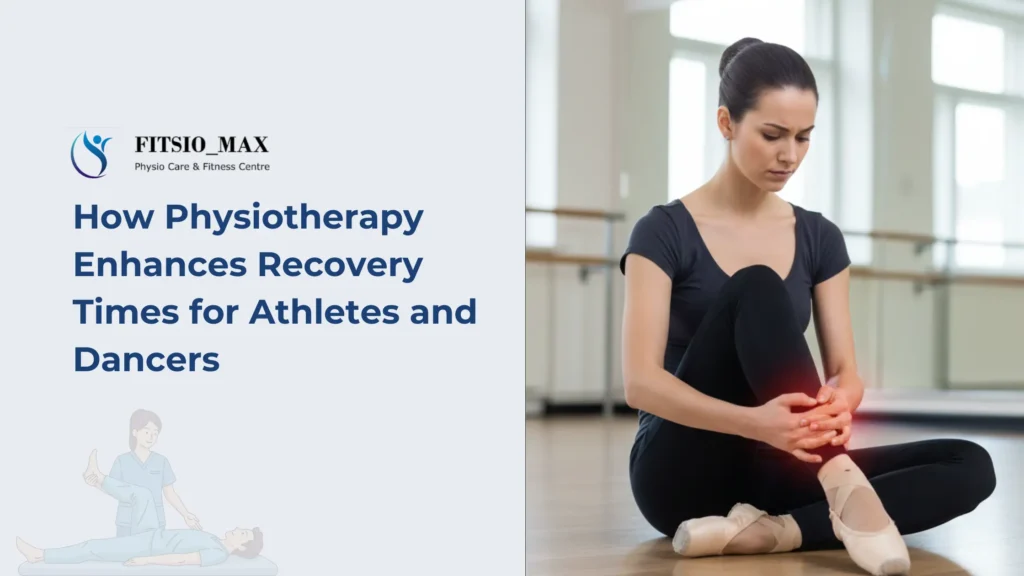
How Physiotherapy Enhances Recovery Times for Athletes and Dancers Introduction Recovery is often mistaken as simply waiting for pain to reduce. For athletes and dancers, recovery involves restoring movement quality, strength, balance, and confidence. When recovery is rushed or unmanaged, the body may return to activity before it is truly ready, increasing the risk of repeated injuries. This is why physiotherapy recovery for athletes plays a critical role in structured and sustainable healing.Physiotherapy focuses on how the body heals and adapts after physical stress. Instead of isolating pain, it considers how muscles, joints, and movement patterns work together. This approach supports long-term recovery and applies across many service-based fields where physical performance and resilience matter. how physiotherapy helps injury recovery Physiotherapy helps injury recovery by supporting healing through controlled movement rather than complete inactivity. Gentle, guided exercises improve circulation, which helps deliver nutrients to injured tissues. This process reduces stiffness and supports proper tissue repair while maintaining basic mobility during recovery. This approach is useful for athletes and dancers who need to return to activity safely. When movement is introduced at the right stage, the body adapts more effectively. Care is taken to avoid overloading healing tissues, as pushing too early can delay recovery. physiotherapy for sports and dance injuries Physiotherapy for sports and dance injuries addresses both the injury itself and the movement patterns that contributed to it. Many injuries develop due to repetitive stress, imbalance, or poor load management rather than a single incident. Physiotherapy examines how the body moves during training and performance. This approach is suitable for individuals involved in physically demanding or repetitive activities. By improving movement efficiency and control, physiotherapy supports safer recovery and helps reduce the likelihood of recurring injuries. physiotherapy for faster recovery Physiotherapy for faster recovery does not focus on speed alone but on efficiency. Guided rehabilitation helps the body remain active without stressing injured tissues. Maintaining movement during recovery prevents muscle weakness and joint stiffness that often result from prolonged rest. This method benefits those who want to return to activity smoothly rather than abruptly. Progression is gradual and based on how the body responds, ensuring recovery remains safe and sustainable. sports injury recovery physiotherapy Sports injury recovery physiotherapy focuses on restoring strength, coordination, and functional movement after injury. Pain relief alone does not guarantee readiness to return to sport. Physiotherapy retrains movement patterns that may have changed due to injury or compensation. This approach supports athletes who rely on precise movement and physical control. Rehabilitation is adjusted to match activity demands, reducing the risk of reinjury caused by incomplete recovery. dance injury physiotherapy treatment Dance injury physiotherapy treatment considers the unique demands of dance, including flexibility, balance, and repeated movement through large ranges. Dancers often require stability without losing mobility, which makes recovery more complex. Physiotherapy helps maintain flexibility while improving joint control and muscle coordination. This balance allows dancers to recover without compromising performance quality. Care is taken to avoid overstretching healing tissues. muscle recovery physiotherapy Muscle recovery physiotherapy focuses on restoring strength and function after strain or overload. Injured muscles weaken quickly when activity is reduced, which can slow recovery if not addressed properly. Gradual reloading through physiotherapy helps muscles regain strength while protecting healing fibers. This controlled approach supports smoother recovery and prepares the body for return to full activity. physiotherapy rehabilitation for athletes Physiotherapy rehabilitation for athletes addresses recovery at multiple levels, including strength, mobility, balance, and endurance. Rehabilitation is designed to restore function rather than only reduce pain. This approach helps athletes rebuild confidence in injured areas. Movement quality is emphasized to ensure the body can handle training demands safely once activity resumes. recovery time after sports injury physiotherapy Recovery time after sports injury physiotherapy varies based on injury type, severity, and individual response. Physiotherapy helps manage expectations by focusing on functional improvement rather than fixed timelines. Progress is measured through movement quality, strength, and control. This approach reduces frustration and prevents premature return to activity that may cause setbacks. physiotherapy techniques for recovery Physiotherapy techniques for recovery include guided exercise, manual therapy, stretching, and functional movement training. These techniques support healing while improving movement efficiency. Each technique is selected based on recovery stage and individual needs. Care is taken to ensure techniques support healing rather than stress injured tissues. role of physiotherapy in injury recovery The role of physiotherapy in injury recovery extends beyond physical healing. It helps individuals understand how their body moves and responds to stress. Improved body awareness supports better movement decisions during and after recovery.This understanding contributes to long-term movement health and reduced injury recurrence. Conclustion Physiotherapy recovery for athletes is not about quick fixes or guaranteed outcomes. It is about guiding the body through a structured recovery process that restores movement, strength, and confidence. For athletes and dancers, physiotherapy provides clarity and support during recovery, helping them return to activity with better control and reduced risk of repeated injury. Frequently Asked Questions 1.Does physiotherapy really speed up recovery? Yes, in most cases it can. Based on general practice, professionals usually recommend physiotherapy because guided movement supports tissue healing while maintaining strength and coordination, which often leads to smoother and more efficient recovery. 2.When should physiotherapy start after an injury? In most cases, physiotherapy can begin early with appropriate modifications. Professionals usually recommend starting once acute pain and swelling are controlled to prevent stiffness and movement loss. 3.Is physiotherapy only needed for serious injuries? No. In most cases, physiotherapy is helpful for both mild and significant injuries. Based on general practice, early intervention often prevents small issues from becoming long-term problems. 4. Can physiotherapy prevent injuries from coming back? In many cases, yes. Professionals usually recommend physiotherapy because it addresses movement patterns and load management, which helps reduce the risk of repeated injuries. 5. How long does recovery with physiotherapy usually take? Recovery time varies widely. Based on general practice, professionals usually recommend focusing on functional progress rather than fixed timelines, as healing depends on the individual and

Body pain without injury
Blog

Body Pain Without Injury’ When Physiotherapy Is Needed

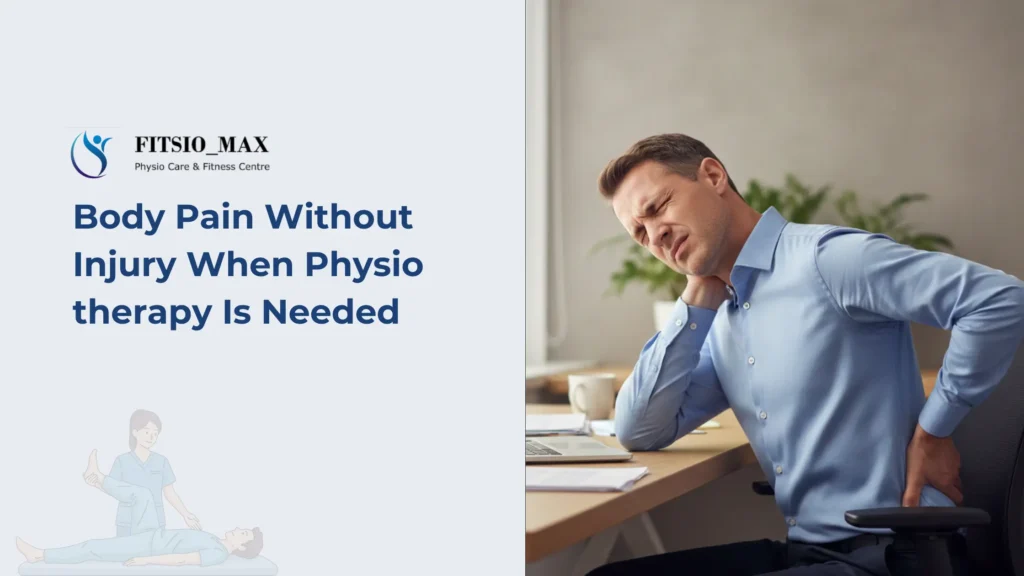
Body Pain Without Injury: When Physiotherapy Is Needed Introduction Body pain without injury is becoming increasingly common among adults aged 30 to 40, especially working professionals. Many people experience persistent discomfort even without any fall, accident, or physical trauma. Long hours of sitting, poor posture, stress, and lack of regular movement often lead to muscle stiffness, imbalance, and reduced mobility. Over time, this lifestyle-related body pain can affect daily activities, work performance, and overall quality of life. Physiotherapy plays a key role in identifying the root cause of pain and restoring normal movement. With proper assessment and guided treatment, physiotherapy helps manage pain safely and prevents long-term physical issues. What Is Body Pain Without Injury  Body pain without injury refers to persistent or recurring pain that develops without any fall, accident, or trauma. This type of pain is often linked to lifestyle-related body pain, poor posture problems, muscle stiffness and tightness, and reduced mobility in adults. It commonly affects people who sit for long hours, use digital devices extensively, or have limited physical activity. Causes of Body Pain Without Injury  Common chronic body pain causes include: Body pain due to long sitting and desk-based work Posture-related body pain from improper sitting or sleeping positions Work-related body pain caused by repetitive movements Muscle pain without injury due to weakness or imbalance Poor flexibility and reduced mobility in adults Stress and fatigue contributing to muscle tension Common Symptoms to Watch For People experiencing body pain without injury often report: Persistent aches without a clear reason Muscle stiffness and tightness, especially in the neck, back, or shoulders Pain that worsens after long work hours Reduced flexibility or movement Discomfort during daily activities Pain that does not fully settle with rest or medication   Best Treatment Steps for Body Pain  Effective body pain treatment without injury usually involves a structured physiotherapy approach: Detailed assessment to identify movement and posture issues Physiotherapy for body pain focusing on root causes Manual therapy and physical therapy for pain relief Muscle strengthening and mobility training Ergonomic and posture correction guidance Gradual return to pain-free movement This approach highlights the physiotherapy benefits for body pain without relying on temporary pain relief methods. Exercises and Actionable Tips Safe physiotherapy for adults often includes: Gentle mobility exercises Stretching tight muscle groups Strengthening weak muscles Posture awareness during daily activities Regular movement breaks for working professionals These are general guidelines and should be performed under professional supervision for best results. Physiotherapy Treatment Cost in Chennai  The cost of physiotherapy for body pain in Chennai varies based on treatment duration, therapy type, and individual condition. At Fitsiomax, treatment plans are personalized after assessment to ensure effective care without unnecessary procedures, making it a practical option for working professionals. Best Physiotherapy Service Near Me in Chennai  If you are searching for physiotherapy for body pain near me or a physiotherapy clinic near me, choosing a clinic with experience in treating work-related and lifestyle-related pain is important. A local clinic in Chennai ensures regular follow-ups, personalized care, and convenient access for consistent recovery. When to Consult a Doctor or Physiotherapist  Consult a professional if: Body pain persists for more than a few weeks Pain affects work or daily activities Discomfort increases despite rest There is stiffness, weakness, or reduced movement Early consultation helps prevent long-term issues and supports safe recovery. Why Trust Fitsiomax  Fitsiomax is a trusted physiotherapy clinic in Chennai with years of hands-on clinical experience treating working professionals and adults with non-injury-related body pain. Our team focuses on safe, evidence-based physiotherapy solutions designed to restore movement, improve posture, and support long-term physical well-being. Conclustion If body pain continues despite rest or basic remedies, consulting a physiotherapist is important. Early professional assessment helps identify posture issues, muscle imbalance, or movement restrictions before they worsen. Timely physiotherapy guidance can reduce pain, improve mobility, and prevent long-term complications. Seeking expert care ensures safe, structured treatment suited to your daily routine and work demands. Frequently Asked Questions 1. What does body pain without injury usually mean?  Body pain without injury usually indicates muscle imbalance, poor posture, or lifestyle-related strain rather than an accident. Long sitting hours, stress, and reduced physical activity commonly contribute to this type of pain, which benefits from physiotherapy-based assessment and treatment. 2. Can physiotherapy help body pain even without an injury?  Yes, physiotherapy is effective for body pain without injury. It focuses on identifying posture issues, muscle weakness, and movement restrictions, helping reduce pain and restore normal function through guided exercises and manual therapy. 3. How do I know if my body pain needs physiotherapy?  If pain persists, limits movement, or keeps returning despite rest or medication, physiotherapy may be needed. A professional assessment helps determine the cause and provides a structured treatment plan for long-term relief. 4. Is physiotherapy safe for working adults with body pain?  Physiotherapy is safe for adults when performed by qualified professionals. Treatment plans are customized based on individual health, work habits, and pain levels, ensuring gradual and controlled recovery without overloading the body. 5. How long does it take to recover from body pain without injury?  Most people see improvement within 2 to 4 weeks of consistent physiotherapy. Recovery time varies depending on pain severity, lifestyle factors, and adherence to exercises and posture corrections recommended by the therapist. 6.How do I find the right physiotherapist for body pain near me?  Look for a physiotherapist with experience in treating work-related and posture-related pain. A local clinic like Fitsiomax in Chennai offers personalized care, regular monitoring, and convenient access for consistent treatment.  Body pain without injury usually indicates muscle imbalance, poor posture, or lifestyle-related strain rather than an accident. Long sitting hours, stress, and reduced physical activity commonly contribute to this type of pain, which benefits from physiotherapy-based assessment and treatment.  Yes, physiotherapy is effective for body pain without injury. It focuses on identifying posture issues, muscle weakness, and movement restrictions, helping reduce pain and restore normal function through guided exercises and manual therapy.  If pain persists, limits

Joint pain in old age
Blog

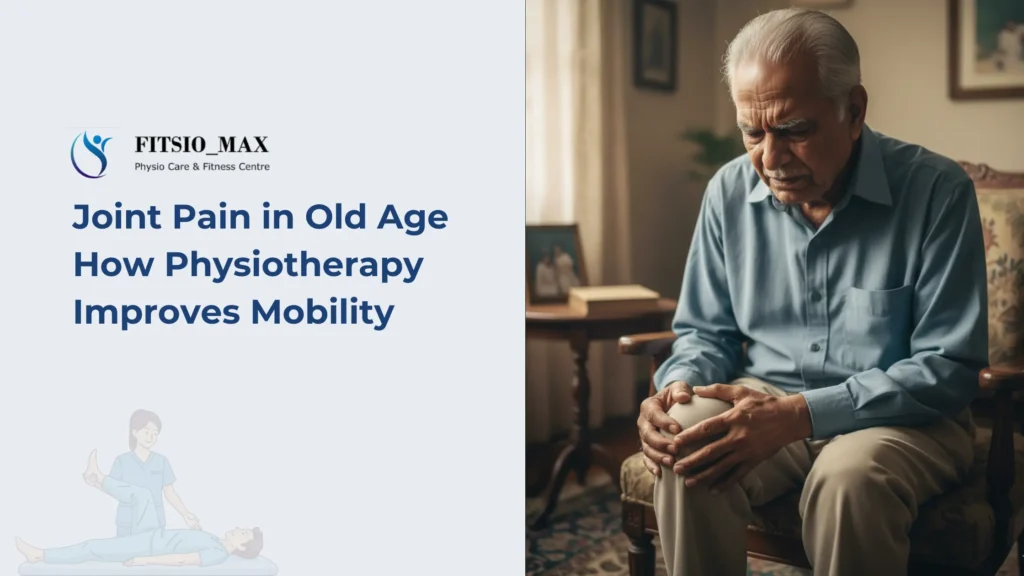
Joint Pain in Old Age: How Physiotherapy Improves Mobility

Joint Pain in Old Age: How Physiotherapy Improves Mobility Introduction Joint pain in old age is one of the most common problems faced by seniors, often affecting their independence and quality of life. Simple daily activities like walking, climbing stairs, or standing for long periods can become painful and challenging. This discomfort is usually caused by age-related joint problems such as osteoarthritis, muscle weakness, and joint stiffness in old age. Ignoring early symptoms may lead to reduced mobility in seniors over time. Physiotherapy plays an important role in managing joint pain by improving joint flexibility, strengthening muscles, and supporting safe movement. With the right physiotherapy approach, seniors can regain confidence, balance, and better mobility. What Is Joint Pain in Old Age  Joint pain in old age refers to discomfort, stiffness, or reduced movement in joints that develops due to natural ageing, wear and tear, and underlying conditions like osteoarthritis in the elderly. It commonly affects knees, hips, shoulders, and the lower back, leading to reduced mobility in seniors and difficulty performing everyday activities. Causes of Joint Pain in Old Age Common age-related joint problems include: Osteoarthritis in elderly individuals due to cartilage degeneration Muscle weakness in old age reducing joint support Joint stiffness in old age from reduced physical activity Reduced lubrication in joints Poor posture and long-term strain Previous injuries or surgeries Common Symptoms Seniors Experience  Elderly individuals with joint pain often notice: Stiffness after rest or in the morning Pain while walking, standing, or climbing stairs Reduced mobility in seniors Swelling or tenderness around joints Loss of balance or fear of falling Difficulty performing daily tasks independently Best Treatment Steps for Joint Pain in Old Age  A safe and effective joint pain treatment for elderly individuals usually includes: Detailed physiotherapy assessment Pain management techniques without over-reliance on medication Physiotherapy for joint pain focusing on mobility improvement in old age Strengthening weak muscles around joints Balance and coordination training Ongoing physical rehabilitation for elderly patients Physiotherapy benefits for elderly patients come from addressing the root cause rather than masking symptoms. Safe Exercises and Actionable Tips  Senior citizen physiotherapy focuses on safe, low-impact movement such as: Gentle joint flexibility exercises Controlled strengthening exercises Balance and stability training Breathing and posture correction techniques These exercises should always be guided by a trained physiotherapist to ensure safe physiotherapy for old age and to avoid further joint strain. Recovery Time for Joint Pain in Seniors  Recovery varies depending on severity, overall health, and consistency with therapy. Most seniors notice improved mobility and reduced pain within 3 to 6 weeks of regular joint pain physiotherapy treatment. Long-term improvement depends on continued guided exercises and lifestyle adjustments. Physiotherapy Treatment Cost in Chennai  Physiotherapy for seniors in Chennai is generally affordable compared to long-term medication or surgery. Costs vary based on treatment duration, condition severity, and therapy type. At Fitsiomax, treatment plans are customized after assessment to ensure value-based care without unnecessary procedures. Best Physiotherapy Service Near Me in Chennai  If you are searching for physiotherapy for joint pain near me or a physiotherapy clinic for seniors near me, choosing a local clinic with experience in elderly care is essential. A Chennai-based clinic ensures easy access, regular follow-ups, and familiarity with senior health needs. When to Consult a Doctor or Physiotherapist  You should consult a specialist if: Joint pain affects daily activities Pain persists beyond a few weeks There is noticeable swelling or instability Mobility continues to reduce despite rest Early physiotherapy for senior citizens in Chennai can prevent long-term disability and improve quality of life. Why Trust Fitsiomax?  Fitsiomax is a trusted physiotherapy clinic for seniors in Chennai with years of hands-on clinical experience treating elderly joint pain relief cases. Our team focuses on safe, personalized care using evidence-based physiotherapy methods designed specifically for ageing joints, mobility improvement, and long-term independence. Conclustion If joint pain is affecting daily movement, early consultation with a physiotherapist is important. Professional assessment helps identify the exact cause of pain and stiffness. Timely physiotherapy for seniors can prevent further mobility loss, reduce discomfort, and support safe recovery. Consulting a qualified physiotherapy clinic ensures proper guidance, personalized care, and long-term joint health support. Frequently Asked Questions 1. What is the main cause of joint pain in old age? Joint pain in old age is mainly caused by cartilage wear, osteoarthritis, muscle weakness, and reduced joint lubrication. These age-related changes reduce flexibility and shock absorption, leading to stiffness and pain during movement, especially in weight-bearing joints like knees and hips. 2. Can physiotherapy really help seniors with joint pain?  Yes, physiotherapy for seniors helps reduce pain, improve strength, and restore mobility safely. Guided therapy focuses on improving joint function, balance, and flexibility while minimizing the risk of injury, making it a preferred treatment option for elderly joint pain relief. 3. Is physiotherapy safe for elderly people?  Physiotherapy is considered safe for old age when performed by trained professionals. Exercises and treatments are customized based on the senior’s health condition, ensuring gentle progression without overloading joints or causing further discomfort. 4. How long does physiotherapy take to show results in seniors?  Most seniors experience noticeable improvement within 3 to 6 weeks of consistent therapy. Recovery depends on the severity of joint issues, overall fitness, and adherence to prescribed exercises and rehabilitation routines. 5. Should seniors avoid exercise if they have joint pain?  No, avoiding movement can worsen joint stiffness in old age. Safe physiotherapy-guided exercises help maintain flexibility, reduce pain, and prevent further mobility loss. The key is choosing the right exercises under professional supervision. 6.How do I choose the right physiotherapy clinic for seniors near me?  Choose a clinic with experience in elderly care, qualified physiotherapists, personalized treatment plans, and a focus on safety. Local clinics like Fitsiomax in Chennai offer better continuity of care and easier access for regular sessions. Joint pain in old age is mainly caused by cartilage wear, osteoarthritis, muscle weakness, and reduced joint lubrication. These age-related changes reduce flexibility and shock absorption, leading to stiffness and

gym injury recovery physiotherapy
Blog

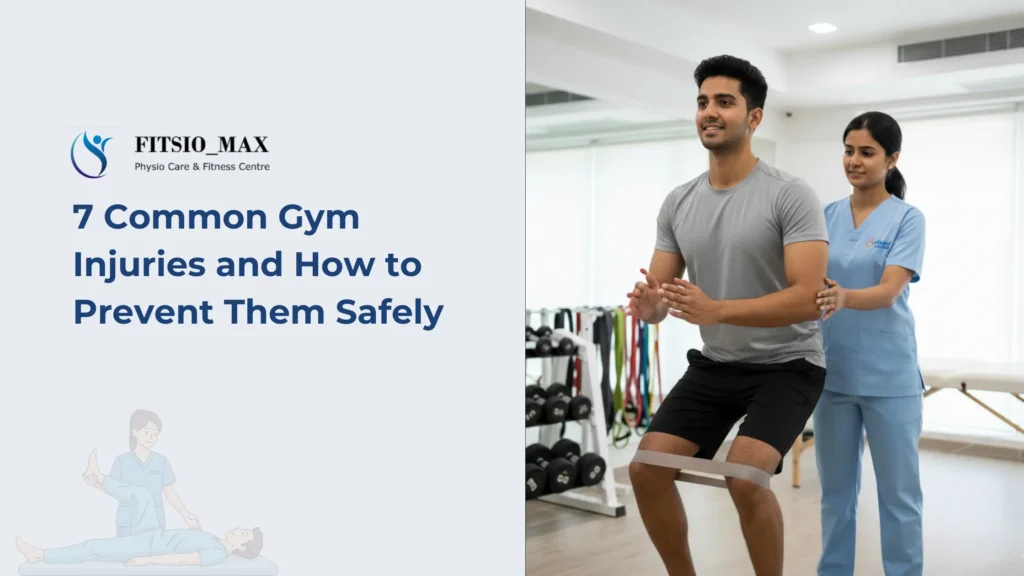
7 Common Gym Injuries and How to Prevent Them Safely

7 Common Gym Injuries and How to Prevent Them Safely Introduction Gym workouts improve strength and fitness, but injuries are common when exercises are done incorrectly or recovery is ignored. Muscle strain, joint pain, and movement restriction often begin as mild discomfort and gradually worsen. Gym injury recovery physiotherapy focuses on identifying the cause of workout-related pain and restoring normal movement safely. Instead of masking symptoms, physiotherapy improves muscle balance, joint stability, and exercise technique. With structured rehabilitation and guided recovery, gym injury recovery physiotherapy helps prevent long-term damage and supports a safe return to training without increasing injury risk. What Is Gym Injury Recovery Physiotherapy? Gym injury recovery physiotherapy is a specialized form of rehabilitation that helps individuals recover safely from workout-related injuries. It focuses on restoring muscle strength, joint mobility, and movement control after injuries caused by weight training, overuse, or improper exercise technique. At Fitsiomax, Chennai, this approach is built on clinical assessment, exercise correction, and progressive rehabilitation. With years of hands-on physiotherapy experience, our focus is on long-term recovery rather than temporary pain relief. Common Causes of Gym Injuries Gym injuries often occur due to a combination of training and lifestyle factors, including: Poor exercise form or posture Overloading weights too quickly Inadequate warm-up or cool-down Muscle imbalances and weakness Overtraining without proper recovery Ignoring early signs of pain These issues commonly lead people to seek sports injury treatment for gym users and exercise injury rehabilitation. Symptoms You Should Not Ignore If you notice these symptoms, fitness injury physiotherapy may be required: Joint pain after exercise Pain while lifting weights Persistent muscle soreness or stiffness Reduced range of motion Swelling or tenderness around joints Weakness affecting workout performance Early attention helps avoid long-term damage. Best Treatment Steps for Gym Injuries Effective recovery through gym injury recovery physiotherapy follows a structured plan: Clinical assessment to identify the injury source Pain reduction using manual techniques Targeted rehabilitation exercises Movement and posture correction Gradual strength rebuilding Safe reintroduction to gym activities This step-by-step approach supports weight training injury treatment and long-term injury prevention. Safe Exercises and Actionable Tips General guidance to support muscle strain recovery physiotherapy includes: Proper warm-up before workouts Controlled movements instead of rushing repetitions Balanced training for all muscle groups Adequate rest days for recovery Following professional guidance for exercise injury rehabilitation Avoid copying online workouts during recovery, as incorrect techniques can delay healing. Recovery Time: What to Expect Recovery timelines vary based on injury severity and treatment consistency: Mild strains: 2–3 weeks Moderate injuries: 4–6 weeks Ligament or tendon injuries: 6–10 weeks Following tendon injury physiotherapy and ligament injury treatment gym protocols improves recovery outcomes and supports a safe return to gym after injury. Physiotherapy Treatment Cost in Chennai The cost of exercise injury treatment in Chennai depends on: Type and severity of injury Number of sessions required Individual recovery goals Most clinics offer single sessions and package options. Early physiotherapy consultation for sports injury often reduces overall medical expenses. Best Gym Injury Rehab Clinic Near Me in Chennai If you’re searching for a sports injury physiotherapist near me or a gym injury rehab clinic near me, choose a center that focuses on assessment-based care. Fitsiomax offers structured physiotherapy programs designed specifically for gym-related injuries across Chennai. When to Consult a Doctor or Specialist You should seek professional help if: Pain persists beyond a few days Swelling or weakness increases Movement becomes restricted Pain interferes with daily activities Injuries recur frequently Timely consultation prevents chronic issues and long-term setbacks. Why Trust Fitsiomax? Fitsiomax is a dedicated physiotherapy and rehabilitation center in Chennai with years of clinical experience in treating gym and sports-related injuries. Our approach combines evidence-based physiotherapy, patient education, and progressive rehabilitation to support safe, sustainable recovery. Conclustion If gym pain or injury is affecting your workouts, early physiotherapy care can prevent long-term complications. Gym injury recovery physiotherapy allows a professional assessment of movement, strength, and injury severity. A timely consultation helps you understand your recovery plan and return to exercise safely with confidence and proper guidance. Frequently Asked Questions 1. What is gym injury recovery physiotherapy and who needs it? Gym injury recovery physiotherapy helps people recover safely from workout-related injuries like muscle strain, joint pain, or ligament stress. It is recommended for anyone experiencing pain after exercise, difficulty lifting weights, or recurring gym injuries that don’t improve with rest. 2. When should I see a physiotherapist for gym injuries in Chennai? You should see a physiotherapist in Chennai if gym pain lasts more than 2–3 days, increases during workouts, or limits movement. Early physiotherapy assessment helps prevent long-term damage and supports faster, safer recovery. 3. Can physiotherapy help me return to the gym after an injury? Yes. Physiotherapy helps plan a safe return to gym after injury by improving strength, mobility, and movement control. A structured recovery program reduces reinjury risk and allows you to resume workouts with proper guidance. 4. Is gym injury physiotherapy better than rest or painkillers? Physiotherapy addresses the root cause of gym injuries, while rest or painkillers only provide temporary relief. With guided rehabilitation, physiotherapy improves recovery quality and prevents recurring pain during future workouts. 5. How long does gym injury recovery physiotherapy usually take? Recovery time depends on injury type and severity. Mild muscle strains may improve in a few weeks, while ligament or tendon injuries require longer rehabilitation. Early physiotherapy care often shortens recovery and improves outcomes. 6. Where can I find a gym injury physiotherapist near me in Chennai? If you’re searching for a gym injury physiotherapist near you in Chennai, choose a clinic with experience in sports and fitness-related injuries. Centers like Fitsiomax focus on assessment-based physiotherapy and structured recovery programs. Gym injury recovery physiotherapy helps people recover safely from workout-related injuries like muscle strain, joint pain, or ligament stress. It is recommended for anyone experiencing pain after exercise, difficulty lifting weights, or recurring gym injuries that don’t improve with rest. You should see a physiotherapist in Chennai if gym pain lasts

physiotherapy for body pain
Blog

That Small Pain You Ignore Could Become a Big Problem

That “Small Pain” You Ignore Could Become a Big Problem Introduction Many people live with body pain thinking it is normal or temporary. A slight back pain, knee discomfort, or stiffness after rest is often ignored until it starts affecting daily life. What most people don’t realize is that small pain is usually an early warning sign from the body. When left untreated, it can slowly turn into chronic pain, movement restriction, or long-term discomfort. Physiotherapy for body pain focuses on identifying the root cause of pain and correcting it early, rather than just masking symptoms. With timely care, guided exercises, and movement correction, physiotherapy for body pain helps reduce discomfort and prevent future complications. What Is Physiotherapy for Body Pain? Physiotherapy for body pain is a non-surgical treatment method that focuses on identifying the root cause of pain instead of temporarily masking symptoms. It improves muscle strength, joint mobility, posture, and movement patterns. At Fitsiomax Chennai, physiotherapy for body pain is designed based on clinical assessment, daily activity patterns, and recovery goals, ensuring safe and long-lasting pain relief. Common Causes of Body Pain Body pain often develops gradually due to daily habits and lifestyle factors such as: Poor posture during work or screen time Long hours of sitting or standing Sudden physical strain or overexertion Old injuries without proper recovery Muscle weakness and joint stiffness Stress-related muscle tightness Ignoring these causes can lead to long term pain problems. Symptoms You Should Not Ignore These signs indicate the need for physiotherapy for pain relief: Persistent back or neck pain Knee pain while walking or climbing stairs Morning stiffness or discomfort Recurring pain issues despite rest Difficulty bending, lifting, or sitting Reduced mobility and strength Ignoring body pain may increase the risk of chronic issues. Best Treatment Steps for Body Pain Effective pain management without surgery follows a structured process: Physical assessment to identify pain source Manual therapy to reduce stiffness Targeted exercises for muscle and joint pain treatment Posture and movement correction Gradual strengthening to prevent recurrence This approach supports early treatment for body pain and long-term recovery. Safe Exercises and Actionable Tips General tips that support chronic pain physiotherapy include Gentle stretching for stiff muscles Low-impact strengthening exercises Regular movement breaks during work Maintaining proper posture Following a physiotherapist’s guidance Avoid copying random online workouts, as incorrect exercises can worsen pain. Recovery Time: What to Expect Recovery time depends on how early physiotherapy is started: Mild pain: improvement in 2–3 weeks Ongoing pain: 4–8 weeks of guided care Long-standing pain: gradual progress with continued therapy Early physiotherapy treatment benefits include faster recovery and fewer complications. Physiotherapy Treatment Cost in Chennai The cost of physiotherapy for body pain in Chennai varies based on condition and duration: Single sessions are affordable Treatment packages reduce overall cost Early care lowers long-term expenses Investing early in care prevents higher future medical costs. Best Physiotherapy for Body Pain Near Me in Chennai If you’re searching for physiotherapy for body pain near me, choosing an experienced clinic matters. A trusted physiotherapy clinic near me should offer assessment-based treatment rather than generic therapy plans. When to See a Physiotherapist or Specialist You should consult a professional if: Pain lasts more than a few days Pain increases instead of improving Movement becomes restricted Pain affects sleep or work Pain returns repeatedly Knowing when to see a physiotherapist helps prevent serious complications. Why Trust Fitsiomax, Chennai? Fitsiomax is a specialized physiotherapy and rehabilitation center in Chennai with years of hands-on clinical experience. Our team has treated hundreds of patients with back pain, knee pain, and posture-related discomfort. We focus on non-surgical pain care, patient education, and long-term recovery using evidence-based physiotherapy methods. Conclustion If body pain is affecting your daily routine, don’t wait for it to worsen. Physiotherapy for body pain helps identify the cause early and prevents long-term issues. A professional consultation allows you to understand your condition, treatment plan, and safe recovery options, helping you return to daily activities with confidence. Frequently Asked Questions 1. Is physiotherapy for body pain better than painkillers? Physiotherapy addresses the root cause of pain, while painkillers only provide temporary relief. With guided therapy, muscles and joints improve, reducing recurrence and dependence on medication while supporting long-term recovery. 2. How do I know if my pain is becoming serious? Pain that lasts, worsens, or limits daily movement is not normal. Recurring pain, stiffness, or reduced mobility signals the need for early physiotherapy evaluation. 3. Can physiotherapy help chronic pain physiotherapy cases? Yes. Chronic pain physiotherapy improves strength, posture, and movement patterns. With consistent sessions, patients often experience reduced pain and improved daily function over time. 4. How many physiotherapy sessions are required? Session count depends on pain severity and duration. Mild pain may need a few sessions, while long-term pain requires structured treatment over several weeks. 5. Is physiotherapy safe for all age groups? Physiotherapy is safe for all ages when guided by qualified professionals. Treatment plans are adjusted based on individual health, fitness level, and condition. 6. When should I start early treatment for body pain? You should start physiotherapy when pain persists beyond a few days or interferes with daily life. Early treatment prevents small problems from becoming chronic. Physiotherapy addresses the root cause of pain, while painkillers only provide temporary relief. With guided therapy, muscles and joints improve, reducing recurrence and dependence on medication while supporting long-term recovery. Pain that lasts, worsens, or limits daily movement is not normal. Recurring pain, stiffness, or reduced mobility signals the need for early physiotherapy evaluation. Yes. Chronic pain physiotherapy improves strength, posture, and movement patterns. With consistent sessions, patients often experience reduced pain and improved daily function over time. Session count depends on pain severity and duration. Mild pain may need a few sessions, while long-term pain requires structured treatment over several weeks. Physiotherapy is safe for all ages when guided by qualified professionals. Treatment plans are adjusted based on individual health, fitness level, and condition. You should start physiotherapy

knee pain after ACL surgery
Blog

Knee Pain After ACL Surgery, Online Physiotherapy Case Study

Knee Pain After ACL Surgery,Online Physiotherapy Case Study Introduction Knee pain after ACL surgery is a common challenge even when the operation is successful. Many patients experience knee not bending after ACL surgery, stiffness while walking, or pain while climbing stairs after ACL. These problems occur due to muscle weakness, swelling, and lack of guided rehabilitation. At Fitsiomax, Chennai, online physiotherapy helps patients recover safely through expert assessment and personalized exercises. With over 12 years of clinical experience, our therapists focus on restoring knee bending, strength, and confidence in daily activities. Structured ACL rehab online consultation supports faster recovery without repeated hospital visits. What is Knee Pain After ACL Surgery? Knee pain after ACL surgery occurs due to joint stiffness, muscle weakness, swelling, or incomplete rehabilitation. Even after successful ligament reconstruction, the knee needs structured physiotherapy to restore bending, strength, and movement control. Online physio for knee pain focuses on gradual loading, mobility training, and functional recovery without repeated hospital visits. At Fitsiomax, with 12+ years of experience in orthopedic and sports rehabilitation, we guide post-ACL patients through safe, stage-wise recovery using virtual assessment and personalized programs. Common Causes Knee not bending after ACL surgery Weak quadriceps and hamstring muscles Knee swelling after ACL surgery Scar tissue around the joint Fear of movement Early overloading Poor exercise technique Symptoms Pain while walking after ACL surgery Knee stiffness after ACL surgery Pain while climbing stairs after ACL Difficulty sitting cross-legged Tightness at the front of the knee Knee pain 3 months after ACL surgery Best Treatment Steps at Fitsiomax Detailed online movement assessment Swelling and pain control plan Knee bending mobility training Quadriceps activation Gait and stair training Functional strengthening Return-to-activity guidance This structured plan answers the common concern: ACL surgery pain not reducing. Exercises After ACL Surgery Heel slides for knee bending Quadriceps setting Straight leg raise Hamstring stretching Mini squats Step training A physiotherapist guides progression so patients know how to reduce pain after ACL surgery safely. Recovery Time First 2 weeks: pain and swelling control 3–6 weeks: knee bending and walking 6–12 weeks: strength building 3–6 months: return to active life Many patients ask when will knee pain reduce after ACL—consistent rehab shortens this period. Treatment Cost (Online & Chennai) Cost depends on session count and stage of recovery. Fitsiomax offers: Online assessment packages Weekly guided rehab Home exercise monitoring Affordable Chennai plans Best Physio Near Me in Chennai If you are searching for: knee pain physio near me physiotherapist for knee pain near me ACL physio near me knee rehab near me knee pain treatment Chennai Fitsiomax, Chennai provides expert online and in-clinic ACL rehabilitation with continuous progress tracking. When to Consult a Doctor or Physiotherapist Knee not bending after ACL surgery Pain while walking after ACL surgery Swelling lasts more than two weeks Knee giving-way sensation Knee pain 3 months after ACL surgery Early consultation prevents long-term stiffness.   Why Trust Fitsiomax? Fitsiomax is a Chennai-based physiotherapy clinic with over 12 years of clinical expertise in post-surgical knee rehabilitation. Our therapists have helped hundreds of ACL patients regain confident walking through evidence-based online physiotherapy and functional training. Conclustion Knee pain after ACL surgery can improve with the right guidance and consistent physiotherapy. Fitsiomax Chennai provides expert online physiotherapy to reduce stiffness, strengthen the knee, and restore confident walking and stair climbing. Early rehabilitation prevents long-term problems and supports safe return to normal life. Book your consultation and start structured ACL recovery today. Frequently Asked Questions 1. Why is my knee not bending after ACL surgery?  Knee bending reduces due to swelling, scar tissue, and weak quadriceps. Structured physiotherapy improves mobility through controlled exercises and manual guidance. Early rehab prevents long-term stiffness and helps normal sitting, walking, and stair use. 2. How long does knee pain last after ACL surgery?  Most patients feel improvement in 4–8 weeks with regular physiotherapy. Pain may last longer if exercises are irregular or swelling persists. Guided rehab shortens recovery and restores confidence in movement. 3. Is online physio for knee pain effective after ACL?  Yes. Online physio for knee pain allows expert monitoring of exercises, gait correction, and progression from home. Video sessions help patients follow correct technique and avoid common mistakes. 4. When can I climb stairs normally after ACL surgery?  Stair climbing usually improves by 6–8 weeks with strengthening. Pain while climbing stairs after ACL reduces when quadriceps control and knee bending are restored under physiotherapist guidance. 5. What exercises reduce knee pain after ACL surgery?  Heel slides, quad sets, straight leg raises, mini squats, and step training reduce pain and stiffness. Exercises must be progressed gradually based on swelling and strength levels. 6. How do I find the best physio after ACL surgery in Chennai?  Look for clinics with post-surgical experience, personalized programs, and online support. Fitsiomax in Chennai provides expert ACL rehab with regular progress reviews.  Knee bending reduces due to swelling, scar tissue, and weak quadriceps. Structured physiotherapy improves mobility through controlled exercises and manual guidance. Early rehab prevents long-term stiffness and helps normal sitting, walking, and stair use.  Most patients feel improvement in 4–8 weeks with regular physiotherapy. Pain may last longer if exercises are irregular or swelling persists. Guided rehab shortens recovery and restores confidence in movement.  Yes. Online physio for knee pain allows expert monitoring of exercises, gait correction, and progression from home. Video sessions help patients follow correct technique and avoid common mistakes.  Stair climbing usually improves by 6–8 weeks with strengthening. Pain while climbing stairs after ACL reduces when quadriceps control and knee bending are restored under physiotherapist guidance.  Heel slides, quad sets, straight leg raises, mini squats, and step training reduce pain and stiffness. Exercises must be progressed gradually based on swelling and strength levels.  Look for clinics with post-surgical experience, personalized programs, and online support. Fitsiomax in Chennai provides expert ACL rehab with regular progress reviews.

weightlifting shoulder pain treatment
Blog

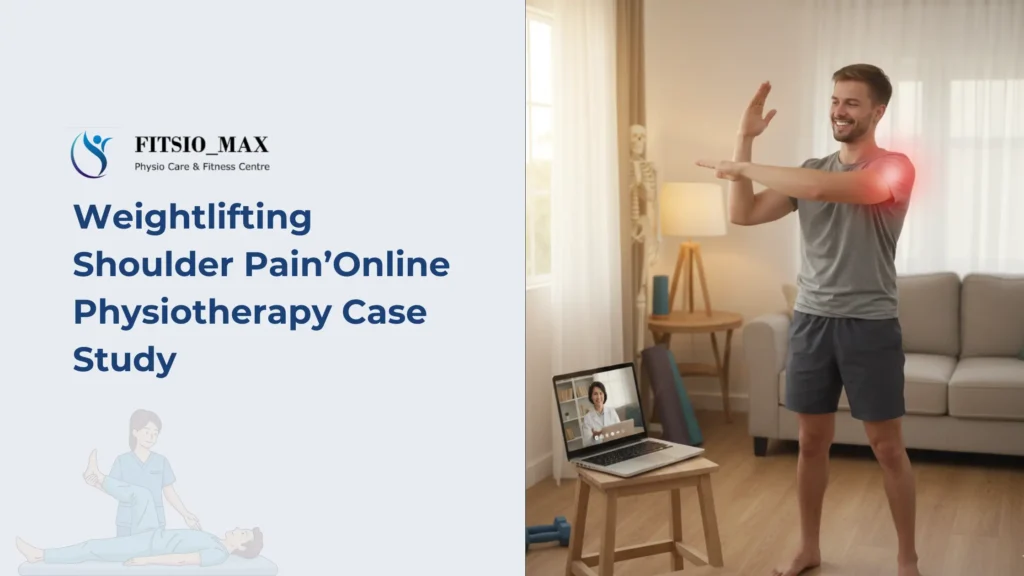
Weightlifting Shoulder Pain’Online Physiotherapy Case Study

Weightlifting Shoulder Pain: Online Physiotherapy Case Study Introduction Weightlifting shoulder pain is one of the most common problems faced by gym users, especially during bench press, overhead press, and heavy pulling movements. Many people ignore early discomfort and continue training, which leads to rotator cuff strain, shoulder impingement, and long-term weakness. At Fitsiomax, Chennai, we treat weightlifting shoulder pain through expert online physiotherapy, combining movement assessment, posture correction, and technique improvement. Our 12+ years of clinical experience in sports rehabilitation helps lifters recover safely without stopping their fitness goals. Structured virtual rehab focuses on pain relief, stability training, and a gradual return to weights with confidence. What is Weightlifting Shoulder Pain Treatment? Weightlifting shoulder pain treatment focuses on identifying the exact cause of gym-related shoulder injury and correcting it through physiotherapy. Online physiotherapy for shoulder pain includes movement assessment, posture correction, rotator cuff strengthening, and gradual return-to-gym guidance. The goal is to remove pain, improve stability, and prevent future injuries. At Fitsiomax (12+ years of clinical experience in sports and musculoskeletal rehab), treatment is personalized based on lifting history, exercise technique, and daily activity demands. Causes of Shoulder Pain After Weightlifting Poor shoulder blade control Overloading during bench press or overhead press Rotator cuff weakness Sudden increase in training intensity Improper warm-up Shoulder impingement from bad form Previous untreated shoulder injury Symptoms Pain while lifting weights or reaching overhead Clicking or pinching in the shoulder Weak grip during workouts Night pain after gym Reduced range of motion Difficulty performing push or pull exercises   Best Treatment Steps at Fitsiomax Online movement and posture assessment Identification of impingement or rotator cuff strain Pain control strategies Mobility correction for shoulder and upper back Strengthening of rotator cuff and scapular muscles Lifting technique correction Gradual return to gym program This approach makes online physio for shoulder injury highly effective even without in-clinic visits. Exercises Used in Online Shoulder Rehab Program Scapular setting drills External rotation with band Serratus anterior activation Thoracic mobility Controlled overhead progression Bench press technique correction All exercises are guided live by a physiotherapist for gym shoulder pain to ensure safety. Recovery Time Mild strain: 2–3 weeks Impingement: 3–6 weeks Rotator cuff irritation: 4–8 weeks Long-term injury: 8–12 weeks Early weightlifting shoulder pain treatment shortens recovery and prevents chronic damage. Treatment Cost (Online & Chennai) The cost depends on injury severity and session count. At Fitsiomax: Online consultation packages Personalized rehab plans Technique correction sessions Follow-up progress tracking Patients searching for shoulder pain treatment Chennai receive transparent pricing before starting. Best Physiotherapy for Shoulder Pain Near Me – Chennai If you are searching for ankle sprain physiotherapy near me, choosing the right clinic is important. Fitsiomax is a trusted ankle sprain rehabilitation centre in Chennai, offering structured recovery programs, hands-on care, and progress monitoring for daily activity and sports recovery. When to Consult a Physiotherapist or Doctor If you are searching for: shoulder pain physio near me best physiotherapy for shoulder pain near me gym shoulder injury treatment near me shoulder impingement physio near me Fitsiomax, Chennai provides expert virtual and in-clinic care with sports-specific rehabilitation. When to Consult a Physiotherapist Pain lasts more than 5 days Shoulder pain while lifting weights Weakness during bench press Night pain after gym Repeated shoulder injuries Early consultation with an online physiotherapist India prevents surgery risk. Why Trust Fitsiomax? Fitsiomax is a Chennai-based physiotherapy clinic with 12+ years of experience in sports injury rehabilitation. Our therapists specialize in rotator cuff pain physiotherapy and virtual physiotherapy for shoulder pain, helping hundreds of gym users return safely to training. Conclustion Weightlifting shoulder pain should never be ignored, as it can limit strength and daily activity. With expert guidance from Fitsiomax, online physiotherapy provides safe assessment, corrective exercises, and technique support from anywhere. Early treatment speeds recovery, prevents re-injury, and helps you return to the gym confidently. Book your shoulder consultation today and lift pain-free again. Frequently Asked Questions 1. Can online physiotherapy help shoulder pain from weightlifting? Yes. Online physiotherapy for shoulder pain allows expert assessment of movement, posture, and lifting technique through video sessions. Therapists design personalized rehab programs, correct exercise form, and guide safe progression. Many gym injuries recover effectively with structured virtual care. 2. What causes shoulder pain while lifting weights? Common causes include rotator cuff overload, shoulder impingement, poor scapular control, sudden training increase, and wrong bench press technique. Weak upper back muscles and limited mobility also contribute to pain after weightlifting. 3. How long does shoulder pain take to heal? Recovery depends on injury grade. Mild strain heals in 2–3 weeks, impingement in 3–6 weeks, and rotator cuff irritation in 4–8 weeks. Early physiotherapy shortens healing time and prevents chronic problems. 4. Should I stop gym if I have shoulder pain? Complete rest is not always required. Modified training with proper physiotherapy guidance is safer. A physiotherapist for gym shoulder pain can adjust exercises while protecting the injured tissues. 5. What is included in shoulder pain online consultation? Online sessions include movement assessment, posture analysis, pain diagnosis, personalized exercises, technique correction, and weekly progress tracking. This makes online shoulder rehab program effective and convenient. 6. How do I find shoulder pain physio near me in Chennai? Search for clinics with sports injury expertise, certified physiotherapists, and online consultation options. Fitsiomax in Chennai offers both virtual and in-clinic care for weightlifting shoulder injuries. Yes. Online physiotherapy for shoulder pain allows expert assessment of movement, posture, and lifting technique through video sessions. Therapists design personalized rehab programs, correct exercise form, and guide safe progression. Many gym injuries recover effectively with structured virtual care. Common causes include rotator cuff overload, shoulder impingement, poor scapular control, sudden training increase, and wrong bench press technique. Weak upper back muscles and limited mobility also contribute to pain after weightlifting. Recovery depends on injury grade. Mild strain heals in 2–3 weeks, impingement in 3–6 weeks, and rotator cuff irritation in 4–8 weeks. Early physiotherapy shortens healing time and prevents chronic problems. Complete rest is not always

ankle sprain treatment with physiotherapy
Blog

Ankle Sprain Treatment with Physiotherapy: Causes, Symptoms & Recovery

Ankle Sprain Treatment with Physiotherapy: Causes, Symptoms & Recovery Introduction An ankle sprain is one of the most common injuries that can affect daily movement, sports performance, and overall mobility. Pain, swelling, and stiffness after an ankle sprain often make walking difficult and may worsen if not treated properly. Ankle sprain treatment with physiotherapy focuses on healing the injured ligaments, restoring ankle strength, and improving balance through guided rehabilitation. If you are searching for ankle sprain physiotherapy near me in Chennai, early physiotherapy care can support faster recovery and help prevent repeated ankle injuries. Structured physiotherapy for ankle sprain plays a key role in safe, long-term ankle recovery. What is Ankle Sprain Treatment with Physiotherapy? Ankle sprain treatment with physiotherapy focuses on healing injured ankle ligaments through guided movement, strengthening, and balance training. Instead of rest alone, physiotherapy for ankle sprain improves joint control, reduces stiffness, and supports long-term ankle function. At Fitsiomax, this approach is commonly used for patients with sports injuries, falls, and post-injury ankle pain in Chennai. Ankle Sprain Causes Common ankle sprain causes include: Sudden twisting or rolling of the ankle Sports and running injuries Uneven surfaces Weak ankle muscles Previous ligament injury ankle Ankle Sprain Symptoms Typical ankle sprain symptoms are: Pain around the ankle joint Swelling and stiffness after ankle sprain Difficulty walking Bruising Reduced ankle movement Best Treatment Steps for Ankle Sprain Effective ankle sprain physiotherapy includes: Pain and swelling control Gentle mobility exercises Muscle strengthening Balance and stability training Structured ankle sprain rehabilitation This post ankle sprain physiotherapy approach reduces future injury risk. Exercises for Ankle Sprain Recovery Safe, general exercises for ankle sprain recovery include: Gentle ankle movements Controlled stretching Progressive strengthening Balance exercises A physiotherapist for ankle sprain should guide exercise progression. Ankle Sprain Recovery Time Ankle sprain recovery time depends on severity: Mild: 1–3 weeks Moderate: 3–6 weeks Severe ligament injury: 6–12 weeks Understanding the ankle sprain healing stages helps patients return to activity safely with ankle sprain recovery physiotherapy. Ankle Sprain Treatment Cost in Chennai The cost of ankle sprain treatment in Chennai depends on: Injury grade Number of physiotherapy sessions Type of rehabilitation required Patients searching for ankle sprain treatment near me in Chennai often prefer clinics with transparent assessment and personalised care plans. Best Ankle Sprain Physiotherapy Near Me in Chennai If you are searching for ankle sprain physiotherapy near me, choosing the right clinic is important. Fitsiomax is a trusted ankle sprain rehabilitation centre in Chennai, offering structured recovery programs, hands-on care, and progress monitoring for daily activity and sports recovery. When to Consult a Physiotherapist or Doctor Consult a specialist if: Pain or swelling does not reduce Walking remains difficult Ankle sprain pain relief is not improving Recurrent ankle sprains occur Early physiotherapy prevents long-term ankle instability. Why Trust Fitsiomax? Fitsiomax is a Chennai-based physiotherapy clinic with 12+ years of clinical experience in musculoskeletal and sports injury rehabilitation. Our team follows evidence-based ankle sprain treatment with physiotherapy, focusing on safe recovery, movement confidence, and long-term joint health. Conclustion An ankle sprain should not be ignored, even if pain reduces over time. Proper ankle sprain treatment with physiotherapy helps restore movement, improve stability, and prevent long-term ankle problems. With timely assessment and guided rehabilitation, recovery becomes safer and more effective. Choosing experienced physiotherapy care in Chennai supports confident movement and reduces the risk of future ankle injuries. Frequently Asked Questions 1. What is the best treatment for an ankle sprain? The best treatment for an ankle sprain combines pain control, movement restoration, and strengthening. Ankle sprain physiotherapy helps heal ligament injury, improve balance, and reduce stiffness, making recovery safer and more complete than rest alone. 2. How long does physiotherapy take for ankle sprain recovery? The duration depends on injury severity. Mild sprains may recover in a few weeks, while moderate or severe cases need longer ankle sprain rehabilitation. A physiotherapist adjusts treatment based on healing response and movement improvement. 3. Can physiotherapy reduce ankle sprain pain and swelling? Yes. Physiotherapy for ankle sprain helps control swelling, improve circulation, and restore joint movement. This approach supports natural healing while preventing stiffness and long-term ankle weakness. 4. When should I start physiotherapy after an ankle sprain? Physiotherapy usually starts once pain and swelling reduce, often within a few days. Early guided movement supports healing and prevents stiffness, especially during the early ankle sprain healing stages. 5.Is physiotherapy necessary even if ankle pain reduces? Yes. Even when pain reduces, physiotherapy is essential to restore ankle strength and balance. Skipping rehab increases the risk of instability and repeated sprains during walking or sports. 6.hich is the best place for ankle sprain physiotherapy near me in Chennai? The best place for ankle sprain physiotherapy near me in Chennai is a clinic with experienced physiotherapists, structured rehab programs, and personalised care. Clinics like Fitsiomax focus on long-term recovery and injury prevention. The best treatment for an ankle sprain combines pain control, movement restoration, and strengthening. Ankle sprain physiotherapy helps heal ligament injury, improve balance, and reduce stiffness, making recovery safer and more complete than rest alone. The duration depends on injury severity. Mild sprains may recover in a few weeks, while moderate or severe cases need longer ankle sprain rehabilitation. A physiotherapist adjusts treatment based on healing response and movement improvement. Yes. Physiotherapy for ankle sprain helps control swelling, improve circulation, and restore joint movement. This approach supports natural healing while preventing stiffness and long-term ankle weakness. Physiotherapy usually starts once pain and swelling reduce, often within a few days. Early guided movement supports healing and prevents stiffness, especially during the early ankle sprain healing stages. Yes. Even when pain reduces, physiotherapy is essential to restore ankle strength and balance. Skipping rehab increases the risk of instability and repeated sprains during walking or sports. The best place for ankle sprain physiotherapy near me in Chennai is a clinic with experienced physiotherapists, structured rehab programs, and personalised care. Clinics like Fitsiomax focus on long-term recovery and injury prevention.

Scroll to Top
Online Appointment