Disc Bulge Treatment in Chennai with Expert Physiotherapy Care
Introduction
A slipped disc can cause lower back pain, neck pain, stiffness, radiating leg pain, tingling, numbness, or difficulty sitting and walking. Many people in Chennai develop disc-related pain due to long sitting, poor posture, sudden lifting, sports strain, daily work stress, or age-related spine changes. Some patients also experience slipped disc and sciatica symptoms when the disc irritates nearby nerves.
Slipped Disc Treatment in Chennai through physiotherapy may help reduce pain, improve movement, support posture correction, and guide safe recovery without rushing into surgery. At Fitsiomax Physiotherapy & Fitness Centre, patients from Anna Nagar, T. Nagar, Parrys, and ECR receive assessment-based physiotherapy care for slipped disc pain, back stiffness, nerve irritation, and daily activity limitations.
Slipped disc treatment usually focuses on reducing pain, improving mobility, protecting the spine, strengthening core muscles, correcting posture, and reducing nerve irritation. Physiotherapy may help through manual therapy, spine mobility exercises, nerve gliding exercises, core strengthening exercises, ergonomic advice, and a safe home exercise plan.
What Is a Slipped Disc?
A slipped disc happens when the soft cushion between the spinal bones moves out of its normal position or irritates nearby nerves. It is also called a herniated disc. Many people ask about slipped disc vs herniated disc; in daily use, both terms often describe a similar spinal disc problem.
A slipped disc can happen in the lower back, neck, or other spine areas. A lumbar slipped disc affects the lower back, while a cervical slipped disc affects the neck. Some people may have a disc bulge without major pain, while others may experience back pain, leg pain, or nerve symptoms.
What Causes a Slipped Disc?
Slip disc causes can vary from person to person. In many patients, pain develops due to repeated strain, poor posture, weak muscles, or sudden movement.
Common causes include:
- Long sitting without movement breaks
- Sudden bending or heavy lifting
- Poor gym or sports technique
- Weak core and back muscles
- Age-related disc changes
- Poor sleeping posture
- Repeated driving strain
- Lack of spine mobility
- Previous back injury
- Daily work strain
Office workers may develop lower back pain due to long sitting, while athletes may get disc-related pain after sudden twisting, lifting, or impact.
Common Slipped Disc Symptoms
Slipped disc symptoms depend on the location of the affected disc and whether a nerve is irritated.
Common symptoms include:
- Lower back pain
- Back stiffness
- Neck pain
- Slip disc pain while sitting or bending
- Radiating leg pain
- Sciatica pain
- Tingling or numbness
- Muscle weakness
- Pain in the buttock, hip, or leg
- Difficulty walking or standing for long hours
Slipped disc symptoms lower back may include pain spreading from the back to the buttock, thigh, calf, or foot. Signs of a slipped disc should not be ignored if pain keeps increasing or affects daily life.
Slipped Disc Pain Area
Slip disc pain area can include the lower back, neck, buttock, hip, thigh, leg, or foot. If there is nerve compression, pain may travel along the nerve pathway.
Back pain slipped disc symptoms may feel sharp, burning, heavy, or electric-like. Some patients feel pain only in the back, while others feel leg pain more than back pain. A physiotherapy assessment helps understand whether the pain is muscle-related, joint-related, disc-related, or nerve-related.
Who Is at Risk of Slipped Disc?
Slipped disc can affect different age groups. People who sit for long hours, lift heavy objects, drive frequently, work on laptops, play sports, or have weak core muscles may be at higher risk.
Senior citizens may develop disc-related pain due to age-related spine changes. Athletes may develop symptoms after sudden strain. Post-surgery patients or people with reduced activity may also experience back stiffness and weakness.
People who ignore early pain and continue heavy activity without guidance may worsen symptoms.
Can Slipped Disc Be Treated Without Surgery?
Many patients ask about slipped disc treatment without surgery. In many cases, symptoms may improve with physiotherapy, posture correction, activity modification, pain management, mobility exercises, and strengthening.
Non-surgical slipped disc treatment may help when symptoms are mild to moderate and there are no serious warning signs. However, severe weakness, loss of bladder or bowel control, numbness around the private area, or worsening nerve symptoms need urgent medical attention.
A qualified physiotherapist can assess your condition and guide the safest treatment plan.
How Can Physiotherapy Help Slipped Disc?
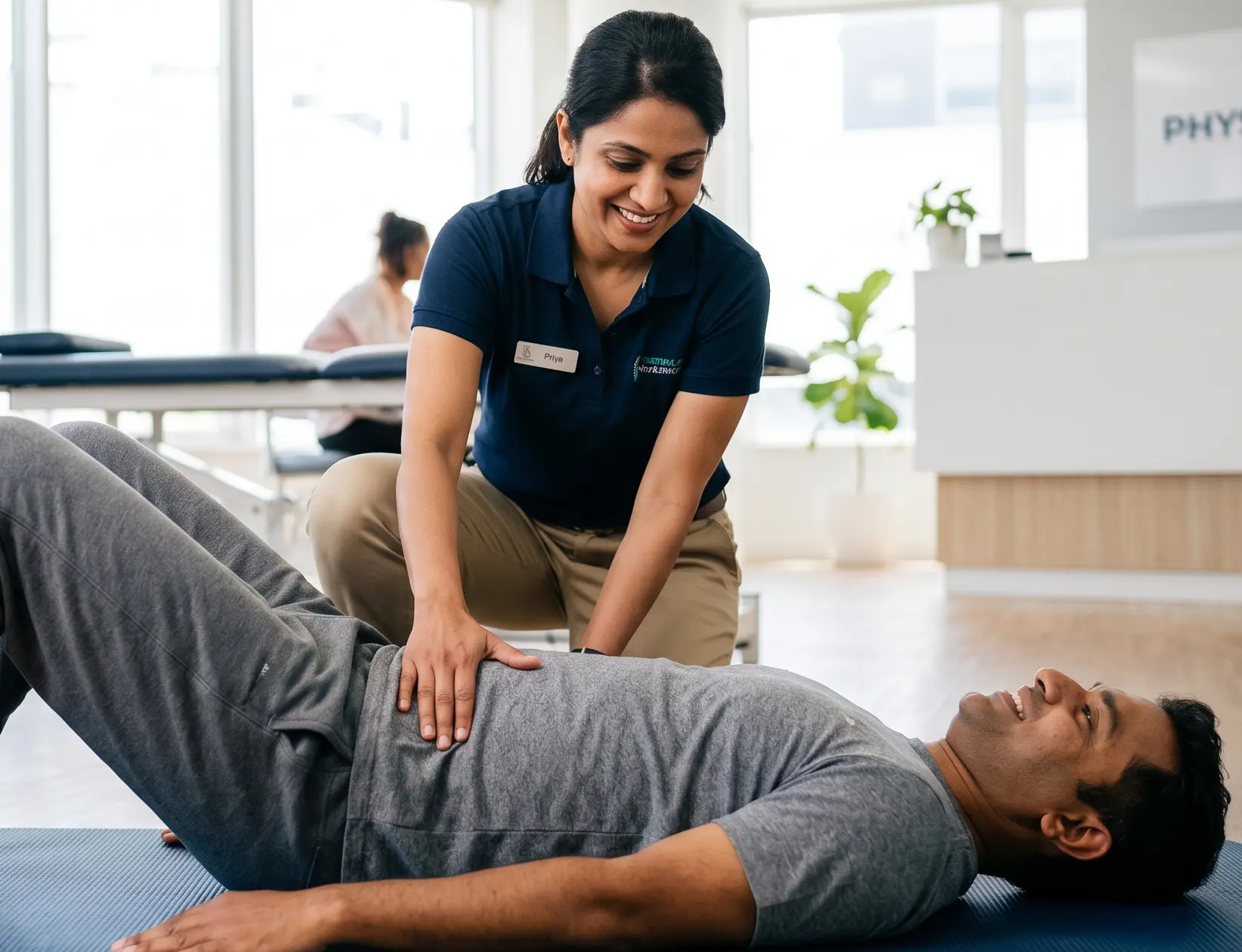
Physiotherapy for slip disc focuses on reducing pain, improving movement, supporting the spine, and helping patients return to normal activities safely.
Physiotherapy may help with:
- Pain management
- Posture correction
- Spine mobility exercises
- Core strengthening exercises
- Nerve gliding exercises
- Manual therapy for back pain
- Safe bending and lifting habits
- Walking and activity guidance
- Home exercise program
- Gradual return to work or sports
The goal is not only temporary pain relief. Physiotherapy also helps improve movement habits and reduce repeated strain.
Physiotherapy Treatment Methods for Slipped Disc
1. Detailed Assessment
The physiotherapist checks pain location, symptoms, posture, spine movement, muscle strength, nerve signs, sitting tolerance, walking ability, and daily activity difficulty.
2. Pain Management
Pain management may include gentle movement, activity modification, safe positioning, heat or cold guidance, and gradual exercise planning.
3. Manual Therapy
Manual therapy for back pain may help reduce stiffness and improve movement in selected patients. It is usually combined with exercise.
4. Spine Mobility Exercises
Spine mobility exercises help improve safe movement and reduce stiffness. These exercises should be gentle and based on your pain response.
5. Core Strengthening
Core strengthening exercises help support the spine. A physiotherapist may include pelvic control, deep core activation, hip strengthening, and back support exercises.
6. Nerve Gliding Exercises
Nerve gliding exercises may help reduce nerve sensitivity in selected patients with radiating leg pain. These exercises should be done carefully and under guidance.
Slipped Disc Exercises
Slipped disc exercises should be selected after assessment. Not every exercise is suitable for everyone.
Commonly guided exercises may include:
- Gentle walking
- Pelvic tilts
- Knee-to-chest stretch
- Cat-camel movement
- Bridge exercise
- Bird-dog exercise
- Core activation
- Hip mobility exercises
- Gentle back extension
- Nerve gliding exercises
Slip disc exercise at home should be done slowly. Stop if pain spreads further down the leg, numbness increases, or weakness develops.
Slipped Disc Treatment at Home: Safe Tips
Slipped disc treatment at home may support recovery when symptoms are mild and guided by a professional.
Helpful tips include:
- Avoid long sitting
- Take short walking breaks
- Avoid sudden heavy lifting
- Use proper back support
- Sleep in a comfortable supported position
- Follow only advised exercises
- Avoid forcing painful stretches
- Keep movements slow and controlled
- Maintain good posture
- Consult early if pain worsens
Slip disc sleeping position can also matter. Many patients feel better sleeping on the side with a pillow between the knees or on the back with knee support.
Slipped Disc Recovery Time
Slipped disc recovery time differs for every patient. It depends on pain severity, nerve involvement, activity level, posture habits, age, and consistency with rehabilitation.
Some patients improve with conservative care and guided exercises, while others may need longer rehabilitation. Avoid comparing your recovery with others. A physiotherapist can monitor progress and adjust exercises safely.
When Should You Consult a Physiotherapist?
You should consult a physiotherapist if slipped disc pain lasts more than a few days, keeps returning, affects work, or causes leg pain.
Seek help if you have:
- Persistent lower back pain
- Radiating leg pain
- Tingling or numbness
- Difficulty sitting or walking
- Back stiffness
- Slipped disc sciatica symptoms
- Pain after lifting injury
- Difficulty bending
- Repeated back pain
- Weakness during daily activity
Get urgent medical care if you have bladder or bowel control issues, numbness around the private area, severe weakness, or rapidly worsening symptoms.
Slipped Disc Treatment Near Me in Chennai
If you are searching for slip disc treatment near me or physiotherapy near me in Chennai, choose a clinic that provides proper assessment, safe exercises, and personalized rehabilitation.
Fitsiomax Physiotherapy & Fitness Centre serves patients through multiple Chennai branches:
- Physiotherapy clinic in Anna Nagar
- Physiotherapy clinic in T. Nagar
- Physiotherapy clinic in Parrys
- Physiotherapy clinic in ECR
Whether you have slipped disc in lower back, slipped disc sciatica, or posture-related back pain, Fitsiomax can guide you with patient-friendly physiotherapy care.
Why Choose Fitsiomax Physiotherapy & Fitness Centre?
Fitsiomax Physiotherapy & Fitness Centre provides physiotherapy, fitness, pain relief, posture correction, and rehabilitation care in Chennai.
Patients choose Fitsiomax for:
- Professional physiotherapy assessment
- Slipped Disc Treatment in Chennai
- Physiotherapy for slip disc
- Non-surgical slipped disc treatment support
- Spine mobility exercises
- Core strengthening exercises
- Manual therapy for back pain
- Posture correction
- Home exercise guidance
- Branches in Anna Nagar, T. Nagar, Parrys, and ECR
Fitsiomax focuses on safe movement, better function, and practical recovery support.
Conclusion
A slipped disc can affect sitting, walking, work, sleep, travel, and daily comfort. Ignoring symptoms may lead to repeated pain and reduced movement. Slipped Disc Treatment in Chennai through physiotherapy may help support pain relief, mobility, posture correction, strengthening, and safer daily activity.
If you are looking for a trusted physiotherapy clinic in Chennai, visit Fitsiomax Physiotherapy & Fitness Centre at Anna Nagar, T. Nagar, Parrys, or ECR. Book your consultation today and get professional guidance for slipped disc pain and recovery.
Visit fitsiomax.clinic | Call us | Walk into our clinic in Chennai
Frequently Asked Questions
1. What is a slipped disc?
A slipped disc happens when a spinal disc moves or irritates nearby nerves. It may cause back pain, neck pain, leg pain, tingling, numbness, or weakness.
2. Can physiotherapy help slipped disc?
Yes. Physiotherapy may help reduce pain, improve mobility, strengthen core muscles, correct posture, and support safe recovery in many slipped disc cases.
3. What are common slipped disc symptoms?
Common symptoms include lower back pain, neck pain, back stiffness, radiating leg pain, tingling, numbness, weakness, and pain while sitting or bending.
4. Which exercises help slipped disc pain?
Common exercises may include gentle walking, pelvic tilts, bridge exercise, bird-dog, cat-camel movement, core activation, and nerve gliding exercises.
5. When should I visit a physiotherapist for slipped disc?
Visit a physiotherapist if pain lasts several days, spreads to the leg, causes tingling, affects walking, or keeps returning despite rest and home care.