
Back, Neck or Knee Pain? How Physiotherapy in Chennai Can Help
Introduction
Back pain after long hours at a desk, neck stiffness from screen use, or knee pain while walking and climbing stairs can make everyday activities uncomfortable. These problems may develop due to repeated strain, changes in activity, previous injuries, reduced mobility, age-related changes, or other health conditions.
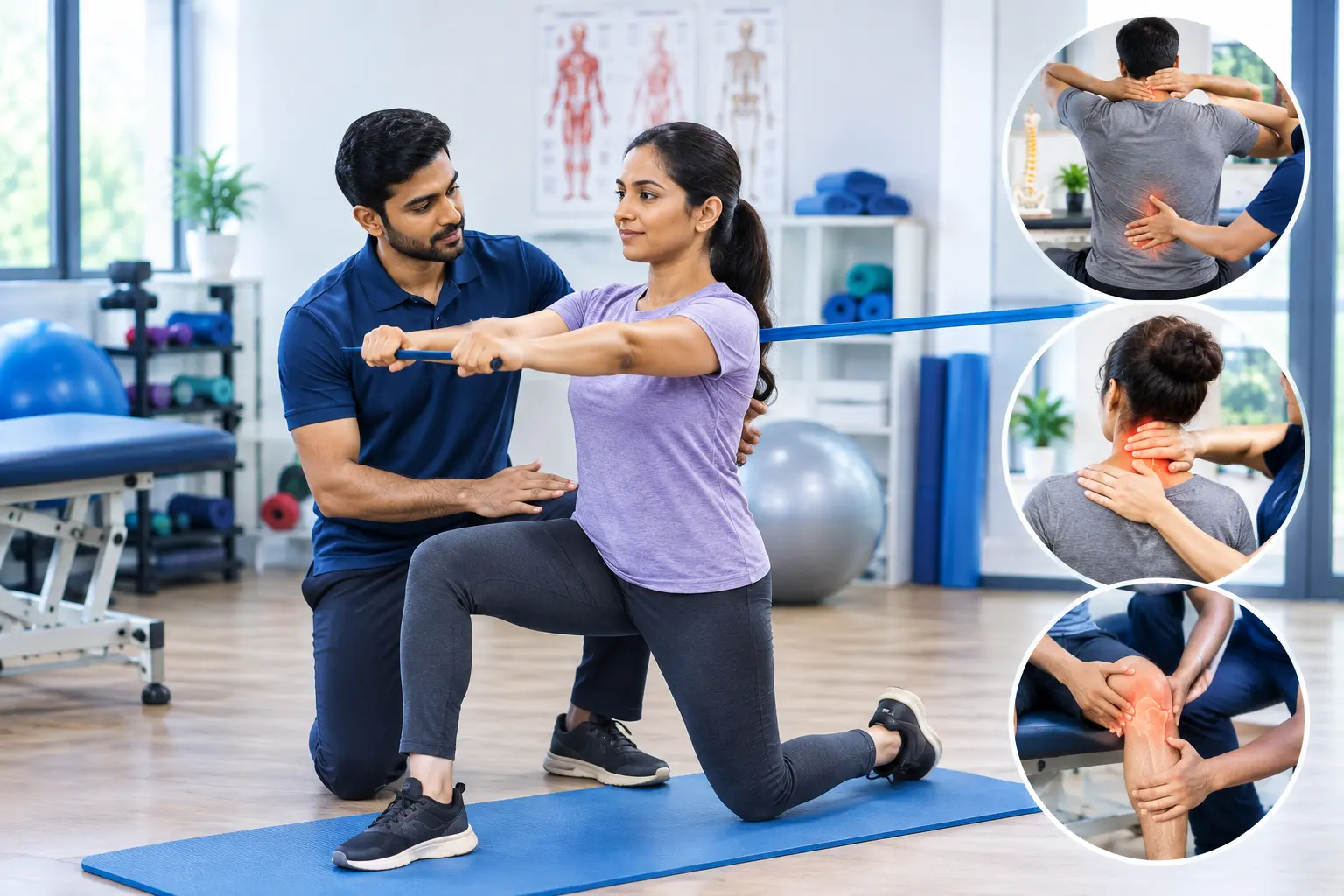
The right approach depends on the cause and the individual. Physiotherapy treatment for neck pain, back pain, and knee problems may include movement assessment, mobility exercises, progressive strengthening, activity guidance, and rehabilitation based on the patient’s needs.
At Fitsiomax Physio & Fitness Studio in Chennai, physiotherapy and rehabilitation services are available for people experiencing musculoskeletal pain and movement difficulties. Rather than relying only on temporary symptom relief, a physiotherapy assessment can help identify factors that may be affecting movement and daily function.
Can physiotherapy help back, neck or knee pain? Physiotherapy may help many musculoskeletal problems by assessing movement, strength, mobility and activities that trigger symptoms. Depending on the condition, treatment may include education, exercise, strengthening, mobility work, activity modification and other rehabilitation methods to improve function and support recovery.
What Causes Back, Neck and Knee Pain?
Back, neck and knee pain are symptoms rather than a single diagnosis. Different conditions can produce similar symptoms, which is why persistent or significant pain should not be self-diagnosed.
Back Pain
Back pain may occur after prolonged sitting, lifting, sudden changes in physical activity or repetitive work. Previous injuries and some musculoskeletal or medical conditions may also contribute.
For example, an office worker may notice lower back discomfort after sitting through several meetings, while someone returning to the gym may experience symptoms after increasing training too quickly.
Neck Pain
Neck pain and stiffness can occur alongside prolonged screen use, sustained positions, repetitive activities or physical strain. Pain may sometimes extend toward the shoulder or upper back.
People searching for physiotherapy for neck and shoulder pain often report difficulty turning their head, stiffness after desk work or discomfort during everyday activities.
Knee Pain
There are many possible knee pain causes, including overuse, injury, changes in activity, osteoarthritis and other joint or soft-tissue problems.
Pain may become noticeable when walking, climbing stairs, exercising or getting up from a chair. Because there are different knee pain reasons, assessment is important before choosing exercises or treatment.
What Symptoms Should You Pay Attention To?
Musculoskeletal problems can affect people differently. Common symptoms include:
- Back pain during sitting, bending or lifting
- Neck stiffness or restricted movement
- Shoulder and upper-back discomfort
- Knee pain when walking or using stairs
- Joint stiffness
- Muscle pain or tightness
- Reduced range of movement
- Difficulty completing normal activities
- Pain after sport or exercise
- Reduced confidence with movement
Pain intensity alone does not identify the underlying condition. The pattern, duration, triggers and effect on everyday function also matter.
Who May Be More Likely to Experience These Problems?
Office Workers
Long periods of sitting and screen-based work can be associated with back and neck discomfort. Regular movement breaks and an appropriate workstation setup may help some people.
Athletes and Active Adults
Sudden increases in running, gym training or sport can place greater demands on muscles and joints. Previous injuries and incomplete rehabilitation may also be relevant.
Older Adults
Age-related changes can affect joints, strength, balance and mobility. Knee joint pain and stiffness, for example, may affect walking or stair climbing.
Post-Surgery Patients
After surgery, some patients require structured rehabilitation to progressively restore movement, strength and everyday function.
How Can Physiotherapy Help Back, Neck or Knee Pain?
Physiotherapy starts with understanding the problem rather than simply selecting an exercise based on where it hurts.
A physiotherapist may assess your symptoms, movement, strength, mobility, previous injuries and activities that increase or reduce discomfort.
Physiotherapy for Back Pain
Physiotherapy for back pain may include education, activity guidance and progressive exercise based on assessment findings.
For some people, a physiotherapy treatment for low back pain programme may focus on improving movement confidence, strength and the ability to tolerate work, exercise and everyday activities.
Physiotherapy Treatment for Neck Pain
Physiotherapy treatment for neck pain depends on the cause and individual presentation. Treatment may include neck and upper-body mobility work, strengthening, exercise, activity advice and other appropriate interventions.
Someone seeking neck physiotherapy because of desk-related symptoms may also benefit from advice about workstation setup, movement breaks and varying positions throughout the day.
Physiotherapy for Knee Pain
Physiotherapy for knee problems may focus on movement, lower-limb strength, mobility, balance and progressive loading where appropriate.
For patients seeking knee pain treatment in Chennai, identifying whether symptoms are related to an injury, activity change, joint condition or another cause is an important first step.
What Physiotherapy Treatment Methods May Be Used?
Treatment should be individualized rather than using the same programme for every patient.
Depending on assessment findings, physiotherapy may involve:
Mobility exercises: Used when improving comfortable movement is an appropriate rehabilitation goal.
Strengthening: Progressive exercises can help improve physical capacity for daily activities, work and sport.
Stretching: Selected stretches may be appropriate when clinically relevant rather than being prescribed automatically for every pain problem.
Movement and posture guidance: This may include finding comfortable working positions, changing position regularly and improving movement strategies for specific activities.
Manual therapy: Hands-on techniques may sometimes be used as part of a broader rehabilitation programme rather than as a guaranteed standalone solution.
Rehabilitation exercises: Exercises can be progressed according to recovery goals, such as returning to walking, work, gym training or sport.
What Can You Do at Home?
For uncomplicated musculoskeletal discomfort, sensible self-care may support recovery.
Try to:
- Avoid staying in the same position for very long periods.
- Take regular movement breaks during desk work.
- Increase exercise intensity gradually.
- Follow prescribed rehabilitation exercises correctly.
- Use comfortable working positions.
- Warm up before demanding exercise.
- Allow adequate recovery between harder training sessions.
- Avoid repeatedly doing exercises that significantly worsen symptoms.
There is no single home exercise that is suitable for every type of back, neck or knee pain. If you are unsure about your symptoms, seek professional advice.
When Should You Consult a Physiotherapist?
Consider consulting a qualified physiotherapist when pain persists, keeps returning, limits movement, interferes with work or sleep, prevents normal exercise, or affects everyday activities.
Assessment may also be useful when you are recovering from an injury or surgery and need guidance on safely progressing activity.
Safety note: Seek prompt medical attention for severe symptoms following major trauma, new or worsening weakness or numbness, loss of bladder or bowel control, numbness around the groin/saddle region, fever with significant pain, or other concerning or rapidly worsening symptoms.
Physiotherapy in Chennai: Finding Care Near You
Searching for “physiotherapy near me” or “physio near me” often means you want treatment that is both accessible and appropriate for your condition.
Fitsiomax Physio & Fitness Studio serves Chennai through locations in Anna Nagar, T. Nagar, Parry’s, and ECR.
Patients can enquire about a physiotherapy clinic in Anna Nagar, a physiotherapy clinic in T. Nagar, a physiotherapy clinic in Parry’s, or physiotherapy clinic in ECR, depending on the location most convenient for them.
Whether you are seeking physiotherapy in Chennai for back pain, neck discomfort, knee problems, sports-related symptoms or rehabilitation, the appropriate treatment should be based on individual assessment.
Why Choose Fitsiomax in Chennai?
Fitsiomax combines physiotherapy and fitness-focused rehabilitation for patients with different movement and recovery needs.
Depending on individual assessment, physiotherapy may include mobility exercises, progressive strengthening, stretching, movement guidance, manual therapy and rehabilitation exercises.
For office workers, older adults, active individuals, athletes and post-surgery patients, the aim is to support better movement and function through an appropriate rehabilitation plan—not to promise a quick or permanent cure.
Conclusion
Back, neck and knee pain can have many different causes. If symptoms keep returning or begin interfering with work, walking, exercise or everyday activities, simply ignoring them may not be the most appropriate approach.
Physiotherapy can help assess movement and physical function and, where appropriate, provide an individualized rehabilitation plan.
If back, neck or knee pain is limiting your daily activities, contact Fitsiomax Physio & Fitness Studio to enquire about a physiotherapy assessment in Chennai at Anna Nagar, T. Nagar, Parrys or ECR.
Visit fitsiomax.clinic | Call us | Walk into our clinic in Chennai
Frequently Asked Questions
1. Is physiotherapy good for back pain?
Physiotherapy can help manage many types of back pain. Depending on assessment findings, treatment may involve education, appropriate activity, mobility work and progressive exercise.
2. Can physiotherapy help neck pain?
Physiotherapy may help some types of neck pain by addressing movement, physical function and activity-related factors. The treatment plan should depend on the individual assessment.
3. Can physiotherapy help knee pain?
Physiotherapy can be useful for many musculoskeletal knee problems. Treatment may focus on mobility, strength, balance and progressive activity depending on the cause and individual needs.
4. When should I see a physiotherapist for back, neck or knee pain?
Consider an assessment when pain persists, repeatedly returns, restricts movement or interferes with work, exercise, walking or other normal activities.
5. How do I find physiotherapy near me in Chennai?
Consider clinic accessibility as well as professional qualifications, assessment approach and whether rehabilitation is tailored to your condition. Fitsiomax has locations in Anna Nagar, T. Nagar, Parrys and ECR.