Can Physiotherapy Help Disc Problems? Treatment & Recovery Guide
Introduction
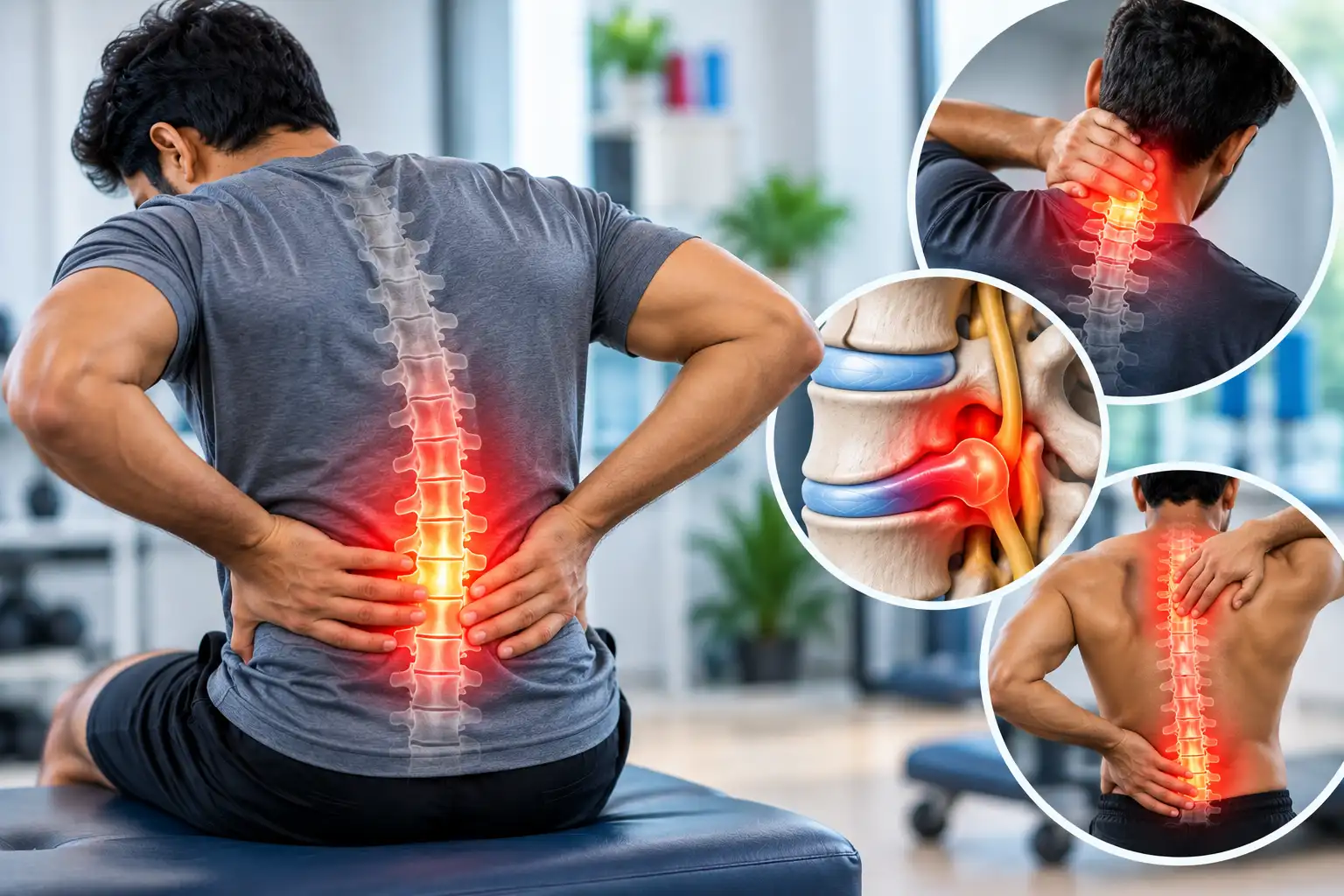
Disc problems can cause back pain, stiffness, difficulty moving and sometimes pain that travels into the buttock or leg. Many people use terms such as slip disc, bulging disc, disc prolapse or herniated disc to describe these problems. However, different disc conditions can affect people in different ways, so treatment should be based on an individual assessment.
Physiotherapy for slip disc can be part of a non-surgical approach for many people, depending on their symptoms and clinical condition. Physiotherapy may focus on managing pain, improving mobility, strengthening supporting muscles and gradually returning to normal daily activities.
At Fitsiomax Physiotherapy & Fitness Centre, patients looking for disc problem physiotherapy in Chennai can receive personalized assessment and rehabilitation support at branches in Anna Nagar, T. Nagar, Parrys and ECR.
Can Physiotherapy Help With a Slip Disc?
Yes, physiotherapy may help people with certain disc-related problems by managing symptoms, improving mobility and strength, and supporting a gradual return to normal activities. Treatment is not the same for everyone. A physiotherapist assesses symptoms, movement, strength and functional limitations before developing an appropriate rehabilitation plan.
The aim is not simply to reduce pain temporarily. A structured rehabilitation program can also address movement limitations, muscle weakness and difficulties with everyday activities.
What Is a Disc Problem?
The spine contains small structures called intervertebral discs between many of the spinal bones. These discs help absorb load and allow the spine to move.
A disc problem can occur when the disc changes shape or structure. Common terms include:
- Bulging disc
- Herniated disc
- Disc protrusion
- Disc prolapse
- Degenerative disc changes
People often search for “what is a slipped disc?” or “slip disc meaning” when they first experience back pain.
The commonly used term slip disc does not necessarily mean that a disc has literally slipped out of the spine. A healthcare professional can determine the specific condition based on symptoms and clinical assessment.
What Causes Disc Problems?
Disc problems can develop for different reasons. Some may occur gradually, while others can become noticeable after lifting, bending or another physical activity.
Common contributing factors may include:
Age-related changes
As people get older, spinal discs can undergo natural changes that may affect their flexibility and ability to handle loads.
Repetitive strain
Repeated bending, lifting or physically demanding activities can place stress on the lower back.
Poor movement habits
Repeated movements performed with poor technique may increase strain on the back.
Sudden loading
A sudden lift, twist or awkward movement can sometimes trigger back symptoms.
Reduced physical conditioning
Weakness in the muscles supporting the trunk and hips may affect how the body handles physical demands.
Previous back problems
People who have experienced back pain previously may sometimes experience recurring symptoms.
What Are the Symptoms of Disc Problems?
Disc problem symptoms can vary depending on the location and severity of the condition.
Common symptoms may include:
- Lower back pain
- Back stiffness
- Pain during certain movements
- Difficulty bending or straightening
- Pain spreading toward the buttock
- Leg pain
- Tingling or pins and needles
- Numbness
- Muscle weakness
- Difficulty sitting or standing comfortably
Some people with disc changes may have little or no pain, while others can experience significant symptoms.
What does slipped disc pain feel like?
Slip disc pain may be felt in the lower back and, when a nerve is irritated, may extend into the buttock or leg. This can sometimes occur with symptoms commonly associated with sciatica.
However, not every case of back or leg pain is caused by a disc problem. Professional assessment is important when symptoms persist or interfere with daily activities.
What Is the Difference Between a Bulging Disc, Herniated Disc and Disc Prolapse?
These terms are often used interchangeably online, but they can describe different structural changes.
Bulging Disc
A disc may extend beyond its usual boundary without necessarily having a focal rupture.
Herniated Disc
A portion of the disc’s internal material can move through a weakened or damaged outer layer.
Disc Prolapse
This term is commonly used to describe displacement of disc material and may be used in different ways depending on the clinical context.
The presence of a disc bulge or herniation on imaging does not automatically mean that it is the cause of someone’s pain. Symptoms and clinical findings should be considered together.
How Can Physiotherapy Help With Disc Problems?
Physiotherapy for Slip Disc
Physiotherapy for slip disc focuses on helping patients manage symptoms and restore movement and function.
Depending on the individual assessment, treatment may include:
Pain Management
Your physiotherapist may recommend appropriate strategies to help you manage pain and remain as active as safely possible.Mobility Exercises
Gentle, progressive exercises may help improve spinal and hip movement when stiffness is affecting daily activities.
Strengthening Exercises
Strengthening the muscles around the trunk, hips and legs can help improve physical capacity and movement control.
Posture and Movement Education
Your physiotherapist may explain how to modify sitting, lifting, bending and other activities based on your symptoms.
Manual Therapy
Where clinically appropriate, hands-on techniques may be used alongside exercise to help with mobility and symptom management.
Progressive Rehabilitation
As symptoms improve, exercises can gradually become more challenging to help you return to work, exercise and normal daily activities.
What Is Disc Problem Treatment Without Surgery?
Many people searching for herniated disc treatment non surgical want to know whether physiotherapy can be considered before surgery.
For some patients, conservative management may include:
- Physiotherapy
- Exercise-based rehabilitation
- Activity modification
- Education about movement and recovery
- Appropriate medical management when prescribed by a doctor
- Gradual return to normal activities
The appropriate treatment depends on the person’s symptoms and clinical findings.
Physiotherapy does not physically “push” a disc back into place. Instead, rehabilitation can focus on improving movement, strength, physical function and symptom management.
Disc Problem Treatment: What Does Rehabilitation Involve?
A rehabilitation program may progress through different stages.
Stage 1: Assessment
The physiotherapist reviews your symptoms, movement, strength and functional limitations.
Stage 2: Symptom Management
The initial goal may be to help you manage pain and maintain appropriate activity.
Stage 3: Mobility
Suitable mobility exercises may be introduced depending on your symptoms.
Stage 4: Strengthening
Progressive strengthening can help improve your ability to perform daily activities and physical tasks.
Stage 5: Functional Training
Exercises may become more closely related to your work, lifestyle, gym activities or sports.
Stage 6: Return to Normal Activity
The goal is to progressively return to appropriate daily activities while monitoring symptoms and function.
Can Physiotherapy Help With Lower Back Disc Problems?
Yes, physiotherapy may be useful for some people with lower back disc problems, especially when symptoms are affecting movement, strength or daily activities.
A rehabilitation plan may include:
- Lower back mobility exercises
- Hip mobility exercises
- Core strengthening
- Glute strengthening
- Movement retraining
- Posture education
- Functional exercises
- Activity modification
However, there is no single exercise that is suitable for every disc problem.
An exercise that helps one person may aggravate another person’s symptoms. This is why exercises should be selected according to individual assessment.
Can Physiotherapy Help With Sciatica From a Disc Problem?
A disc problem can sometimes irritate or compress a nerve and contribute to sciatica, which can cause pain or other symptoms extending from the lower back or buttock into the leg.
Sciatica physiotherapy treatment may include education, appropriate exercises, mobility work, strengthening and gradual return to activity depending on the cause and clinical presentation.
If leg weakness, numbness or other neurological symptoms are present, professional assessment is particularly important.
What Can You Do at Home?
If you have back pain or a diagnosed disc problem, avoid making major changes to your exercise routine without professional guidance.
General strategies may include:
- Avoid prolonged bed rest unless specifically advised.
- Change positions regularly.
- Maintain comfortable levels of everyday activity.
- Avoid sudden heavy lifting during painful episodes.
- Follow exercises prescribed by your physiotherapist.
- Use proper lifting and movement techniques.
- Gradually return to normal activities.
Can I exercise with a disc problem?
In many cases, appropriate movement and exercise can form part of rehabilitation. However, the type and intensity of exercise should depend on your symptoms, diagnosis and current physical capacity.
Don’t copy exercises from social media simply because they are labelled as “slip disc exercises.”
When Should You See a Physiotherapist?
Consider consulting a qualified physiotherapist if back or leg symptoms:
- Continue for several days or weeks
- Keep returning
- Affect walking or sitting
- Make work difficult
- Interfere with exercise
- Limit normal daily activities
- Are associated with stiffness or reduced movement
- Are accompanied by weakness or altered sensation
When should you seek urgent medical care?
Seek urgent medical evaluation if you develop serious or rapidly worsening neurological symptoms, particularly significant leg weakness, loss of bladder or bowel control, or numbness around the genital/inner-thigh area.
These symptoms require medical assessment rather than routine physiotherapy alone.
Disc Problem Physiotherapy in Chennai
If you are searching for Physiotherapy for Slip Disc in Chennai, choosing a clinic that provides individualized assessment and rehabilitation can help you understand your symptoms and treatment options.
Fitsiomax Physiotherapy & Fitness Centre provides physiotherapy and rehabilitation services across Chennai.
Patients can visit:
- Physiotherapy clinic in Anna Nagar
- Physiotherapy clinic in T. Nagar
- Physiotherapy clinic in Parrys
- Physiotherapy clinic in ECR
If you are searching for Slip Disc Treatment in Chennai, Herniated Disc Physiotherapy in Chennai, or Back Pain Physiotherapy in Chennai, Fitsiomax can provide an assessment-based physiotherapy approach.
For people searching “slip disc physiotherapy near me” or “disc problem physiotherapy near me,” choosing a convenient branch can make it easier to attend regular rehabilitation sessions.
Why Choose Fitsiomax for Disc Problem Physiotherapy?
Fitsiomax Physiotherapy & Fitness Centre provides physiotherapy, rehabilitation and fitness support across Chennai.
For patients with back pain and disc-related symptoms, the treatment approach may include:
- Physiotherapy assessment
- Pain management
- Mobility exercises
- Strengthening
- Core and hip exercises
- Movement education
- Manual therapy where appropriate
- Functional rehabilitation
- Home exercise guidance
The rehabilitation plan should be based on your individual symptoms, physical findings and recovery goals rather than using the same treatment for every patient.
If you are looking for Disc Problem Treatment in Chennai, consult a qualified physiotherapist to understand whether physiotherapy is appropriate for your condition.
Conclusion
Disc problems can be worrying, especially when back pain begins to affect work, exercise, sleep or everyday movement. However, a diagnosis such as a slip disc, disc bulge or herniated disc does not automatically mean that surgery is required.
Physiotherapy for slip disc may help appropriate patients manage symptoms, improve mobility, build strength and gradually return to normal activities. The right rehabilitation program depends on the individual’s symptoms and clinical assessment.
If you are experiencing persistent back pain, leg pain, stiffness or symptoms associated with a disc problem, consider getting a professional assessment rather than relying only on online exercises.
If you are looking for Slip Disc Treatment in Chennai, Disc Problem Physiotherapy in Chennai, or Back Pain Physiotherapy in Chennai, Fitsiomax Physiotherapy & Fitness Centre provides physiotherapy and rehabilitation support through Anna Nagar, T. Nagar, Parrys and ECR.
Book an appointment with Fitsiomax to discuss your symptoms and receive a personalized physiotherapy assessment.
Visit fitsiomax.clinic | Call us | Walk into our clinic in Chennai
Frequently Asked Questions
1. What is sports injury physiotherapy?
Sports injury physiotherapy is rehabilitation designed to help people recover from sports or exercise-related injuries. It may include mobility, strengthening, balance, manual therapy and sport-specific exercises.
2. Can physiotherapy help with sports injuries?
Yes. Depending on the injury, physiotherapy may help reduce symptoms, improve movement and strength, and support a gradual return to sports or exercise.
3. How long does sports injury rehabilitation take?
Recovery time varies depending on the type and severity of injury, treatment requirements, surgery status, fitness level and individual progress. Your physiotherapist can provide more specific guidance after assessment.
4. Can I return to sports after physiotherapy?
Many people can progressively return to their desired activities after rehabilitation. The timing depends on the injury and whether strength, mobility, balance and functional goals have been restored sufficiently.
5. Where can I find sports injury physiotherapy near me in Chennai?
Fitsiomax Physiotherapy & Fitness Centre provides physiotherapy services through branches in Anna Nagar, T. Nagar, Parrys and ECR.