
Hip Pain While Walking? Common Causes and Physiotherapy Solutions
Introduction
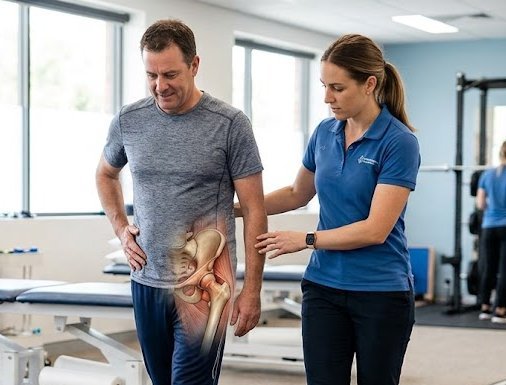
Does your hip hurt every time you walk, climb stairs, or stand after sitting for a long time? Hip pain while walking is a common problem that can affect people of all ages, from office workers and athletes to senior citizens. While occasional discomfort may improve with rest, persistent hip pain could indicate an underlying joint, muscle, tendon, or nerve problem that should not be ignored.
Daily activities such as walking, exercising, lifting objects, or even sitting for extended periods can place extra stress on the hip joint. At Fitsiomax Physiotherapy & Fitness Centre, our experienced physiotherapists help patients across Anna Nagar, T. Nagar, Parrys, and ECR identify the root cause of hip pain and create personalised rehabilitation plans that may help reduce pain, improve mobility, and support long-term recovery.
Hip pain while walking may occur due to muscle strain, hip joint arthritis, tendon irritation, bursitis, nerve compression, or sports injuries. Physiotherapy can help identify the cause, reduce pain, improve joint movement, strengthen surrounding muscles, and support safe recovery without relying only on pain medication.
What Is Hip Pain While Walking?
Hip pain while walking refers to discomfort felt in or around the hip joint during movement. The pain may occur in the front of the hip, the side, the buttock region, or even travel down the thigh or leg.
Some people experience a dull ache, while others notice a sharp pain that worsens with activity. In certain cases, hip and leg pain may indicate that muscles, tendons, ligaments, or nerves are also involved.
The hip is one of the body’s largest weight-bearing joints. Because it supports almost every movement—from standing and walking to climbing stairs—even small problems can significantly affect daily life.
What Causes Hip Pain While Walking?
Many conditions can contribute to hip pain when walking. Identifying the exact cause is important because each condition requires a different treatment approach.
1. Muscle Strain
Overuse, heavy exercise, sudden movements, or poor warm-up routines can strain the muscles around the hip.
Common signs include:
- Hip muscle pain
- Pain after exercise
- Difficulty walking uphill
- Muscle tightness
2. Hip Joint Arthritis
As cartilage gradually wears down with age, the hip joint may become stiff and painful.
Typical symptoms include:
- Hip joint pain
- Morning stiffness
- Pain while walking
- Reduced flexibility
Difficulty standing after sitting
3. Hip Bursitis
Small fluid-filled sacs called bursae reduce friction around the hip joint. Inflammation can cause pain on the outer side of the hip.
You may notice:
- Side hip pain
- Tenderness while lying on one side
- Pain when climbing stairs
- Pain after prolonged walking
4. Tendon Irritation
Repeated running, sports activities, or prolonged standing may irritate the tendons around the hip.
This often causes:
- Pain during movement
- Hip pain while sitting
- Weakness around the hip
- Difficulty with exercise
5. Lower Back or Nerve Problems
Sometimes the hip itself is not the actual source of pain.
Conditions affecting the lower back can lead to:
- Lower back and hip pain
- Pain in the right hip and leg
- Left leg pain from hip
- Hip nerve pain
- Tingling or numbness
A physiotherapy assessment helps determine whether the pain originates from the hip joint or the spine.
6. Sports Injuries
Athletes and active individuals are more likely to experience:
- Hip muscle strains
- Ligament injuries
- Tendon injuries
- Hip instability
- Joint inflammation
Early rehabilitation may help athletes recover safely and reduce the risk of recurring injuries.
Common Symptoms of Hip Pain
The symptoms vary depending on the underlying cause.
Common hip pain symptoms include:
- Hip pain while walking
- Hip pain while sitting
- Pain when climbing stairs
- Stiffness after resting
- Hip bone pain
- Pain in the groin area
- Side hip pain
- Clicking or catching sensation
- Reduced range of movement
- Difficulty standing from a chair
- Limping while walking
- Hip and leg pain
- Pain during exercise
- Lower back and hip pain
If these symptoms continue for several days or interfere with your daily routine, it is advisable to consult a qualified physiotherapist.
Who Is More Likely to Experience Hip Pain?
Hip pain can affect anyone, but certain groups have a higher risk.
Office Workers
Long hours of sitting can tighten hip muscles, weaken supporting muscles, and reduce joint mobility.
Senior Citizens
Age-related joint changes can increase the likelihood of hip joint pain and stiffness.
Athletes
Running, football, badminton, gym workouts, and cycling place repeated stress on the hip joint.
Women
Hormonal changes, pregnancy, and pelvic alignment changes may contribute to hip discomfort.
People Recovering After Surgery
Post-surgical stiffness and muscle weakness may require structured rehabilitation to restore normal walking.
Individuals with Poor Posture
Improper sitting, standing, or lifting techniques can gradually overload the hip joint and surrounding muscles.
How Can Physiotherapy Help Hip Pain While Walking?
Yes. In many cases, physiotherapy for hip pain may help reduce pain, improve joint movement, strengthen weak muscles, and restore your ability to walk comfortably. The treatment plan depends on the underlying cause rather than simply managing symptoms.
At Fitsiomax Physiotherapy & Fitness Centre, every patient begins with a detailed assessment to identify whether the pain is coming from the hip joint, muscles, tendons, ligaments, or even the lower back.
Early physiotherapy intervention may also help prevent minor problems from progressing into chronic pain or mobility limitations.
Physiotherapy Treatment Methods for Hip Pain
Treatment is always personalised based on your condition, age, activity level, and recovery goals.
1. Comprehensive Physical Assessment
Your physiotherapist evaluates:
- Walking pattern (Gait Analysis)
- Hip joint movement
- Muscle strength
- Joint flexibility
- Balance and posture
- Pain location
- Spine involvement
- Functional movement
This helps identify the root cause of your hip pain while walking.
2. Manual Therapy
Hands-on treatment techniques may help:
- Reduce joint stiffness
- Improve hip mobility
- Relax tight muscles
- Improve circulation
- Reduce muscle guarding
Manual therapy is commonly used alongside exercise therapy for better recovery.
3. Strengthening Exercises
Weak muscles often increase stress on the hip joint.
Your physiotherapist may recommend exercises that strengthen:
- Gluteal muscles
- Hip abductors
- Hip flexors
- Core muscles
- Thigh muscles
Improved muscle strength supports better walking and reduces unnecessary pressure on the hip.
4. Stretching Exercises
Tight muscles can limit hip movement.
Gentle stretching may improve flexibility in:
- Hip flexors
- Hamstrings
- Quadriceps
- Gluteal muscles
- Lower back
Regular stretching can support smoother movement and reduce stiffness.
5. Posture & Walking Correction
Many people unknowingly develop poor walking habits because of pain.
Physiotherapists help correct:
- Walking pattern
- Standing posture
- Sitting posture
- Stair climbing technique
- Weight distribution
These changes may reduce repeated stress on the hip joint.
6. Pain Management Techniques
Depending on your condition, treatment may include:
- Therapeutic exercises
- Soft tissue mobilisation
- Joint mobilisation
- Heat therapy
- Cold therapy
- Functional rehabilitation
The goal is not only pain relief but also restoring safe movement.
Can Hip Pain Be Prevented?
Although not every condition is preventable, healthy habits may reduce your risk.
Stay Physically Active
Regular walking and low-impact exercises help keep the hip joint flexible.
Maintain Good Posture
Avoid sitting with crossed legs for long periods and maintain proper spinal alignment while working.
Warm Up Before Exercise
Preparing the muscles before activity may reduce the risk of strains.
Strengthen Core and Hip Muscles
Strong muscles provide better support for the hip joint.
Avoid Sudden Increase in Activity
Gradually increase exercise intensity to avoid overloading the muscles and joints.
Maintain a Healthy Weight
Extra body weight places additional stress on the hips during walking.
Wear Supportive Footwear
Proper footwear helps improve walking mechanics and reduces unnecessary joint stress.
Simple Home Care Tips
If your symptoms are mild, these self-care measures may help:
- Avoid activities that worsen pain.
- Take short walking breaks if you sit for long hours.
- Stretch gently after exercise.
- Apply an ice pack after physical activity if swelling is present.
- Use a warm compress for muscle stiffness.
- Sleep on a supportive mattress.
- Avoid self-medicating for persistent pain without professional advice.
If symptoms continue beyond a few days or become worse, seek a physiotherapy assessment.
When Should You Consult a Physiotherapist?
Do not ignore persistent hip pain. Consider consulting a physiotherapist if you experience:
- Hip pain while walking for more than a few days
- Pain that worsens during daily activities
- Difficulty climbing stairs
- Limping while walking
- Hip pain that disturbs your sleep
- Pain radiating into the leg
- Reduced hip movement
- Sudden hip pain without injury
- Recurring hip pain after exercise
- Hip pain following sports activity
Seek immediate medical attention if hip pain follows a major fall, is associated with severe swelling, inability to bear weight, fever, or sudden numbness or weakness.
Why Choose Fitsiomax Physiotherapy & Fitness Centre?
At Fitsiomax Physiotherapy & Fitness Centre, we believe effective treatment starts with understanding the real cause of your pain—not simply treating the symptoms.
Our experienced physiotherapists provide personalised rehabilitation programmes for patients experiencing:
- Hip joint pain
- Hip muscle pain
- Sports injuries
- Post-surgical rehabilitation
- Lower back and hip pain
- Age-related mobility issues
- Walking difficulties
- Muscle weakness
We focus on improving mobility, reducing pain, enhancing strength, and helping patients return safely to their daily activities.
Hip Pain Treatment in Chennai
If you’re searching for hip pain treatment in Chennai or a trusted physiotherapy clinic near you, Fitsiomax offers personalised physiotherapy care across multiple locations for your convenience.
Our clinics are available in:
- Anna Nagar – Ideal for residents seeking expert physiotherapy for hip pain and mobility issues.
- T. Nagar – Convenient care for office workers, senior citizens, and active individuals.
- Parrys – Accessible physiotherapy services for joint pain, sports injuries, and rehabilitation.
- ECR – Comprehensive physiotherapy treatment for hip pain, muscle injuries, and post-operative recovery.
Whether your discomfort is caused by prolonged sitting, sports activities, age-related joint changes, or muscle strain, our team can develop a personalised rehabilitation plan designed to help improve mobility and support long-term recovery.
Conclusion
Hip pain while walking should never be considered a normal part of ageing or an issue to simply “live with.” Whether the pain is due to muscle strain, joint stiffness, tendon irritation, sports injuries, or posture-related problems, identifying the underlying cause is the first step toward recovery.
Early physiotherapy may help reduce pain, improve flexibility, strengthen supporting muscles, and restore confidence in everyday movement.
If your hip pain is affecting your daily routine, consult the experienced physiotherapists at Fitsiomax Physiotherapy & Fitness Centre. With clinics in Anna Nagar, T. Nagar, Parrys, and ECR, we provide personalised assessments and evidence-based rehabilitation programmes to help you move more comfortably and safely.
Book your physiotherapy consultation today and take the first step towards walking pain-free.
Visit fitsiomax.clinic | Call us | Walk into our clinic in Chennai
Frequently Asked Questions
1. Why does my hip hurt when I walk?
Hip pain while walking may occur due to muscle strain, arthritis, bursitis, tendon injuries, poor posture, nerve irritation, or overuse. A physiotherapy assessment can help identify the exact cause.
2. Can physiotherapy help with hip pain?
Yes. Physiotherapy may help reduce pain, improve joint mobility, strengthen muscles, correct walking patterns, and support long-term recovery without surgery in many cases.
3. When should I see a physiotherapist for hip pain?
If hip pain lasts more than a few days, affects walking, climbing stairs, sleeping, or keeps returning after activity, consult a qualified physiotherapist for evaluation.
4. What exercises are good for hip pain?
Depending on the condition, strengthening, stretching, balance training, and hip mobility exercises may help. Always perform exercises recommended by a qualified physiotherapist.
5. Where can I get hip pain physiotherapy in Chennai?
Fitsiomax Physiotherapy & Fitness Centre provides personalised hip pain assessment and rehabilitation at its Anna Nagar, T. Nagar, Parrys, and ECR clinics.