Fitsiomax

Author name: techdrawlead

Office exercises to relieve back and neck pain fast
Blog

5-Minute Office Exercises to Relieve Back And Neck Pain Fast

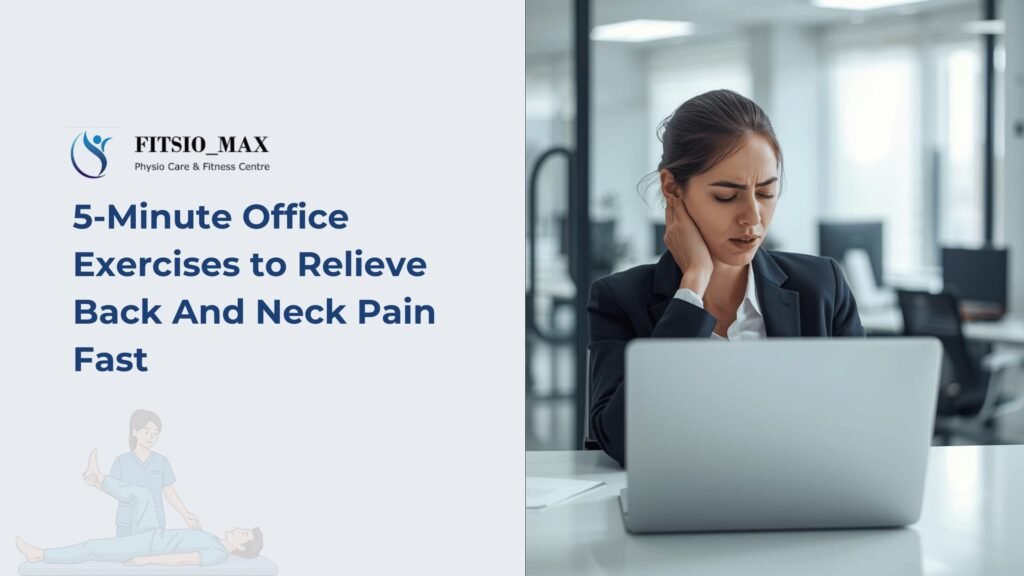
5-Minute Office Exercises to Relieve Back & Neck Pain Fast Introduction Sitting for long hours at a desk has become part of daily life, especially for office workers and professionals in Chennai. Long sitting time can place continuous pressure on the spine, neck, and shoulders. Without movement, the muscles slowly become stiff and weak, leading to discomfort, pain, and a reduced ability to work productively. Adding Office Exercises to Relieve Back and Neck Pain Fast into your routine helps prevent these issues before they become long-term problems. Over weeks and months, this stress can affect posture, breathing, concentration, and even mental well-being. The good news is that simple office exercises performed in just five minutes can provide fast relief, boost energy levels, and prevent long-term spine and muscle-related health problems.  Regularly practicing Office Exercises to Relieve Back and Neck Pain Fast is a simple and effective way to stay comfortable at work. Why Office Workers Experience Back and Neck Pain When you sit for long hours, your posture often changes without you noticing it. The head moves forward toward the screen, the shoulders round inward and the lower back loses its natural support. This change in alignment causes unnecessary stress on the neck and back muscles. Many employees in Chennai working in IT parks and corporate offices deal with these issues regularly. Practicing Office Exercises to Relieve Back and Neck Pain Fast reduces strain on the spine and lowers the risk of chronic discomfort. Neck Mobility Stretch Sit straight and gently tilt your head to one side bringing the ear closer to the shoulder. Hold this position for ten seconds and repeat on the other side. Then turn your head slowly to look over your shoulder and repeat on both sides. This stretch is one of the simplest Office Exercises to Relieve Back and Neck Pain Fast because it can be done while seated without any equipment. Desk Thoracic Rotation Sit upright with both feet placed flat on the floor. Keep your spine tall, place one hand across the opposite knee and rotate the upper body to the side. Hold briefly and repeat on the other side. This movement helps loosen the upper and mid-back muscles. It is an essential part of Office Exercises to Relieve Back and Neck Pain Fast for employees who spend long hours leaning toward a screen. Shoulder Blade Squeeze Sit or stand with a straight back. Pull your shoulders backward and squeeze the shoulder blades together for five seconds then release. Repeat this movement ten to twelve times. Including this exercise in Office Exercises to Relieve Back and Neck Pain Fast supports correct posture and helps reduce desk-related shoulder tension. Seated Cat and Cow Sit close to the edge of your chair with your hands on your knees. Slowly arch your back upward and then round it while bringing the chin inward. Repeat twelve to fifteen times. It is one of the most effective Office Exercises to Relieve Back and Neck Pain Fast because it improves spinal flexibility and reduces lower back pressure. Seated Leg March and Core Activation Sit tall and engage your abdomen by gently pulling the muscles inward. Lift your right knee up and then lower it back down followed by the left knee. Continue alternating for twenty to twenty-five repetitions. This should be added to Office Exercises to Relieve Back and Neck Pain Fast because it improves core activation and reduces the load on the spine. Posture Correction Tips for Office Workers Improving posture does not require much effort. Raising your laptop screen to eye level, keeping your feet flat, and using proper lower back support can make a big difference. When combined with Office Exercises to Relieve Back and Neck Pain Fast, these simple changes help prevent daily discomfort and improve long-term physical health. When to Seek Professional Physiotherapy Support If pain continues for more than a week or spreads to the arms or legs, or if numbness and sleep disturbances occur, professional assessment is needed. A physiotherapy center in Chennai like Fitsiomax provides customized plans that address the root cause of your pain and help restore active movement. Conclusion Office-related pain can reduce work efficiency and negatively impact daily life. Performing Office Exercises to Relieve Back and Neck Pain Fast throughout the day can relieve stress on your spine, improve posture, and prevent long-term issues. Seeking help from physiotherapy experts ensures safe recovery and better comfort during long working hours. Frequently Asked Questions 1. How can I relieve back pain while working long hours in the office? Doing quick office exercises like seated cat and cow, shoulder blade squeezes, and neck stretches every 30 to 45 minutes helps reduce stiffness and lower back pressure from long sitting hours. 2. What is the fastest way to reduce neck pain during office work? Keeping your screen at eye level and practicing simple neck mobility stretches for one minute multiple times a day reduces strain and improves posture immediately. 3. Can 5-minute office exercises really help desk workers in Chennai? Yes. Even short exercises improve blood flow, reduce muscle tension, and allow IT employees and corporate workers in Chennai to work comfortably without constant neck and back pain. 4.How often should I do these desk exercises during work?  Performing them two to three times a day or whenever stiffness appears ensures better mobility, posture alignment, and long-term comfort at your workplace. 5. Are office exercises enough to treat back and neck pain permanently?  These exercises provide relief, but long-lasting pain or numbness requires professional guidance from a physiotherapy center in Chennai like Fitsiomax to fix the root cause. 6. What should I do if my office chair causes back pain?  Adjust your chair height, support your lower back with a cushion, keep your feet flat on the floor, and take frequent movement breaks to avoid spine strain. 7. Where can I get physiotherapy for office-related neck and back pain in Chennai?  Fitsiomax in Chennai provides customized physiotherapy programs for posture correction,
workout injury prevention in Chennai
Blog

Top 5 Workout Mistakes You Must Avoid to Prevent Injuries

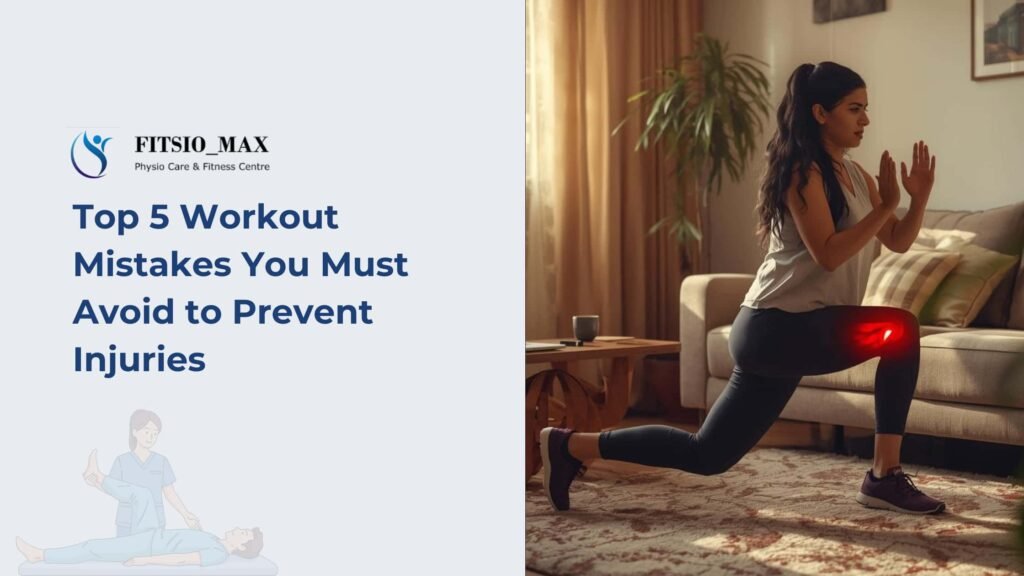
Top 5 Workout Mistakes You Must Avoid to Prevent Injuries Introduction Staying active is important, but many people unknowingly follow unsafe habits during exercise. As a physiotherapist practicing in Chennai, I see several preventable injuries every week caused by poor posture, lack of guidance, and improper training methods. With the right awareness and corrective steps, you can significantly improve your workout injury prevention in Chennai routine, stay consistent in your fitness journey, and avoid long-term joint or muscle problems. These mistakes often happen because individuals rush workouts, skip essential warm-up routines, or follow online videos without professional supervision, increasing injury risk. 1. Ignoring Warm-Up Routines – The Foundation of Safe Training Skipping warm-up may seem harmless, but it is one of the workout mistakes that cause injuries. A proper warm-up increases joint mobility, activates muscles, and prepares your heart for physical stress. Many clients who visit physiotherapy clinics with strains and sprains often admit to avoiding warm-up routines. This also connects to common warm-up mistakes before workout, such as jumping straight into heavy lifting or high-intensity training. You must follow proper warm-up techniques to reduce the risk of muscle pulls and joint stiffness. Warm-up prepares your body’s internal systems for safe movement and ensures a sustainable workout routine. 2. Using Wrong Form – The Silent Cause of Chronic Pain Many gym beginners focus on speed and lifting heavier weights rather than maintaining control. This leads to wrong exercise form injury risk, which often affects the lower back, shoulders, and knees. Gym trainers often see common gym mistakes beginners make in Chennai, especially when beginners try to copy advanced-level exercises seen on social media. Maintaining correct exercise posture during every movement ensures balance, proper muscle activation, and joint protection. If you already experience joint or muscle discomfort, refer to our Post Knee & Hip Recovery guide for structured rehabilitation and strengthening plans. 3. Lifting Too Heavy, Too Soon – Unsafe Strength Training Habits One of the biggest injury triggers is choosing weights beyond your current capacity. This usually leads to shoulder sprains, muscle tears, and severe back pain. You must watch for weightlifting mistakes for beginners Chennai, especially when performing exercises like deadlifts, bench presses, or overhead lifts. Women who train regularly must also avoid strength training mistakes women beginners, such as lifting without core activation or using improper breathing techniques. These mistakes increase fitness injury risks and can lead to long-term discomfort. Follow safe training habits like progressive overload, controlled tempo, and proper grip techniques. 4. Overtraining Without Rest – The Hidden Cause of Exhaustion & Pain Many fitness enthusiasts try to train every day, believing more exercise means faster results. But this leads to serious issues linked to overtraining mistakes signs such as fatigue, decreased performance, sleep issues, and persistent soreness. Your body needs recovery to build strength and improve flexibility. Overtraining weakens muscles and increases the chance of cardio mistakes that lead to injuries, especially from high-intensity running or improper treadmill usage. If you feel constant joint or muscle pain, explore our detailed resource on upper limb recovery:Wrist & Elbow Pain Relief 5. Poor Technique During Home Workouts – The Most Overlooked Mistake During home workouts, people often skip warm-up, use incorrect posture, or perform advanced exercises without proper guidance. This leads to severe strains and chronic joint issues. Be aware of home workout mistakes to avoid in Chennai, especially if you follow online workout videos. Two of the most commonly reported issues in physiotherapy clinics are: Incorrect squatting that leads to avoid knee pain during squats Overstretching or holding poses incorrectly resulting in stretching mistakes after workout Beginners should always follow beginner workout mistakes and solutions taught by certified physiotherapists or trainers. This ensures safer progress and protects your joints. Staying Safe During Workouts – Actionable Tips for Beginners Here are safe workout tips for beginners in Chennai recommended by experienced physiotherapists: Start with 5–8 minutes of warm-up Learn correct posture from a trainer or physiotherapist Progress weights slowly Hydrate before and after workouts Wear proper shoes Take 1–2 rest days every week Stop immediately if sharp pain occurs Following these habits will help you prevent shoulder injuries at the gym and maintain consistent progress. Conclusion Workout injuries are common but fully avoidable when you train with awareness, patience, and correct techniques. As a physiotherapist here in Chennai, I encourage everyone to focus on warm-ups, correct form, manageable weights, and recovery. With the right guidance, you can achieve long-term fitness without compromising your joint or muscle health. For professional help, visit the best physiotherapy clinic in Chennai.   Frequently Asked Questions 1. What is the best way to start workout injury prevention in Chennai? The best way to begin workout injury prevention in Chennai is by doing a proper warm-up, maintaining correct form, and increasing workout intensity slowly. This reduces strains, sprains, and long-term fitness injury risks. 2. How do common gym mistakes beginners make in Chennai lead to injuries? Beginners often copy advanced exercises, skip warm-ups, and use wrong posture. These common gym mistakes beginners make in Chennai create muscle imbalances, joint pressure, and unnecessary injuries. 3. How can I avoid wrong exercise form injury risk during training? Learn correct exercise posture from a trainer or physiotherapist, use controlled movements, and avoid lifting weights beyond your capacity. This prevents wrong exercise form injury risk in the gym. 4.What are the signs of overtraining mistakes I should watch for? Look for exhaustion, sleep disturbance, irritability, and reduced performance. These are clear overtraining mistakes signs that mean your body needs rest and recovery. 5. How do I avoid knee pain during squats at the gym? Use proper squat depth, keep knees aligned with toes, and activate your core. These steps help avoid knee pain during squats and improve safe training habits. 6. What cardio mistakes that lead to injuries should I avoid? Using incorrect treadmill incline, running too fast, skipping warm-up, or overstriding are cardio mistakes that lead to injuries. Follow proper warm-up techniques before starting. 7.

Daily Habits That Cause Shoulder Pain
Blog

Daily Habits That Cause Shoulder Pain & How to Prevent It

Daily Habits That Cause Shoulder Pain & How to Prevent It Introduction real reason is everyday lifestyle choices. Daily habits that cause shoulder pain include the way you sit, sleep, work on a laptop, drive, and even how you hold your mobile phone. These repeated actions slowly tighten the shoulder muscles, weaken posture, and strain the rotator cuff without any noticeable trauma. A qualified physiotherapist in Chennai would confirm that most shoulder issues are “lifestyle injuries.” The pain develops silently over months until it becomes difficult to lift your arm, lie on one side, or work comfortably. Hidden Everyday Habits That Secretly Damage Your Shoulder Small repetitive actions can create large long-term discomfort. Poor posture, side sleeping, screen use, and wrong driving posture are the biggest culprits. For example, slouching leads to shoulder pain from poor posture, while texting with bent elbows creates shoulder pain due to mobile use. Working without proper ergonomics triggers shoulder pain from laptop work, and gripping the steering wheel too tightly increases shoulder pain during driving. Even sleeping with the arm under your head can trigger shoulder stiffness from sleeping wrong, causing nerve compression and tightness near the shoulder joint. Why Your Shoulder Hurts Even Without an Injury Shoulder pain does not always need an accident or heavy workout to occur. When harmful habits continue for many months, muscles weaken and joints overcompensate. This creates imbalance, stiffness, inflammation, and pain. This gradual strain affects the rotator cuff, demanding rotator cuff pain relief through guided mobility, stretching, and posture correction. If left untreated, tightness may progress into frozen joint movement where frozen shoulder physiotherapy becomes necessary. This is why physiotherapy for shoulder pain in Chennai has become essential among office workers, drivers, homemakers, and gym beginners. Simple Lifestyle Fixes That Protect Your Shoulder Joint You can reverse most daily habits that cause shoulder pain with minor lifestyle changes: 🔹 Keep laptop screens at eye level🔹 Support arms while typing🔹 Hold mobile at shoulder height🔹 Avoid leaning on elbows🔹 Hug a pillow to support shoulders during sleep🔹 Adjust car seats and loosen grip These are core ergonomic tips for shoulder health recommended in clinical treatments. Stop Making These Gym & Workout Mistakes Gym errors are one of the most ignored causes of shoulder pain. Many people develop shoulder pain exercise mistakes because they copy online workouts without technique. Heavy overhead lifting without warm-up puts extreme pressure on shoulder tendons. Incorrect bench press and planks can strain the neck and deltoids. Before beginning strength training, physiotherapists recommend: ✔ Warm up the rotator cuff✔ Avoid heavy loads overhead✔ Correct posture in every repetition✔ Strengthen stabilizer muscles These techniques allow physiotherapy exercises for shoulder pain to work safely and prevent tears. When Is Shoulder Pain a Sign You Need Physiotherapy? If pain persists longer than 1–2 weeks or restricts daily movements, it’s time to seek help. Conditions needing treatment include: 🔻 Difficulty lifting arm🔻 Pain at night🔻 Weak grip🔻 Sharp pain on rotation🔻 Numbness in fingers To avoid surgery, people often choose shoulder pain treatment without surgery through targeted mobility and strengthening. Booking a shoulder pain physiotherapy consultation at the best physiotherapy clinic in Chennai ensures personalized recovery. Home Advice from a Chennai Physiotherapist to Keep Shoulders Pain-Free Home care can reduce stiffness temporarily, but it should match your pain type. Apply heat, avoid heavy lifting, and follow shoulder pain home remedies only after identifying the cause. Your therapist may prescribe stretches and how to avoid shoulder pain daily habits such as: ✔ Posture correction✔ Controlled mobility exercises✔ Balanced back and shoulder strengthening✔ Relaxation before sleep✔ Ergonomic adjustments at work Combined with shoulder pain prevention tips, these reduce long-term inflammation and protect joint movement. Conclusion Neglecting minor stiffness today can turn into chronic pain tomorrow. Most cases of shoulder pain aren’t sudden injuries. they’re the result of daily habits that cause shoulder pain repeated for months. By correcting posture, improving sleeping and working habits, and exercising responsibly, you protect your shoulder’s strength and movement. If Pain persists, consulting physiotherapy in Chennai can restore mobility and avoid surgery. Your shoulders support every movement. Treat them with care. Frequently Asked Questions 1. Why do I get shoulder pain without any injury? Most people experience shoulder pain due to lifestyle habits like wrong sleeping posture, slouching, mobile overuse, or poor laptop ergonomics. These habits strain the rotator cuff and shoulder muscles over time. 2. Can sleeping position cause shoulder stiffness? Yes. Shoulder stiffness from sleeping wrong happens when you sleep on one side, place your arm under your head, or use a low pillow. These positions compress nerves and tighten shoulder muscles. 3. How does mobile phone use cause shoulder pain? Texting with bent elbows and a forward neck posture causes shoulder pain due to mobile use. Holding the phone below eye level increases shoulder strain and tightens upper back muscles. 4.Can laptop work cause shoulder pain even if I sit straight? Yes. Even with straight posture, unsupported arms, low screen height, and prolonged typing can trigger shoulder pain from laptop work due to continuous pressure on shoulder stabilizer muscles. 5. When should I visit a physiotherapist for shoulder pain? If pain lasts more than 1–2 weeks, limits arm lifting, disturbs sleep, or causes numbness, consult shoulder pain physiotherapy in Chennai for early treatment and to avoid surgery. 6. Do gym mistakes cause shoulder pain? Yes. Heavy overhead lifting, wrong bench press posture, and skipping warm-ups lead to rotator cuff pain. Strengthening stabilizer muscles and guided physiotherapy prevent injury. 7. How can I prevent shoulder pain in daily life? Follow shoulder pain prevention tips such as keeping screens at eye level, using a pillow for support during sleep, loosening driving grip, and practicing posture correction exercises. Most people experience shoulder pain due to lifestyle habits like wrong sleeping posture, slouching, mobile overuse, or poor laptop ergonomics. These habits strain the rotator cuff and shoulder muscles over time. Yes. Shoulder stiffness from sleeping wrong happens when you sleep on one side, place your

Exercise During Period Pain
Blog

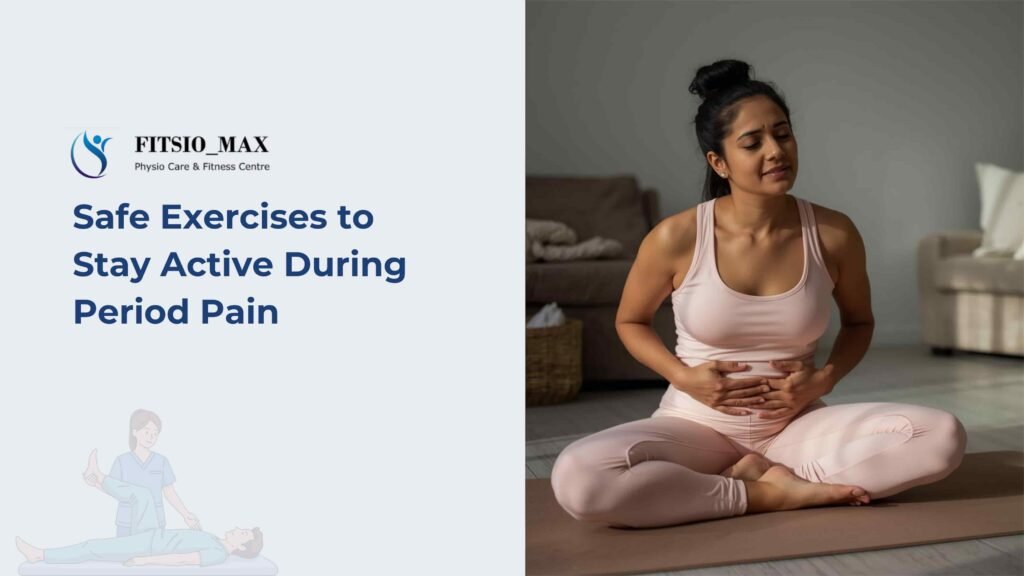
Safe Exercises to Stay Active During Period Pain

Safe Exercises to Stay Active During Period Pain Introduction Many women pause all physical activity during their menstrual cycle. but here’s the truth: the right exercise during period pain doesn’t worsen cramps, it actually reduces them. Most period discomfort is caused by tight pelvic muscles, hormonal changes, and altered posture from bloating or fatigue. Instead of complete rest, physiotherapy recommends slow movement, controlled breathing, and gentle pelvic strength training to relax pressure inside the lower abdomen. With proper guidance, staying active becomes one of the most powerful ways to manage menstrual discomfort naturally.   If painful periods often disturb your routine, this guide offers safe exercises during menstruation, expert physio tips, and when to seek professional support. especially if you live in Chennai and prefer women-focused care. Is It Safe to Exercise During Period Pain? Yes. Physiotherapists strongly support doing a guided exercise during period pain because movement boosts circulation in the pelvic area. This increases oxygen supply, releases muscle tension, and reduces cramping. Women who follow menstrual cramps relief physiotherapy often report lighter pain, fewer mood swings, and less irritation. When there is lower back pain during period, it usually indicates excessive tension in the uterus-supporting muscles and pelvic floor. That’s why posture correction and breathing form a major part of physiotherapy for menstrual cramps, especially for women with PCOS, endometriosis, or severe spasms. auses your muscles to become stiff. This triggers pain messages to the brain and increases anxiety. Physiotherapy for stress relief breaks this cycle through targeted manual therapy, relaxation exercises, and guided movement. The purpose of physiotherapy is to restore balance by improving your breathing, posture, bone alignment, and muscle flexibility. Once the body relaxes, the mind follows. Best Safe Exercises During Menstruation 1. Gentle Stretching to Ease Pelvic Tightness Stretching triggers immediate relaxation in uterus-supporting muscles. Ideal period pain stretches include: Cat-Cow Pose – relieves pelvic and lumbar tightness Child’s Pose – calms abdominal spasms Knee-to-Chest Stretch – reduces radiating cramps Pelvic Tilt Stretch – improves blood flow to uterus These are the first recommended period pain exercises at home because they reduce discomfort without straining your core. 2. Light Exercises for Cramp Relief Low-impact movement prevents stiffness. Try: Slow walking (10–15 minutes) Light stationary cycling Deep-breathing with simple leg stretches These light exercises for period cramps support hormonal balance and reduce fatigue. Remember: the goal is movement, not performance. 3. Yoga for Menstrual Pain Relief Physiotherapist-guided yoga for menstrual pain relief stimulates deep pelvic relaxation. Best poses include: Reclining Butterfly Supported Bridge (using a pillow) Supine Twist These gentle workouts during period pain also improve mental wellness and reduce anxiety. 4. Pelvic Floor Physiotherapy Many women experience severe cramps due to tight pelvic muscles. In such cases, pelvic floor physiotherapy Chennai offers manual therapy, diaphragmatic breathing training, and pelvic strengthening. Exercises to Avoid During Period Pain Avoid: High-impact cardio Heavy weightlifting Advanced yoga inversions Intense abdominal workouts These movements increase pelvic pressure and interfere with period pain management exercise benefits. If pain worsens during exercise, pause immediately and follow home physio tips for period pain like heat therapy and deep breathing. How Physiotherapy Helps Women With Severe Cramps Women with chronic cramps benefit from women’s health physiotherapy India, especially when pain is linked to posture or pelvic tightness. Physiotherapists help by:  Correcting posture Releasing deep muscle tension Applying heat + manual therapy  Relieving spasms with pelvic pain physiotherapy Prescribing safe movement plans    Conclusion Women deserve relief beyond painkillers and rest. With the right exercise during period pain, posture guidance, breathing control, and physiotherapy, menstrual cramps become more manageable naturally. Instead of stopping movement completely, choose slow, gentle, and mindful exercises. If pain disrupts your routine every month, consulting a women-focused physiotherapist is the most empowering step toward pain-free periods. Frequently Asked Questions 1. Is it safe to exercise during period pain? Yes. Doing exercise during period pain increases blood flow, relieves pelvic tightness, and reduces cramping. Guided physiotherapy-based movement is safe and improves hormonal balance. 2. What exercises are best for period pain relief? The best period pain exercises at home include Cat-Cow Stretch, Child’s Pose, Pelvic Tilt, and Knee-to-Chest Stretch. These reduce pelvic tension and lower back pain during periods. 3. Can I do yoga during menstruation for pain relief? Yes. Yoga for menstrual pain relief such as Reclining Butterfly, Supported Bridge, and Supine Twist relax pelvic muscles and reduce cramps while calming the mind. 4.Which exercises should be avoided during periods? Avoid intense abdominal workouts, heavy weightlifting, advanced inversions, and high-impact cardio. These increase pelvic pressure and worsen cramps during menstruation. 5. How does physiotherapy help in severe menstrual cramps? Physiotherapy for menstrual cramps corrects posture, releases tight pelvic muscles, improves breathing patterns, and uses manual therapy to relieve long-term or severe pain. 6. Does pelvic floor physiotherapy reduce period pain? Yes. Pelvic floor physiotherapy Chennai improves muscle relaxation, reduces spasms, and supports uterine movement. It is especially effective for PCOS, endometriosis, and chronic cramps. 7. What are quick home physiotherapy tips for period pain? Apply heat before stretching, do diaphragmatic breathing, stay hydrated, avoid junk food, and choose slow, gentle movement. These period wellness exercises support faster recovery. Yes. Doing exercise during period pain increases blood flow, relieves pelvic tightness, and reduces cramping. Guided physiotherapy-based movement is safe and improves hormonal balance. The best period pain exercises at home include Cat-Cow Stretch, Child’s Pose, Pelvic Tilt, and Knee-to-Chest Stretch. These reduce pelvic tension and lower back pain during periods. Yes. Yoga for menstrual pain relief such as Reclining Butterfly, Supported Bridge, and Supine Twist relax pelvic muscles and reduce cramps while calming the mind. Avoid intense abdominal workouts, heavy weightlifting, advanced inversions, and high-impact cardio. These increase pelvic pressure and worsen cramps during menstruation. Physiotherapy for menstrual cramps corrects posture, releases tight pelvic muscles, improves breathing patterns, and uses manual therapy to relieve long-term or severe pain. Yes. Pelvic floor physiotherapy Chennai improves muscle relaxation, reduces spasms, and supports uterine movement. It is especially effective for PCOS, endometriosis, and chronic cramps.

Physiotherapy for Stress Relief
Blog

 Physiotherapy for Stress Relief Yes, It Really Helps!

Physiotherapy for Stress Relief ! Yes, It Really Helps! Introduction Stress has become part of modern life. Long working hours, anxiety, poor posture, and lifestyle changes increase mental tension, which eventually affects the body. Tight neck muscles, back pain, headaches, fatigue, and insomnia are common signs of stress. The good news? Physiotherapy for stress relief acts as both a physical and emotional healer. By improving muscle relaxation, circulation, posture, breathing, and physical movement, physiotherapy reduces anxiety and helps your body return to its natural calm state. If you’ve ever wondered, what’s physiotherapy or is physiotherapy painful?, you’ll be surprised to learn that it is a gentle, science-based approach that improves both mind and body. How Physiotherapy Reduces Stress and Mental Tension Chronic stress causes your muscles to become stiff. This triggers pain messages to the brain and increases anxiety. Physiotherapy for stress relief breaks this cycle through targeted manual therapy, relaxation exercises, and guided movement. The purpose of physiotherapy is to restore balance by improving your breathing, posture, bone alignment, and muscle flexibility. Once the body relaxes, the mind follows. Benefits of Physiotherapy for Stress Relief Here are the key benefits of physiotherapy that support emotional well-being: Relaxes tight muscles caused by stress Improves sleep by reducing discomfort Boosts blood circulation and oxygen supply Reduces headaches and neck stiffness Improves posture and reduces work-related pain Releases endorphins, the body’s happy hormones Helps control panic attacks with guided breathing Physiotherapy Treatment List for Stress & Anxiety A professional physiotherapist may use one or multiple treatments based on your body condition. Below is a physiotherapy treatment list commonly used for stress relief: Treatment Name How It Helps Massage Therapy Relaxes tight muscles, improves sleep Stretching & Mobility Work Releases muscle stiffness IFT Therapy Reduces pain and improves circulation Breathing Exercises Calms the nervous system Yoga-Based Physiotherapy Relieves anxiety with movement Posture Correction Reduces neck/back tension IFT physiotherapy benefits play a big role in reducing chronic stress by calming nerve signals and improving blood flow. If you have questions like how to do physiotherapy or physiotherapy is good or bad, a certified therapist can guide you safely. What Do Physiotherapists Do for Stress Relief? Many people ask, what do physiotherapists do beyond pain treatment? Physiotherapists assess how stress affects your muscles, breathing, mobility, and posture, then design a customized PT management plan. They may also provide physiotherapy management tips for your lifestyle, posture, and exercise therapy. They follow scientific principles of exercise therapy to ensure safe healing. Why You Must Choose Physiotherapy Instead of Painkillers Painkillers may give quick relief, but stress comes back if the root cause is not treated. Physiotherapy targets muscle tension, posture issues, and the nervous system helping you heal naturally. If you’re searching for information about physiotherapy or physiotherapy details, remember: healing should not be temporary. Why You Must Choose Physiotherapy Instead of Painkillers Neck and shoulder stiffness TMJ jaw tightness Headaches & migraines Chronic fatigue Insomnia Posture-related back pain Conclusion Stress affects your health more than you realize, but the solution is simple, scientific, and natural. Physiotherapy for stress relief helps calm your nervous system, improve posture, enhance breathing, and release physical tension that is directly linked to anxiety. With proper support, movement, and treatment, your body can reset itself without medication or fear. Frequently Asked Questions 1. Can physiotherapy help reduce stress and anxiety? Yes. Physiotherapy for stress relief reduces muscle tension, improves circulation, and promotes deep breathing, which calms the nervous system and lowers anxiety naturally. 2.How does physiotherapy help in stress management? Physiotherapy helps manage stress through massage therapy, posture correction, breathing exercises, and IFT physiotherapy benefits. These treatments relax muscles, reduce pain, and improve sleep quality. 3. What are the best physiotherapy treatments for stress relief? The best physiotherapy treatments for stress relief include relaxation massage, stretching and mobility exercises, posture correction therapy, breathing exercises, and IFT physiotherapy benefits for calming nerve signals. 4.Is physiotherapy good for insomnia caused by stress? Yes. Physiotherapy for stress and fatigue improves sleep by reducing muscle tightness, headaches, nerve irritation, and posture-related discomfort that disrupts rest. 5. Can physiotherapy manage stress-related headaches and neck pain? Absolutely. Physiotherapy reduces neck stiffness, jaw tension, and posture-related pain. Physiotherapy for headache and neck stiffness includes mobilization, stretching, and relaxation therapy. 6. Is physiotherapy painful for stress relief treatment? No. Stress relief physiotherapy uses gentle, soothing techniques like breathing therapy, soft tissue massage, and posture correction. It is mild, relaxing, and scientifically designed to heal comfortably. 7. Should I take painkillers or choose physiotherapy for stress pain? Physiotherapy is better for long-term relief because it treats the root cause of stress-related pain. Painkillers offer temporary relief, while physiotherapy naturally corrects muscle tension, posture, and breathing. Yes. Physiotherapy for stress relief reduces muscle tension, improves circulation, and promotes deep breathing, which calms the nervous system and lowers anxiety naturally. Physiotherapy helps manage stress through massage therapy, posture correction, breathing exercises, and IFT physiotherapy benefits. These treatments relax muscles, reduce pain, and improve sleep quality. The best physiotherapy treatments for stress relief include relaxation massage, stretching and mobility exercises, posture correction therapy, breathing exercises, and IFT physiotherapy benefits for calming nerve signals. Yes. Physiotherapy for stress and fatigue improves sleep by reducing muscle tightness, headaches, nerve irritation, and posture-related discomfort that disrupts rest. Absolutely. Physiotherapy reduces neck stiffness, jaw tension, and posture-related pain. Physiotherapy for headache and neck stiffness includes mobilization, stretching, and relaxation therapy. No. Stress relief physiotherapy uses gentle, soothing techniques like breathing therapy, soft tissue massage, and posture correction. It is mild, relaxing, and scientifically designed to heal comfortably. Physiotherapy is better for long-term relief because it treats the root cause of stress-related pain. Painkillers offer temporary relief, while physiotherapy naturally corrects muscle tension, posture, and breathing.

Physiotherapy for Knee Pain in Chennai
Blog

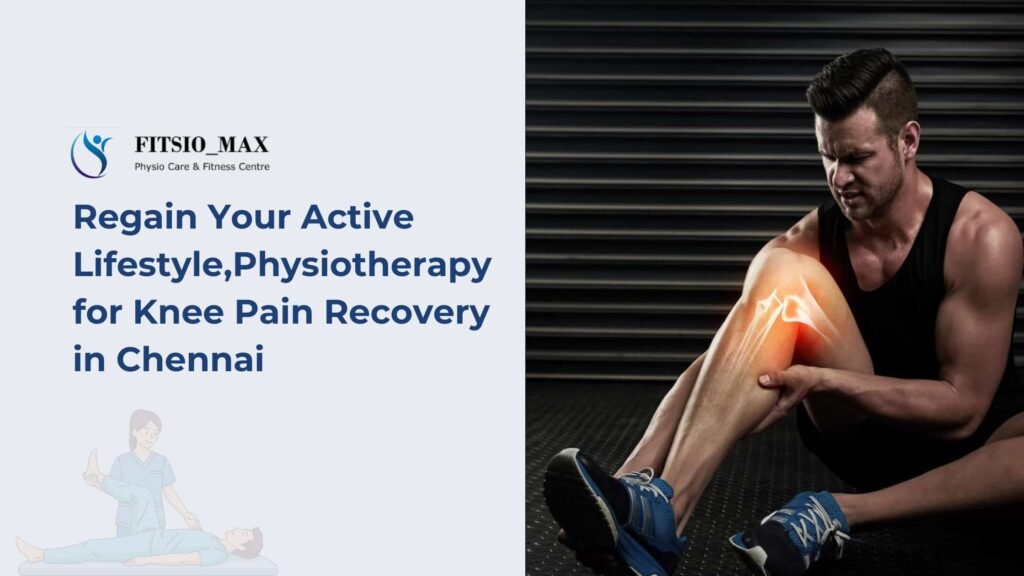
Regain Your Active Lifestyle,Physiotherapy for Knee Pain Recovery in Chennai

Regain Your Active Lifestyle,Physiotherapy for Knee Pain Recovery in Chennai Introduction Living with knee pain can be frustrating, limiting your ability to walk, climb stairs, or enjoy your favorite fitness routine. At Fitsiomax, we understand how pain can affect your daily life and overall confidence. That’s why we offer specialized physiotherapy for knee pain in Chennai, focused on restoring movement, improving strength, and helping you live pain-free again. Our certified physiotherapists use evidence-based methods to identify the root cause of your pain  whether it’s an old injury, arthritis, or joint wear and tear. Through personalized treatment sessions, advanced therapy tools, and one-on-one guidance, we ensure that your recovery is safe, natural, and long-lasting.   If you’re also dealing with stiffness or lower back pain, check out our Back Pain Physiotherapy in Chennai and Sports Injury Physiotherapy programs that promote full-body balance and mobility. Understanding Knee Pain and Its Common Causes Knee pain can develop due to a variety of reasons, from lifestyle habits to medical conditions. Common causes include ligament injuries, muscle weakness, overuse, or incorrect exercise techniques. Some people experience pain due to osteoarthritis, while others may face discomfort after a fall, surgery, or sports-related strain. Ignoring these symptoms can make the condition worse, reducing mobility and leading to chronic pain. Our physiotherapy clinic in Chennai is equipped with advanced tools and professional therapists who focus on identifying the exact cause of your knee pain. We tailor each treatment plan to your body type, age, and level of activity for the best results. At Fitsiomax, we use knee rehabilitation exercises that rebuild joint stability, improve muscle balance, and prevent further strain. These exercises also strengthen the surrounding muscles to ensure long-term support and reduce the risk of reinjury. How Physiotherapy Helps in Knee Pain Recovery Physiotherapy is one of the most effective, non-invasive solutions for knee pain relief. A structured treatment plan helps restore normal movement, rebuild strength, and reduce inflammation naturally. Our expert physiotherapists use a combination of advanced manual therapy, ultrasound, dry needling, and taping techniques to enhance recovery. In addition, knee strengthening physiotherapy focuses on muscle activation, flexibility, and improved joint coordination. This helps you regain full function while protecting your knees from further damage. If you’ve undergone surgery, our post-surgery recovery physiotherapy sessions are designed to help you heal faster and regain complete mobility. Our team works closely with your doctor to monitor progress and ensure that you recover safely without any complications. At Fitsiomax, every session is customized to your specific needs  whether it’s pain management physiotherapy, mobility improvement therapy, or strength training for long-term results. Benefits of Physiotherapy for Knee Pain Physiotherapy provides both short-term and long-term benefits. In the short term, it helps reduce pain, swelling, and stiffness, allowing smoother movement. Over time, it builds joint endurance and flexibility, improving your overall posture and performance. At Fitsiomax Physiotherapy and Fitness Studio, we’ve helped countless clients overcome chronic pain through personalized care. Our joint pain physiotherapy program focuses on correcting movement patterns, reducing inflammation, and preventing recurring pain. Many clients also choose to combine their treatment with sports injury physiotherapy for enhanced recovery and athletic performance. Our approach doesn’t stop at treating pain we aim to empower you with the right exercises, techniques, and knowledge to stay active for life. Regular sessions can also improve your confidence, making everyday activities like walking, climbing stairs, and bending your knees easier and more comfortable. Lifestyle Tips for Maintaining Knee Health To maintain your knee health, consistency is key. Practicing your knee rehabilitation exercises regularly can keep your joints flexible and strong. Always warm up before workouts, wear proper footwear, and maintain a healthy body weight to reduce stress on your knees. Our therapists at Fitsiomax also recommend including mobility improvement therapy sessions at least once a month to keep your joints functioning efficiently. A balanced routine of stretching, low-impact exercises like swimming or cycling, and posture correction can go a long way in preventing knee pain from returning. If you feel any discomfort while training, don’t ignore it. Early pain management physiotherapy can prevent a small issue from turning into a long-term condition. Conclusion Knee pain doesn’t have to stop you from leading an active, fulfilling, and healthy life. With expert physiotherapy for knee pain in Chennai, you can naturally restore flexibility, strength, and joint stability without depending on surgery or heavy painkillers. Our specialized physiotherapists focus on long-term recovery through safe, science-backed techniques designed to rebuild your confidence and mobility at your own pace. At Fitsiomax Physiotherapy and Fitness Studio, we are dedicated to helping you move better, recover faster, and live completely pain-free through personalized treatment plans and advanced therapy sessions. Take the first step toward lasting comfort, health, and confidence today. Frequently Asked Questions 1. How does physiotherapy help in knee pain recovery? Physiotherapy for knee pain in Chennai focuses on reducing inflammation, improving mobility, and strengthening the knee through targeted exercises, manual therapy, and pain-relief techniques like ultrasound or taping. 2.What are the best physiotherapy treatments for knee pain? Effective knee pain physiotherapy treatment includes strengthening exercises, joint mobilization, ultrasound therapy, dry needling, and taping. These methods help restore stability and reduce recurring knee pain. 3. Can physiotherapy cure knee pain without surgery? Yes. Most cases improve with knee strengthening physiotherapy and mobility training. Surgery is only recommended when pain is caused by severe structural damage. Physiotherapy helps restore function naturally. 4.Do knee rehabilitation exercises really help? Absolutely. Knee rehabilitation exercises strengthen the muscles supporting your knee, improving balance, reducing pain, and preventing reinjury. Consistency is key to long-term results. 5. When should I visit a physiotherapist for knee pain? If knee pain lasts longer than a week, worsens while walking, or affects stair climbing, consult a physiotherapist immediately. Early knee pain treatment in Chennai prevents long-term joint issues. 6. Is physiotherapy helpful after knee surgery? Yes. Post-surgery knee physiotherapy restores movement, reduces swelling, and strengthens muscles safely. It helps you regain full mobility faster while preventing stiffness and muscle weakness.

Physiotherapy for Frozen Shoulder
Blog

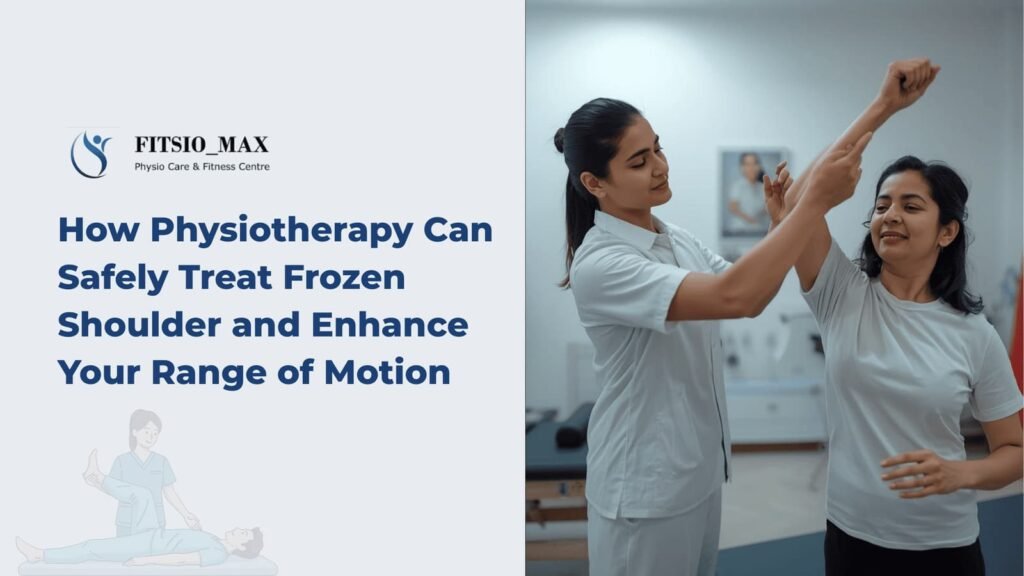
How Physiotherapy Can Safely Treat Frozen Shoulder and Enhance Your Range of Motion

How Physiotherapy Can Safely Treat Frozen Shoulder and Enhance Your Range of Motion Introduction If you’re struggling to lift your arm, wear your shirt, or even reach overhead without discomfort, you might be experiencing frozen shoulder a condition that causes stiffness, pain, and limited motion in your shoulder joint.The good news? Physiotherapy for frozen shoulder offers one of the safest and most effective ways to restore flexibility, reduce pain, and bring back your normal range of motion. Unlike quick fixes or temporary pain relief methods, physiotherapy focuses on long-term healing through guided movements, manual therapy, and customized frozen shoulder exercises. Whether you’re in the early stages of pain or advanced stiffness, a personalized treatment plan can make a world of difference. Let’s explore how physiotherapy helps at each stage of recovery and what you can do to accelerate your shoulder’s return to full mobility. Understanding Frozen Shoulder and Its Stages Frozen shoulder, also called adhesive capsulitis or periarthritis shoulder, occurs when the capsule surrounding the shoulder joint thickens and tightens, restricting movement. It often develops gradually and follows four distinct stages: Freezing Stage: Pain increases, and shoulder movement starts to decrease. Frozen Stage: Pain may reduce, but stiffness remains, severely limiting mobility. Thawing Stage: Gradual improvement in range of motion begins. Recovery Stage: Shoulder movement returns to near normal levels with consistent exercises. Recognizing these 4 stages of frozen shoulder helps your physiotherapist design the right treatment plan at the right time. How Physiotherapy Treats Frozen Shoulder Safely 1. Manual Therapy for Pain Relief A physiotherapist uses gentle mobilization techniques to loosen the joint capsule and improve flexibility. These movements stimulate circulation and help relieve inflammation without causing strain. 2. Customized Exercise Programs A key part of frozen shoulder physiotherapy treatment includes specific stretching and strengthening routines designed to restore motion safely. Common exercises for frozen shoulder include: Pendulum swings Cross-body stretches Towel stretches External and internal rotation exercises These movements are performed gradually under professional guidance to prevent aggravation. 3. Heat and Cold Therapies Using hot packs before therapy sessions helps relax tight muscles, while ice packs post-exercise can reduce swelling and pain. 4. Electrical Stimulation & Ultrasound Therapy Modern physiotherapy clinics use frozen shoulder therapies like ultrasound and TENS to speed up tissue healing and improve blood flow. Frozen Shoulder Self-Care Tips for Faster Recovery Physiotherapy sessions are vital, but consistent self-care can enhance your healing progress. Here are some frozen shoulder self-care strategies: Apply heat before exercises to improve muscle flexibility. Do light mobility exercises daily under physiotherapist supervision. Maintain good posture to prevent strain on the shoulder. Avoid sudden, jerky shoulder movements. Stay consistent even small progress counts!For additional at-home guidance, check out our article on Posture Correction Therapy and Muscle & Joint Pain Relief at Fitsiomax. Why Choose Physiotherapy Over Quick Fixes Many people search for “frozen shoulder cures in 1 minute,” but the reality is this condition takes patience and professional care. Physiotherapy not only treats symptoms but also addresses the root cause: the stiff joint capsule and surrounding soft tissue tightness. With personalized therapy, progress may be gradual, but it’s safe, lasting, and restores natural movement without medication dependency. When to Visit a Physiotherapist If your shoulder pain persists for more than a few weeks, or if daily activities like combing hair or reaching overhead become painful, it’s time to visit a physiotherapist. Early intervention prevents stiffness from worsening and reduces recovery time significantly. At Fitsiomax Physiotherapy Clinic in Chennai, our experienced team designs customized recovery plans that suit your lifestyle and stage of healing. Conclusion Frozen shoulder can feel frustrating but with the right physiotherapy approach, recovery is completely achievable. Regular sessions, guided frozen shoulder physiotherapy treatment, and proper self-care can help you regain mobility, strength, and confidence in your movements. Don’t wait for the stiffness to worsen start your recovery journey today. Book your consultation at Fitsiomax Clinic, Chennai and take the first step toward pain-free, flexible shoulders. Frequently Asked Questions 1.Can physiotherapy effectively treat frozen shoulder? Yes, physiotherapy is one of the safest and most effective treatments for frozen shoulder. It helps reduce pain, improve shoulder mobility, and gradually restore the range of motion through guided exercises and manual therapy. 2.Where can I get physiotherapy treatment for frozen shoulder in Chennai? You can get physiotherapy treatment for frozen shoulder in Chennai at a specialized physiotherapy clinic that offers personalized shoulder rehabilitation programs based on the stage of the condition. 3.How does physiotherapy improve range of motion in frozen shoulder? Physiotherapy improves range of motion by using gentle stretching, joint mobilization, and strengthening exercises that gradually loosen the stiff shoulder joint and surrounding muscles. 4.Is physiotherapy near me safe for frozen shoulder pain relief? Yes, physiotherapy near you is safe for frozen shoulder when guided by a trained physiotherapist. Nearby clinics help ensure consistent sessions, close monitoring, and faster recovery. 5. Do I need a physiotherapist to treat frozen shoulder? Yes, a physiotherapist is essential for frozen shoulder treatment to ensure exercises are performed safely and at the correct intensity, reducing pain and preventing further stiffness. 6. How long does physiotherapy take to recover from frozen shoulder? Frozen shoulder recovery through physiotherapy typically takes several weeks to a few months, depending on the severity and consistency of treatment, with gradual improvement in movement and pain reduction. 7.How can I book a physiotherapy consultation in Chennai for frozen shoulder? You can book a physiotherapy consultation in Chennai for frozen shoulder by contacting a local physiotherapy clinic via phone, WhatsApp, or online appointment booking to start a personalized treatment plan. Yes, physiotherapy is one of the safest and most effective treatments for frozen shoulder. It helps reduce pain, improve shoulder mobility, and gradually restore the range of motion through guided exercises and manual therapy. You can get physiotherapy treatment for frozen shoulder in Chennai at a specialized physiotherapy clinic that offers personalized shoulder rehabilitation programs based on the stage of the condition. Physiotherapy improves range of motion by using gentle stretching, joint

Cervical-Spondylosis
Blog

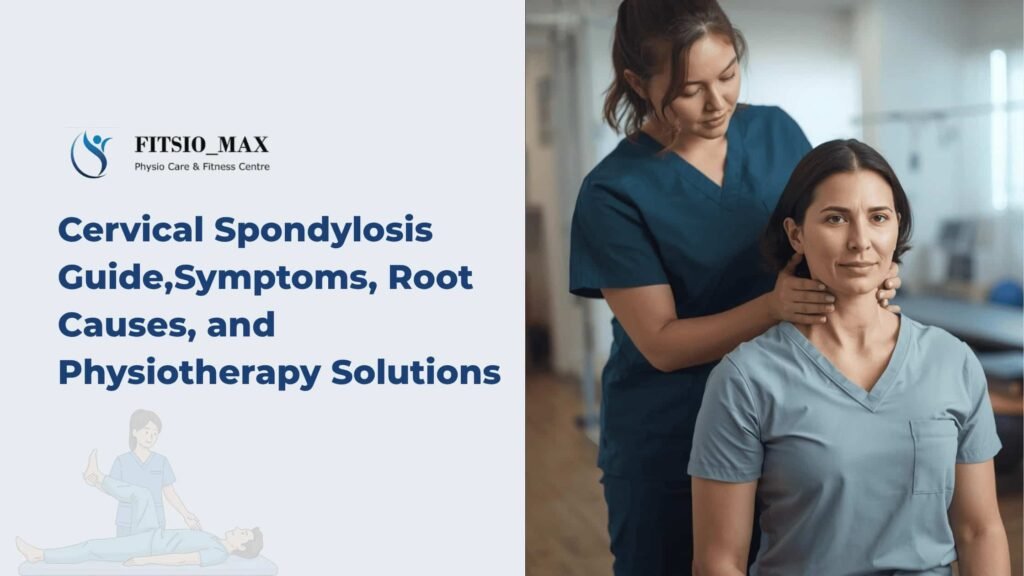
Cervical Spondylosis Guide,Symptoms, Root Causes, and Physiotherapy Solutions

Cervical Spondylosis Guide,Symptoms, Root Causes, and Physiotherapy Solutions Introduction If you’re struggling with constant neck stiffness, headaches, or shoulder pain, you may be dealing with Cervical Spondylosis  a condition that affects the spinal discs in your neck. The most effective, non-surgical solution for long-term relief is Cervical Spondylosis Physiotherapy Treatment. This treatment focuses on improving mobility, strengthening muscles, and correcting posture to reduce pain. At Fitsiomax Physiotherapy & Fitness, Chennai, we offer specialized programs designed to restore balance and comfort for patients of all ages.   If you’re experiencing female cervical pain symptoms, early physiotherapy intervention can help prevent the need for advanced Cervical Spondylosis C5-C6 treatment. What is Cervical Spondylosis? Cervical Spondylosis is a degenerative condition of the cervical spine that causes pain, stiffness, and nerve compression. It’s similar to Lumbar Spondylosis, which affects the lower back, but this version targets the neck region. In simple terms, what is spondylosis? It’s a gradual wearing down of the vertebrae, discs, and joints. This can lead to pressure on the spinal cord and nerve roots, resulting in radiating pain or numbness. Modern studies, including those from Cervical Spondylosis Physiopedia, highlight the importance of posture correction, regular exercise, and professional physiotherapy as the most effective treatment strategy. Causes of Cervical Spondylosis Common causes include: Poor posture from long hours on computers or phones Age-related disc dehydration Neck injuries or repetitive strain Sedentary lifestyle and weak neck muscles Genetic factors Ignoring these can lead to chronic pain and the need for advanced Cervical Spondylosis Physiotherapy Treatment. Symptoms You Shouldn’t Ignore Typical Cervical Spondylosis symptoms include: Persistent neck pain and stiffness Tingling or numbness in shoulders or arms Headaches that start at the base of the skull Reduced neck mobility Weakness in arms and grip strength An X-ray cervical spondylosis or MRI may be recommended to confirm the diagnosis and check for disc compression. Cervical Spondylosis Physiotherapy Treatment ,Your Path to Recovery At Fitsiomax, our Cervical Spondylosis Physiotherapy Treatment program targets the root cause of your pain through personalized care. Physiotherapy helps restore neck strength, improve flexibility, and prevent future flare-ups. Core Physiotherapy Techniques Include: Posture Correction Therapy – to reduce daily strain. Manual Therapy & Joint Mobilization – for stiffness relief and better movement. Heat & Ultrasound Therapy – for inflammation and muscle relaxation. Cervical Spondylosis Exercises – to strengthen deep neck muscles and improve endurance. Home Exercise Program – guided sessions via our Fitsiomax online physiotherapy platform. Our goal is to provide lasting relief without surgery, using scientific methods and advanced physiotherapy equipment. Cervical Spondylosis Exercises You Can Try at Home Here are a few gentle Cervical Spondylosis Exercises approved by our physiotherapists: Neck rotations (clockwise & anti-clockwise) Chin tucks to strengthen cervical alignment Shoulder shrugs for posture correction Isometric neck holds to support spine stability Combine these with ergonomic adjustments to your workspace for maximum benefit. You can also explore Posture Correction Therapy at Fitsiomax for guided rehabilitation. How to Cure Cervical Spondylosis Permanently? Wondering how to cure cervical spondylosis permanently? While complete reversal isn’t possible, consistent Cervical Spondylosis Physiotherapy Treatment can help you live pain-free. At Fitsiomax Anna Nagar Chennai, we combine manual therapy, spinal decompression, and posture correction to reduce nerve compression and promote long-term healing. Remember  early physiotherapy intervention can eliminate the need for surgical C5-C6 treatment and prevent worsening of symptoms. Cervical Spondylosis vs Lumbar Spondylosis Both are types of Spondylosis, but they affect different areas of the spine. Cervical Spondylosis: Affects the neck region. Lumbar Spondylosis: Affects the lower back and is more common in people with weak core muscles or poor posture. If you’re wondering is lumbar spondylosis serious, the answer depends on how early you start physiotherapy. Early care can prevent permanent nerve damage and improve quality of life. Conclusion Cervical Spondylosis Physiotherapy Treatment is the safest, most effective path to neck pain recovery. Whether you’re a working professional, athlete, or homemaker, you deserve a pain-free life. At Fitsiomax Physiotherapy & Fitness, our expert team provides customized treatments using advanced technology to help you regain strength and flexibility. Frequently Asked Questions 1. What are the common symptoms of cervical spondylosis? Common symptoms of cervical spondylosis include neck pain, stiffness, shoulder pain, headaches, numbness or tingling in the arms, and reduced neck movement. 2.What causes cervical spondylosis? Cervical spondylosis is caused by age-related wear and tear of the cervical spine, poor posture, long hours of desk work, lack of neck movement, and muscle weakness. 3.Can physiotherapy treat cervical spondylosis effectively in Chennai? Yes, physiotherapy is one of the most effective treatments for cervical spondylosis in Chennai. Physiotherapists focus on pain relief, posture correction, and strengthening exercises to improve neck mobility. 4.Is physiotherapy near me safe for cervical spondylosis pain relief? Yes, physiotherapy near you is safe and effective for cervical spondylosis when guided by a trained physiotherapist. Nearby clinics help ensure regular sessions and faster recovery. 5. What physiotherapy techniques are used for cervical spondylosis? Physiotherapy techniques for cervical spondylosis include manual therapy, cervical traction, posture correction exercises, electrotherapy, and neck strengthening programs. 6.How long does physiotherapy take to relieve cervical spondylosis pain? Most patients experience noticeable pain relief within 2 to 4 weeks of consistent physiotherapy, depending on the severity of cervical spondylosis and adherence to exercises. 7. When should I consult a physiotherapist in Chennai for cervical spondylosis? You should consult a physiotherapist in Chennai if neck pain, stiffness, or arm discomfort persists for more than a few days or interferes with daily activities. Common symptoms of cervical spondylosis include neck pain, stiffness, shoulder pain, headaches, numbness or tingling in the arms, and reduced neck movement. Cervical spondylosis is caused by age-related wear and tear of the cervical spine, poor posture, long hours of desk work, lack of neck movement, and muscle weakness. Yes, physiotherapy is one of the most effective treatments for cervical spondylosis in Chennai. Physiotherapists focus on pain relief, posture correction, and strengthening exercises to improve neck mobility. Yes, physiotherapy near you is safe and effective for cervical spondylosis

Wrist Tendonitis Treatment
Blog

Comprehensive wrist and elbow pain relief guide with expert prevention tips

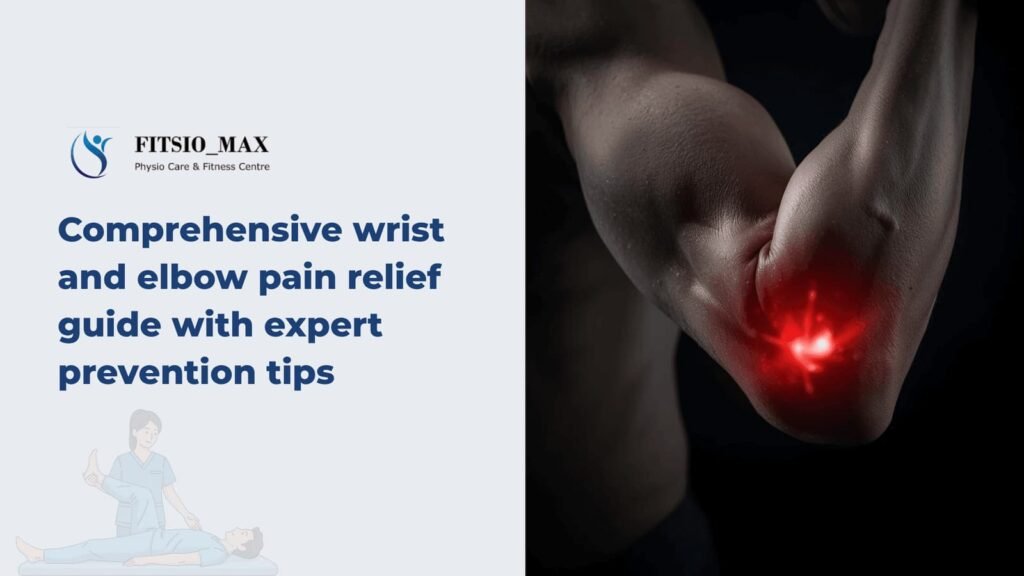
Comprehensive wrist and elbow pain relief guide with expert prevention tips Introduction  Wrist and elbow pain is increasingly common in today’s active and digital lifestyles. From typing at a desk and prolonged smartphone use to weightlifting and gardening, repetitive movements can strain muscles, tendons, and joints, resulting in discomfort or even chronic conditions. Finding effective wrist and elbow pain relief requires understanding both the causes and the prevention strategies that can help you avoid long-term issues.  Conditions like Carpal Tunnel Syndrome, Golfer’s Elbow, tendonitis, bursitis, and sprains are frequent culprits. Incorporating the right stretches, strengthening exercises, and lifestyle modifications can make a dramatic difference in managing pain. This guide provides insights into causes, preventive measures, and expert-recommended treatments, helping you achieve lasting relief. Whether your concern is elbow pain from typing or wrist sprain recovery, this comprehensive resource equips you to maintain healthy, pain-free joints. Common Causes of Wrist and Elbow Pain Repetitive Strain Injuries (RSI) Repetitive movements over time can lead to repetitive strain injuries, causing inflammation and discomfort in the wrist and elbow. Activities like typing, scrolling on smartphones, and heavy lifting are frequent triggers. Symptoms may include swelling, stiffness, and sharp or dull aches. For instance, wrist pain from smartphone use often starts as minor discomfort but can worsen if ignored. Prevention includes regular breaks, ergonomic adjustments, and wrist flexor and extensor stretches. Tendonitis and Bursitis Tendonitis occurs when tendons become inflamed due to overuse or strain. Common examples include wrist tendonitis treatment and elbow tendonitis exercises. Bursitis, inflammation of the fluid sacs near joints, can lead to swelling and pain, requiring careful management. Conditions such as Golfer’s Elbow or elbow pain from weightlifting are forms of tendon-related injuries. Early identification and treatment, including physiotherapy, can prevent long-term joint damage. Acute Injuries Sprains, fractures, and sudden impacts can cause immediate pain from wrist to elbow. Sports accidents, falls, or lifting injuries are frequent causes. Initial care follows the RICE protocol Rest, Ice, Compression, Elevation followed by guided rehabilitation exercises for full recovery. Prevention Techniques for Long-Term Relief Ergonomic Adjustments Proper ergonomics reduces stress on your joints. Use keyboards and mice that maintain neutral wrist positions and adjust chairs and desks to prevent elbow pain from typing. Even small changes in posture and workstation setup can significantly reduce discomfort. Repetitive Strain Injury Prevention Incorporate frequent breaks during repetitive tasks. Simple stretches, such as wrist flexor stretch, wrist extensor stretch, and gentle elbow joint mobility exercises, maintain flexibility and circulation. Using resistance bands and light weights for Golfer’s Elbow prevention strengthens supporting muscles, reducing the risk of tendon injuries. Repetitive Strain Injury Prevention Targeted exercises for the wrist and elbow improve joint stability and reduce pain: Elbow Tendonitis Exercises: Strengthen forearm muscles and relieve tension. Wrist Sprain Recovery: Gradual rehabilitation ensures full mobility. Elbow Joint Mobility: Gentle rotational and bending exercises improve flexibility. Expert-Recommended Treatments Managing pain effectively often requires professional care. Common strategies include: Sore Wrist Treatment: Rest, anti-inflammatory medications, wrist braces, and guided physiotherapy. Wrist Sprain Recovery: Gradual rehabilitation with tailored stretches and mobility exercises. Carpal Tunnel Syndrome Relief: Ergonomic adjustments, wrist splints, and specific exercises reduce nerve compression and improve comfort. More severe or persistent pain may require consultation with a physiotherapist or orthopedic specialist. Structured recovery programs, such as those offered by Fitsiomax physiotherapy services, provide individualized plans for effective joint rehabilitation. Lifestyle Tips for Daily Joint Care Maintaining joint health is a continuous effort. Consider these tips: Avoid prolonged static positions; frequently change posture. Distribute repetitive tasks evenly throughout the day. Stay hydrated and follow a balanced diet to support tendon and joint health. Integrate stretches like wrist flexor stretch and wrist extensor stretch into daily routines. Consistent application of these strategies ensures long-term wrist and elbow pain relief, even for individuals prone to injuries from typing, lifting, or gardening. Conclusion Wrist and elbow pain can significantly affect productivity, fitness, and daily life, but with the right approach, it can be effectively managed. Understanding the causes, implementing preventive strategies, and following expert-recommended exercises such as elbow tendonitis exercises and wrist sprain recovery routines are essential. Ergonomic adjustments, targeted stretching, and professional rehabilitation ensure sustained wrist and elbow pain relief. Don’t let discomfort limit your lifestyle or fitness goals take proactive steps today. Visit Fitsiomax Physiotherapy & Fitness Studio to access personalized care and structured programs designed to restore strength, mobility, and confidence in your daily activities. Frequently Asked Questions 1. What causes wrist and elbow pain in daily life? Wrist and elbow pain often come from repetitive strain, tendonitis, poor posture, smartphone overuse, or weightlifting. Professional wrist and elbow pain relief focuses on diagnosing the exact cause and improving joint function naturally. 2. Can physiotherapy help tendonitis in the wrist and elbow? Yes. Wrist tendonitis treatment and elbow tendonitis exercises reduce inflammation, strengthen tendons, and restore mobility. Physiotherapists use stretching, strengthening drills, and manual therapy for long-term relief. 3. How do I prevent wrist pain from typing or mobile use? Adjust your desk ergonomics, take breaks every 30 minutes, and perform repetitive strain injury prevention stretches like wrist flexor and extensor stretches. Neutral wrist posture significantly reduces discomfort. 4.What is the best treatment for wrist sprain recovery? Effective wrist sprain recovery includes RICE (Rest, Ice, Compression, Elevation) followed by gradual mobility and strengthening exercises under physiotherapist supervision to avoid reinjury. 5. How can I treat elbow pain caused by weightlifting or sports? Sports-related pain often comes from tendon overload. Golfer’s elbow physiotherapy and elbow strengthening exercises help relieve strain and prevent future injury through targeted muscle training. 6.When should I consult a physiotherapist for wrist or elbow pain? Seek physiotherapy if pain persists for more than a week, impacts daily activities, or causes swelling and weakness. Wrist and elbow pain physiotherapy in Chennai offers personalized treatments for long-term recovery. 7. Does physiotherapy help with Carpal Tunnel Syndrome? Yes. Carpal Tunnel Syndrome relief includes ergonomic changes, splint support, nerve gliding exercises, and physiotherapy techniques to reduce nerve compression and improve wrist function. Wrist and

Physiotherapy in Chennai
Blog

Top Physiotherapy Techniques in Chennai for Neck, Back, Knee Relief

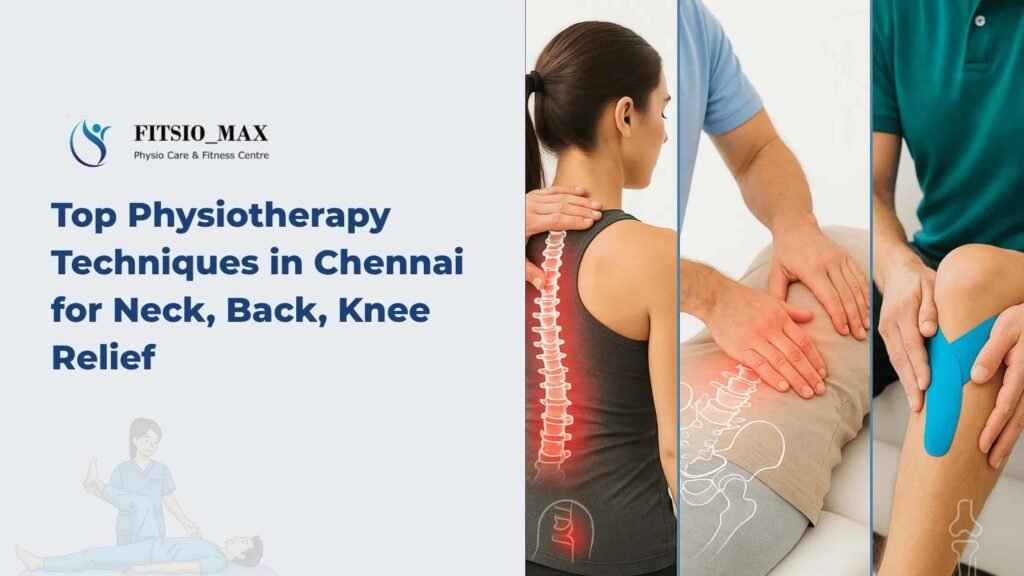
Top Physiotherapy Techniques in Chennai for Neck, Back, Knee Relief Introduction Living with neck, back, or knee pain can significantly affect your daily life, making simple activities like walking, sitting, or lifting objects challenging. Many people in Chennai struggle with chronic pain, sports injuries, or post-surgical discomfort that limits mobility and overall quality of life.  Physiotherapy in Chennai offers a safe and effective solution to address these issues, combining expert care with personalized physiotherapy, pain management techniques, and rehabilitation therapy. At Fitsiomax Physiotherapy & Fitness Studio, we focus on restoring strength, improving flexibility, and promoting muscle strengthening, posture correction, and mobility improvement. Whether you need neck pain treatment, back pain treatment, knee pain treatment, or sports injury recovery, our advanced Physiotherapy in Chennai  programs are designed to reduce pain, prevent future injuries, and help you regain a more active, independent lifestyle. What is Physiotherapy and Why It Matters Physiotherapy, or physical therapy, is a healthcare practice aimed at improving movement, reducing pain, and restoring function. Unlike treatments that only mask symptoms, physiotherapy addresses the root cause of discomfort. Whether it’s neck pain treatment, back pain treatment, or knee pain treatment, skilled physiotherapists assess each patient individually and design personalized physiotherapy programs. These programs often include manual therapy, physiotherapy exercises, and mobility improvement techniques, all tailored to promote faster recovery and long-term health. By focusing on muscle strengthening, physiotherapy for posture correction, and chronic pain management, physiotherapy not only relieves pain but also reduces the risk of future injuries. Common Conditions Treated by Physiotherapy in Chennai Neck pain is one of the most common conditions treated through physiotherapy. Poor posture, prolonged hours of desk work, or minor injuries can lead to stiffness and discomfort. Through manual therapy, stretching exercises, and posture correction techniques, physiotherapists help alleviate pain and restore natural movement. Patients can also benefit from Neck & Shoulder Physiotherapy to improve flexibility and reduce recurring discomfort. Back pain affects people of all ages and can become chronic if left untreated. Weak core muscles, poor ergonomics, or previous injuries often contribute to discomfort. Physiotherapy for back pain treatment focuses on strengthening muscles, improving spinal alignment, and enhancing mobility. Structured exercise programs and rehabilitation therapy reduce pain and improve functional ability, enabling patients to perform daily tasks with ease. Knee pain can arise from arthritis, injuries, or post-surgical recovery. Physiotherapy emphasizes muscle strengthening, joint stabilization, and guided rehabilitation to restore function and minimize discomfort. Patients recovering from surgery or sports injuries benefit from Post-Knee & Hip  Rehabilitation and Sports Physiotherapy programs, which help rebuild strength, flexibility, and balance safely. Top Physiotherapy Techniques in Chennai Physiotherapists in Chennai employ a variety of techniques to address different conditions. Manual therapy and joint mobilization are used to relieve stiffness, reduce pain, and improve the range of motion. Exercise therapy plays a critical role in physiotherapy exercises that strengthen muscles, enhance flexibility, and support long-term recovery. Posture correction programs help prevent future injuries by addressing imbalances that cause strain on muscles and joints. For individuals recovering from surgery or sports injuries, specialized rehabilitation programs provide a structured approach to regain strength, stability, and mobility. Many clinics also adopt a holistic approach, combining pain management techniques, personalized physiotherapy, and preventive care to ensure a complete recovery experience. Our approach ensures mobility improvement, chronic pain management, and physiotherapy for injury prevention, making Fitsiomax one of the leading physiotherapy centers in Chennai. Choosing the Right Physiotherapy Clinic in Chennai Even with expert guidance, some common habits can delay recovery. Skipping therapy sessions or neglecting prescribed physiotherapy exercises may prevent patients from achieving the desired results. Ignoring posture correction or over-relying on medication without active therapy can also hinder progress. Additionally, inadequate hydration and improper nutrition can slow down the healing process. By avoiding these mistakes, patients can fully benefit from their physiotherapy programs and achieve faster, more effective recovery, whether for neck pain treatment, back pain treatment, or knee pain treatment. Why Trust Expert Guidance for Physiotherapy Every patient’s needs are unique, influenced by age, medical history, type of injury, and activity levels. At Fitsiomax Physiotherapy & Fitness Studio, our experienced physiotherapists create customized physiotherapy programs to meet individual requirements. Combining modern techniques with personalized attention ensures patients recover safely, reduce pain effectively, and prevent future injuries. With expert guidance, physiotherapy becomes a powerful tool not only for relief but also for improving overall quality of life through pain management techniques, physiotherapy for posture correction, and joint pain relief. Conclusion Physiotherapy in Chennai offers a safe, effective, and holistic solution for neck, back, and knee pain. Using evidence-based techniques such as manual therapy, physiotherapy exercises, posture correction, rehabilitation therapy, and pain management techniques, patients regain strength, mobility, and confidence. When combined with expert care at Fitsiomax, physiotherapy not only addresses immediate discomfort but also promotes long-term health and prevents recurring pain. Take the first step toward a healthier, more active life by consulting our specialists today for personalized treatment and lasting results. Frequently Asked Questions 1.How can I find the best physiotherapy near me in Chennai? To find the best physiotherapy near you in Chennai, look for clinics with experienced physiotherapists, positive patient reviews, and specialized treatments for neck, back, and knee pain. Choosing a nearby clinic also helps with regular follow-ups and faster recovery. 2.Is physiotherapy near me effective for neck, back, and knee pain? Yes, physiotherapy near you is highly effective for treating neck pain, back pain, and knee pain. Nearby physiotherapy clinics in Chennai provide personalized treatment plans that focus on pain relief, mobility improvement, and long-term recovery. 3.When should I visit a physiotherapy clinic near me? You should visit a physiotherapy clinic near you if pain lasts more than a few days, affects daily movement, or worsens with activity. Early physiotherapy treatment helps prevent chronic pain and reduces the need for medication or surgery. 4.How many sessions are required at a physiotherapy center near me? The number of sessions at a physiotherapy center near you depends on your condition. Most patients in Chennai see improvement within

Scroll to Top
Online Appointment