
Effective Cervical Spondylosis Treatment in Chennai
Introduction
Neck pain and stiffness are common problems for office workers, senior citizens, drivers, athletes, and people who use mobile phones or laptops for long hours. One common reason for this pain is cervical spondylosis, a condition that affects the neck joints, discs, and surrounding muscles. It may cause stiffness, headache, shoulder discomfort, dizziness, or radiating arm pain in some people.
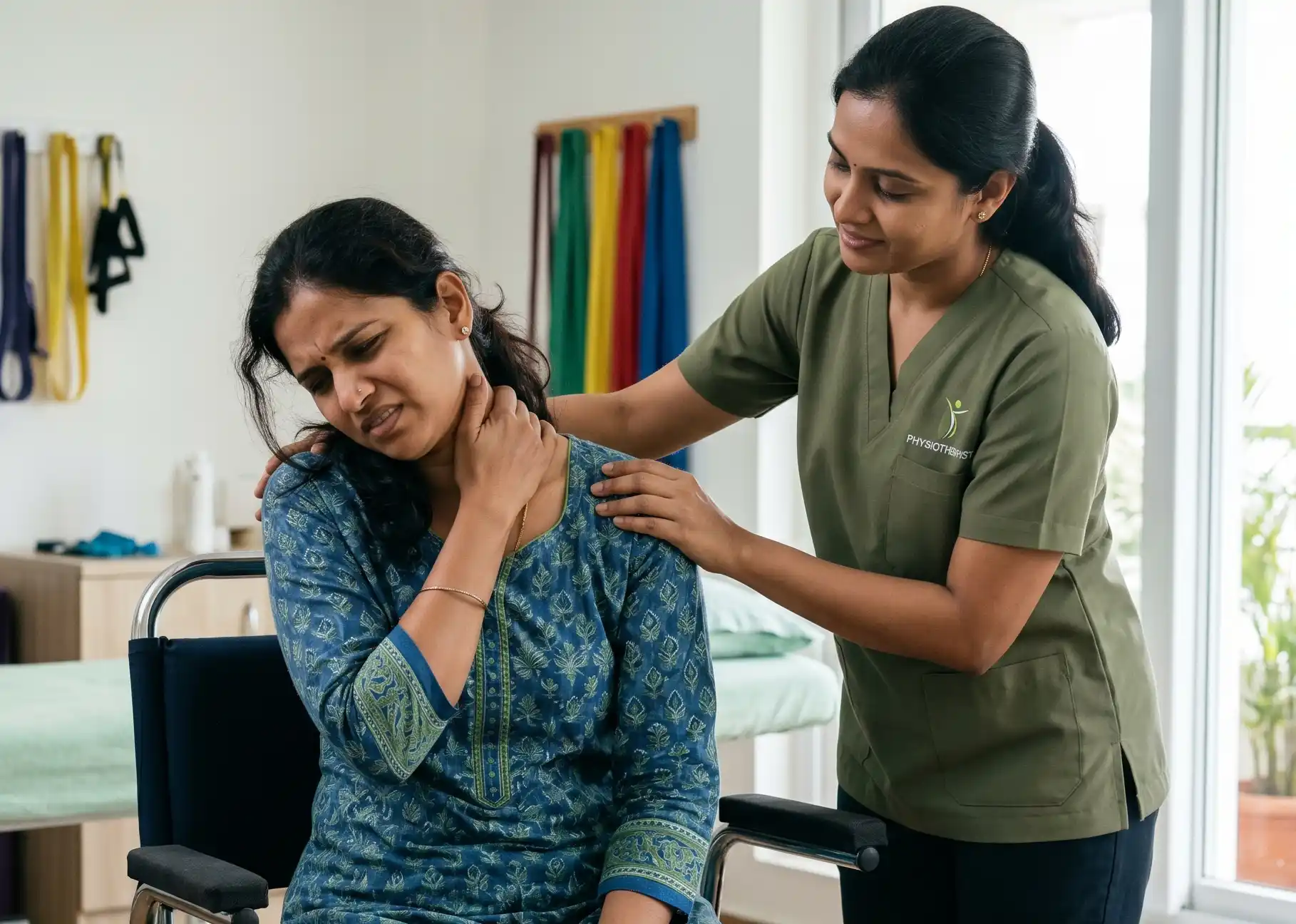
Cervical Spondylosis Treatment in Chennai through physiotherapy may help improve neck mobility, reduce stiffness, support posture correction, and guide safe exercises. At Fitsiomax Physiotherapy & Fitness Centre, patients from Anna Nagar, T. Nagar, Parrys, and ECR can receive assessment-based physiotherapy care for neck pain, cervical spine pain, and daily activity limitations.
Cervical spondylosis treatment may include physiotherapy, posture correction, neck mobility exercises, strengthening, manual therapy, pain management, and lifestyle guidance. Physiotherapy can support better neck movement, reduce stiffness, and help patients manage daily activities safely. A qualified physiotherapist should assess symptoms before starting exercises.
What Is Cervical Spondylosis?
Cervical spondylosis is a neck condition caused by age-related or lifestyle-related changes in the cervical spine. The cervical spine is the upper part of the spine located in the neck. Over time, the discs, joints, and soft tissues around the neck can become stiff or irritated.
Many people ask, “what is cervical spondylosis?” In simple words, it is wear and tear in the neck region that may cause neck pain, stiffness, reduced movement, or nerve-related symptoms.
It is common in people who sit for long hours, use screens continuously, or have poor posture. However, it can also happen due to age-related changes, injury, or reduced physical activity.
Common Cervical Spondylosis Causes
Cervical spondylosis causes can vary from person to person. In many patients, symptoms are linked to a mix of posture, muscle weakness, reduced mobility, and age-related changes.
Common causes include:
- Long sitting neck pain
- Desk posture neck pain
- Poor mobile phone posture
- Age-related neck joint changes
- Cervical disc degeneration
- Weak neck and shoulder muscles
- Previous neck injury
- Lack of movement breaks
- Repeated driving strain
- Poor sleeping position
- Upper back stiffness
For Chennai office workers and IT professionals, long laptop use and poor chair setup can increase neck and shoulder stiffness over time.
Common Cervical Spondylosis Symptoms
Cervical spondylosis symptoms may be mild in some people and more uncomfortable in others. Symptoms can affect work, sleep, driving, and daily movement.
Common symptoms include:
- Neck pain and stiffness
- Cervical spine pain
- Difficulty turning the neck
- Neck and shoulder stiffness
- Upper back stiffness
- Headache with neck tightness
- Cervical spondylosis dizziness
- Radiating arm pain
- Tingling or numbness in the arm
- Muscle tightness around the neck
- Reduced neck movement
If you have severe weakness, loss of balance, numbness that increases, or pain after injury, consult a doctor immediately.
Cervical Spondylosis Pain Areas
Cervical spondylosis pain areas may include the back of the neck, side of the neck, shoulders, upper back, shoulder blade area, and sometimes the arm. If there is nerve compression in neck, pain may travel from the neck to the shoulder, arm, hand, or fingers.
Some patients feel stiffness more than pain. Others may feel burning, heaviness, or tightness. A physiotherapy assessment helps identify whether the symptoms are related to muscles, joints, posture, or nerve irritation.
Who Is at Risk of Cervical Spondylosis?
Cervical spondylosis can affect different age groups, but it is more common with ageing. Senior citizens may experience stiffness due to natural spine changes. Office workers and IT professionals may develop symptoms due to screen posture and long sitting.
People at higher risk include:
- Office workers
- Drivers
- Senior citizens
- Mobile phone users
- People with poor posture
- Athletes with neck strain
- Post-surgery patients
- People with weak neck muscles
- People with repeated neck pain
Early cervical spondylosis and mild cervical spondylosis should not be ignored because early guidance can help improve daily habits and reduce repeated strain.
What Is the Best Treatment for Cervical Spondylosis?
Many patients ask, “what is the best treatment for cervical spondylosis?” The best treatment depends on symptoms, pain level, posture, movement limitation, and whether nerve symptoms are present.
For many patients, non-surgical neck pain treatment may include physiotherapy, posture correction, neck exercises, pain management, ergonomic advice, and lifestyle changes. Medicine, imaging, or specialist care may be needed in some cases based on doctor advice.
Physiotherapy mainly focuses on improving movement, reducing stiffness, strengthening weak muscles, and helping patients return to normal daily activities safely.
How Can Physiotherapy Help Cervical Spondylosis?
Cervical spondylosis physiotherapy may help patients manage pain and stiffness through guided exercises and movement correction. A physiotherapist checks neck movement, posture, shoulder strength, muscle tightness, pain areas, and daily activity challenges.
Physiotherapy may help with:
- Neck mobility exercises
- Posture correction
- Manual therapy for neck pain
- Neck strengthening exercises
- Shoulder blade exercises
- Pain management physiotherapy
- Ergonomic advice
- Home exercise guidance
- Safe sleeping posture advice
- Daily movement correction
The goal is not only pain relief. The focus is to improve movement quality, reduce repeated stress, and support long-term neck function
Cervical Spondylosis Physiotherapy Treatment Methods
1. Neck Assessment
The physiotherapist checks pain location, range of motion, posture, stiffness, shoulder strength, nerve-related symptoms, and work routine. This helps create a personalized treatment plan.
2. Manual Therapy
Manual therapy for neck pain may help reduce stiffness and improve joint mobility in selected patients. It should be done gently and combined with exercise.
3. Neck Mobility Exercises
Neck mobility exercises help improve safe movement. These may include gentle neck rotations, chin tucks, side bending, and controlled extension exercises.
4. Strengthening Exercises
Neck strengthening exercises help support the cervical spine. Shoulder blade exercises and upper back strengthening may also help improve posture.
5. Posture Correction
Posture correction is important for people with desk posture neck pain. A physiotherapist may guide screen height, chair position, pillow support, and work breaks.
6. Pain Management
Pain management may include safe movement, gentle stretching, activity modification, heat or cold advice, and gradual exercise progression based on symptoms.
Cervical Spondylosis Exercises
Cervical spondylosis exercises should be selected based on the patient’s condition. Not every exercise is suitable for everyone.
Common physiotherapy-guided exercises may include:
- Chin tuck exercise
- Gentle neck rotation
- Side neck stretch
- Shoulder blade squeeze
- Upper back extension
- Wall posture drill
- Deep neck muscle activation
- Gentle shoulder rolls
- Neck isometric exercises
- Breathing and relaxation exercises
Neck exercises for cervical spondylosis should be slow and controlled. Stop if pain increases sharply, dizziness worsens, or symptoms travel into the arm.
Cervical Spondylosis Sleeping Position
Cervical spondylosis sleeping position can affect morning stiffness. Try to keep the neck in a neutral position while sleeping. Avoid very high pillows or sleeping with the neck bent for long hours.
A supportive pillow may help keep the neck aligned. People with neck and shoulder stiffness may feel better sleeping on the back or side with proper support. If pain increases during sleep, consult a physiotherapist for personalized advice.
Home Care and Prevention Tips
Small daily habits can reduce repeated neck strain.
Helpful tips include:
- Take movement breaks every 30 to 45 minutes
- Keep your laptop or monitor at eye level
- Avoid looking down at mobile phones for long periods
- Keep shoulders relaxed while typing
- Avoid sudden neck twisting
- Do gentle neck mobility exercises
- Strengthen neck and upper back muscles
- Use proper pillow support
- Maintain good sitting posture
- Follow your home exercise program
Do not force painful exercises or try random online routines without assessment.
When Should You Consult a Physiotherapist?
You should consult a physiotherapist if neck pain lasts for more than a few days, keeps returning, affects work, or limits movement.
Seek help if you have:
- Persistent neck pain and stiffness
- Difficulty turning the neck
- Radiating arm pain
- Tingling or numbness
- Cervical spondylosis dizziness
- Headache with neck tightness
- Pain after injury
- Poor sleep due to neck pain
- Weakness in the arm
- Repeated desk posture neck pain
If you are searching for a cervical spondylosis doctor near me, a physiotherapy assessment can help you understand whether physiotherapy care or further medical review is needed.
Cervical Spondylosis Treatment Near Me in Chennai
If you are looking for Cervical Spondylosis Treatment in Chennai or physiotherapy near me in Chennai, choose a clinic that provides proper assessment, safe exercises, and personalized care.
Fitsiomax Physiotherapy & Fitness Centre serves patients through multiple Chennai branches:
- Physiotherapy clinic in Anna Nagar
- Physiotherapy clinic in T. Nagar
- Physiotherapy clinic in Parrys
- Physiotherapy clinic in ECR
Whether you are an office worker with posture-related neck pain, a senior citizen with stiffness, or a patient with neck and shoulder discomfort, Fitsiomax can guide you with patient-friendly physiotherapy care.
Why Choose Fitsiomax Physiotherapy & Fitness Centre?
Fitsiomax Physiotherapy & Fitness Centre provides physiotherapy, fitness, pain relief, posture correction, and rehabilitation care in Chennai.
Patients choose Fitsiomax for:
- Professional physiotherapy assessment
- Cervical Spondylosis Treatment in Chennai
- Cervical spondylosis physiotherapy
- Neck mobility exercises
- Posture correction
- Manual therapy for neck pain
- Pain management physiotherapy
- Home exercise guidance
- Branches in Anna Nagar, T. Nagar, Parrys, and ECR
- Patient-friendly care
Fitsiomax focuses on safe recovery, better movement, and practical daily function improvement.
Conclusion
Cervical spondylosis can affect work, sleep, driving, posture, and daily comfort. Ignoring neck pain and stiffness may lead to repeated discomfort and reduced movement. Cervical Spondylosis Treatment in Chennai through physiotherapy may help improve mobility, manage pain, strengthen neck muscles, and support better posture.
If you are looking for a trusted physiotherapy clinic in Chennai, visit Fitsiomax Physiotherapy & Fitness Centre at Anna Nagar, T. Nagar, Parrys, or ECR. Book your consultation today and get professional guidance for neck pain and stiffness.
Visit fitsiomax.clinic | Call us | Walk into our clinic in Chennai
Frequently Asked Questions
1. What is cervical spondylosis?
Cervical spondylosis is a neck condition caused by changes in the cervical spine. It may cause neck pain, stiffness, reduced movement, or arm-related symptoms.
2. Can physiotherapy help cervical spondylosis?
Yes. Physiotherapy may help improve neck mobility, reduce stiffness, strengthen neck muscles, correct posture, and support pain management.
3. What are common cervical spondylosis symptoms?
Common symptoms include neck pain, stiffness, shoulder tightness, headache, dizziness, reduced movement, tingling, numbness, or radiating arm pain.
4. Which exercises help cervical spondylosis?
Common exercises may include chin tucks, gentle neck rotations, side neck stretches, shoulder blade squeezes, and neck strengthening exercises.
5. When should I visit a physiotherapist?
Visit a physiotherapist if neck pain lasts several days, keeps returning, affects sleep or work, causes dizziness, or travels to the shoulder or arm.