
Physiotherapy for Stress Relief ! Yes, It Really Helps!
Introduction
Stress has become part of modern life. Long working hours, anxiety, poor posture, and lifestyle changes increase mental tension, which eventually affects the body. Tight neck muscles, back pain, headaches, fatigue, and insomnia are common signs of stress. The good news? Physiotherapy for stress relief acts as both a physical and emotional healer. By improving muscle relaxation, circulation, posture, breathing, and physical movement, physiotherapy reduces anxiety and helps your body return to its natural calm state. If you’ve ever wondered, what’s physiotherapy or is physiotherapy painful?, you’ll be surprised to learn that it is a gentle, science-based approach that improves both mind and body.
How Physiotherapy Reduces Stress and Mental Tension
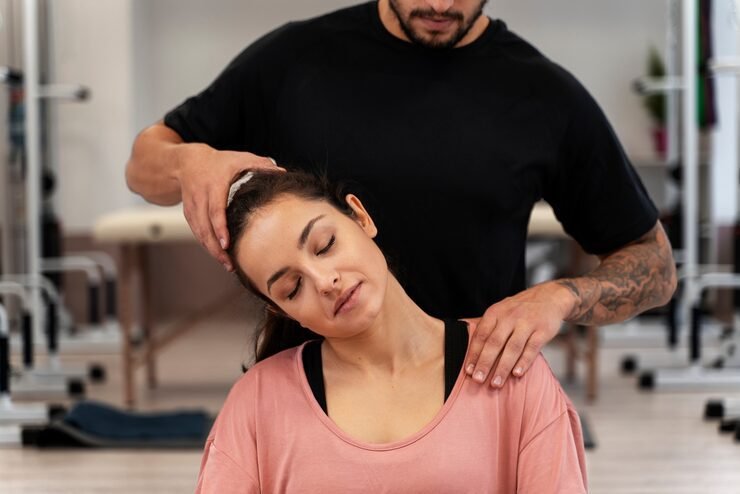
Chronic stress causes your muscles to become stiff. This triggers pain messages to the brain and increases anxiety. Physiotherapy for stress relief breaks this cycle through targeted manual therapy, relaxation exercises, and guided movement. The purpose of physiotherapy is to restore balance by improving your breathing, posture, bone alignment, and muscle flexibility. Once the body relaxes, the mind follows.
Benefits of Physiotherapy for Stress Relief
Here are the key benefits of physiotherapy that support emotional well-being:
-
-
-
-
- Relaxes tight muscles caused by stress
- Improves sleep by reducing discomfort
- Boosts blood circulation and oxygen supply
- Reduces headaches and neck stiffness
- Improves posture and reduces work-related pain
- Releases endorphins, the body’s happy hormones
- Relaxes tight muscles caused by stress
-
-
-
Helps control panic attacks with guided breathing

Physiotherapy Treatment List for Stress & Anxiety
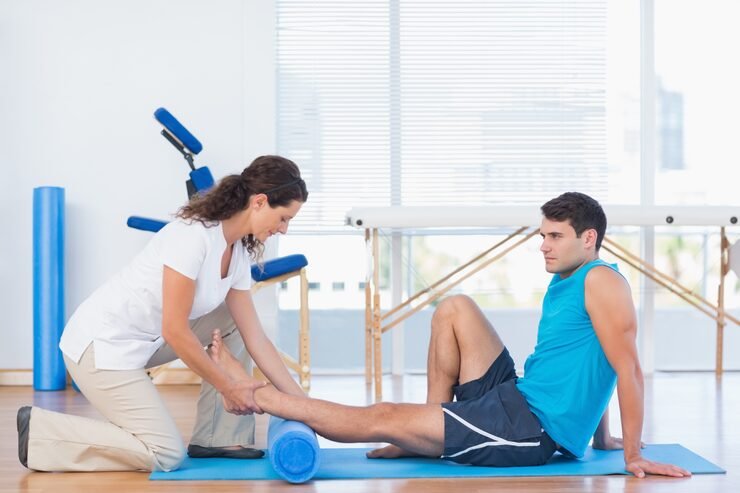
A professional physiotherapist may use one or multiple treatments based on your body condition. Below is a physiotherapy treatment list commonly used for stress relief:
|
Treatment Name |
How It Helps |
|
Massage Therapy |
Relaxes tight muscles, improves sleep |
|
Stretching & Mobility Work |
Releases muscle stiffness |
|
IFT Therapy |
Reduces pain and improves circulation |
|
Breathing Exercises |
Calms the nervous system |
|
Yoga-Based Physiotherapy |
Relieves anxiety with movement |
|
Posture Correction |
Reduces neck/back tension |
IFT physiotherapy benefits play a big role in reducing chronic stress by calming nerve signals and improving blood flow. If you have questions like how to do physiotherapy or physiotherapy is good or bad, a certified therapist can guide you safely.
What Do Physiotherapists Do for Stress Relief?
Many people ask, what do physiotherapists do beyond pain treatment? Physiotherapists assess how stress affects your muscles, breathing, mobility, and posture, then design a customized PT management plan. They may also provide physiotherapy management tips for your lifestyle, posture, and exercise therapy. They follow scientific principles of exercise therapy to ensure safe healing.
Why You Must Choose Physiotherapy Instead of Painkillers
Painkillers may give quick relief, but stress comes back if the root cause is not treated. Physiotherapy targets muscle tension, posture issues, and the nervous system helping you heal naturally. If you’re searching for information about physiotherapy or physiotherapy details, remember: healing should not be temporary.
Why You Must Choose Physiotherapy Instead of Painkillers
-
-
-
-
-
- Neck and shoulder stiffness
- TMJ jaw tightness
- Headaches & migraines
- Chronic fatigue
- Insomnia
- Posture-related back pain
-
-
-
-
Conclusion
Stress affects your health more than you realize, but the solution is simple, scientific, and natural. Physiotherapy for stress relief helps calm your nervous system, improve posture, enhance breathing, and release physical tension that is directly linked to anxiety. With proper support, movement, and treatment, your body can reset itself without medication or fear.
Frequently Asked Questions
1. Can physiotherapy help reduce stress and anxiety?
Yes. Physiotherapy for stress relief reduces muscle tension, improves circulation, and promotes deep breathing, which calms the nervous system and lowers anxiety naturally.
2.How does physiotherapy help in stress management?
Physiotherapy helps manage stress through massage therapy, posture correction, breathing exercises, and IFT physiotherapy benefits. These treatments relax muscles, reduce pain, and improve sleep quality.
3. What are the best physiotherapy treatments for stress relief?
The best physiotherapy treatments for stress relief include relaxation massage, stretching and mobility exercises, posture correction therapy, breathing exercises, and IFT physiotherapy benefits for calming nerve signals.
4.Is physiotherapy good for insomnia caused by stress?
Yes. Physiotherapy for stress and fatigue improves sleep by reducing muscle tightness, headaches, nerve irritation, and posture-related discomfort that disrupts rest.
5. Can physiotherapy manage stress-related headaches and neck pain?
Absolutely. Physiotherapy reduces neck stiffness, jaw tension, and posture-related pain. Physiotherapy for headache and neck stiffness includes mobilization, stretching, and relaxation therapy.
6. Is physiotherapy painful for stress relief treatment?
No. Stress relief physiotherapy uses gentle, soothing techniques like breathing therapy, soft tissue massage, and posture correction. It is mild, relaxing, and scientifically designed to heal comfortably.
7. Should I take painkillers or choose physiotherapy for stress pain?
Physiotherapy is better for long-term relief because it treats the root cause of stress-related pain. Painkillers offer temporary relief, while physiotherapy naturally corrects muscle tension, posture, and breathing.