
Back Pain After Sitting Too Long: Causes, Relief and Physio Care
Introduction
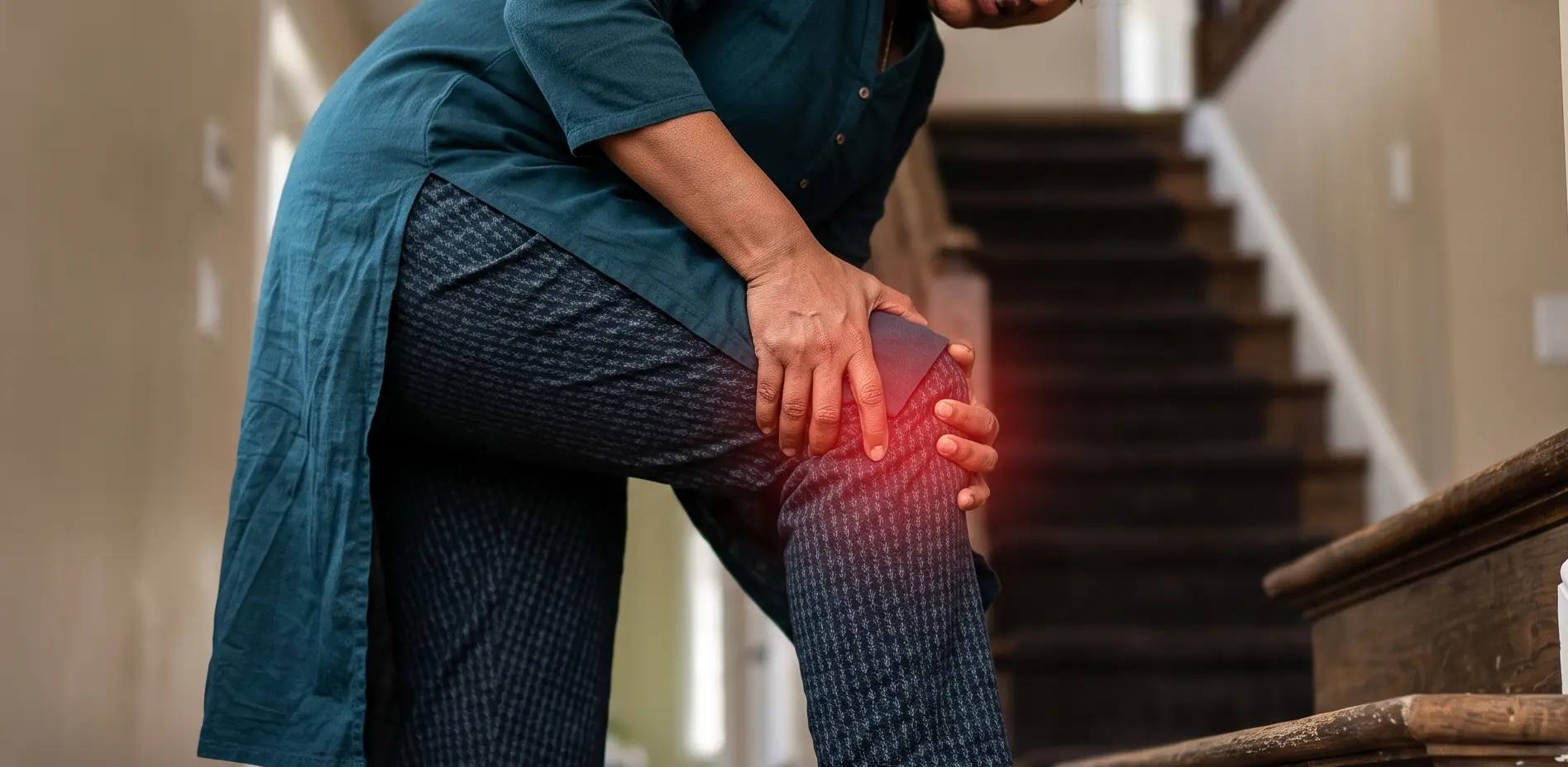
Knee pain when climbing stairs is a common problem for office workers, senior citizens, athletes, runners, and people with weak muscles or joint stiffness. Some people feel pain while going upstairs, while others feel knee pain when climbing and descending stairs. It may affect daily activities like walking, using steps, squatting, exercising, and getting in or out of vehicles.
The pain may come from kneecap pressure, muscle weakness, poor movement control, arthritis, injury, or post-surgery stiffness. Physiotherapy may help by improving knee strength, flexibility, balance, mobility, and stair-climbing movement. Physiotherapy can ease pain and improve movement through exercise, manual therapy, education, and advice.
At Fitsiomax Physiotherapy & Fitness Centre, patients in Chennai can get knee pain physiotherapy care through Anna Nagar, T. Nagar, Parrys, and ECR branches.
Knee pain when climbing stairs may happen due to weak thigh muscles, kneecap pressure, poor knee alignment, tight muscles, arthritis, injury, or overuse. Physiotherapy may help through knee strengthening exercises, mobility work, stretching, balance training, posture correction, and safe stair-climbing guidance.
What Is Knee Pain When Climbing Stairs?
Knee pain when climbing stairs is pain, pressure, stiffness, or discomfort felt around the kneecap, front knee, inner knee, outer knee, or back of the knee while using stairs.
Some patients say:
- “Why does my knee hurt when I go up stairs?”
- “My knee cap hurts when climbing stairs.”
- “I have knee pain while climbing up and down stairs.”
- “My knee pain happens on stairs but not walking.”
- “I feel knee pain when I squat or bend.”
Stair climbing puts more load on the knee than normal walking. If the knee muscles are weak or movement control is poor, the knee joint may feel painful.
Common Causes of Knee Pain When Climbing Stairs
1. Weak Thigh Muscles
The quadriceps muscles support the knee during stair climbing. If these muscles are weak, the knee may feel unstable or painful.
2. Kneecap Pressure
Pain around the front of the knee may happen when the kneecap does not move smoothly during bending and climbing steps.
3. Poor Knee Alignment
When the knee turns inward while climbing stairs, it may increase stress on the joint. This can happen due to weak hips, weak glutes, or poor balance.
4. Tight Muscles
Tight hamstrings, calves, hip muscles, and thigh muscles may affect knee movement and increase discomfort.
5. Arthritis or Age-Related Joint Changes
Senior citizens may feel knee pain on stairs because of stiffness, cartilage wear, or reduced joint mobility.
6. Sports Injury or Overuse
Running, jumping, gym workouts, and repeated stair use may cause strain around the knee. Some people notice knee pain climbing stairs after running.
7. Post-Surgery Stiffness
After knee surgery or leg injury, weakness and stiffness may make stair climbing painful without proper rehabilitation.
Common Symptoms
People with knee pain when climbing stairs may notice:
- Pain around the kneecap
- Knee pain while bending
- Knee pain when climbing stairs but not walking
- Knee pain while walking stairs
- Pain when going down stairs
- Knee stiffness after sitting
- Pain while squatting
- Clicking or grinding feeling
- Weakness while stepping up
- Fear of knee giving way
- Swelling after activity
If pain keeps coming back, a physiotherapy assessment can help identify the movement issue.
Who Is at Risk?
Knee pain while using stairs can affect:
- Senior citizens
- Office workers with low activity
- Athletes and runners
- People with obesity or sudden weight gain
- People with weak thigh or hip muscles
- People with old knee injuries
- Post-surgery patients
- Gym beginners
- People with arthritis
- People who climb stairs daily
How Can Physiotherapy Help?
Physiotherapy may help by assessing the reason behind knee pain and creating a safe recovery plan.
A physiotherapist may check:
- Knee movement
- Kneecap tracking
- Muscle strength
- Hip and ankle mobility
- Walking pattern
- Stair climbing technique
- Balance and stability
- Pain location
- Swelling or stiffness
Based on the assessment, the physiotherapist may suggest exercises, manual therapy, stretching, strengthening, balance training, and activity modification. Physiotherapy uses movement, exercise, manual therapy, education, and advice to restore movement and function.
Physiotherapy Treatment Methods
1. Knee Strengthening Exercises
Strengthening exercises may help support the knee joint. These may include quadriceps strengthening, straight leg raises, mini squats, step-ups, bridges, and hip strengthening.
2. Stretching Exercises
Gentle stretching may help reduce tightness in the thigh, calf, hamstring, and hip muscles. Stretching after strengthening can help maintain flexibility.
3. Mobility Exercises
Knee mobility exercises may help reduce stiffness and improve bending and straightening movement.
4. Balance Training
Balance exercises may support knee control during stairs, walking, and daily activities.
5. Manual Therapy
Manual therapy may help reduce stiffness and improve joint or soft tissue movement when suitable.
6. Stair-Climbing Correction
A physiotherapist may teach safe stair climbing, foot placement, knee alignment, and controlled stepping.
7. Pain Management
Pain management may include activity guidance, icing advice, load modification, exercise planning, and gradual return to activity.
Prevention and Home Care Tips
Try these simple tips:
- Avoid rushing while climbing stairs
- Use handrail support if needed
- Do not skip warm-up before exercise
- Avoid sudden heavy workouts
- Strengthen thigh and hip muscles
- Do gentle knee mobility exercises
- Maintain healthy body weight
- Wear supportive footwear
- Avoid repeated squatting if painful
- Take breaks during painful activity
- Consult a physiotherapist before doing intense knee exercises
Safety note: Exercises should not cause sharp or serious pain. The AAOS knee exercise guidance also notes that you should not feel pain during exercise.
When to Consult a Physiotherapist
Visit a physiotherapist if:
- https://fitsiomax.clinic/why-do-young-people-get-knee-pain/Knee pain lasts more than a few days
- Pain happens every time you climb stairs
- Knee pain affects walking or exercise
- Knee cap hurts when climbing stairs
- Knee pain happens while bending or squatting
- You feel weakness while stepping up
- Pain started after running or sports activity
- You have post-surgery knee stiffness
- Knee pain keeps returning
- You are searching for safe knee pain exercises
Get medical help quickly if the knee is very painful, badly swollen, unstable, gives way, cannot be straightened, or if you cannot put weight on it.
Physiotherapy Near Me in Chennai
If you are searching for physiotherapy near me in Chennai for knee pain when climbing stairs, Fitsiomax Physiotherapy & Fitness Centre provides physiotherapy care across major Chennai locations.
You can visit:
- Physiotherapy clinic in Anna Nagar
- Physiotherapy clinic in T. Nagar
- Physiotherapy clinic in Parrys
- Physiotherapy clinic in ECR
Patients with knee pain while climbing stairs, knee pain while bending, knee pain while walking stairs, or knee pain after running can visit the nearest Fitsiomax branch for assessment-based physiotherapy care.
Why Choose Fitsiomax in Chennai?
Fitsiomax Physiotherapy & Fitness Centre supports patients with pain relief, rehabilitation, fitness, posture correction, mobility improvement, and exercise-based recovery.
Fitsiomax helps with:
- Knee pain physiotherapy
- Knee strengthening exercises
- Stair climbing pain care
- Sports injury rehabilitation
- Arthritis-related knee stiffness
- Post-surgery knee rehab
- Balance training
- Manual therapy
- Mobility exercises
- Pain relief physiotherapy
The goal is to help patients understand the cause of pain, move better, and return to daily activities safely.
Conclusion
Knee pain when climbing stairs should not be ignored if it affects walking, bending, squatting, exercise, or daily movement. The pain may come from weak muscles, tightness, poor knee alignment, arthritis, overuse, sports injury, or post-surgery stiffness.
Physiotherapy may help improve strength, mobility, flexibility, balance, and stair-climbing control. If you have knee pain while climbing stairs, visit Fitsiomax Physiotherapy & Fitness Centre in Anna Nagar, T. Nagar, Parrys, or ECR.
Book your knee pain physiotherapy consultation at Fitsiomax Chennai today.
Visit fitsiomax.clinic | Call us | Walk into our clinic in Chennai
Frequently Asked Questions
1. Why does my knee hurt when I go up stairs?
Knee pain while going upstairs may happen due to weak thigh muscles, kneecap pressure, poor knee alignment, tight muscles, arthritis, or overuse.
2. Can physiotherapy help knee pain when climbing stairs?
Yes. Physiotherapy may help by improving knee strength, flexibility, balance, mobility, and stair-climbing movement.
3. Why does my knee hurt on stairs but not while walking?
Stairs put more load on the knee than normal walking. Weak muscles or poor kneecap movement may cause pain mainly during stair climbing.
4. What exercises help knee pain while climbing stairs?
Knee strengthening, quadriceps exercises, hip strengthening, gentle stretching, balance training, and step-up exercises may help when guided properly.
5. When should I visit Fitsiomax for knee pain?
Visit Fitsiomax if knee pain affects stairs, walking, bending, squatting, running, daily work, or if pain keeps coming back.