
Top At-Home Exercises to Alleviate Knee Pain and Improve Mobility – Physio Expert Guide
Introduction
Knee pain is becoming increasingly common today, especially among office workers, seniors, and people with an active lifestyle. Whether you struggle to sit on the floor, climb stairs, walk long distances, or even bend your knee comfortably, this discomfort often indicates weakness in the muscles that support the joint. The good news? With the right knee pain physiotherapy treatment, performed consistently, you can relieve pain, regain mobility, and protect your knees from future problems. all from the comfort of your home.
At Fitsiomax, our physiotherapists treat hundreds of patients in Chennai who experience knee pain due to arthritis, long sitting hours, sports injuries, muscle imbalances, or simply poor posture.
almost all of them begin improving once they start strengthening the muscles surrounding their knees. Below, we’ve shared safe, physiotherapist-recommended exercises you can start today.
Why Do Knees Hurt?
Your knees take your body weight every time you walk, climb, run, or even stand up from a chair. Over time, stress on the joint increases when the thigh and hip muscles become weak. This imbalance changes how the knee moves, leading to strain and pain. Age-related changes, past injuries, excess weight, and stiff muscles can make the problem worse. Physiotherapy helps correct these issues by improving muscle strength, joint alignment, and movement control.
Before You Begin: Warm-Up Matters
A quick 2–3 minute warm-up,such as gentle marching or slow bending of your knees. helps improve blood flow and prepares your joints for exercise. Think of it as helping your knees “wake up” before work.
The Best At-Home Exercises for Knee Pain Relief
Straight Leg Raise
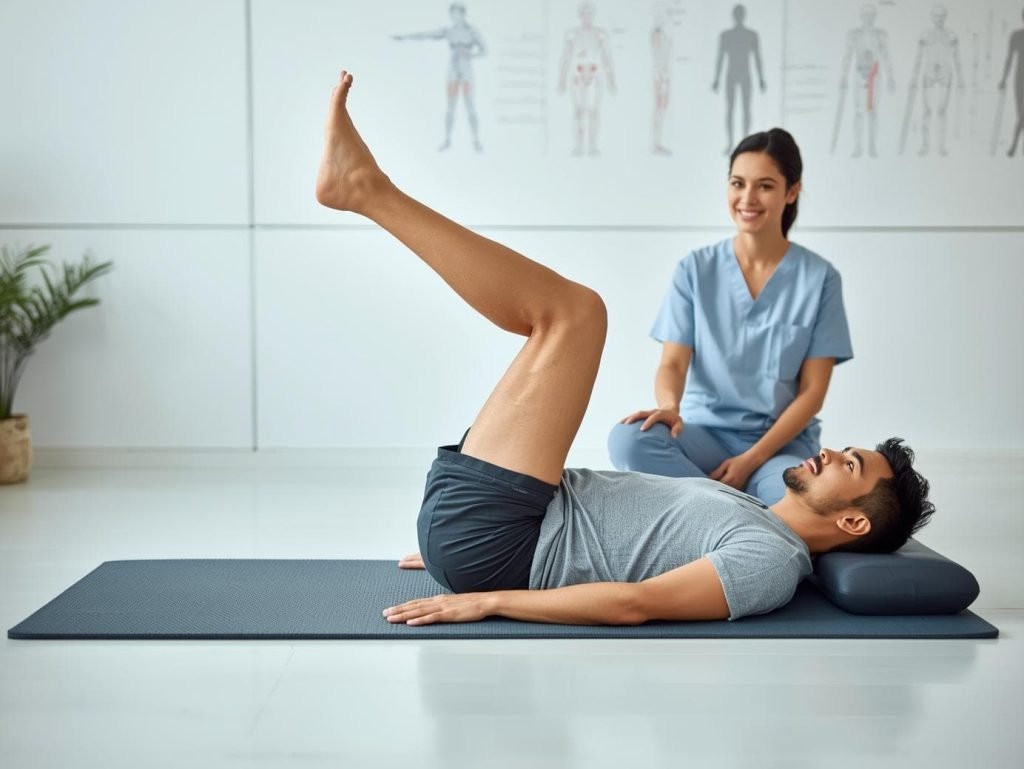
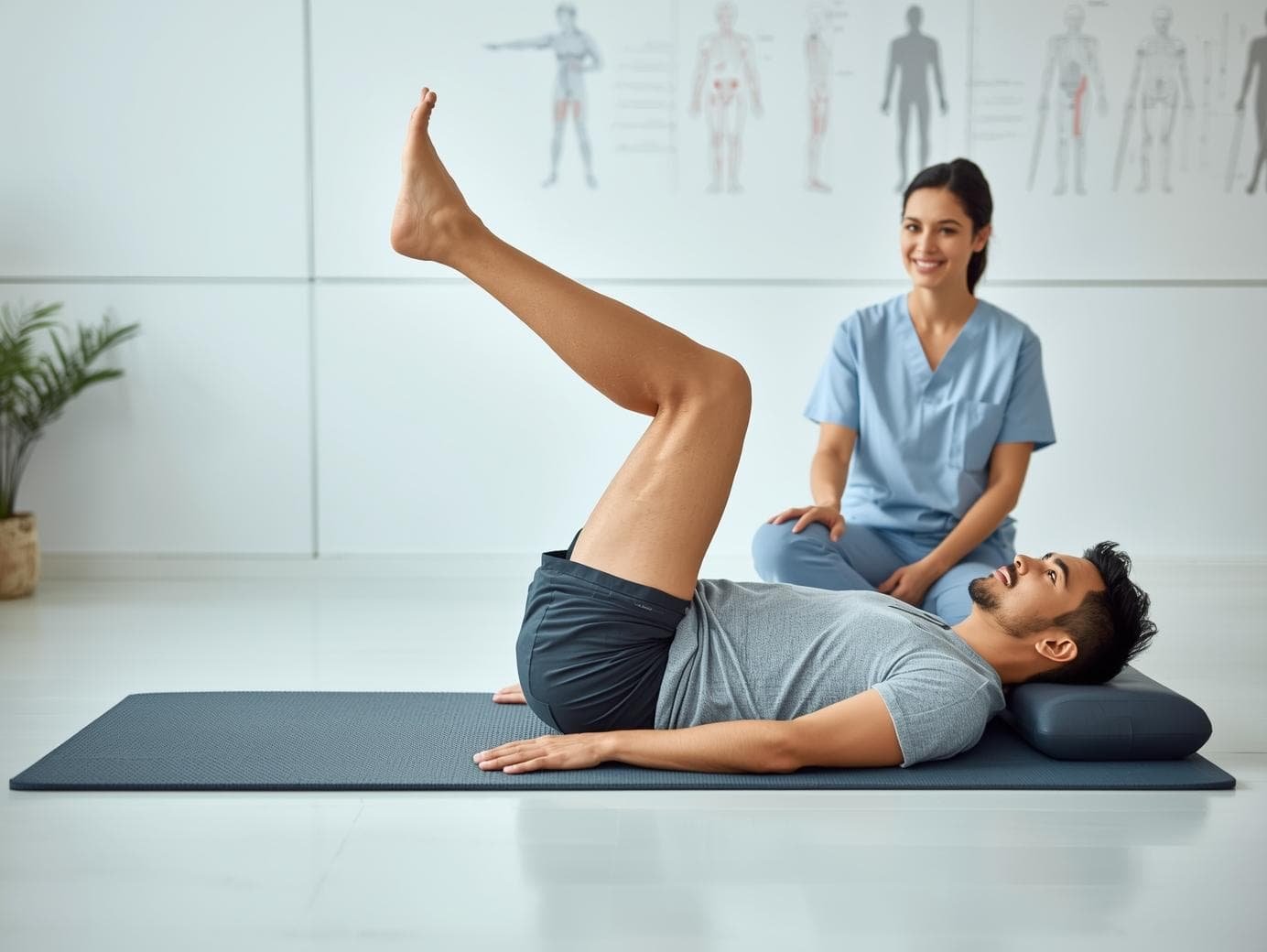
One of the most effective ways to strengthen the knees is by improving quadriceps strength. Lie on your back with one knee bent and the other straight. Slowly lift the straight leg to the height of the opposite knee, hold briefly, and lower gently. This builds strong support for the knee joint.
Quad Setting
When pain is severe or if arthritis is involved, activating the knee muscle without movement is a safe way to begin. Tighten the thigh muscle while the leg lies straight and hold for a few seconds. It improves stability and prepares you for more advanced exercises.
Hamstring Stretch
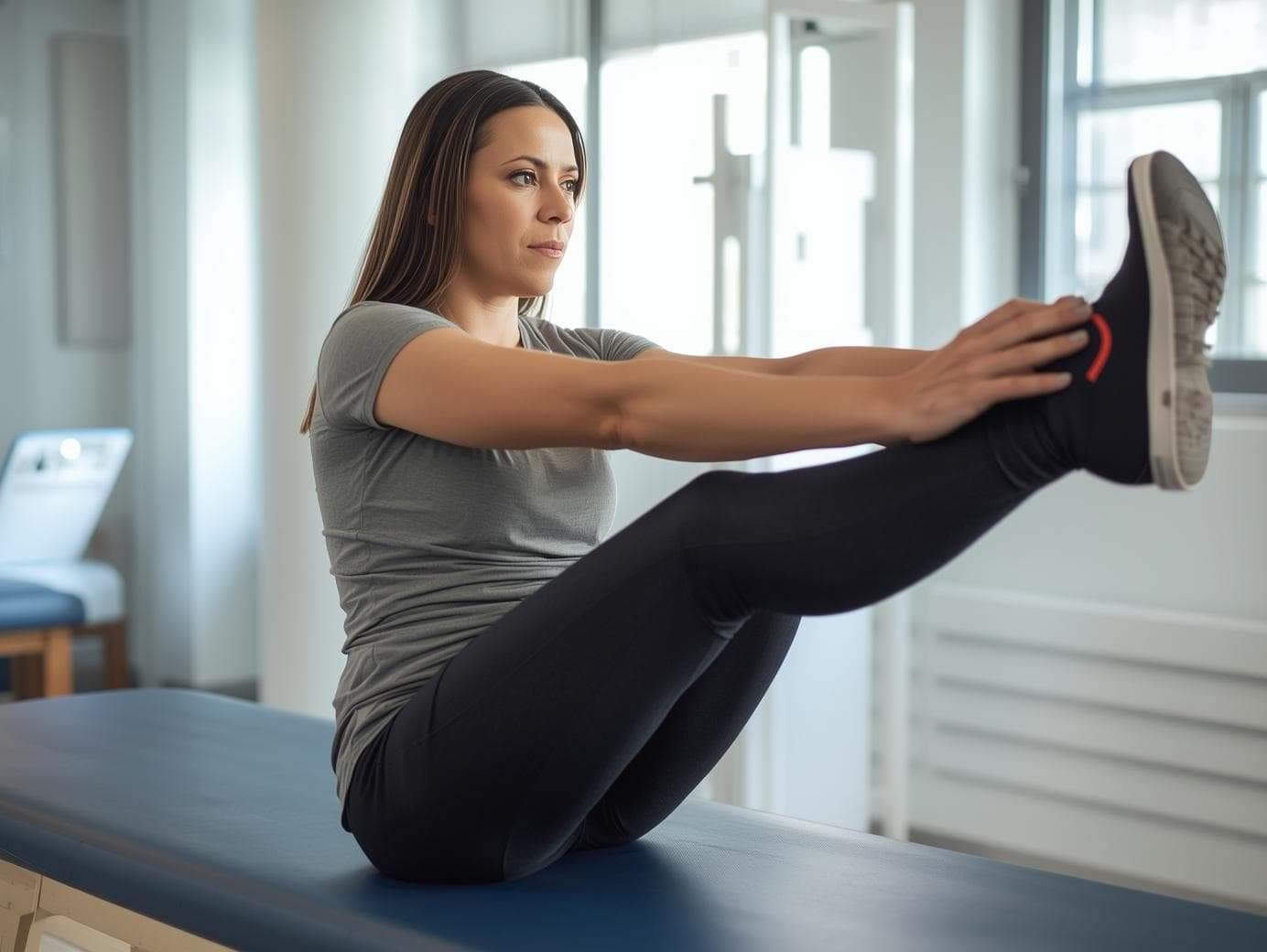
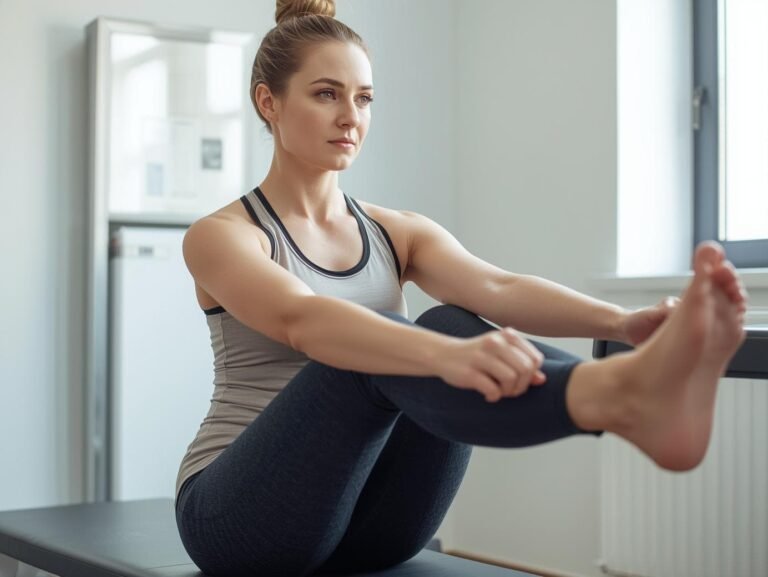
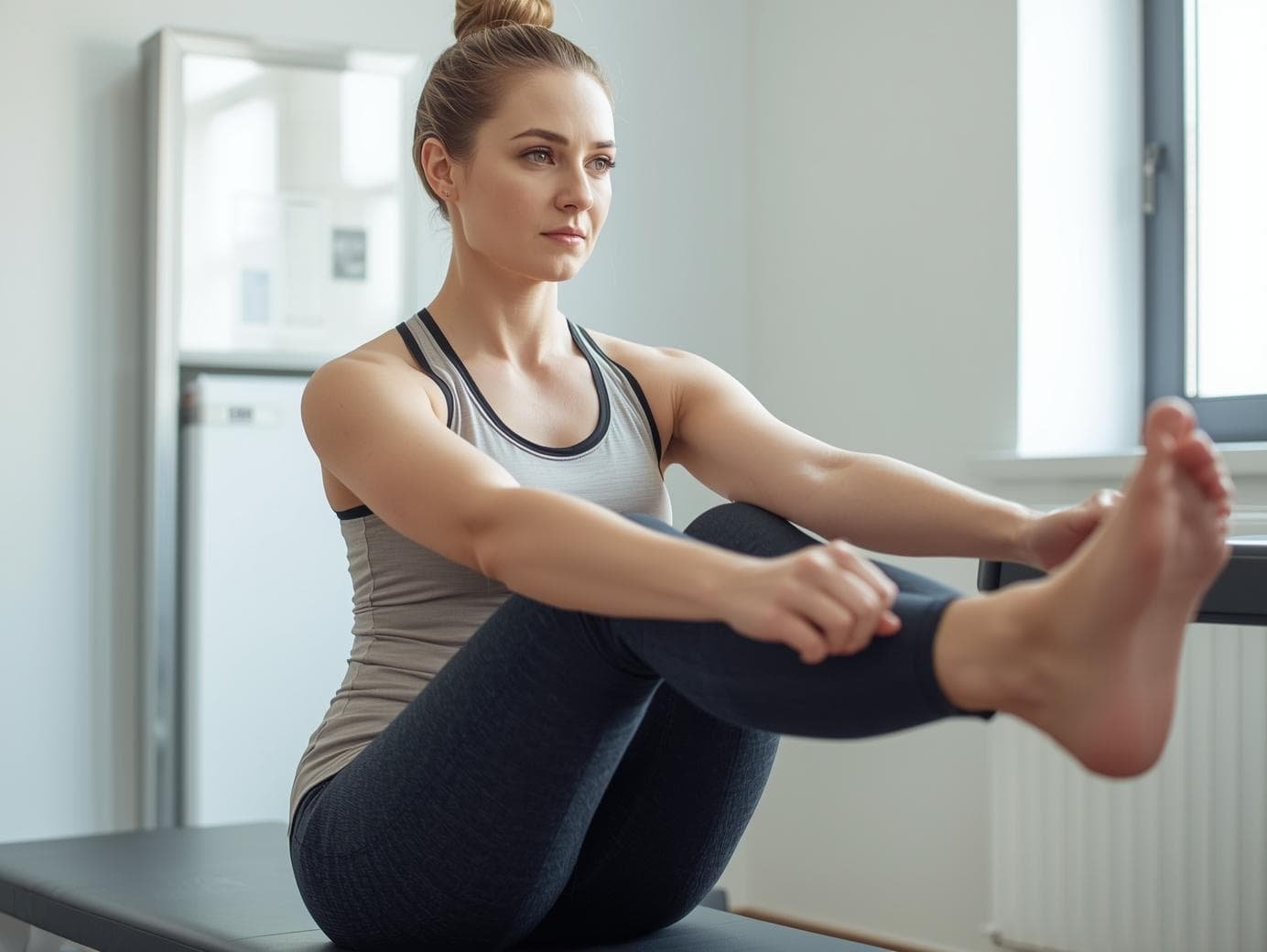
Tightness at the back of your thigh can pull your knee and cause strain. A gentle forward bend while sitting with one leg extended helps relax muscles and improve flexibility — making movement smoother.
Sit-to-Stand Exercise
One of the most practical exercises for daily life, this helps your knees handle activities like using the restroom, sitting on a chair, or getting out of bed. Stand up from a seated position without using your hands; lower yourself back slowly. It builds confidence and strength in movements you perform every day.
Clamshell Exercise
The position of your knee depends heavily on your hip strength. By lying on your side and opening the knees like a clam, you strengthen the hip muscles that align and protect the knees, extremely helpful for women who feel pain while climbing stairs.
Step-Up Exercise
If every step on the stairs feels like a challenge, this exercise targets exactly that movement. Step up on a stable low platform and come back down with control. It trains the knee to function pain-free during stair climbing.
Runner’s Knee Stretch
For those who feel pain more on the outer side of the knee, a side-leaning stretch with one leg crossed behind can relieve tightness around the IT band — commonly seen in runners and gym-goers.
How Often Should You Exercise?
Most people begin noticing improvement when they exercise at least 5 days a week, for about 15–20 minutes per day. Slow and steady wins the race — your knee gets stronger each week.
When Should You Stop?
Exercise should feel like effort, not punishment. If you notice sharp pain, sudden swelling, locking sensation, or difficulty walking after exercises — stop and seek help immediately from a physiotherapist.
When to Choose Physiotherapy?
If knee pain continues for over a week, prevents you from walking normally, or keeps coming back after rest, it’s a clear sign you may need professional knee physiotherapy. A trained therapist can guide you with manual therapy, taping techniques, strengthening protocols, and knee pain physiotherapy treatment tailored to your exact condition — not just generic exercises.
Conclusion
Your knees play a vital role in every step you take—walking, climbing, sitting, and even standing up. Taking proper care with the right exercises and professional physiotherapy guidance can prevent future complications. Consistency today protects your mobility for tomorrow, helping you remain strong and active at every age.
Frequently Asked Questions
1. Can physiotherapy cure knee pain permanently?
Yes. When knee pain is caused by weak muscles, stiffness, or incorrect movement patterns, physiotherapy provides a long-term solution by strengthening and correcting the joint support system.
2. How long does it take for physiotherapy to work for knee pain?
Most people begin to feel improvement within 2–4 weeks with a personalized knee pain physiotherapy treatment plan and consistent exercises.
3. What are the safest knee exercises for beginners at home?
Straight leg raise, quad setting, sit-to-stand practice, and hamstring stretch are some of the safest starter exercises approved by physiotherapists.
4.Can knee strengthening exercises be done every day?
Yes. Gentle exercises 5–6 days a week can improve strength and mobility. If you feel sharp pain or swelling, stop and get assessed properly.
5.Is it okay to do knee exercises if I have arthritis?
Absolutely. Physiotherapist-guided strengthening and mobility exercises reduce stiffness, improve function, and provide knee arthritis relief safely.
6. When should I avoid doing knee exercises?
Avoid exercising if you have severe pain, swelling, numbness, or difficulty bearing weight. These symptoms require immediate physiotherapy assessment.
7. Do I need a physiotherapist even if home exercises help?
Home exercises are great, but a physiotherapist ensures correct diagnosis, personalized progression, taping support if needed, and prevention of future knee issues.