
Can an ACL Tear Heal Without Surgery? Complete Guide
Introduction
Many people ignore back discomfort until it starts affecting daily life. A slight stiffness in the morning, pain while bending, or discomfort after long sitting hours are often early warning signs. Back pain does not always mean a serious condition. In many cases, it is the body’s response to weak muscles, poor posture, or lack of movement.
The good news is that simple movement can make a real difference. Learning safe back pain relief exercises at home helps reduce stiffness, improve flexibility, and support the spine naturally. When done regularly and correctly, these exercises help your body recover and prevent the problem from returning.
This article explains easy exercises, supportive habits, and safety tips you can follow at home. The goal is to help you understand your body better and manage discomfort confidently in daily life.
exercises for lower back pain at home
These are simple movements that gently activate the muscles supporting the spine. They are ideal for beginners and people with mild stiffness.
Who it is for:
People who sit for long hours, work on computers, or feel tightness after inactivity.
Key benefits:
- Improves blood circulation
- Reduces stiffness
- Improves flexibility
Examples include knee-to-chest stretch, pelvic tilt, and gentle cat-cow movements.
Safety note:
Avoid fast movements. Stop if sharp pain or numbness appears. Persistent symptoms should be evaluated by a physiotherapist near me or another qualified professional.
physiotherapy exercises for back pain
These exercises focus on strengthening and stabilizing muscles around the spine. They are commonly recommended in rehabilitation settings.
Who it is for:
Individuals recovering from injury, muscle strain, or recurring discomfort.
Key benefits:
- Improves posture support
- Prevents repeated strain
- Helps long-term pain control
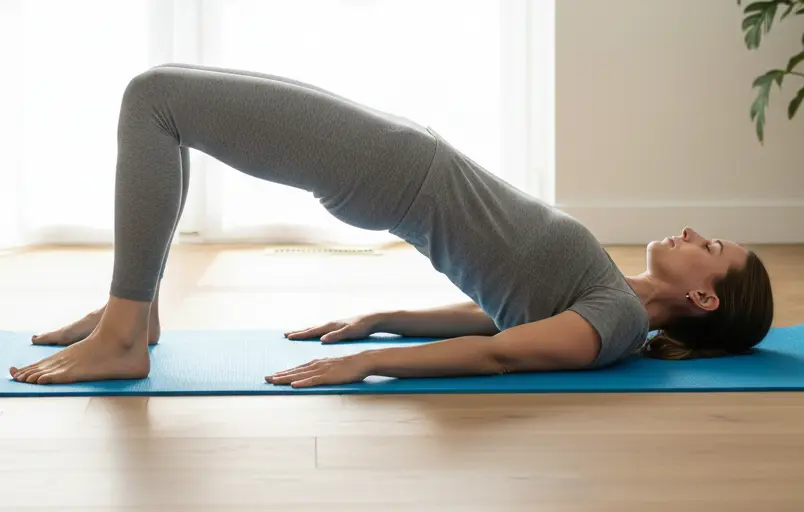
Typical movements include bridges, core activation, and controlled leg raises.
Safety note:
Proper technique matters. Incorrect posture can worsen symptoms. Some clinics, including Fitsiomax, guide patients on safe home routines and posture correction.
stretches for back pain relief
Stretching focuses on lengthening tight muscles around the hips and spine.
Who it is for:
People with morning stiffness or discomfort after sleeping.
Key benefits:
- Reduces muscle tension
- Improves mobility
- Helps relaxed movement
Common stretches include hamstring stretch, child’s pose, and hip flexor stretch.
Safety note:
Never force a stretch. Gentle tension is normal, pain is not.
home remedies for back pain relief
Home care techniques complement movement-based approaches.
Who it is for:
People experiencing occasional soreness.
Key benefits:
- Provides comfort
- Supports recovery
- Reduces muscle tightness
Helpful practices:
- Warm compress for stiffness
- Proper sitting support
- Hydration and regular movement breaks
Safety note:
If pain lasts more than two weeks, professional evaluation such as back pain treatment in Anna Nagar or another nearby assessment is advisable.
back pain treatment without surgery
Non-surgical care focuses on restoring function naturally.
Who it is for:
People with mild to moderate conditions like muscle strain or posture-related pain.
Key benefits:
- Avoids invasive procedures
- Improves body mechanics
- Encourages active recovery
Typical methods include guided exercises, posture correction, and ergonomic advice.
Safety note:
Severe nerve compression symptoms such as leg weakness require immediate medical attention.
daily stretches for back pain
Daily stretching maintains flexibility and prevents stiffness from returning.
Who it is for:
Office workers, drivers, and sedentary lifestyles.
Key benefits:
- Maintains mobility
- Prevents flare-ups
- Improves comfort during daily tasks
A simple routine:
- 5 minutes morning stretch
- 5 minutes evening mobility
Safety note:
Consistency is more important than intensity. Gentle daily effort works better than occasional aggressive stretching.
back pain relief physiotherapy
Physiotherapy focuses on identifying the cause rather than masking symptoms.
Who it is for:
People with recurring pain or difficulty performing normal activities.
Key benefits:
- Individualized movement plan
- Posture correction guidance
- Education about prevention
Many providers, including Fitsiomax, focus on teaching patients how to manage symptoms independently and safely at home.
Safety note:
Improvement takes time. Avoid expecting instant results.
how to cure back pain naturally
Natural recovery depends on lifestyle correction and regular movement.
Who it is for:
Individuals seeking non-drug solutions.
Key benefits:
- Encourages long-term wellness
- Improves body awareness
- Builds muscle strength
Key habits:
- Regular walking
- Balanced sitting posture
- Core strengthening
Safety note:
Persistent pain should never be ignored. Natural recovery still requires monitoring.
lower back pain exercise routine
A structured routine helps maintain progress.
Who it is for:
People who want consistent results.
Key benefits:
- Builds endurance
- Reduces recurrence
- Supports daily activity
Suggested weekly structure:
- 3 days strengthening
- 2 days stretching
- 2 days light activity like walking
Safety note:
Gradual progression is essential. Sudden intense workouts can trigger flare-ups.
Strengthening focuses on muscles around the knee and hips.
Conclusion
Back discomfort often develops gradually due to lifestyle habits. Learning back pain relief exercises at home gives people control over recovery. Gentle strengthening, consistent stretching, and posture awareness form the foundation of improvement.
However, exercises work best when combined with proper guidance when necessary. Recognizing early symptoms and making small daily changes can prevent long-term problems.
Frequently Asked Questions
1. How long does it take for back pain exercises to work?
In most cases, mild discomfort improves within two to four weeks. Based on general practice, consistency matters more than intensity. Daily gentle activity helps the body adapt gradually and safely.
2. Is walking good for lower back pain?
Yes, walking is generally beneficial. Professionals usually recommend short frequent walks because they improve circulation and reduce stiffness without stressing the spine.
3. Should I rest completely when my back hurts?
No, complete rest is rarely advised. In most cases, gentle movement supports healing. Prolonged bed rest can weaken muscles and slow recovery.
4. Can posture really cause back pain?
Yes, poor posture places continuous strain on spinal muscles. Based on general practice, correcting sitting habits alone often reduces recurring discomfort.
5. When should I see a professional?
You should seek evaluation if pain lasts more than two weeks, worsens, or causes numbness or weakness. Professionals usually recommend early assessment to prevent complications.
6. Are back pain exercises safe for older adults?
Yes, with proper modification. In most cases, low-impact stretches and guided strengthening are safe. Professional supervision helps select suitable exercises and prevents injury.