
ACL Injury Recovery: Physiotherapy Treatment and Exercises for Knee Pain
Introduction
An ACL injury can make simple activities such as walking, climbing stairs, getting up from a chair, or returning to sports difficult. The anterior cruciate ligament (ACL) is an important ligament inside the knee that helps maintain stability, especially during movements involving turning, stopping, jumping, or changing direction.
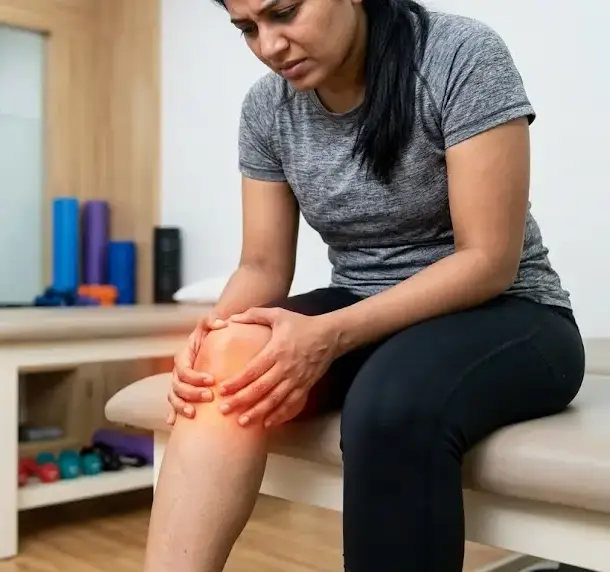
Knee pain, swelling, stiffness, reduced confidence while walking, and a feeling that the knee may give way can occur after an ACL injury. Recovery can vary depending on the severity of the injury, activity level, treatment approach, and whether surgery was required.
ACL injury physiotherapy in Chennai can support recovery by improving knee mobility, muscle strength, balance, stability, and functional movement. At Fitsiomax Physiotherapy & Fitness Centre, physiotherapy programmes are planned according to the patient’s condition, recovery stage, and daily or sporting requirements.
Can Physiotherapy Help ACL Recovery?
Yes. Physiotherapy can support ACL recovery by improving knee movement, reducing stiffness, rebuilding muscle strength, improving balance and knee stability, and gradually preparing the person for daily activities or sports. After ACL surgery, rehabilitation is usually progressed in stages under professional guidance rather than following the same exercises for everyone.
What Is an ACL Injury?
The anterior cruciate ligament, commonly called the ACL, is one of the major ligaments inside the knee. It helps control forward movement of the shin bone and contributes to knee stability during activities such as running, jumping, landing, and changing direction.
An ACL injury can range from a mild sprain to a partial or complete tear.
ACL injuries commonly occur during sports such as football, basketball, badminton, cricket, and other activities involving sudden changes in direction. They can also occur because of an awkward landing, sudden twisting movement, or accident.
Some people may be treated without surgery, while others may require ACL reconstruction depending on the injury and their functional requirements. A proper assessment is important before deciding on a rehabilitation programme.
What Causes an ACL Injury?
ACL injuries can happen when the knee experiences a sudden force or movement.
Common situations include:
– Sudden change of direction while running
– Incorrect landing after jumping
– Twisting the knee while the foot remains planted
– Sudden stopping during sports
– Direct impact to the knee
– Falls or accidents
– Poor landing mechanics
– Returning to sports before adequate rehabilitation
For athletes, inadequate strength, balance, movement control, or previous knee injury may also affect performance and injury risk.
What Are the Common Symptoms of an ACL Tear?
Symptoms can vary depending on the severity of the injury.
Common signs include:
– Knee pain
– Swelling around the knee
– Difficulty putting weight on the leg
– Reduced knee movement
– Knee stiffness
– Feeling of instability or giving way
– Difficulty running or changing direction
– Reduced confidence while using the affected leg
Some people notice a popping sensation at the time of injury. Significant swelling or inability to bear weight after an injury should be assessed by a qualified healthcare professional.
How Often Should You Do Strength Training?
ACL injuries are more common in people involved in sports that require frequent jumping, landing, pivoting, or sudden changes in direction.
People who may have a higher risk include:
– Athletes and recreational sports players
– People returning to sports after a long break
– Individuals with previous knee injuries
– People with reduced lower-limb strength or movement control
– Individuals performing sudden high-intensity activities without adequate preparation
However, an ACL injury can happen to anyone following an accident or unexpected twisting movement.
How Can Physiotherapy Help With ACL Injury Recovery?
ACL rehabilitation focuses on restoring movement, strength, stability, balance, and functional ability.
A physiotherapist may first assess knee movement, swelling, muscle strength, walking pattern, balance, pain, and functional limitations. The program can then be adjusted according to the recovery stage.
Physiotherapy may help with:
Improving Knee Mobility
Gentle mobility exercises can help address stiffness and gradually improve the available range of knee movement.
Building Muscle Strength
After an ACL injury or surgery, the muscles around the knee and hip can become weaker. Progressive strengthening may target the quadriceps, hamstrings, gluteal muscles, and other supporting muscles.
Improving Knee Stability
Balance and proprioception exercises can help the body improve awareness and control of the affected leg.
Improving Movement Patterns
A physiotherapist can assess movements such as walking, sitting, squatting, stepping, landing, and changing direction and provide appropriate movement training.
Supporting Return to Activity
For athletes, rehabilitation may gradually progress from basic exercises to functional drills according to individual recovery and professional assessment.
What Physiotherapy Treatments Are Used for ACL Rehabilitation?
There is no single exercise programme that suits every ACL injury. Treatment is generally progressed according to the person’s symptoms, strength, movement, and recovery stage.
Common rehabilitation approaches may include:
– Knee mobility exercises
– Quadriceps strengthening
– Hamstring strengthening
– Hip and glute strengthening
– Balance exercises
– Proprioception training
– Functional movement exercises
– Stretching when appropriate
– Gait and movement retraining
– Manual therapy when clinically appropriate
– Progressive resistance exercises
– Sports-specific rehabilitation
After ACL reconstruction, rehabilitation usually progresses through different stages. Early rehabilitation may focus on swelling management, restoring movement, activating muscles, and safe weight-bearing. Later stages may focus more on strength, balance, functional movement, and activity-specific training.
Exercises should be selected and progressed by a qualified professional based on the individual’s condition.
What Are Some Common ACL Recovery Exercises?
Depending on the stage of rehabilitation, a physiotherapist may prescribe exercises such as:
– Quadriceps activation exercises
– Straight-leg raises
– Heel slides
– Controlled knee bends
– Glute strengthening exercises
– Hamstring strengthening
– Step-up exercises
– Balance exercises
– Controlled squats
– Progressive resistance training
Not every exercise is appropriate immediately after an ACL injury or surgery. Performing advanced exercises too early may place unnecessary stress on the recovering knee.
Can ACL Physiotherapy Help With Knee Pain?
Physiotherapy can help address some causes of knee pain associated with an ACL injury by improving movement, muscle function, strength, and load management.
However, persistent or severe knee pain should not simply be treated with exercises without understanding the underlying problem. A professional assessment can help determine whether the pain may be related to the ACL, another knee structure, muscle weakness, post-surgical stiffness, or another condition.
Prevention and Home Care Tips
While not every ACL injury can be prevented, good movement habits and appropriate physical preparation may help reduce injury risk.
Consider these general tips:
– Warm up before sports or high-intensity exercise.
– Build leg and hip strength gradually.
– Practise controlled landing and movement techniques.
– Avoid suddenly increasing exercise intensity.
– Give the body adequate recovery time.
– Follow your rehabilitation programme consistently.
– Do not return to competitive sports solely because pain has reduced.
– Follow professional advice after ACL surgery.
If an exercise causes significant pain, swelling, or instability, stop and discuss it with your physiotherapist.
When Should You Consult a Physiotherapist?
Consider professional assessment if you experience:
– Persistent knee pain after an injury
– Swelling following a twisting injury
– Difficulty walking or using stairs
– Knee stiffness that does not improve
– Repeated episodes of the knee giving way
– Weakness after ACL surgery
– Difficulty returning to normal activities
– Uncertainty about which exercises are safe
– Difficulty returning to sports after rehabilitation
If there is a major injury, severe swelling, deformity, inability to bear weight, or severe pain, medical evaluation should be sought promptly.
Why Choose Fitsiomax in Chennai?
Fitsiomax Physiotherapy & Fitness Centre provides physiotherapy and rehabilitation support for people dealing with musculoskeletal pain, sports injuries, movement limitations, and post-surgery rehabilitation.
The rehabilitation approach can be tailored to the individual’s condition, lifestyle, activity level, and recovery goals. Treatment may include mobility work, strengthening, functional rehabilitation, movement correction, and progressive exercises where appropriate.
Fitsiomax serves patients through its Anna Nagar, T. Nagar, Parrys, and ECR branches in Chennai.
Whether someone is recovering from an ACL injury, dealing with knee pain, or looking for structured post-surgery rehabilitation, a professional assessment can help determine the appropriate treatment approach.
Local Physiotherapy Support in Chennai
If you are searching for ACL injury physiotherapy in Chennai, choosing a clinic that is convenient for regular rehabilitation can make it easier to follow a consistent program.
Fitsiomax provides physiotherapy services through:
– Physiotherapy clinic in Anna Nagar – suitable for patients looking for physiotherapy and rehabilitation support in and around Anna Nagar.
– Physiotherapy clinic in T. Nagar – convenient for people seeking physiotherapy in central Chennai.
– Physiotherapy clinic in Parrys – provides access to physiotherapy and rehabilitation services in the Parrys area.
– Physiotherapy clinic in ECR – serves patients looking for physiotherapy along the ECR and surrounding areas.
– Physiotherapy near me in Chennai – patients can choose the Fitsiomax branch most convenient for their location.
Conclusion
ACL recovery is a gradual process that requires appropriate rehabilitation, strength development, movement control, and patience. Whether an ACL injury is being managed conservatively or after reconstruction surgery, the rehabilitation programme should be based on the individual’s condition and recovery stage.
ACL injury physiotherapy in Chennai can support improvements in knee mobility, strength, stability, balance, and functional movement when appropriately prescribed.
If you are experiencing knee pain after an ACL injury or surgery, consult a qualified physiotherapist for an individual assessment.
Looking for physiotherapy support in Chennai? Contact Fitsiomax Physiotherapy & Fitness Centre and book an assessment at the branch most convenient for you.
Visit fitsiomax.clinic | Call us | Walk into our clinic in Chennai
Frequently Asked Questions
1. Can physiotherapy help with an ACL injury?
Yes. Physiotherapy can support ACL recovery by improving knee mobility, strength, balance, stability, and functional movement. The programme depends on the severity of the injury and whether surgery was performed.
2. How long does ACL rehabilitation take?
Recovery time varies significantly between individuals. It depends on the type of ACL injury, treatment approach, surgery status, strength, symptoms, activity level, and rehabilitation progress.
3. Can I exercise after ACL surgery?
Exercise is an important part of ACL rehabilitation, but exercises should be introduced progressively. A physiotherapist can recommend exercises appropriate for each stage of recovery.
4. Is physiotherapy necessary after ACL reconstruction?
Structured rehabilitation is generally an important part of recovery after ACL reconstruction. It can help restore movement, strength, balance, stability, and functional ability.
5. Where can I get ACL injury physiotherapy in Chennai?
Fitsiomax Physiotherapy & Fitness Centre provides physiotherapy and rehabilitation services through branches in Anna Nagar, T. Nagar, Parrys, and ECR. Patients can choose the branch that is most convenient for them.