
Top 5 Effective Exercises to Strengthen Your Core and Build Stability

Introduction
If you’re struggling with stiffness, numbness, or discomfort in your lower back, it could be a sign of lumbar spondylosis a common spine condition caused by age-related wear and tear. The good news is that you don’t have to live with pain or limited movement. With the right lumbar spondylosis exercises, you can naturally strengthen your lower back, restore flexibility, and reduce discomfort.
This guide covers the top 5 effective exercises for lumbar spondylosis relief, along with practical physiotherapy tips for lumbar spondylosis and long-term spine care strategies. Whether you’re recovering from an injury or aiming to prevent future pain, these lower back strengthening exercises will help you move freely and confidently.
What Is Lumbar Spondylosis?
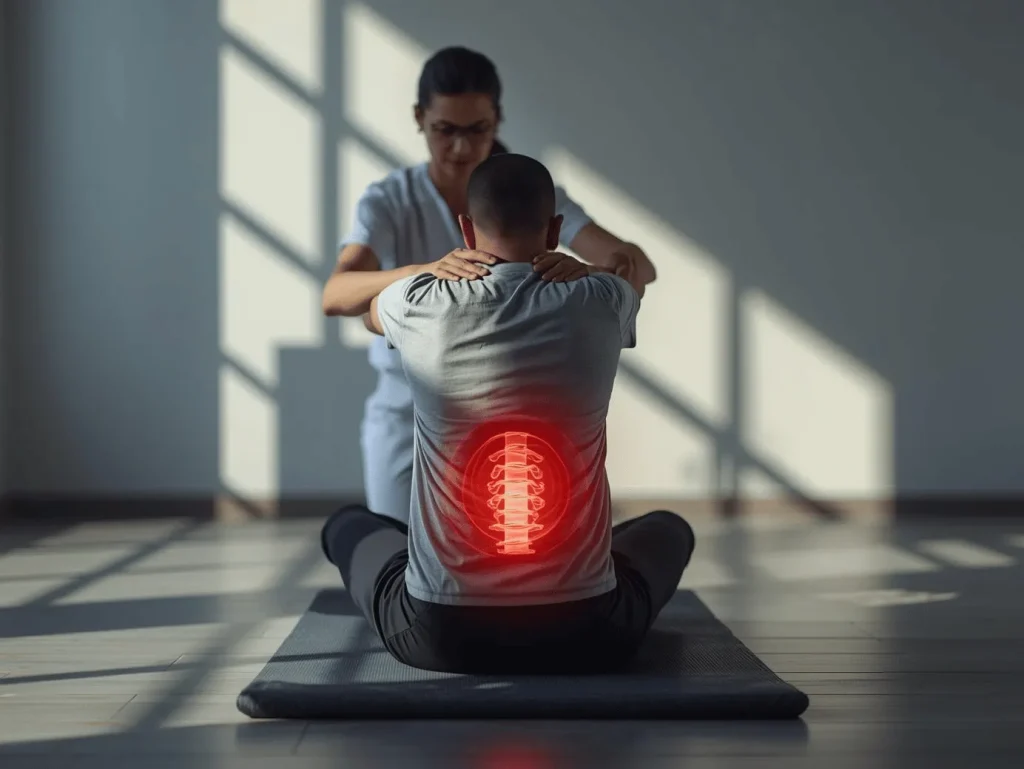
Lumbar spondylosis refers to the degeneration of the discs and joints in the lower spine (lumbar region). Over time, these discs lose elasticity and cushioning, leading to stiffness, inflammation, and back pain. People with sedentary jobs, poor posture, or prolonged sitting are at higher risk.
Common symptoms include:
- Persistent dull lower back pain
- Morning stiffness
- Reduced range of motion
- Numbness or pain radiating to the legs
Fortunately, you can manage this condition effectively through physiotherapy for lumbar spondylosis and targeted lower back exercises. These routines strengthen the spine-supporting muscles, improve flexibility, and relieve pressure on affected discs.
Benefits of Doing Lumbar Spondylosis Exercises Regularly
Performing spondylosis exercises consistently helps manage pain and strengthens your spine for long-term health. These lower back exercises boost blood flow, build core stability, and enhance posture.
Key Benefits
Pain Reduction: Strengthening back and core muscles reduces stress on spinal joints.
Improved Flexibility: Regular lower back stretches loosen stiff ligaments.
Better Posture: A strong core supports spinal alignment and reduces strain.
Injury Prevention: Stronger muscles protect your spine during movement.
1. Pelvic Tilt
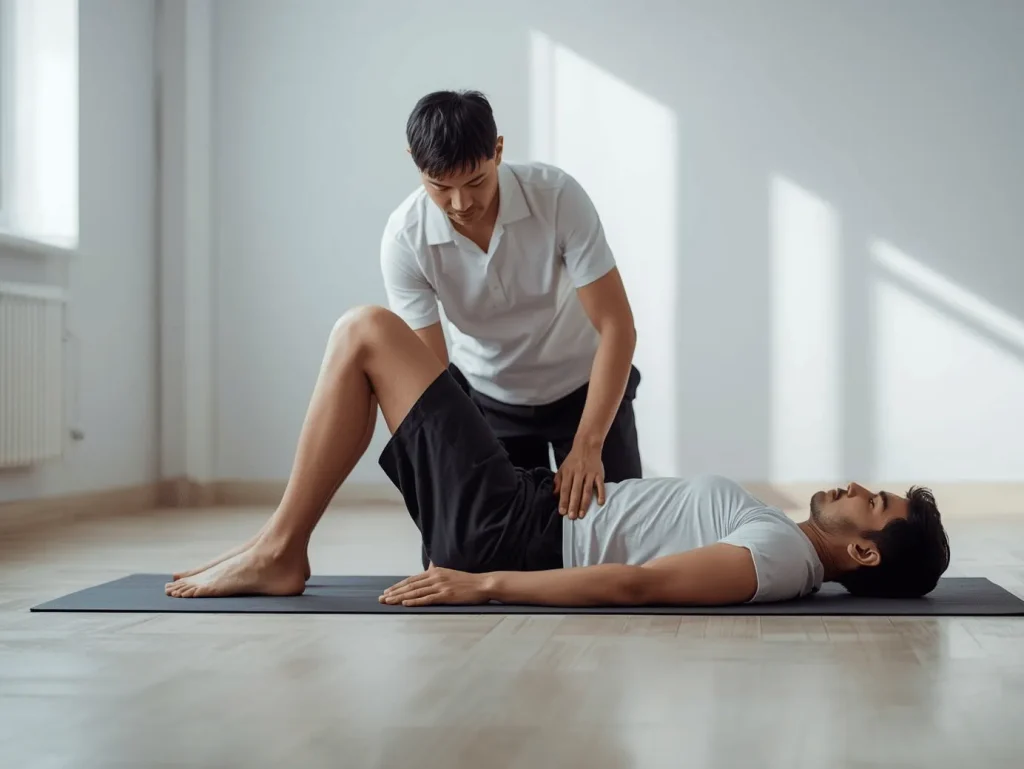
The Pelvic Tilt is one of the safest and most effective low back exercises for beginners. It strengthens your abdominal and lower back muscles while improving spinal alignment.
How to Do It:
- Lie on your back with knees bent and feet flat.
- Tighten your abdominal muscles and flatten your lower back against the floor.
- Tighten your abdominal muscles and flatten your lower back against the floor.
- Hold for 5 seconds, then relax.
- Repeat 10–15 times
Why It Helps:
It improves muscle control and reduces lower back tension a key step for long-term lower back pain relief. Combine this with our Posture Correction Physiotherapy sessions to improve spinal balance and reduce daily strain.
2. Cat-Cow Stretch
The Cat-Cow Stretch is a yoga-inspired movement used in spine mobility physiotherapy to enhance flexibility and relieve stiffness.
How to Do It:
- Get on all fours with your hands under shoulders and knees under hips.
- Inhale and arch your back (Cow Pose).
- Exhale and round your spine (Cat Pose).
Repeat 10–12 times slowly.
Why It Helps:
This lower back stretch improves posture, flexibility, and promotes healthy spinal movement. For guided flexibility routines, try our Spine Mobility & Stretching Programs at Fitsiomax Physiotherapy Chennai.
3. Partial Crunches
Partial Crunches are one of the best lower back strengthening exercises to activate your abdominal and spinal stabilizing muscles safely.
How to Do It:
- Lie on your back with knees bent and feet flat.
- Cross your arms over your chest.
- Lift your shoulders slightly, keeping your neck relaxed.
- Hold for 2 seconds and return slowly.
- Repeat 10 times.
Why It Helps:
Builds core strength and supports your spine’s natural curvature. This movement pairs perfectly with core rehabilitation physiotherapy to restore back stability.
4. Knee-to-Chest Stretch
A gentle exercise for lumbar spondylosis, this move reduces pressure on spinal discs and enhances flexibility.
How to Do It:
- Lie on your back and gently pull one knee toward your chest.
- Hold for 10–15 seconds.
- Switch legs and repeat 5 times per side.
Why It Helps:
This lower back stretch helps elongate the spine and relieve compression in the lumbar region. Accelerate recovery with our expert-guided Physiotherapy for Lumbar Spondylosis in Chennai, available at Fitsiomax Clinic.
5. Bird Dog Exercise
The Bird Dog Exercise enhances spinal coordination and strengthens your back, shoulders, and hips — ideal for those with lower back pain or posture issues.
How to Do It:
- Begin on all fours.
- Extend your right arm forward and left leg backward.
- Keep your spine neutral and hold for 5 seconds.
- Switch sides and repeat 10 times.
Why It Helps:
Improves spinal stability, balance, and endurance making it one of the best exercises to strengthen the lower back for daily practice. Get hands-on training at our Fitsiomax Physiotherapy & Fitness Studio for safe and supervised lower back strengthening.
Additional Tips to Strengthen Your Lower Back
Building a stronger spine goes beyond exercise. Follow these expert physiotherapy-backed tips:
- Maintain a neutral sitting posture while working.
- Perform lower back stretches before and after workouts.
- Stay active; avoid sitting too long.
- Watch lumbar spondylosis exercises with pictures for proper form.
- If pain persists, consult back pain physiotherapy experts in Chennai immediately.
Conclusion
You don’t have to live with chronic back discomfort. With consistent lumbar spondylosis exercises, guided physiotherapy sessions in Chennai, and posture correction, you can strengthen your spine, improve flexibility, and enjoy lasting lower back pain relief. At Fitsiomax Physiotherapy Clinic Chennai, our experts design personalized treatment plans combining exercise, therapy, and rehabilitation helping you restore movement, rebuild confidence, and live pain-free every day.
Frequently Asked Questions
1. What are the best core strengthening exercises for beginners?
The best core strengthening exercises for beginners include planks, pelvic bridges, bird dog exercises, and abdominal bracing. These exercises improve stability and reduce back pain when performed correctly under physiotherapy guidance.
2.Where can I do core strengthening exercises safely in Chennai?
You can safely do core strengthening exercises at a physiotherapy clinic in Chennai where a trained physiotherapist evaluates your posture, pain points, and fitness level before recommending exercises.
3. Can core strengthening exercises help with back pain and posture problems?
Yes, core strengthening exercises help support the spine, improve posture, and reduce lower back pain. A strong core improves balance and prevents recurring pain caused by weak muscles.
4.Is physiotherapy near me recommended for core stability training?
Yes, choosing physiotherapy near you for core stability training ensures regular sessions, proper supervision, and faster results. Nearby physiotherapy clinics also help maintain consistency in exercise routines.
5.Do I need a physiotherapist to guide core strengthening exercises?
A physiotherapist ensures that core strengthening exercises are performed safely and correctly. Professional guidance reduces the risk of injury and improves results, especially for people with back, knee, or neck pain.
6.How long does it take to see results from core strengthening physiotherapy?
Most people notice improved stability and reduced pain within 3 to 4 weeks of consistent core strengthening exercises guided by a physiotherapist.
7. How can I book a physiotherapy consultation in Chennai for core strengthening?
You can book a physiotherapy consultation in Chennai by contacting a local physiotherapy clinic through phone, WhatsApp, or an online appointment form to start a personalized core strengthening program.