Sports Injury or Normal Muscle Pain? How to Know the Difference
Introduction
Muscle pain after exercise is common, especially after trying a new workout, increasing training intensity, or returning to sports after a break. But how do you know whether the pain is simply normal muscle soreness or a sports injury?
Normal muscle soreness often develops after unfamiliar or intense activity and usually improves gradually. Delayed onset muscle soreness (DOMS), for example, commonly appears around 24–72 hours after activity.
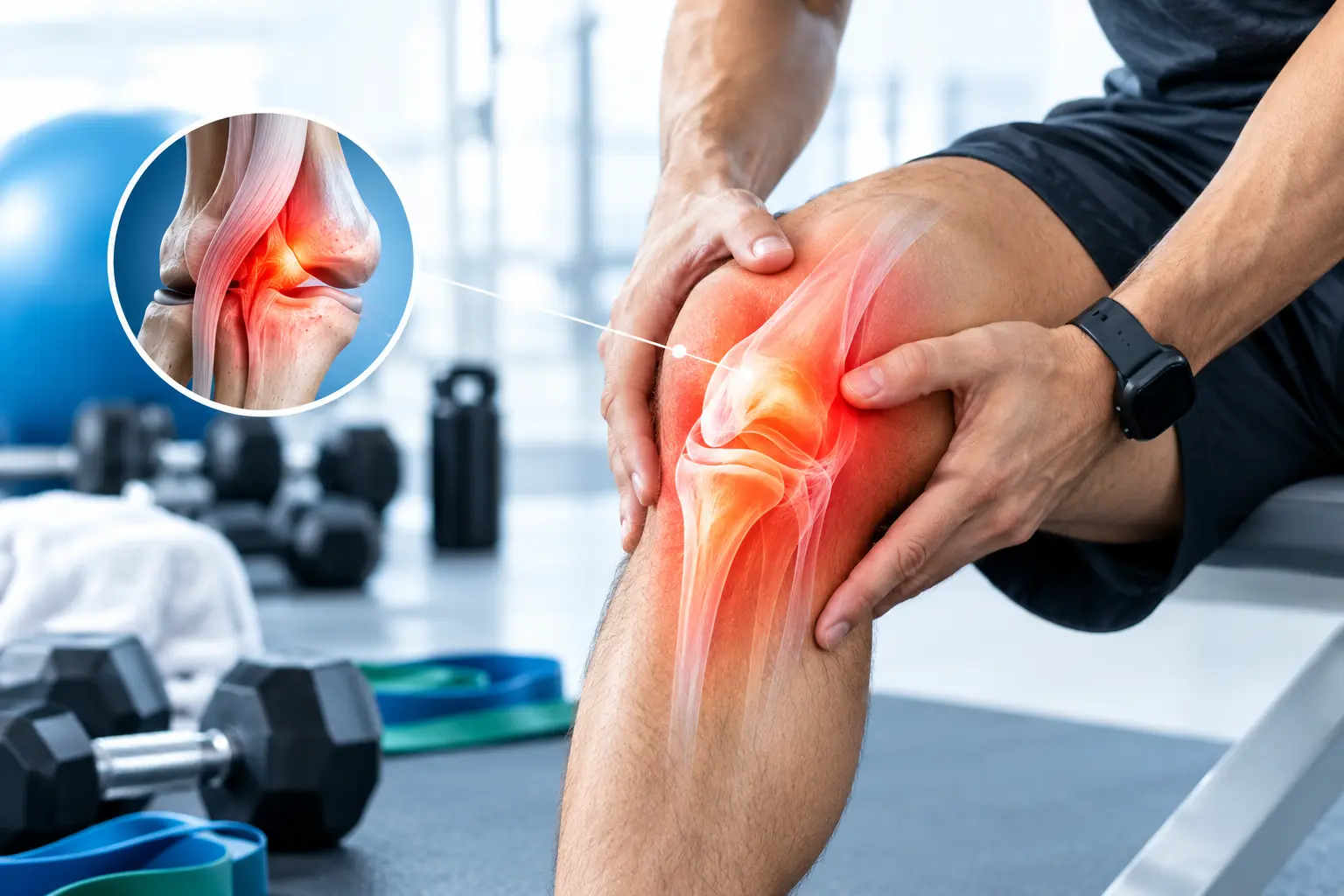
A sports injury may be different. Sudden pain during exercise, swelling, bruising, weakness, difficulty moving, or pain that keeps getting worse can indicate a problem that needs professional assessment.
Understanding these differences can help athletes, gym users, office workers and active adults make better decisions about exercise and recovery. At Fitsiomax Physiotherapy & Fitness Centre, sports-related pain and movement problems can be assessed and managed through an appropriate physiotherapy programme in Chennai.
What Is a Sports Injury?
A sports injury is an injury that occurs during sports, exercise, training or other physical activity.
It can affect different parts of the body, including:
- Muscles
- Tendons
- Ligaments
- Joints
- Bones
A muscle strain, for example, involves an overstretched or torn muscle, while a sprain involves an injured ligament. Pain, tenderness, weakness, swelling and bruising can occur depending on the injury.
Sports injuries can happen suddenly, such as during a sprint or awkward landing, or gradually through repetitive stress and overuse.
What Is Normal Muscle Soreness?
Normal muscle soreness is a common response to physical activity.
It can happen when you:
- Start a new workout
- Increase weights suddenly
- Run longer than usual
- Try a new sport
- Return to exercise after a break
- Perform exercises that use muscles differently
This type of discomfort is often called delayed onset muscle soreness (DOMS). It commonly develops 24–72 hours after unfamiliar activity.
Normal muscle soreness may feel like:
- General muscle aching
- Stiffness
- Mild tenderness
- Temporary muscle fatigue
- Discomfort when using the exercised muscles
The important point is that it should generally improve gradually rather than continually getting worse.
Sports Injury Symptoms: What Should You Watch For?
Not every ache after exercise means you are injured. However, certain symptoms deserve more attention.
1. Sudden or Sharp Pain
Pain that starts suddenly during running, jumping, lifting, throwing or changing direction may indicate an injury.
2. Pain During Exercise
Mild post-workout soreness is different from significant pain during exercise.
If a particular movement immediately produces sharp or localized pain, stop and assess the situation rather than repeatedly testing it.
3. Swelling
Noticeable or increasing swelling after a sports injury can be a warning sign.
4. Bruising
Unexpected bruising around an injured muscle or joint can occur with some strains and other injuries.
5. Weakness
Sudden weakness or difficulty using the affected body part may suggest more than ordinary muscle soreness.
6. Restricted Movement
If you cannot move a joint or body part normally, professional assessment may be appropriate.
7. Pain That Keeps Getting Worse
Normal muscle soreness should generally settle with recovery. Persistent or worsening soreness should be discussed with a physiotherapist or healthcare professional.
What Causes Sports Injuries?
Several factors can contribute to sports injuries.
Sudden Training Increase
Increasing your running distance, weights, repetitions or training frequency too quickly can place additional stress on tissues.
Poor Exercise Technique
Incorrect technique during weight training, running, jumping or sports movements may increase mechanical stress.
Muscle Fatigue
Tired muscles may affect movement control and technique.
Insufficient Recovery
Training hard without adequate recovery can make it difficult for the body to adapt.
Previous Injury
Returning to sport before recovering adequately from an earlier injury may increase the risk of recurring symptoms.
Lack of Preparation
Insufficient warm-up and suddenly performing high-intensity movements can contribute to injury risk.
Who Is More Likely to Experience a Sports Injury?
Sports injuries can affect anyone, not just professional athletes.
You may be more likely to experience problems if you:
- Suddenly increase workout intensity
- Exercise after a long period of inactivity
- Participate in high-impact sports
- Repeat the same movement frequently
- Have muscle weakness or mobility restrictions
- Return to sport too quickly after an injury
- Train despite persistent pain
- Have previously experienced a sports injury
For example, an office worker who sits for long hours and suddenly starts in
Can Physiotherapy Help With Sports Injuries?
Yes. Sports injury physiotherapy may help improve movement, strength and function depending on the injury and individual assessment.
Physiotherapy commonly uses exercise, manual therapy and personalised advice for musculoskeletal problems, including sports injuries such as strains and sprains.
A physiotherapist may assess:
- Pain location and behaviour
- Joint mobility
- Muscle strength
- Flexibility
- Balance
- Movement patterns
- Functional limitations
- Sports-specific movements
The findings can then guide a suitable rehabilitation programme.
Sports Injury Treatment: What May Be Included?
Treatment depends on the type and severity of the injury.
Exercise Therapy
Specific exercises may help improve strength, mobility and control.
Stretching and Mobility
Appropriate stretching and mobility exercises may help restore movement where stiffness is present.
Strengthening
Progressive strengthening can help rebuild physical capacity before returning to demanding activity.
Manual Therapy
Manual therapy may be used as part of an overall physiotherapy programme to support movement and symptom management.
Movement Correction
Your physiotherapist may identify movement patterns that could be contributing to symptoms.
Sports-Specific Rehabilitation
Rehabilitation can gradually introduce movements that match the demands of your sport.
The aim is not simply to make pain disappear. Rehabilitation can focus on restoring appropriate movement and physical capacity for a safe return to activity.
Sports Injury Recovery: How Long Does It Take?
There is no fixed timeline for sports injury recovery.
Recovery depends on:
- Type of injury
- Severity
- Location
- Previous injuries
- Physical condition
- Treatment
- Rehabilitation progress
- Sports demands
Some minor sprains and strains improve within a few weeks, while more significant injuries can take considerably longer.
Returning to sport should therefore be gradual rather than based only on whether the pain has temporarily reduced.
Sports Injury Prevention Tips
You can reduce some injury risks with sensible training habits.
Warm Up
Prepare your body before high-intensity exercise.
Increase Training Gradually
Avoid sudden increases in weights, running distance, repetitions or training frequency.
Focus on Technique
Correct technique can help you perform movements more efficiently.
Strengthen Supporting Muscles
A balanced strengthening programme can support sports performance.
Give Your Body Time to Recover
Recovery days are particularly important after demanding workouts.
Don’t Ignore Persistent Pain
If symptoms continue or become worse, get an appropriate assessment instead of repeatedly training through the pain.
When to Consult a Physiotherapist
You should consider seeing a physiotherapist if:
- Pain continues after the expected recovery period
- Pain repeatedly returns during exercise
- You have difficulty moving normally
- You experience weakness
- Your sports performance has decreased
- You cannot comfortably perform normal activities
- You are unsure whether the problem is muscle soreness or an injury
- You want guidance for returning to sports after injury
Significant swelling, bruising, inability to bear weight, severe pain or worsening symptoms may require prompt medical assessment.
If you have a serious injury, deformity, numbness, loss of sensation or another emergency symptom, seek urgent medical care rather than relying on physiotherapy alone.
Sports Injury Physiotherapy in Chennai
If you are searching for sports injury physiotherapy in Chennai, Fitsiomax Physiotherapy & Fitness Centre provides physiotherapy and rehabilitation support for sports-related pain and movement problems.
Fitsiomax has branches serving:
- Anna Nagar
- T. Nagar
- Parrys
- ECR
Whether you’re an athlete, gym user, working professional or active adult, the right rehabilitation approach depends on your symptoms, movement and individual needs.
If you have been searching for sports injury physiotherapy near me or a physiotherapist for sports injury in Chennai, consider an assessment before returning to high-intensity activity.
Why Choose Fitsiomax in Chennai?
Fitsiomax Physiotherapy & Fitness Centre focuses on physiotherapy, fitness, pain management and rehabilitation.
Depending on the individual’s condition, treatment may include:
- Mobility exercises
- Strengthening exercises
- Stretching
- Manual therapy
- Movement correction
- Functional rehabilitation
- Sports rehabilitation
- Return-to-activity guidance
The goal is to provide patient-specific care rather than assuming every sports injury requires the same treatment.
Conclusion
The difference between normal muscle soreness and a sports injury often comes down to how the pain begins, where it occurs, its severity and how it changes during recovery.Mild soreness after a new or intense workout can be normal. But sudden pain, swelling, bruising, weakness, restricted movement or persistent symptoms should not be ignored.If you’re unsure about sports injury symptoms, getting a professional assessment can help you understand the problem and choose an appropriate recovery plan.For patients looking for sports injury treatment in Chennai, Fitsiomax Physiotherapy & Fitness Centre provides physiotherapy and rehabilitation support across Anna Nagar, T. Nagar, Parrys and ECR.
Visit fitsiomax.clinic | Call us | Walk into our clinic in Chennai
Frequently Asked Questions
1. How do I know if I have a sports injury or normal muscle soreness?
Normal muscle soreness usually develops after exercise and gradually improves. A sports injury may cause sudden or localized pain, swelling, bruising, weakness or restricted movement.
2. Is muscle pain after exercise normal?
Mild soreness after unfamiliar or intense exercise can be normal. Delayed onset muscle soreness commonly develops 24–72 hours after activity.
3. Can physiotherapy help with sports injuries?
Yes. Depending on the condition, physiotherapy may help improve movement, strength and function through exercise, manual therapy and rehabilitation.
4. When should I see a physiotherapist for a sports injury?
Consider an assessment when pain persists, repeatedly returns, affects movement or sports performance, or you are unsure whether your symptoms represent soreness or an injury.
5. How can I prevent sports injuries?
Gradually increase training, use appropriate technique, warm up, strengthen supporting muscles, allow sufficient recovery and avoid ignoring persistent pain.