
Plantar Fasciitis Treatment with Physio Support
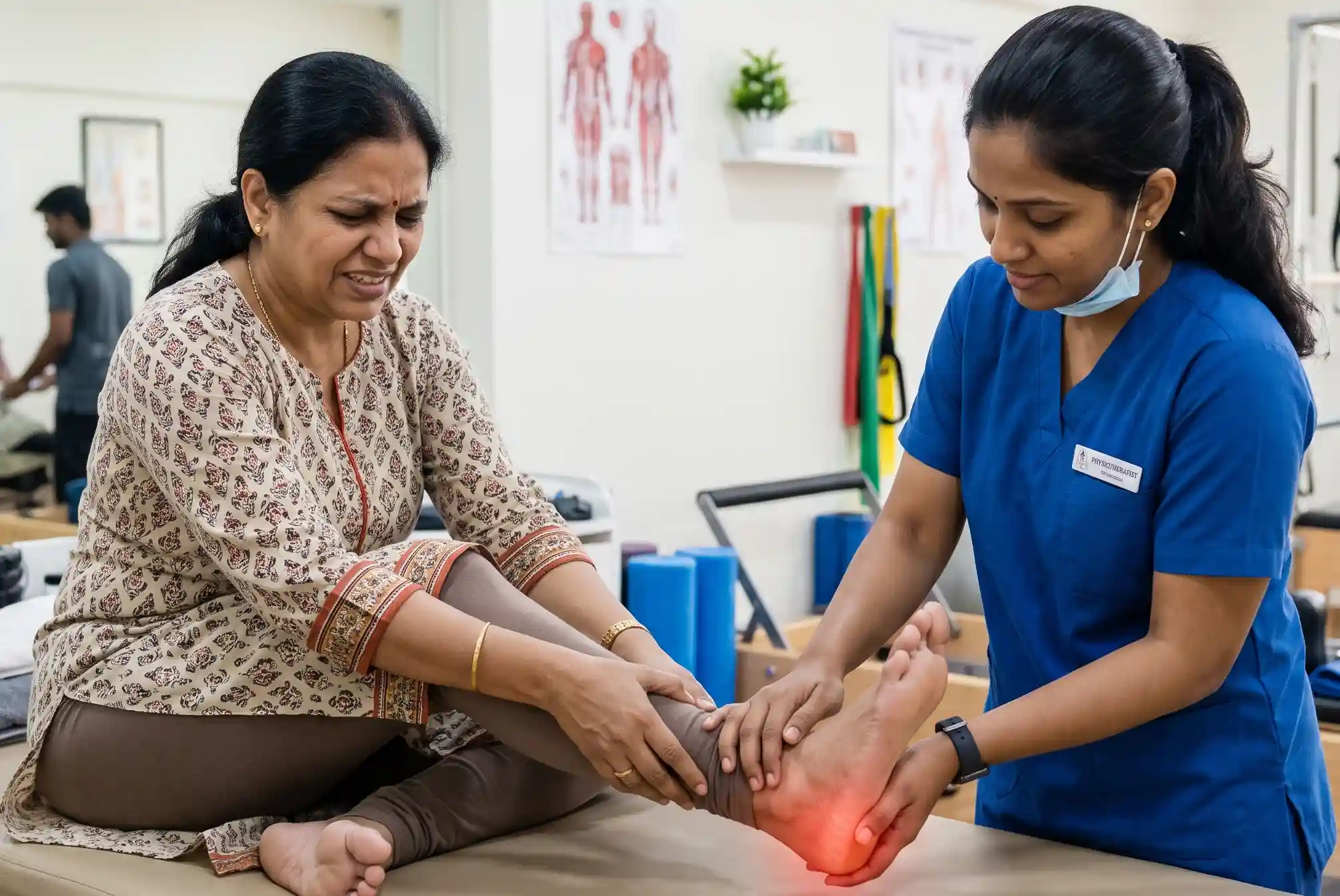
Introduction
Plantar fasciitis can make walking, standing, climbing stairs, exercising, and daily work painful. Many patients feel sharp heel pain, morning heel pain, pain in heel of foot, bottom of heel pain, or foot arch pain during the first few steps after waking up. This problem is common among people who stand for long hours, wear unsupportive footwear, increase walking suddenly, or have calf tightness and poor foot biomechanics.
Plantar Fasciitis Treatment in Chennai through physiotherapy may help reduce pain, improve foot movement, strengthen the foot, and support better walking. At Fitsiomax Physiotherapy & Fitness Centre, patients from Anna Nagar, T. Nagar, Parrys, and ECR receive assessment-based plantar fasciitis physiotherapy and foot pain physiotherapy for safe recovery support.
Plantar fasciitis treatment with physiotherapy focuses on reducing heel pain, improving foot mobility, stretching tight calf muscles, strengthening the foot, correcting walking patterns, and giving home exercise guidance. It may help with plantar fasciitis pain relief, morning heel pain, walking difficulty, and repeated foot strain.
What Is Plantar Fasciitis?
Plantar fasciitis is a common foot condition that causes pain near the heel and arch of the foot. The plantar fascia is a thick band of tissue under the foot that supports the arch and helps with walking.
Many people ask, “what is plantar fasciitis?” In simple words, it is irritation or inflammation of the plantar fascia due to repeated stress, overuse, poor support, or tight muscles. The pain is usually felt at the bottom of the heel and may be worse after rest.
Plantar fasciitis heel pain can affect walking, work, exercise, and daily comfort if not managed properly.
Common Plantar Fasciitis Causes
Plantar fasciitis causes can vary from person to person. In many cases, the pain develops slowly due to repeated pressure on the heel and foot arch.
Common causes include:
- Long standing at work
- Walking on hard floors
- Poor footwear support
- Calf tightness
- Sudden increase in walking or running
- Weak foot muscles
- Poor foot biomechanics
- Increased body weight pressure on the foot
- Sports activity or overuse
- Reduced ankle mobility
- Lack of arch support
Office workers, teachers, shop workers, athletes, runners, senior citizens, and people who walk or stand for long hours may have a higher risk of plantar fasciitis pain.
Common Plantar Fasciitis Symptoms
Plantar fasciitis symptoms usually affect the heel, arch, and walking comfort.
Common symptoms include:
- Heel pain
- Morning heel pain
- Pain in heel of foot
- Bottom of heel pain
- Foot arch pain
- Pain after standing for long hours
- Heel stiffness
- Walking difficulty
- Pain after rest
- Pain during the first steps after waking up
- Pain that reduces with movement but returns later
If pain becomes severe, keeps returning, or affects normal walking, it is better to consult a qualified physiotherapist or doctor.
Who Is at Risk of Plantar Fasciitis?
Plantar fasciitis can affect active people and less active people. People who suddenly increase walking, running, gym workouts, or standing time may develop symptoms.
People at higher risk include:
- Runners and athletes
- People who stand for long hours
- Senior citizens
- People with tight calf muscles
- People using flat or unsupportive footwear
- People with foot weakness
- People with heel spur pain or calcaneal spur
- People with reduced ankle mobility
- Post-surgery patients returning to walking
- People with repeated heel strain
A proper assessment helps identify whether the pain is due to plantar fascia stress, heel stiffness, footwear, walking pattern, or muscle weakness.
How Can Physiotherapy Help Plantar Fasciitis?
Plantar Fasciitis Treatment in Chennai through physiotherapy may help reduce pain and improve walking comfort. A physiotherapist checks the heel pain area, foot arch, ankle mobility, calf tightness, walking pattern, footwear habits, and daily activity routine.
Physiotherapy may help with:
- Plantar fasciitis pain relief
- Heel pain reduction
- Calf stretching exercises
- Foot strengthening exercises
- Ankle mobility exercises
- Walking correction
- Pain management physiotherapy
- Foot pain physiotherapy
- Arch support guidance
- Home exercise planning
The goal is not just short-term relief. Physiotherapy focuses on reducing repeated heel stress and improving long-term movement quality.
Physiotherapy Treatment Methods for Plantar Fasciitis
1. Foot and Heel Assessment
The physiotherapist first checks where the pain is located, when it starts, whether it is worse in the morning, and how walking or standing affects symptoms.
2. Pain Management
Pain management may include activity modification, guided exercises, soft tissue techniques, walking advice, and education on reducing pressure on the heel.
3. Plantar Fasciitis Stretches
Plantar fasciitis stretches may help reduce tightness in the plantar fascia, calf muscles, and Achilles region. These should be gentle and controlled.
4. Calf Stretching Exercises
Calf tightness can increase stress on the heel. Calf stretching exercises may help improve flexibility and reduce repeated strain during walking.
5. Foot Strengthening Exercises
Weak foot muscles can affect arch control and walking support. Foot strengthening exercises may help improve stability and reduce stress on the plantar fascia.
6. Walking and Footwear Guidance
A physiotherapist may check your walking pattern and footwear. Proper footwear, arch support, or shoe modification may help reduce heel pressure in selected patients.
Plantar Fasciitis Exercises
Plantar fasciitis exercises should be selected based on pain level, foot mobility, and activity needs. Not every exercise is suitable for every patient.
Common physiotherapy-guided exercises may include:
- Plantar fascia stretch
- Calf stretch
- Towel curl exercise
- Toe raises
- Heel raises
- Ankle mobility exercises
- Foot arch strengthening
- Balance exercises
- Gentle walking progression
- Plantar fasciitis treatment exercises
Stop exercises if pain becomes sharp, swelling increases, or walking becomes worse. Consult a physiotherapist for a safe exercise plan.
Plantar Fasciitis Home Treatment: Safe Tips
Plantar fasciitis home treatment can support recovery when done correctly.
Helpful tips include:
- Avoid long standing during painful stages
- Wear supportive footwear
- Avoid barefoot walking on hard floors
- Stretch gently before the first steps in the morning
- Reduce sudden running or jumping
- Use activity breaks during long standing
- Follow your home exercise plan
- Avoid forcing painful stretches
- Increase walking gradually
- Consult early if pain keeps returning
Self-care works best when the cause of plantar fasciitis is properly assessed.
When Should You Consult a Physiotherapist?
You should consult a physiotherapist if plantar fasciitis pain lasts more than a few days, keeps returning, affects walking, or becomes worse in the morning.
Seek help if you have:
- Heel pain during walking
- Morning heel pain
- Bottom of heel pain
- Foot arch pain
- Heel stiffness
- Walking difficulty
- Pain after standing
- Repeated plantar fasciitis symptoms
- Pain that affects work or exercise
- Pain that does not improve with simple care
If pain is severe after injury, there is major swelling, numbness, or inability to walk, seek medical care early.
Plantar Fasciitis Treatment Near Me in Chennai
If you are searching for Plantar Fasciitis Treatment in Chennai or physiotherapy near me in Chennai, choose a clinic that provides proper assessment, safe exercises, and personalized care.
Fitsiomax Physiotherapy & Fitness Centre serves patients through multiple Chennai branches:
- Physiotherapy clinic in Anna Nagar
- Physiotherapy clinic in T. Nagar
- Physiotherapy clinic in Parrys
- Physiotherapy clinic in ECR
Whether you have plantar fasciitis heel pain, heel stiffness, foot arch pain, or walking difficulty, Fitsiomax can guide you with patient-friendly physiotherapy care.
Why Choose Fitsiomax Physiotherapy & Fitness Centre?
Fitsiomax Physiotherapy & Fitness Centre provides physiotherapy, fitness, pain relief, posture correction, and rehabilitation care in Chennai.
Patients choose Fitsiomax for:
- Professional physiotherapy assessment
- Plantar Fasciitis Treatment in Chennai
- Plantar fasciitis physiotherapy
- Plantar fasciitis physical therapy treatment
- Foot pain physiotherapy
- Calf stretching exercises
- Foot strengthening exercises
- Pain management physiotherapy
- Non-surgical plantar fasciitis treatment
- Branches in Anna Nagar, T. Nagar, Parrys, and ECR
Fitsiomax focuses on safe movement, better walking, and long-term recovery support.
Conclusion
Plantar fasciitis can affect walking, standing, work, fitness, and daily comfort. Ignoring heel pain, morning heel pain, or pain in heel of foot may make movement harder over time.
Plantar Fasciitis Treatment in Chennai through physiotherapy may help reduce pain, improve foot mobility, strengthen the foot, and support better walking. If you are looking for a trusted physiotherapy clinic in Chennai, visit Fitsiomax Physiotherapy & Fitness Centre at Anna Nagar, T. Nagar, Parrys, or ECR. Book your consultation today and get professional guidance for plantar fasciitis recovery.
Visit fitsiomax.clinic | Call us | Walk into our clinic in Chennai
Frequently Asked Questions
1. What is plantar fasciitis?
Plantar fasciitis is irritation of the plantar fascia, a thick tissue under the foot. It commonly causes heel pain and pain during the first steps after waking up.
2. What causes plantar fasciitis?
Common causes include long standing, poor footwear, tight calf muscles, weak foot muscles, sudden increase in walking or running, and repeated pressure on the heel.
3. Can physiotherapy help plantar fasciitis?
Yes. Physiotherapy may help reduce heel pain, improve foot mobility, stretch tight muscles, strengthen the foot, and support better walking.
4. What exercises help plantar fasciitis pain relief?
Common exercises include plantar fascia stretches, calf stretches, towel curls, toe raises, heel raises, ankle mobility exercises, and foot strengthening exercises.
5. When should I see a plantar fasciitis doctor near me?
Consult a professional if heel pain lasts several days, keeps returning, affects walking, becomes worse in the morning, or does not improve with simple care.