
Joint Pain Physiotherapy for Natural Recovery
Introduction
Joint pain can make simple activities difficult, such as walking, climbing stairs, holding objects, sitting, standing, exercising, or doing daily work. Some people feel knee joint pain, while others may have wrist joint pain, finger joint pain, hip joint pain, shoulder joint pain, ankle joint pain, or body joint pain. Pain may happen due to joint stiffness, arthritis, muscle weakness, poor posture, sports injury, age-related changes, or inflammation.
Joint Pain Treatment in Chennai through physiotherapy may help improve movement, reduce stiffness, support pain management, and improve daily function safely. At Fitsiomax Physiotherapy & Fitness Centre, patients from Anna Nagar, T. Nagar, Parrys, and ECR receive assessment-based physiotherapy care for joint pain relief, mobility difficulty, walking difficulty, and non-surgical joint pain treatment.
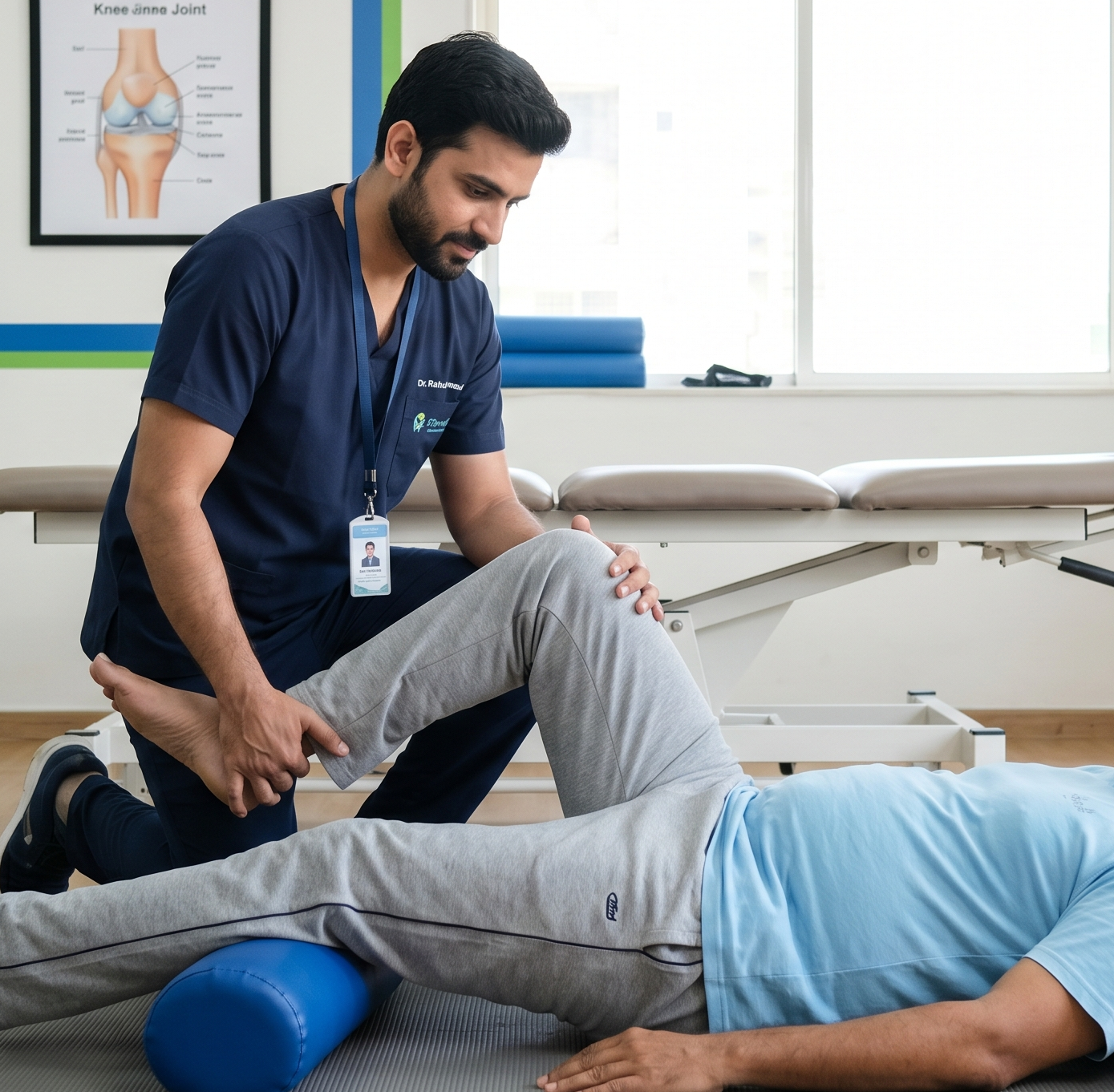
Joint pain physiotherapy helps identify the cause of pain and supports recovery through joint mobility exercises, strengthening, posture correction, manual therapy, balance training, pain management, and home exercise guidance. It may help reduce stiffness, improve movement, and support daily activities when guided by a qualified physiotherapist.
What Is Joint Pain?
Joint pain is discomfort, stiffness, swelling, or soreness in one or more joints of the body. It can affect the knee, hip, shoulder, wrist, fingers, ankle, elbow, hand, leg, or spine-related joints such as the SI joint.
Some people feel pain only during movement. Others may feel pain even at rest. Bone and joint pain may also affect confidence, balance, sleep, work, and fitness. Joint pain can be mild, moderate, or severe depending on the cause.
Physiotherapy for joint pain focuses on understanding the painful movement, improving joint support, strengthening weak muscles, and helping the patient move safely.
What Causes Joint Pain?
Joint pain causes can vary from person to person. In many cases, pain is not due to one single reason. It may be related to a mix of stiffness, weakness, inflammation, posture, age, injury, or overuse.
Common joint pain reason factors include:
- Age-related joint changes
- Arthritis joint pain
- Osteoarthritis pain
- Rheumatoid arthritis pain
- Sports injury joint pain
- Long sitting or poor posture
- Muscle weakness around the joint
- Reduced flexibility
- Repeated strain at work
- Post-surgery stiffness
- Joint inflammation
- Lack of regular movement
For example, stair climbing pain may be linked with knee weakness, while hand joint pain may affect gripping and daily tasks. A proper assessment helps find the real reason behind pain.
Common Joint Pain Symptoms
Joint pain symptoms can affect daily activity in different ways.
Common symptoms include:
- Joint stiffness
- Joint pain and swelling
- Pain while walking
- Difficulty climbing stairs
- Pain while holding objects
- Reduced joint movement
- Morning stiffness
- Muscle weakness
- Pain after exercise
- Tenderness around the joint
- Difficulty standing for long hours
- Mobility difficulty
If pain comes with fever, sudden swelling, severe redness, or inability to move the joint, medical review is important.
Who Is at Risk of Joint Pain?
Joint pain can affect people of all ages, but some groups are more likely to develop symptoms.
Senior citizens may experience senior citizen joint pain due to age-related changes, osteoarthritis pain, or reduced strength. Athletes may develop sports injury joint pain due to sudden twisting, overuse, or poor training technique. Office workers may develop stiffness due to long sitting and low activity.
People who are recovering after surgery, have arthritis, are overweight, do heavy physical work, or ignore early symptoms may also develop recurring joint pain.
How Can Physiotherapy Help Joint Pain?
Joint Pain Treatment in Chennai through physiotherapy may help patients move better and manage pain safely. A physiotherapist checks pain location, swelling, movement, muscle strength, walking pattern, posture, balance, and daily activity limitations.
Physiotherapy may help with:
- Joint pain relief
- Reduced joint stiffness
- Improved mobility
- Better walking ability
- Improved balance
- Joint strengthening exercises
- Joint mobility exercises
- Posture correction
- Pain management physiotherapy
- Home exercise guidance
The goal is to improve function, not just reduce pain temporarily. Physiotherapy helps patients understand safe movement habits and reduce repeated strain.
Physiotherapy Treatment Methods for Joint Pain
1. Detailed Joint Assessment
The physiotherapist first checks which joint is painful, what movements increase pain, whether swelling is present, and how daily life is affected. This helps create a personalized treatment plan.
2. Pain Management
Pain management may include gentle movement, activity modification, safe positioning, guided exercises, and advice on reducing repeated strain.
3. Manual Therapy for Joint Pain
Manual therapy for joint pain may help reduce stiffness and improve movement in selected patients. It is usually combined with exercises for better results.
4. Joint Mobility Exercises
Joint mobility exercises help improve flexibility and reduce stiffness. These exercises are useful for knee joint pain, hip joint pain, shoulder joint pain, ankle joint pain, and SI joint pain.
5. Joint Strengthening Exercises
Strengthening exercises help support weak joints. A physiotherapist may guide hip strengthening, knee strengthening, shoulder control, wrist stability, or balance exercises based on the painful area.
6. Posture and Movement Correction
Posture correction is important when pain is linked to sitting, standing, walking, lifting, or repeated work movements. Small changes in daily movement can reduce joint stress.
Common Joint Pain Areas
Joint pain can affect different body parts, and each area needs a different approach.
Knee Joint Pain
Knee joint pain may affect walking, stair climbing, squatting, and standing. Knee joint pain treatment may include mobility work, thigh strengthening, balance training, and walking correction.
Wrist and Finger Joint Pain
Wrist joint pain and finger joint pain may affect typing, gripping, writing, cooking, or lifting objects. Physiotherapy may include hand mobility, gentle strengthening, and activity modification.
Hip and Leg Joint Pain
Hip joint pain and leg joint pain can affect walking, sitting, and balance. Treatment may focus on hip mobility, strength, posture, and gait training.
Shoulder and Elbow Joint Pain
Shoulder joint pain and elbow joint pain treatment may include shoulder mobility, strengthening, posture correction, and manual therapy where suitable.
Sacroiliac Joint Pain
Sacroiliac joint pain or SI joint pain may cause lower back, hip, or pelvic discomfort. Physiotherapy may include stability exercises, posture correction, and movement training.
Home Care and Prevention Tips
Home care can support recovery when done correctly.
Helpful tips include:
- Avoid long periods of sitting or standing
- Do gentle mobility exercises daily
- Avoid sudden heavy lifting
- Use proper posture during work
- Take movement breaks
- Strengthen muscles around painful joints
- Avoid painful repetitive movements
- Use supportive footwear if needed
- Maintain safe walking habits
- Follow your physiotherapist’s home exercise program
Do not force painful exercises. If pain increases, swelling worsens, or movement becomes difficult, consult a qualified physiotherapist.
When Should You Consult a Physiotherapist?
You should consult a physiotherapist if joint pain lasts more than a few days, keeps returning, affects walking, limits movement, or causes stiffness.
Seek help if you have:
- Joint pain and swelling
- Walking difficulty
- Stair climbing pain
- Hand joint pain affecting grip
- Knee joint pain during daily activity
- Shoulder joint pain while lifting
- Hip joint pain while walking
- Joint stiffness in the morning
- Sports injury joint pain
- Senior citizen joint pain
Early assessment may help prevent wrong exercises and support safer recovery.
Joint Pain Treatment Near Me in Chennai
If you are searching for Joint Pain Treatment in Chennai or physiotherapy near me in Chennai, choose a clinic that provides proper assessment, safe exercises, and personalized care.
Fitsiomax Physiotherapy & Fitness Centre serves patients through multiple Chennai branches:
- Physiotherapy clinic in Anna Nagar
- Physiotherapy clinic in T. Nagar
- Physiotherapy clinic in Parrys
- Physiotherapy clinic in ECR
Whether you have knee, shoulder, wrist, finger, hip, ankle, elbow, or SI joint pain, Fitsiomax can guide you with patient-friendly physiotherapy care.
Why Choose Fitsiomax Physiotherapy & Fitness Centre?
Fitsiomax Physiotherapy & Fitness Centre provides physiotherapy, fitness, pain relief, posture correction, and rehabilitation care in Chennai.
Patients choose Fitsiomax for:
- Professional physiotherapy assessment
- Joint Pain Treatment in Chennai
- Joint pain physiotherapy in Chennai
- Joint mobility exercises
- Joint strengthening exercises
- Manual therapy for joint pain
- Pain management physiotherapy
- Non-surgical joint pain treatment
- Home exercise guidance
- Branches in Anna Nagar, T. Nagar, Parrys, and ECR
Fitsiomax focuses on safe movement, better function, and practical recovery support.
Conclusion
Joint pain can affect work, sleep, walking, exercise, and daily independence. Ignoring joint stiffness, swelling, or pain may make movement more difficult over time. Joint Pain Treatment in Chennai through physiotherapy may help improve mobility, reduce stiffness, strengthen supporting muscles, and support natural recovery.
If you are looking for a trusted physiotherapy clinic in Chennai, visit Fitsiomax Physiotherapy & Fitness Centre at Anna Nagar, T. Nagar, Parrys, or ECR. Book your consultation today and get professional guidance for joint pain recovery.
Visit fitsiomax.clinic | Call us | Walk into our clinic in Chennai
Frequently Asked Questions
1. What causes joint pain?
Joint pain may happen due to arthritis, inflammation, injury, muscle weakness, poor posture, overuse, age-related changes, or reduced mobility.
2. Can physiotherapy help joint pain?
Yes. Physiotherapy may help improve joint movement, reduce stiffness, strengthen supporting muscles, correct posture, and support pain management.
3. What are common joint pain symptoms?
Common symptoms include pain, stiffness, swelling, reduced movement, weakness, walking difficulty, stair climbing pain, and difficulty doing daily activities.
4. Which exercises help joint pain relief?
Common exercises may include gentle mobility exercises, strengthening exercises, balance training, stretching, and posture correction exercises based on the painful joint.
5. When should I visit a physiotherapist for joint pain?
Visit a physiotherapist if joint pain lasts several days, keeps returning, causes swelling, limits movement, affects walking, or makes daily activities difficult.