
Back Pain Physiotherapy in Chennai: Complete Guide
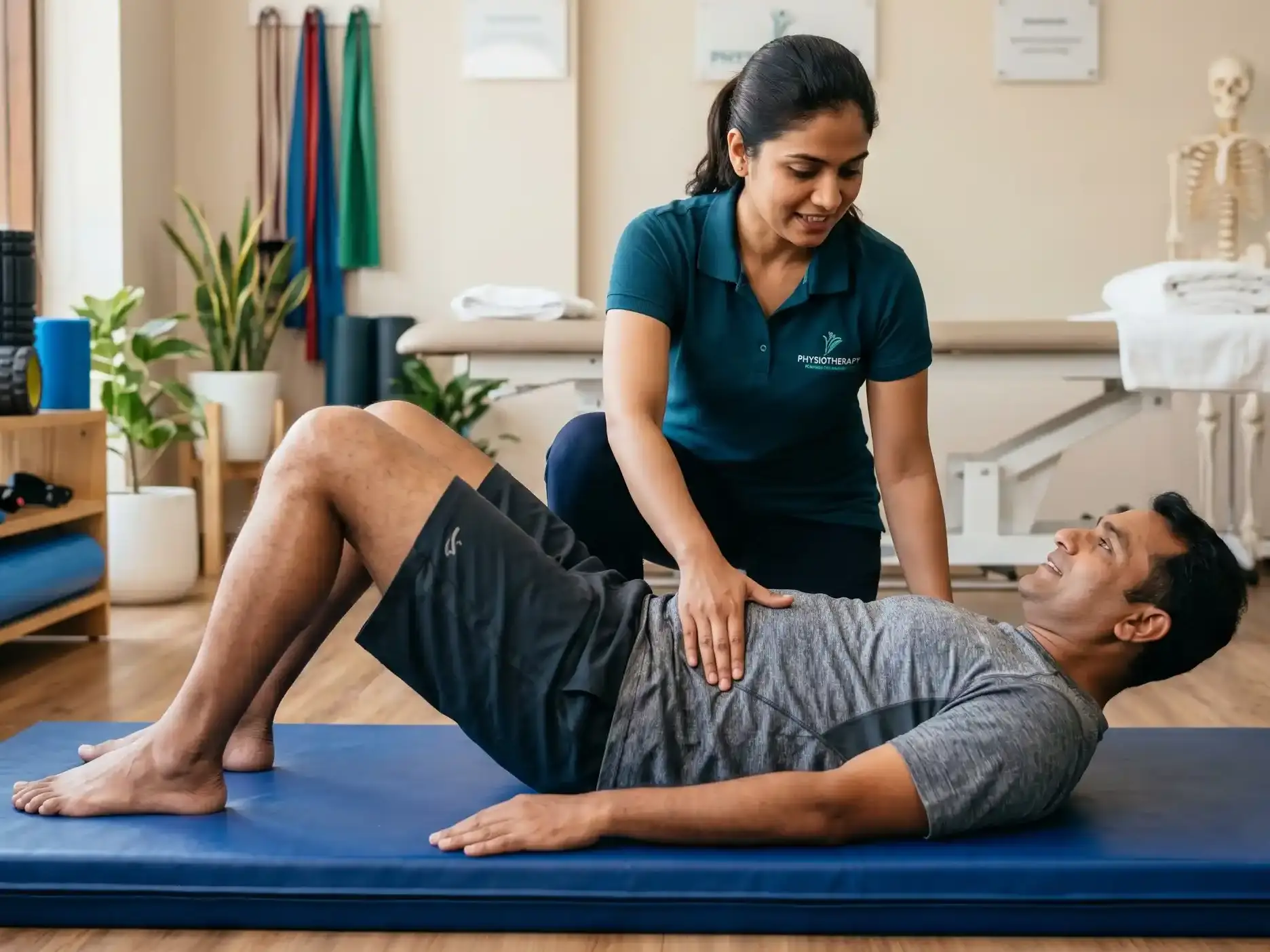
Introduction
Back pain is one of the most common problems faced by office workers, senior citizens, athletes, homemakers, and people recovering after surgery. Long sitting hours, poor posture, muscle stiffness, sudden strain, weak core muscles, or age-related spine changes can make daily movements painful. For some people, pain may stay in the lower back. For others, it may spread to the upper back, hips, or legs.
Back Pain Physiotherapy in Chennai can help patients understand the cause of pain, improve movement, reduce stiffness, and safely return to daily activities. At Fitsiomax Physiotherapy & Fitness Centre, patients from Anna Nagar, T. Nagar, Parrys, and ECR can receive professional physiotherapy care focused on pain management, posture correction, strengthening, and rehabilitation.
Back pain physiotherapy helps identify the reason for pain and supports recovery through posture correction, manual therapy, stretching, strengthening exercises, mobility training, and guided home care. It may help reduce pain, improve movement, and prevent repeated strain when done under a qualified physiotherapist.
What Is Back Pain?
Back pain is discomfort, stiffness, or pain felt in the upper, middle, or lower part of the back. It may be mild and temporary, or it may affect walking, sitting, bending, sleeping, and daily work.
Lower back pain is very common because the lower spine supports body weight and movement. Upper back pain may happen due to poor posture, long screen time, shoulder stiffness, or muscle tightness. Some patients may also feel pain travelling to the legs, which may be related to nerve irritation or sciatica.
Physiotherapy for back pain focuses on finding the movement problem, muscle imbalance, posture issue, or lifestyle habit that may be contributing to pain.
What Causes Back Pain?
Back pain can happen for many reasons. In Chennai, many patients visit physiotherapy clinics due to daily lifestyle and work-related strain.
Common causes include:
- Long sitting hours at office or home
- Poor posture while using laptop or mobile phone
- Weak back and core muscles
- Sudden lifting or bending injury
- Muscle stiffness after travel or long driving
- Sports injury back pain
- Age-related spine stiffness
- Post-surgery weakness or reduced mobility
- Lack of regular stretching or activity
- Sciatica-related pain travelling to the leg
For many patients, back pain is not caused by one single reason. It may be a combination of posture, muscle weakness, stress, reduced movement, and daily routine habits.
Common Symptoms of Back Pain
Back pain symptoms can vary from person to person. Some people feel sharp pain, while others feel stiffness or heaviness.
Common symptoms include:
- Pain while sitting for long hours
- Difficulty bending forward
- Pain while standing or walking
- Morning stiffness
- Tightness in the lower back
- Pain spreading to hip or leg
- Upper back and shoulder tightness
- Difficulty lifting objects
- Pain after exercise or sports activity
- Reduced flexibility
If pain is severe, keeps increasing, causes numbness, weakness, or affects daily life, it is better to consult a qualified physiotherapist or doctor.
Who Is at Risk of Back Pain?
Back pain can affect anyone, but some people are at higher risk.
Office workers often develop office work back pain because of long sitting, poor chair support, and screen posture. Senior citizens may experience stiffness due to age-related mobility changes. Athletes may get back pain due to sudden strain, sports injury, or poor movement control. Post-surgery patients may have weakness and stiffness during recovery.
People who do not exercise regularly, lift heavy objects incorrectly, sleep in poor positions, or ignore early pain may also develop recurring back pain.
If your discomfort occurs during pregnancy, assessment and exercise choices need to reflect your maternity care advice. See our pregnancy-related pain physiotherapy service in Chennai for the appointment process.
Is Physiotherapy Good for Back Pain?
Yes, physiotherapy may be helpful for many types of back pain when the treatment is based on proper assessment. A physiotherapist checks your posture, flexibility, muscle strength, movement pattern, pain location, and daily routine before planning treatment.
Physiotherapy can help improve mobility, reduce muscle stiffness, support back pain relief, and guide safe exercises. It is especially useful for people looking for non-surgical back pain treatment, posture correction, and long-term movement improvement.
How Can Physiotherapy Help with Back Pain?
Physiotherapy treatment for back pain is not only about pain relief. It focuses on improving the way your body moves.
A physiotherapist may help you with:
- Pain management
- Posture correction
- Spine mobility improvement
- Muscle relaxation
- Back strengthening exercises
- Core strengthening
- Stretching tight muscles
- Safe bending and lifting techniques
- Home exercise program
- Return-to-work or return-to-sport guidance
For chronic back pain care, physiotherapy may also include lifestyle advice, ergonomic corrections, and progressive strengthening.
Physiotherapy Treatment Methods for Back Pain
A personalized physiotherapy plan depends on the cause and severity of pain. At Fitsiomax Physiotherapy & Fitness Centre, treatment may include a combination of hands-on care, exercises, and rehabilitation guidance.
1. Assessment and Pain Evaluation
The physiotherapist first understands your symptoms, pain history, work routine, posture, movement limitations, and previous injuries. This helps identify whether the pain is related to muscle tightness, weakness, posture, joint stiffness, nerve irritation, or post-surgery recovery.
2. Manual Therapy for Back Pain
Manual therapy for back pain may include gentle hands-on techniques to improve joint mobility, reduce stiffness, and relax tight muscles. It is usually combined with exercises for better results.
3. Mobility and Stretching Exercises
Stretching helps reduce tightness in the back, hips, hamstrings, and surrounding muscles. These exercises should be done safely and gradually.
4. Strengthening Exercises
Back strengthening exercises help improve support around the spine. A physiotherapist may include core activation, hip strengthening, glute exercises, and controlled back movements.
5. Posture Correction
Posture correction is important for people who sit for long hours, use laptops, drive often, or work with repeated bending. Small changes in sitting position, screen height, and movement breaks can reduce repeated strain.
6. Physiotherapy Machines for Back Pain
Physiotherapy machines for back pain may be used in some cases for pain management and muscle relaxation. These may include electrotherapy or other modalities based on the physiotherapist’s assessment. Machines alone are not enough; they work best when combined with exercise and movement correction.
Physiotherapy Exercises for Lower Back Pain
Physiotherapy exercises for lower back pain should be selected based on your condition. Not every exercise is suitable for every patient.
Commonly guided exercises may include:
- Pelvic tilts
- Knee-to-chest stretch
- Cat-camel movement
- Bridge exercise
- Bird-dog exercise
- Gentle hamstring stretch
- Hip mobility exercises
- Core activation drills
These physiotherapy exercises for back pain may help improve flexibility and strength when done correctly. Stop the exercise if pain increases, spreads to the leg, or causes numbness. Always follow your physiotherapist’s advice.
Can Back Pain Physiotherapy Treatment Be Done at Home?
Back pain physiotherapy treatment at home may be suitable for selected patients, especially those with mild stiffness, senior citizens with mobility difficulty, or patients continuing a home exercise program after clinic sessions.
However, home care should not replace professional assessment if pain is severe or recurring. A physiotherapist can teach safe exercises, correct posture, and guide progress based on your pain level.
Prevention and Home Care Tips
You can reduce repeated back strain by improving your daily habits.
Helpful tips include:
- Take short movement breaks every 30 to 45 minutes
- Avoid sitting in the same position for too long
- Keep your laptop or monitor at eye level
- Use proper back support while sitting
- Avoid sudden heavy lifting
- Bend from your knees, not only your back
- Do gentle stretching regularly
- Strengthen your core and hip muscles
- Maintain a healthy activity routine
- Consult early if pain keeps returning
These steps may support back pain relief and reduce future episodes.
When Should You Consult a Physiotherapist?
You should consult a physiotherapist if back pain lasts more than a few days, keeps returning, affects work, disturbs sleep, or makes walking, sitting, or bending difficult.
Visit a qualified physiotherapist if you have:
- Pain spreading to the leg
- Numbness or tingling
- Severe stiffness
- Pain after injury or fall
- Difficulty standing straight
- Post-surgery back stiffness
- Recurring pain due to work posture
- Pain that does not improve with rest and gentle care
Professional assessment helps choose the right lower back pain treatment and prevents wrong exercises.
Physiotherapy Near Me in Chennai
If you are searching for physiotherapy for back pain near me or back pain physiotherapy near me, choosing a clinic with proper assessment, guided exercises, and rehab support is important.
Fitsiomax Physiotherapy & Fitness Centre serves patients through multiple Chennai locations, including:
- Physiotherapy clinic in Anna Nagar
- Physiotherapy clinic in T. Nagar
- Physiotherapy clinic in Parrys
- Physiotherapy clinic in ECR
Whether you are an office worker with posture pain, a senior citizen with stiffness, an athlete with sports injury back pain, or a post-surgery patient needing rehabilitation, Fitsiomax offers patient-friendly physiotherapy care in Chennai.
Why Choose Fitsiomax Physiotherapy & Fitness Centre?
Fitsiomax Physiotherapy & Fitness Centre focuses on safe, personalized, and movement-based recovery. The team helps patients understand the cause of pain and follow a practical treatment plan.
Patients choose Fitsiomax for:
- Physiotherapy assessment
- Pain management support
- Posture correction
- Back strengthening exercises
- Manual therapy
- Rehab exercises
- Home exercise guidance
- Branches in Anna Nagar, T. Nagar, Parrys, and ECR
- Patient-friendly care for different age groups
Fitsiomax aims to help patients move better, manage pain safely, and return to daily activities with confidence.
Conclusion
Back pain can affect your work, sleep, travel, exercise, and daily routine. Ignoring it may lead to repeated stiffness and reduced movement. Back Pain Physiotherapy in Chennai can help identify the reason for pain and support recovery through safe treatment, exercises, posture correction, and rehabilitation.
If you are looking for a physiotherapy clinic in Chennai for back pain, visit Fitsiomax Physiotherapy & Fitness Centre at Anna Nagar, T. Nagar, Parrys, or ECR. Book a consultation and get a professional assessment for your back pain.
Visit fitsiomax.clinic | Call us | Walk into our clinic in Chennai
Frequently Asked Questions
1. Is physiotherapy good for back pain?
Yes. Physiotherapy may help reduce pain, improve movement, correct posture, strengthen muscles, and support safe recovery when treatment is based on proper assessment.
2. Which physiotherapy exercises are good for lower back pain?
Common exercises may include pelvic tilts, bridges, cat-camel movements, knee-to-chest stretch, and core activation. A physiotherapist should select exercises based on your condition.
3. When should I visit a physiotherapist for back pain?
Visit a physiotherapist if pain lasts for several days, keeps returning, spreads to the leg, causes stiffness, or affects sitting, walking, sleep, or work.
4. Can physiotherapy help office work back pain?
Yes. Physiotherapy can help with posture correction, muscle strengthening, stretching, ergonomic advice, and movement habits for people sitting long hours.
5. Is back pain physiotherapy treatment at home possible?
Home exercises may help some patients, but severe, recurring, or spreading pain needs professional assessment before starting a treatment plan.
Medical References and Further Reading
For additional information on symptoms and treatment options, read NHS: Back pain.