
Leg Pain While Walking? It May Be Sciatica — Not Calcium Deficiency
Introduction
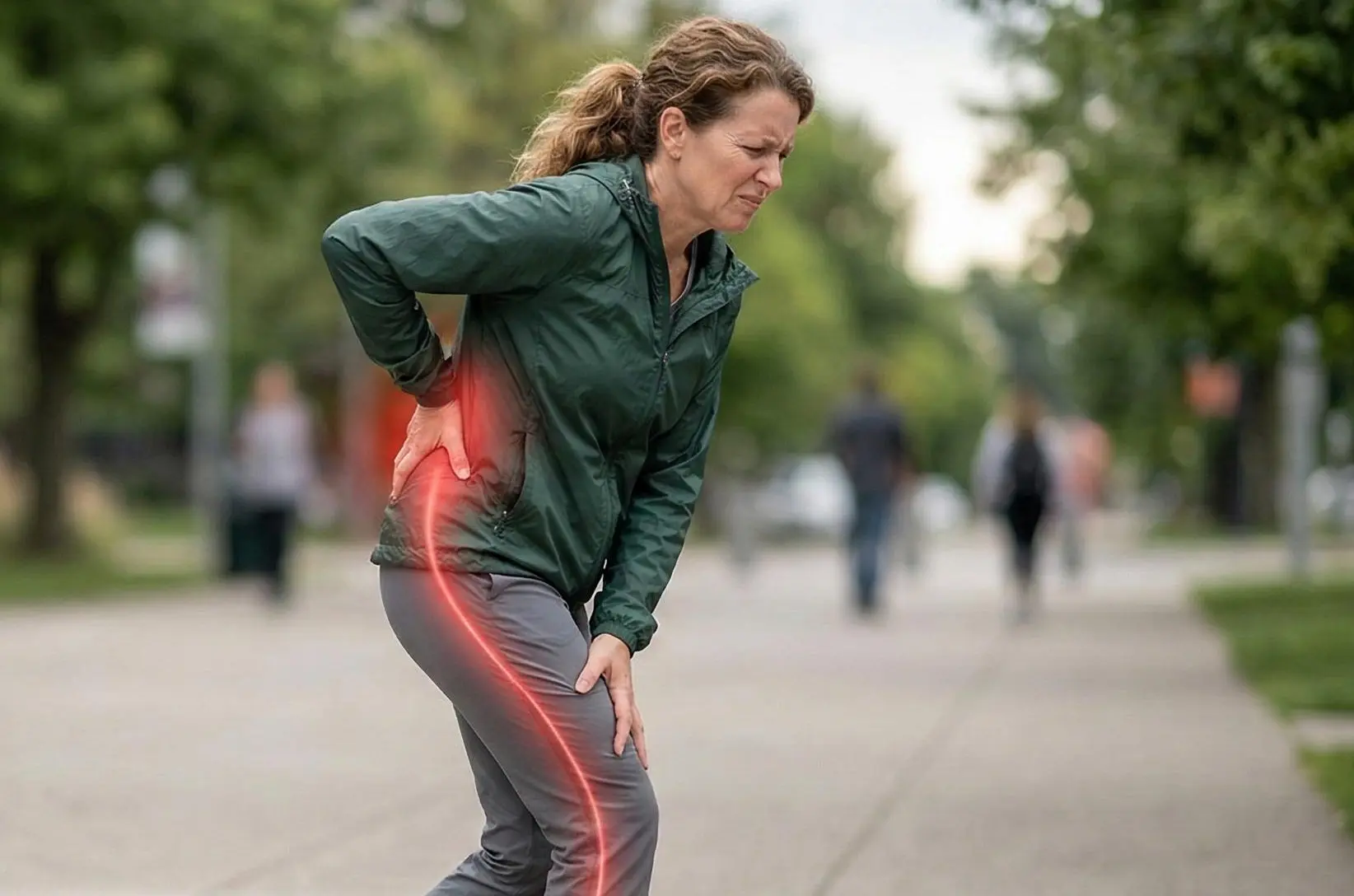
Many people notice leg pain while walking and assume they lack calcium.
But when pain begins in the lower back and travels down the leg, the cause is often sciatic nerve pain, not bone weakness.
This type of pain follows a nerve pathway, not a nutritional problem. Understanding the difference helps avoid incorrect remedies and delayed care. Educational insights shared by the physiotherapy team at Fitsiomax often emphasize that identifying the pain pattern early makes recovery easier and safer.
sciatic nerve pain
Sciatic nerve pain occurs when the sciatic nerve becomes irritated or compressed. This is the longest nerve in the body, running from the lower spine through the buttock and down the leg.
Who it is for:
People who feel sharp, shooting, or burning discomfort traveling down one side of the leg.
Key benefits of understanding it:
- Helps recognize nerve-related problems early
- Prevents confusion with calcium deficiency
- Encourages appropriate care
Safety consideration:
If numbness or leg weakness appears, a professional evaluation is recommended rather than self-treatment.
sciatica pain
Sciatica pain describes the symptom pattern caused by irritation of the sciatic nerve. The pain often starts in the lower back and travels down the thigh, calf, or foot.
Who it is for:
Individuals who experience discomfort while walking, standing, or rising from a chair.
Key benefits:
Recognizing sciatica pain helps differentiate muscle strain from a nerve issue and guides proper sciatica treatment.
Safety consideration:
Avoid lifting heavy objects or prolonged sitting during flare-ups.
sciatica symptoms
Sciatica symptoms usually follow a consistent pattern along the nerve path.
Common signs include:
- Nerve pain in leg
- Tingling or pins-and-needles sensation
- Burning feeling in calf
- Numbness in foot
- Pain worsening during walking
Who it is for:
Adults who suddenly develop leg pain without injury.
Key benefits:
Early identification supports faster recovery and prevents chronic irritation.
Safety consideration:
Seek immediate care if there is severe numbness or loss of balance.
what causes sciatica
Sciatica develops when pressure affects the nerve near the spine.
Typical causes:
- Disc bulge
- Tight muscles
- Poor posture
- Repetitive strain
- Spinal narrowing
Who it is for:
Office workers, drivers, and individuals sitting for long hours.
Key benefits:
Understanding what causes sciatica helps prevent recurrence through posture correction and movement habits.
Safety consideration:
Ignoring recurring symptoms may lead to long-term nerve irritation.
sciatica treatment
Sciatica treatment focuses on relieving nerve pressure and restoring movement.
Common approaches:
- Guided exercises
- Posture correction
- Movement training
- Activity modification
Who it is for:
People with recurring lower back to leg pain.
Key benefits:
Improves mobility and reduces nerve inflammation.
Safety consideration:
Extended bed rest is generally discouraged. Gentle movement is usually safer. In clinical practice at Fitsiomax, structured physiotherapy for sciatica often emphasizes gradual activity restoration rather than inactivity.
sciatica pain relief
Sciatica pain relief usually begins with conservative care.
Helpful measures:
- Warm compress
- Gentle walking
- Controlled stretching
- Proper sitting posture
Who it is for:
Individuals with mild to moderate symptoms.
Key benefits:
Supports natural healing and reduces discomfort.
Safety consideration:
Pain medications alone may hide symptoms without correcting the underlying cause.
what is sciatica
What is sciatica? It is a nerve condition caused by irritation of the sciatic pathway, not a disease by itself.
Who it is for:
Anyone confusing nerve pain with muscle soreness or deficiency.
Key benefits:
Choosing the best treatment for leg nerve pain becomes easier once the cause is understood.
Safety consideration:
Untreated cases may become persistent over time.
lower back to leg pain
Lower back to leg pain is a classic feature of nerve involvement.
Who it is for:
People whose pain begins in the back and spreads downward.
Key benefits:
Identifying this pattern helps guide appropriate sciatica physiotherapy treatment.
Safety consideration:
High-impact activity should be avoided in early stages.
pinched sciatic nerve
A pinched sciatic nerve happens when surrounding tissues compress the nerve near the spine.
Who it is for:
Those who feel sharp pain when standing after sitting.
Key benefits:
Early diagnosis prevents worsening discomfort and walking difficulty.
Safety consideration:
Forceful exercises without guidance can aggravate symptoms.
sciatica stretches
Sciatica stretches gently release nerve tension and improve flexibility.
Who it is for:
Individuals recovering from improving symptoms.
Key benefits:
Prevents recurrence and supports mobility.
Safety consideration:
Stop immediately if sharp or radiating pain increases.
Conclusion
Leg pain during walking is often mistaken for calcium deficiency, yet many cases involve sciatic nerve pain. Recognizing the symptoms, understanding causes, and following safe movement strategies can prevent long-term discomfort. If pain continues or worsens, a professional assessment such as an evaluation at Fitsiomax can help determine the exact cause and guide safe recovery. Early understanding leads to better outcomes and more confident movement.
Frequently Asked Questions
1. How do I know if my leg pain is nerve-related?
In most cases, nerve pain travels from the back to the foot and feels burning or tingling. Muscle pain usually stays localized. Professionals usually recommend evaluation if the pain spreads or lasts more than several days.
2. Can sitting for long hours cause this condition?
Yes, prolonged sitting can increase nerve pressure around the lower spine. Based on general practice, people with desk jobs often develop symptoms earlier than active individuals. Regular movement breaks are usually advised.
3. Does sleeping position affect symptoms?
Yes, posture during sleep influences nerve pressure. In most cases, lying on the side with a pillow between the knees helps reduce discomfort. Professionals usually recommend avoiding stomach sleeping.
4. Is it safe to exercise with leg nerve pain?
Gentle activity is generally safe. Based on general practice, light walking and guided stretching support recovery, while heavy workouts may worsen symptoms. Always stop if sharp pain increases.
5. Can this problem go away on its own?
Many mild episodes improve within a few weeks. However, in most cases, proper guidance speeds recovery and reduces recurrence risk. Professionals usually recommend monitoring persistent symptoms.
6. When should I consult a specialist?
Seek help if pain lasts longer than one week, causes numbness, or affects walking. Based on general practice, early assessment prevents chronic nerve irritation and supports faster recovery.