
Can an ACL Tear Heal Without Surgery? Complete Guide
Introduction
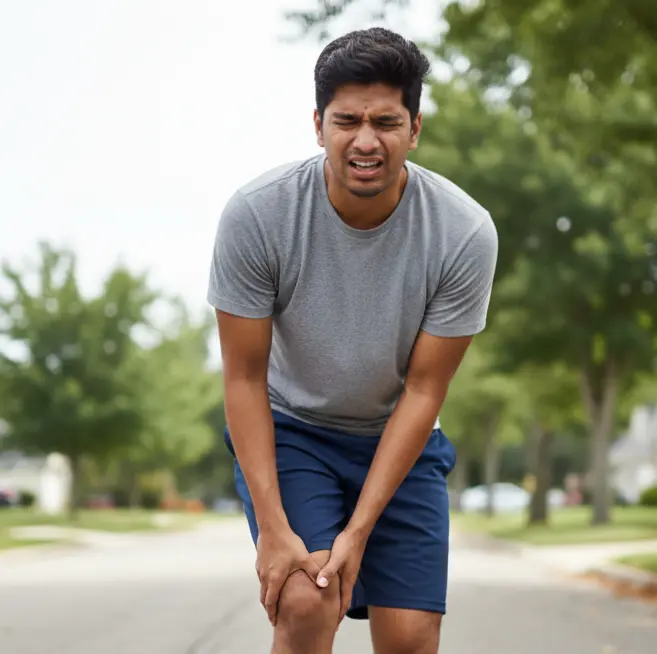
A sudden twist, a popping sound, or the knee suddenly giving way can be alarming. Many people immediately worry about surgery after a ligament injury. The common question is simple: can an ACL tear heal without surgery?
The anterior cruciate ligament (ACL) helps stabilize the knee during walking, turning, and sports activities. When injured, the knee may feel unstable or swollen. However, not every injury requires an operation. With proper care, structured activity, and guided recovery, some individuals manage the condition through conservative methods.
Professionals in rehabilitation settings, including teams such as Fitsiomax, often focus on restoring movement and strength before considering invasive options. This guide explains when recovery without surgery is possible and how people can safely support knee ligament injury recovery.
acl tear treatment without surgery
This refers to managing the ligament injury using movement therapy, strength training, and activity modification instead of surgical reconstruction.
Who it is for:
People with mild instability, partial tears, or lower physical demands.
Key benefits:
- Avoids surgical risks
- Supports natural healing
- Improves joint function gradually
Safety note:
Persistent locking, severe knee swelling after injury, or repeated falls require professional evaluation.
non surgical treatment for acl tear
Non-surgical care combines structured rehabilitation, protective support, and education.
Who it is for:
Adults who can perform daily activities without significant knee giving way problem.
Key benefits:
- Maintains mobility
- Strengthens knee joint support muscles
- Encourages safe activity levels
Safety note:
Ignoring instability can increase risk of further cartilage damage. Monitoring progress is important.
physiotherapy for acl tear recovery
Rehabilitation programs focus on restoring strength, coordination, and movement patterns.
Who it is for:
Individuals aiming to regain walking confidence or return to routine tasks.
Key benefits:
- Improves balance
- Enhances knee stability
- Supports sports knee injury rehabilitation
Clinics, including Fitsiomax, commonly teach controlled movement training and posture correction.
Safety note:
Exercises must progress gradually. Sudden intensity can worsen ligament strain.
acl tear recovery without operation
Recovery without operation involves consistent strengthening and protective habits.
Who it is for:
People managing daily life activities without severe instability.
Key benefits:
- Encourages active healing
- Improves joint awareness
- Reduces knee instability treatment needs later
Safety note:
If the knee repeatedly collapses, professional assessment is essential.
partial acl tear recovery time
A partial tear means the ligament is stretched but not fully broken.
Who it is for:
Patients experiencing mild instability rather than complete structural damage.
Key benefits:
- Faster recovery compared to complete tears
- Gradual improvement with rehabilitation for knee ligament injury
Recovery typically ranges from several weeks to a few months depending on strength and activity.
Safety note:
Returning to sports too early may worsen injury.
grade 1 acl tear treatment
Grade 1 injuries involve minor stretching of the ligament fibers.
Who it is for:
People with mild pain but minimal instability.
Key benefits:
- Quick functional improvement
- Early return to daily activities
Treatment often includes rest, controlled movement, and ligament strengthening exercises.
Safety note:
Avoid sudden pivoting movements during healing.
grade 2 acl tear treatment
Grade 2 injuries represent a partial tear with moderate symptoms.
Who it is for:
Individuals noticing swelling and reduced confidence while walking.
Key benefits:
- Structured strengthening improves control
- Helps prevent chronic instability
Safety note:
Professional supervision helps determine readiness for higher activity.
exercises after acl injury without surgery
Carefully selected movements restore motion and muscle activation.
Who it is for:
Patients beginning knee ligament rehabilitation.
Key benefits:
- Restores flexibility
- Activates surrounding muscles
- Improves movement confidence
Common starting exercises:
- Straight leg raises
- Heel slides
- Gentle stationary cycling
Safety note:
Pain should guide intensity. Sharp pain indicates overload.
knee stability exercises after acl tear
These exercises train coordination and joint control.
Who it is for:
Individuals experiencing knee giving way during walking.
Key benefits:
- Enhances balance
- Prevents repeated strain
- Supports return to sports after ACL injury
Examples include single-leg standing and controlled step-downs.
Safety note:
Perform on stable surfaces initially to avoid falls.
how to strengthen knee after acl injury
Strengthening focuses on muscles around the knee and hips.
Who it is for:
People rebuilding long-term stability.
Key benefits:
- Supports knee joint support muscles
- Reduces risk of re-injury
- Improves confidence during movement
Exercises gradually include squats and resistance band training.
Safety note:
Technique matters more than resistance. Improper form increases strain.
Conclusion
Knee pain, looseness, or difficulty while walking after a twist, fall, or sports activity may indicate a ligament injury. Many patients delay treatment thinking it will heal naturally, but improper healing can lead to long-term knee instability and cartilage damage. Early physiotherapy assessment helps you understand whether your ACL is stable and whether surgery is actually required.
Frequently Asked Questions
1. Can you walk normally with a torn ACL?
Yes, many people can walk, but stability may feel reduced. In most cases, controlled strengthening improves confidence. Professionals usually recommend avoiding sudden turning movements until muscles stabilize the joint.
2. What happens if an ACL tear is left untreated?
Untreated instability may lead to cartilage wear over time. Based on general practice, repeated knee collapse can increase long-term joint stress and discomfort during activity.
3. Do all ACL tears require surgery?
No, surgery is not always required. In most cases, individuals with partial tears and low activity demands manage well with rehabilitation and structured strengthening.
4. Can you bend your knee after an ACL injury?
Yes, bending is usually possible but may feel uncomfortable initially. Professionals usually recommend gentle motion early to prevent stiffness while avoiding aggressive activity.
5. How do you know if your ACL is healing?
Improvement in stability, reduced swelling, and stronger muscle control indicate progress. Based on general practice, steady functional improvement over weeks suggests recovery.
6. When can you return to sports after an ACL injury?
Return depends on strength, balance, and stability. In most cases, gradual progression over months is advised. Professionals usually recommend testing movement control before full participation.